
We live in a world that feels increasingly toxic, from the processed food we eat to the polluted air we breathe. It is no wonder that so many of us wake up feeling sluggish, foggy, and just generally “off,” even after a full night’s sleep. You have probably seen the ads for Nuubu Foot Pads popping up on your social media feed, promising to suck the toxins right out of your body while you dream. The images of black, sludge-filled pads are both disgusting and strangely compelling.
But can sticking a vinegar-filled pouch to the bottom of your foot really detoxify your entire system? Or is this just another clever marketing gimmick designed to prey on our health anxieties? In this comprehensive review, I am going to peel back the adhesive and the hype to give you the honest truth about Nuubu Foot Pads. I will break down the ingredients, the science (or lack thereof), and my personal results to help you decide if this is the wellness breakthrough you have been waiting for.
My Experience With Nuubu Foot Pads
I have always been a bit of a skeptic when it comes to “miracle” detox products, but the sheer volume of testimonials for Nuubu eventually wore me down. I was going through a phase of waking up feeling heavy and groggy, no matter how early I went to bed, and the idea of a passive solution that worked while I slept was incredibly appealing. I ordered the starter pack online, and it arrived in a simple, unassuming box that looked distinctively “wellness-focused” with its green and white branding.
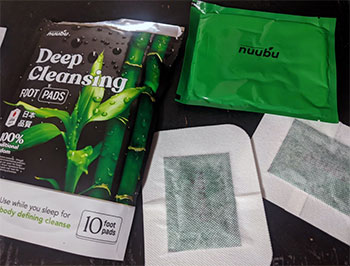
The first night I decided to use them, I followed the instructions religiously.
I washed and dried my feet thoroughly—something the packaging emphasizes is crucial for the adhesive to stick.
The pads themselves smell quite strong right out of the package, a sort of smoky, vinegary scent that reminds me of a campfire or barbecue sauce.
It is not necessarily bad, but it is definitely potent.
Peeling the backing off and sticking them to the soles of my feet was easy enough, though they felt a bit crinkly and strange when I tried to walk to the bathroom before bed.
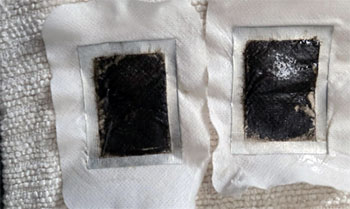
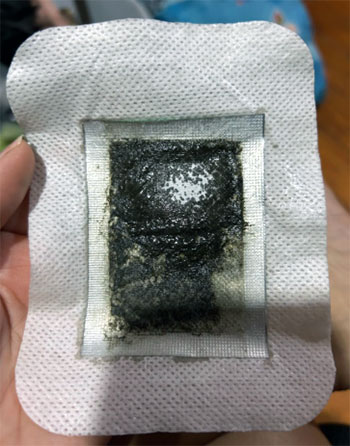
I slept with socks on over the pads as recommended, to keep them secure and prevent them from peeling off against the sheets. When I woke up the next morning, I was genuinely excited—and a little nervous—to see the results. I peeled off the socks and then the pads. What I saw was exactly what the ads promised: a thick, black, oily sludge covering the pad. It was gross, undeniable, and oddly satisfying. Seeing that physical “proof” made me feel like something had definitely happened.
However, over the next few days, my analytical side kicked in. Yes, the pads were turning black every night, but was I actually feeling better? To be honest, the first few mornings felt largely the same. I didn’t spring out of bed with the energy of a teenager. But by the fourth or fifth day, I did notice a subtle shift. My sleep felt slightly deeper, and I was waking up less frequently during the night. Whether this was the ingredients working or just the placebo effect of taking a proactive step for my health, I couldn’t say for sure.
One thing that did annoy me was the residue. The black goo does not stay contained on the pad; it leaves a sticky, slimy film on your foot that requires a rigorous scrubbing with soap and warm water to remove. It is not a “peel and go” situation. You have to commit to washing your feet immediately upon waking up, or you will track sticky footprints everywhere.
After finishing the first box, my verdict was mixed. The visual confirmation of the “toxins” (the black color) is a powerful psychological hook, and the ritual of applying them felt like a nice act of self-care. I did feel slightly more rested, but I wasn’t convinced that heavy metals were actually leaving my body through my feet. It felt more like a supportive wellness tool rather than a medical cure-all.
Read More: My Thoughts On Xitox Foot Pads
Pros Of Nuubu Foot Pads
If you are considering trying Nuubu, there are several aspects of the product that make it an attractive option for those interested in holistic health. Here are the specific benefits that stood out during my trial.
- Natural and Traditional Ingredient Profile: One of the strongest selling points for Nuubu is its reliance on natural ingredients rather than synthetic chemicals. The core active ingredients include bamboo vinegar and wood vinegar, which have been used in traditional Japanese and Asian medicine for centuries. These ingredients are believed to have osmotic properties that can help draw out fluids and impurities. The formula also includes tourmaline, a mineral known for emitting negative ions, and loquat leaf, which provides a pleasant herbal aroma. For someone trying to avoid harsh pharmaceuticals, this plant-based approach feels much safer and gentler on the body.
- Visual Feedback Loop: There is a unique satisfaction in seeing the product “work” with your own eyes. Unlike taking a vitamin pill where you have to trust that it is dissolving and doing its job inside you, Nuubu gives you immediate visual evidence in the form of the darkened pad. While skeptics argue about what the black color truly represents, for the user, it provides a sense of accomplishment and validation. This psychological reinforcement helps you stick to the routine because you want to see if the pad gets lighter over time (which the company claims indicates a lower toxin load). It gamifies the detox process in a way that is quite engaging.
- Promotes Better Sleep Hygiene: Indirectly, using these pads can significantly improve your bedtime routine and sleep quality. The process requires you to wash your feet and take a moment for yourself before bed, which acts as a wind-down ritual that signals to your brain that it is time to sleep. Additionally, the pads contain mild herbal scents like lavender (in some versions) or the natural wood vinegar smell, which can have a grounding, aromatherapy effect. Many users, myself included, report sleeping more soundly with the pads on, perhaps due to the warmth they generate on the soles of the feet, which is known to help induce sleep.
- Non-Invasive and Easy to Use: Compared to other detox methods like juice cleanses, fasting, or colonics, Nuubu is incredibly non-invasive. You do not have to starve yourself, drink terrible-tasting concoctions, or undergo uncomfortable procedures. You simply stick a patch on your foot and go to sleep; the product does the work while you are unconscious. This ease of use makes it accessible to almost anyone, including the elderly or those with busy lifestyles who don’t have time for complicated health regimens. It fits seamlessly into a regular life without requiring drastic behavioral changes.
Cons Of Nuubu Foot Pads
While the marketing is glossy and persuasive, there are significant drawbacks and controversies surrounding this product that you need to be aware of before purchasing.
- Scientific Controversy Over “Detox” Claims: The biggest downside is the lack of hard scientific evidence supporting the mechanism of drawing toxins out through the feet. Medical experts widely agree that the liver and kidneys are the body’s primary detox organs and that the skin on the feet is not a major exit route for systemic toxins. The black color of the pad is likely caused by a chemical reaction between the wood vinegar powder and the sweat from your feet, rather than heavy metals being pulled out. You can replicate this blackening effect by holding the pad over a steaming kettle or spraying it with tap water, which casts doubt on the “toxin” explanation. You are essentially paying for a chemical reaction that looks like detox, rather than medically verified detoxification.
- Sticky and Messy Cleanup: As mentioned in my experience, the morning after using Nuubu is not always pleasant. The mixture of sweat, vinegar powder, and adhesive creates a tar-like substance that clings stubbornly to the skin. You cannot just wipe it off with a tissue; you need to physically wash your feet with soap and a washcloth. If you are in a rush in the morning, this extra step can be annoying. Furthermore, if you move around a lot in your sleep, the adhesive can sometimes leak onto your sheets, leaving stains that can be difficult to wash out.
- Unpleasant Odor for Some Users: The smell of wood vinegar is distinct and polarizing; some find it earthy and grounding, but many others find it offensive. It smells strongly of smoke, barbecue, or old vinegar, and this scent can linger in your bedroom even after you have thrown the pads away. If you sleep with a partner who is sensitive to smells, they might find the odor off-putting. Your feet might also retain a faint whiff of this smoky scent even after washing them, which can be embarrassing if you are going to a yoga class or somewhere where you will be barefoot later in the day.
- Recurring Cost for Daily Use: Nuubu is designed to be used as a course, often recommended for 10 days or more to see “full results.” Since the pads are single-use disposables, the cost can add up very quickly. A single box usually contains 10 pads (enough for 5 nights), meaning you need to buy multiple boxes for a sustained regimen. Compared to a reusable solution, this is an expensive habit to maintain long-term. The pressure to keep buying more to “maintain” your detoxified state can feel like a subscription trap.
Maintenance Tips For Nuubu Foot Pads
Since these are disposable items, you might think there is no maintenance involved, but proper handling and storage are crucial to ensure they actually work (or at least react) as intended.
- Store in a Strictly Dry Environment: The active ingredients in Nuubu, particularly the vinegar powders, are highly hygroscopic, meaning they attract moisture from the air. If you leave the package open or store them in a steamy bathroom, the pads will start to harden and turn dark before you even use them. You must keep them in their sealed ziplock bag until the very moment of application. Store the box in a cool, dry drawer in your bedroom or a linen closet, far away from the humidity of the shower. If a pad feels hard or clumpy when you take it out, it has likely been compromised by moisture and should be discarded.
- Hygiene Before Application is Critical: For the adhesive to stick and the vinegar to interact with your sweat, your feet need to be clean and free of oils. If you apply lotion or foot cream before bed, the pads will slide right off during the night. You should wash your feet with soap and dry them completely with a towel before applying the pad. This ensures a tight seal, which promotes the sweating necessary for the reaction to occur. If you have very calloused feet, soaking them first to soften the skin can help improve the contact area.
- Secure with Socks: The adhesive on the pads is decent, but it is rarely strong enough to withstand 8 hours of tossing and turning against bedsheets. You should always wear a pair of light, breathable cotton socks over the pads. This serves two purposes: it keeps the pads pressed firmly against your soles, ensuring maximum contact, and it protects your bedding from any potential leaks of the black sludge. Do not use tight compression socks, as this might restrict blood flow; loose, comfortable socks are best.
- Rotate Application Areas (Reflexology): While the center of the foot is the standard placement, Nuubu marketing suggests you can target different organs based on reflexology points. You can try placing the pads on the heel, the arch, or the ball of the foot to see if you get different results or sensations. Some users also apply them to other parts of the body, like a sore knee or shoulder, though the adhesive is primarily designed for the foot. Rotating the placement can prevent skin irritation that might occur from having adhesive on the exact same spot of skin for ten nights in a row.
Comparison with Other Brands
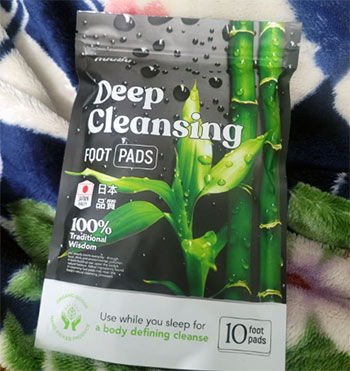
Nuubu is certainly the most advertised foot pad on the market right now, but it is not the only player in the game. It is important to compare it with other options to see if you are getting the best value.
- Kinoki Detox Foot Pads: This is the brand that started the craze back in the early 2000s and is infamous for its infomercials. Comparison: Kinoki is generally much cheaper than Nuubu and can be found in discount stores or online marketplaces in bulk. However, the quality of the adhesive in Kinoki pads is notoriously poor; they often fall off during the night or leave a glue residue that is impossible to remove. Nuubu uses a higher quality, more breathable adhesive cloth that tends to stay in place better. Kinoki’s reputation was severely damaged by FTC lawsuits regarding false claims, whereas Nuubu markets itself slightly more carefully as a “wellness” product. If you want the cheapest possible experiment, Kinoki works, but Nuubu offers a less frustrating user experience.
- Dr. Scholl’s / Drugstore Foot Pads: While Dr. Scholl’s doesn’t make a direct “detox” pad, they offer various cushioning and medicated pads. Comparison: It is crucial not to confuse medical-grade foot care with detox pads. Brands like Dr. Scholl’s focus on mechanical issues like corns, calluses, or odor control using proven ingredients like salicylic acid or charcoal. Nuubu is purely for the “detox” experience and does not treat foot conditions. If you have actual foot pain or fungal issues, a pharmacy brand is superior. If you are looking for the specific vinegar-sweat reaction, you won’t find it in the standard foot care aisle; you have to go with a niche brand like Nuubu.
- BodyPure / Takara Foot Patches: These are often considered the “premium” or original Japanese versions of the foot pad concept. Comparison: BodyPure often claims to have a higher percentage of tourmaline and higher grade bamboo vinegar than the mass-market brands. They are typically more expensive than Nuubu and target a more hardcore holistic health demographic. Nuubu sits in the middle ground—it is more accessible and user-friendly than the niche Japanese imports, but better quality than the cheap knock-offs. Nuubu’s packaging and marketing are much more modern and English-friendly compared to Takara, which can sometimes have untranslated packaging. If you are a purist, you might prefer BodyPure, but for the average user, Nuubu is more approachable.
Also Read: My Thoughts On Bandoo Foot Pads
Frequently Asked Questions (FAQ)
From a strictly medical and scientific perspective, there is no evidence that foot pads remove toxins from the body. The liver and kidneys are the only organs capable of filtering blood and removing toxins. However, many users report feeling relaxed and sleeping better, which may be due to the placebo effect or the warming sensation of the pads stimulating foot nerves.
You should wear the pads for approximately 6 to 8 hours, which is why applying them right before bed is recommended. Wearing them for shorter periods may not allow enough time for the vinegar powder to react with your sweat and turn black. Do not wear them for longer than 10 hours, as the moisture trapped against your skin can start to cause maceration or irritation.
The color change is primarily a chemical reaction between the wood vinegar powder in the pad and the moisture (sweat) from your feet. It is not necessarily “toxins” turning the pad black; you can achieve the same effect by holding the pad over steam or wetting it with water. The company claims the darkness correlates to the toxin level, but this is a marketing claim rather than a scientific fact.
No, Nuubu foot pads are strictly single-use only. Once the powder inside has reacted with moisture and hardened, it cannot be used again. Reusing a damp, dirty pad would also be unhygienic and could introduce bacteria to your skin, so you must throw them away every morning.
Conclusion
Nuubu Foot Pads exist in a gray area between ancient holistic wisdom and modern marketing genius. If you are looking for a scientifically proven medical treatment to detoxify your liver or cure a disease, this product is not for you, and you should save your money. The science simply does not support the idea that toxins can be sucked out through the feet in significant quantities.
However, if you are looking for a visible, engaging, and relaxing wellness ritual that forces you to prioritize sleep and self-care, Nuubu can be a fun experiment. The placebo effect is a powerful thing, and if waking up to a black pad makes you feel cleaner and lighter, that psychological boost has value. Ultimately, Nuubu is worth trying if you approach it with realistic expectations: view it as a spa-like treat for your feet rather than a medical miracle.