
Bringing a new puppy home is a whirlwind of joy, sleepless nights, and endless decisions, with one of the most critical being what to put in their bowl. You want to give them the best start possible, ensuring strong bones and a healthy immune system, but the pet food aisle is a confusing landscape of flashy marketing and contradictory advice. You have likely heard the name “NutriSource” whispered in dog park circles or recommended by local breeders as a “hidden gem” that solves digestive issues and creates shiny coats.
In this comprehensive review, I am going to analyze NutriSource Puppy Food from top to bottom, looking past the family-owned marketing to see if the ingredients justify the price tag. I will break down the nutritional value, the “Good 4 Life” supplement system, and how it really compares to the giants like Purina and Blue Buffalo. My goal is to help you cut through the noise and decide if this Minnesota-made kibble is the right fuel for your growing companion or just another expensive bag of potential disappointment.
My Experience With NutriSource Puppy Food
I first discovered NutriSource Puppy Food when I brought home a Golden Retriever mix named Cooper. Cooper was the definition of a “sensitive stomach” puppy. I started him on a very popular, big-box store brand that the shelter had recommended, but within days, we were dealing with the dreaded “puppy pudding” stools. It was messy, frequent, and he seemed gassy and uncomfortable after every meal. I tried switching to a bland diet of chicken and rice, which helped temporarily, but I knew he needed a balanced kibble for long-term growth.
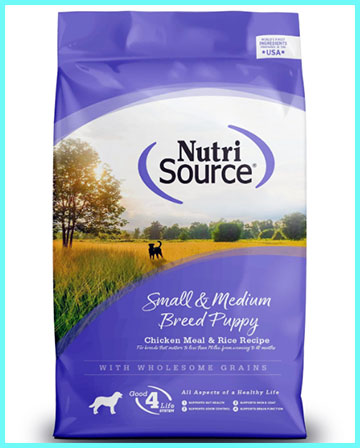
A trainer at my local puppy kindergarten suggested NutriSource, specifically mentioning their focus on gut health.
I was skeptical because I hadn’t seen it in the major grocery stores, but I found a bag of the “Large Breed Puppy Chicken & Rice” formula at a local feed supply shop.
The bag felt dense, and the price was mid-range—more than Pedigree, but less than the ultra-premium raw-coated brands.
When I opened the bag, the first thing I noticed was the smell.
It didn’t have that stale, dusty grain odor that some cheaper foods have; it smelled meaty and slightly savory.
The kibble size was appropriate—not too big, but substantial enough that Cooper actually had to chew it rather than inhaling it whole. I started the transition slowly over a week, mixing it with his old food.
By day four, the difference was undeniable. The gas had completely stopped, which was a blessing for everyone in the house. But the biggest change was in the backyard. His stools became firm, smaller, and much easier to pick up. It sounds like a strange thing to rave about, but any puppy parent knows that reliable digestion is a game-changer. His energy levels remained high, but he didn’t have that frantic, sugar-crash energy he seemed to have on the corn-heavy food.
Over the next few months, I noticed his coat getting incredibly soft and shiny. People at the park would ask what conditioner I used, and I honestly wasn’t using any. I attributed it to the high fat content and the proprietary mineral blends NutriSource advertises. One minor annoyance was finding the food; I couldn’t just grab it during a midnight Walmart run. I had to plan my trips to the specialty pet store or order online, which required a bit more organization on my part.
Overall, my experience was overwhelmingly positive. It felt like a “fixer” food that corrected his digestive issues without requiring a prescription diet. It bridged the gap between basic nutrition and high-end performance food, providing a stable foundation for his critical growth months.
Read More: My Thoughts on Heart to Tail Dog Food
Pros Of NutriSource Puppy Food
When analyzing NutriSource against the sea of competitors, several distinct advantages make it a favorite among breeders and knowledgeable pet owners. Here are the specific benefits that set this brand apart.
- Proprietary Good 4 Life System For Gut Health: The standout feature of every NutriSource bag is their trademarked “Good 4 Life” system. This isn’t just marketing fluff; it is a specific blend of four key ingredients: Bioplex, Sel-Plex, prebiotics, and probiotics. The prebiotics (Bio-Mos) work to clear out bad bacteria in the gut, while the probiotics replenish the good bacteria, creating a very stable digestive environment. This is why so many people, myself included, see such a rapid improvement in stool quality. Furthermore, the chelated minerals (Bioplex) are designed to be easily absorbed by the dog’s body, meaning more of the nutrition stays in the puppy and less ends up on the lawn. For a growing puppy whose immune system is primarily housed in the gut, this focus on digestion is a massive health benefit.
- High Nutrient Density Means Less Volume: One of the hidden financial benefits of NutriSource is that it is incredibly calorie and nutrient-dense. Because the first ingredients are typically meat meals (which have water removed and are higher in protein than fresh meat), you don’t need to feed as many cups per day to meet your puppy’s caloric needs. While a cheaper bag might require you to feed 4 cups a day, you might only need 2.5 cups of NutriSource for the same dog. This means a single bag lasts significantly longer than you expect, lowering the “cost per day” to be competitive with cheaper brands. It also puts less strain on the puppy’s stomach, as they don’t have to digest a massive volume of filler to get the nutrients they need.
- Safety And Quality Control Reputation: NutriSource is owned by KLN Family Brands, a family-owned company based in Perham, Minnesota. In an industry plagued by massive recalls and safety scares from giant conglomerates, NutriSource has maintained a comparatively pristine safety record. They manufacture their own kibble in their own facility, which gives them total control over the process, unlike many “boutique” brands that outsource production to third-party plants. This “farm-to-bowl” accountability provides immense peace of mind. They also mill their own grains and test ingredients extensively for toxins before they ever enter the mix. Knowing exactly where the food comes from and that a real family is behind the brand adds a layer of trust that is hard to put a price on.
- Tailored Options For Breed Sizes: NutriSource understands that a Chihuahua puppy and a Great Dane puppy have vastly different physiological needs. They offer specific “Small & Medium Breed” formulas and “Large Breed” formulas that are chemically different, not just different kibble sizes. The Large Breed formula, for example, has controlled calcium and phosphorus levels to prevent rapid bone growth that can lead to joint issues like hip dysplasia. The Small Breed formula is packed with more calories and fat to prevent hypoglycemia in tiny pups with fast metabolisms. This specificity ensures you aren’t accidentally harming your dog’s development by feeding a generic “all sizes” puppy food that might be too rich or too lean for their specific genetics.
Cons Of NutriSource Puppy Food
Despite the glowing reviews and digestive benefits, NutriSource is not a perfect product. There are valid criticisms and limitations that you need to consider before committing to this brand.
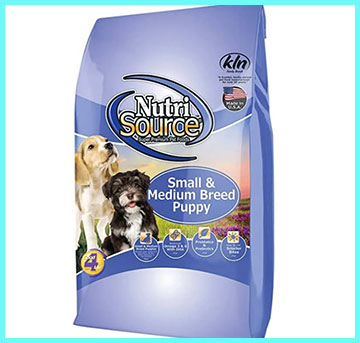
- Heavy Reliance On “Meal” Ingredients: If you look at the ingredient label, you will see “Chicken Meal” or “Turkey Meal” listed first, rather than “Deboned Chicken.” While meat meals are nutrient-dense, some pet owners prefer to see whole, fresh meats as the primary ingredient. There is a perception among some “fresh food” advocates that meals are less natural or more processed than fresh cuts. While NutriSource uses high-quality meals with low ash content, the label doesn’t look as “chef-inspired” as brands like Orijen or Acana that boast about fresh meat inclusions. If you are strictly looking for a fresh-meat-first diet, NutriSource’s traditional approach might feel a bit old-school or industrial to you.
- Limited Availability In Standard Grocery Stores: You generally cannot find NutriSource at Target, Walmart, or standard grocery chains. It is sold almost exclusively through independent pet specialty retailers, feed stores, and select online vendors. This can be a significant inconvenience if you run out of food on a Sunday evening and your local boutique pet store is closed. It requires you to be proactive about your inventory. While ordering online is easier now than ever, you don’t have the safety net of being able to grab a bag anywhere during an emergency. This exclusivity protects the brand’s quality but adds a layer of friction for the average consumer.
- Price Point Is Higher Than Market Average: While it offers good value per cup, the upfront cost of a bag is undeniably higher than Purina One or IAMS. For a large breed owner who goes through 30 pounds of food a month, the price difference can add up to hundreds of dollars a year. It sits in a “premium” price bracket that might stretch the budget of some families. You are paying for the probiotics, the USA manufacturing, and the quality ingredients, but for a budget-conscious owner, the sticker shock at the register is real. Coupons and sales are also less frequent than they are for the massive commercial brands.
- Grain-Free Controversy Concerns: NutriSource offers both grain-inclusive and grain-free lines, and this can be confusing for new owners. Since the FDA investigation into Dilated Cardiomyopathy (DCM) and its potential link to grain-free boutique diets (specifically those high in peas and lentils), many vets are wary of smaller brands. While NutriSource has addressed this by adding taurine to their grain-free recipes and emphasizing their grain-inclusive lines, the association with “boutique” grain-free trends still worries some cautious owners. If you choose the grain-free puppy option, you might face pushback from your veterinarian who prefers the big “science” brands. It is crucial to choose the grain-inclusive (Rice/Oatmeal) formulas if you want to avoid this concern entirely.
Maintenance Tips For NutriSource Puppy Food
Feeding a high-quality, dense kibble like NutriSource requires a slightly different approach than feeding a generic filler-heavy food. Here are tips to ensure you get the best results.
- Strict Adherence To Feeding Guidelines: Because NutriSource is so calorie-dense (often over 400 kcal per cup), it is very easy to overfeed. A puppy looking at a small bowl of NutriSource might act like they are starving because the volume looks smaller than they are used to. Do not give in to those puppy eyes. Overfeeding a puppy, especially a large breed, can lead to rapid growth spurts that damage joints and skeletal structure. Use a standard measuring cup—not a random coffee mug—to measure the exact amount recommended on the bag for your puppy’s current weight, and adjust weekly as they grow. If your puppy starts looking a bit round or loses their waistline, cut back slightly; the guidelines are just averages, not laws.
- Proper Storage To Protect Probiotics: The “Good 4 Life” system relies on active probiotics that are coated onto the kibble after cooking. These beneficial bacteria can be sensitive to heat, moisture, and air. Do not pour the food into a plastic bin and throw away the bag. The original bag is designed with barrier layers to keep oils fresh and protect the nutrients. Keep the kibble inside the original bag, and place the whole bag inside your storage container. Store it in a cool, dry place—never in a hot garage or a humid laundry room—to ensure the probiotics remain active until the last scoop.
- Transition Slowly To Avoid Detox Effects: Even though NutriSource is designed for gut health, switching cold turkey can shock a puppy’s system. Because the food has higher fat and protein levels than many shelter foods, a sudden switch can cause loose stool. Follow a “7-Day Switch” rule: Day 1-2 feed 25% NutriSource, Day 3-4 feed 50%, Day 5-6 feed 75%, and Day 7 feed 100%. This allows the gut microbiome to adjust to the new nutrient profile. If you see soft stool at any point, pause the transition and stay at that percentage for another day or two until things firm up.
- Hydration Is Key With Dense Kibble: Since the food is dry and nutrient-packed, your puppy will need plenty of water to process the proteins and minerals. Ensure fresh water is available at all times. You can also add a splash of warm water or bone broth to the kibble right before serving. This not only releases the meaty aroma (making it even more appetizing) but also helps with hydration and digestion. However, do not soak the food for hours beforehand, as this can cause the probiotics on the surface to break down before they reach the puppy’s gut. Just add water, swirl, and serve immediately.
Comparison with Other Brands
To understand where NutriSource fits in the market, it helps to compare it directly with the brands you are likely seeing on the shelf next to it. Here is how it stacks up against three major competitors.
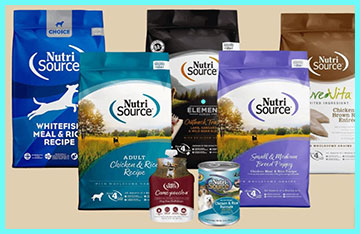
- Purina Pro Plan Puppy: This is the most common recommendation from veterinarians and the direct rival in terms of performance. Comparison: Purina Pro Plan is backed by massive amounts of clinical research and feeding trials. However, Pro Plan formulas often include corn gluten meal, wheat, and poultry by-product meals, which some owners try to avoid. NutriSource avoids corn, wheat, and soy in all formulas, offering a “cleaner” label for those avoiding common allergens. Pro Plan is available everywhere, whereas NutriSource is harder to find. If you want the absolute safest, vet-backed “science” choice, Pro Plan wins. If you want a formula that is easier on sensitive stomachs with fewer fillers and better ingredients, NutriSource is the superior choice.
- Blue Buffalo Life Protection Puppy: Blue Buffalo is the marketing giant that popularized “natural” pet food. Comparison: Blue Buffalo is famous for its “LifeSource Bits”—those dark, round kibbles mixed in with the food. Many puppies actually pick these out and spit them on the floor, wasting the nutrients. NutriSource cooks their supplements directly into/onto the kibble, ensuring the dog actually eats them. Blue Buffalo has a history of significantly more recalls than NutriSource. While Blue Buffalo is easier to find and often on sale, NutriSource offers a more consistent product with a better safety track record. NutriSource is generally considered a step up in quality control from Blue Buffalo.
- Hill’s Science Diet Puppy: Hill’s is the other major veterinary heavyweight, known for prescription diets. Comparison: Hill’s Science Diet is very grain-heavy, often using wheat and corn as primary energy sources. Their protein content is typically lower than NutriSource. NutriSource offers higher meat inclusion and higher fat, which is often better for growing puppies who need massive amounts of energy. Hill’s is excellent for dogs with specific medical conditions, but for a healthy, growing puppy, NutriSource provides a more biologically appropriate diet with more animal protein. NutriSource feels more like “food” whereas Hill’s feels more like “feed.” However, Hill’s has the same ubiquity and vet trust as Purina.
Read More: My Thoughts on Go! Solutions Dog Food
Frequently Asked Questions (FAQ)
Yes, specifically the “Large Breed Puppy” formula. This formula is distinct because it has lower calories and fat than the small breed version, and most importantly, it has a precisely controlled calcium-to-phosphorus ratio. This control is critical for preventing orthopedic diseases like hip dysplasia in breeds like Golden Retrievers, Labs, and German Shepherds.
NutriSource has not been heavily implicated in the FDA’s DCM investigation compared to brands like Acana or Zignature. However, the concern generally revolves around “grain-free” diets high in peas and lentils. NutriSource offers “grain-inclusive” lines (with rice, oatmeal, and barley) which are generally considered safe from these concerns. If you are worried about DCM, simply choose their Chicken & Rice or Beef & Rice puppy formulas rather than the grain-free options.
You should feed the puppy formula until your dog reaches skeletal maturity. For small breeds, this is usually around 10-12 months. For large breeds, you should keep them on the Large Breed Puppy food for at least 15 to 18 months. Switching to adult food too early can deprive them of the nutrients needed to finish building their bones.
“Better” is subjective. Purina Pro Plan has more scientific backing and is better for owners who trust clinical trials and vet consensus. NutriSource is “better” for owners who prioritize ingredient quality, want to avoid corn/wheat/soy, and support a family-owned business with a cleaner safety record. NutriSource is often better for dogs with sensitive stomachs due to its specific probiotic system.
Conclusion
NutriSource Puppy Food occupies a sweet spot in the dog food market: it offers the “clean” ingredients of a boutique brand with the safety and nutritional knowledge of a heritage manufacturer. It is not the cheapest option on the shelf, nor is it the most expensive raw-infused luxury kibble, but it provides exceptional value for the quality it delivers. The “Good 4 Life” system is a legitimate solution for puppies with digestive issues, turning loose stools into healthy ones and ensuring your new family member absorbs every bit of nutrition.
If you are looking for a safe, reliable, and tummy-friendly food that supports a family-owned American business, NutriSource is an outstanding choice. While you might have to drive a bit further to a specialty store to find it, the shiny coat and happy, gas-free puppy waiting for you at home will make that extra trip well worth it.