
I’ve been a parent navigating the world of baby essentials for years now, and if there’s one thing that sparked endless trial and error in our house, it’s choosing the right pacifier. This article shares my personal take on NUK vs MAM pacifier: which one truly stands out as better for soothing a fussy baby while supporting healthy development. I’ll break down key features, share honest pros and cons from real use, and help you decide what might work best for your little one.
A Brief Comparison Table Nuk Vs Mam
| Feature | NUK Pacifier | MAM Pacifier |
| Nipple Shape | Asymmetrical (orthodontic, flat bottom, rounded top) | Symmetrical (no right side up) |
| Material Options | Silicone or latex | Mostly silicone |
| Shield Design | Heart-shaped, curved to fit under nose | Butterfly-shaped, skin-friendly with ventilation holes |
| Oral Development Claim | Promotes natural jaw/tongue positioning | Developed with dentists for jaw/teeth support |
| Ease Of Acceptance | Stays in mouth well for many babies | High acceptance rate, lightweight |
| Cleaning/Sterilizing | Dishwasher-safe, easy boil | Sterilizer-compatible, quick air-dry |
| Best For | Babies who need firm hold, orthodontic focus | Newborns/breastfed, sensitive skin |
| Durability | Strong in bite tests | Lightweight but sturdy |
| Price Range (per pack) | Affordable mid-range | Slightly higher but often in sets |
I started with both brands because every baby is different, and what one loves, the next might spit out immediately. My journey began when our firstborn refused almost everything until we tried these two heavy hitters. NUK caught my eye first with its unique shape that mimics natural sucking, while MAM won me over later with its super-soft feel and thoughtful design for tiny mouths.
My Experience With Nuk
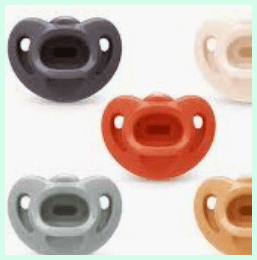
When I first introduced the NUK pacifier to our baby around 2 weeks old, I was skeptical about the asymmetrical nipple everyone raved about.
The flat bottom and rounded top felt odd at first glance, but once our little one latched on, it stayed put better than anything else we tried.
Unlike rounder options that popped out constantly during naps, this one held firm even when baby moved around.
The heart-shaped shield curved nicely under the nose without pressing too hard on those delicate cheeks.
We went through the classic orthodontic version first, then tried the comfy silicone one-piece design, which felt gentler on gums during teething phases.
Cleaning was straightforward—I tossed them in the dishwasher daily without issues, and they held up well after months of heavy use.
What surprised me most was how well it supported oral habits. Our pediatric dentist mentioned that the shape encourages proper tongue placement, which aligned with what I read about preventing future alignment problems.
Our baby took to it quickly during car rides and bedtime routines, reducing fussiness almost instantly. There were nights when it was the only thing that settled midnight wake-ups.
Over time, I noticed the material resisted wear better than expected. No cracks or discoloration even after repeated boiling. The variety in sizes (0-6 months, 6-18, etc.) made transitioning easy as baby grew. I appreciated that NUK offered glow-in-the-dark versions for late-night grabs, though we stuck with standard ones.
In tougher moments, like when baby started exploring with hands and pulling it out repeatedly, the firm nipple helped it stay longer.
It wasn’t perfect—some days baby preferred thumb over anything—but when a pacifier was needed, NUK delivered reliable soothing. Looking back, it became our go-to for active, wiggly phases.
Also read: Comparison of Element And Liquid
Pros Of Nuk
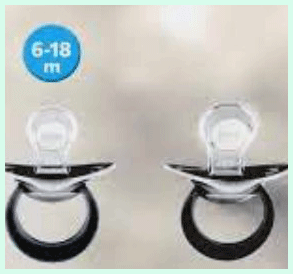
- Asymmetrical nipple promotes healthy oral development: The unique flat-on-bottom, rounded-on-top design mimics natural breastfeeding shape, allowing better tongue movement and supporting jaw alignment from early months.
- Stays in mouth exceptionally well: Many parents, including me, notice fewer pop-outs compared to symmetrical styles, which helps during sleep or play when baby is moving a lot.
- Heart-shaped shield fits comfortably: It contours under the nose without blocking airflow or irritating skin, reducing red marks on cheeks even after long use.
- Durable material holds up to heavy use: Silicone versions resist biting and tearing, making them last through multiple babies or intense teething periods without quick degradation.
- Wide size range for growing babies: Clear age-specific options (newborn up to toddler) ensure the right fit as jaw and mouth develop, avoiding the need for frequent replacements.
- Easy to clean and sterilize: Dishwasher-safe and boilable without losing shape or color, which saves time for busy parents handling daily sanitizing.
- BPA-free and safe materials: Consistent quality control means peace of mind regarding chemicals, with strong performance in independent durability tests.
- Variety of styles including one-piece designs: Reduces risk of parts coming loose, ideal for safety-conscious families.
- Often recommended by dentists for orthodontic benefits: The shape distributes pressure evenly across palate, potentially lowering risks of dental issues with prolonged use.
- Affordable pricing for value: Packs offer good quantity without breaking the bank, especially when buying in bulk for backups.
Cons Of Nuk
- Asymmetrical shape can take time for some babies to accept: If your little one prefers a completely round nipple, the distinct top/bottom difference might lead to initial rejection or fussing.
- Feels firmer than ultra-soft options: The orthodontic design prioritizes structure over plushness, so sensitive babies might find it less comforting initially compared to softer brands.
- Shield ventilation is basic: While functional, it doesn’t have as many airflow holes as some competitors, which can occasionally trap moisture if not dried properly.
- Limited glow or night features in basic lines: Not all models glow, so finding one in the dark requires extras like clips with lights.
- Can leave slight imprints on cheeks during extended use: The heart shape presses in certain positions, though rarely severe.
- Latex versions may cause allergies in rare cases: Silicone is safer for most, but availability of natural rubber options requires checking labels carefully.
- Design less “cute” for some parents: Functional over flashy aesthetics means fewer themed patterns compared to other brands.
- Occasional reports of faster nipple wear in aggressive suckers: Heavy biters might flatten the tip sooner, though this varies by baby.
Maintenance Tips For Nuk
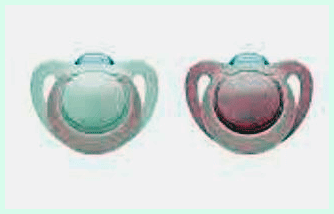
- Sterilize before first use and regularly: Boil for 5 minutes or use a steam sterilizer to eliminate bacteria, especially in the early months when immunity is low.
- Inspect daily for wear: Check the nipple for cracks, tears, or bite marks—replace immediately if any damage appears to prevent choking hazards.
- Clean after every use: Rinse with warm soapy water, then dishwasher on top rack or hand-wash to remove milk residue and prevent odors.
- Air dry completely: Place on a clean rack away from direct heat to avoid warping the silicone or shield.
- Store in a dry, dust-free case: Use the provided hygienic case or a dedicated container to keep pacifiers clean between uses.
- Avoid microwave sterilization unless specified: Stick to boiling or approved methods to preserve material integrity.
- Replace every 1-2 months: Even with good care, nipples wear down from sucking and teething—follow age guidelines for size upgrades too.
- Use clips to prevent drops: Attach a pacifier clip to reduce floor contact and the need for constant cleaning.
- Wash hands before handling: Simple hygiene step that cuts down on germ transfer during insertion.
My Experience With Mam
Switching to MAM felt like a breath of fresh air after NUK’s structured feel. The symmetrical nipple—no right or wrong side up—made insertion effortless, even in the dark or when baby was half-asleep. Our second child took to it immediately at newborn stage, especially during breastfeeding transitions when confusion was common.
The lightweight shield with ventilation holes kept skin dry and irritation-free, a huge plus for our sensitive-skinned baby who got rashes from bulkier designs. The ultra-soft silicone nipple was gentle on emerging teeth, and the one-piece construction meant no tiny parts to worry about.
Sterilizing was a breeze with their compatible boxes that double as holders. I loved the glow versions for nighttime soothing without turning on lights. Acceptance rate was high—fewer refusals meant less stress during fussy evenings.
As baby grew, the size progression felt seamless, and the orthodontic claim (developed with dentists) gave reassurance about jaw support. It didn’t stay in quite as stubbornly as NUK during active play, but for calm soothing, it excelled.
Pros Of Mam
- Symmetrical nipple for fuss-free use: No need to flip it right-side up, making it quick and easy for parents and baby during sleepy moments.
- Ultra-lightweight design reduces pressure: Feels barely there on tiny faces, ideal for prolonged use without marks or discomfort.
- Excellent ventilation on shield prevents moisture buildup: Holes allow airflow, keeping skin drier and lowering rash risks even in warm weather.
- Soft silicone nipple gentle on gums: Provides soothing without firmness that might bother sensitive babies during teething.
- High acceptance among newborns: Many babies latch on quickly, especially breastfed ones, due to the natural-like flexibility.
- Dentist-developed orthodontic shape: Supports healthy jaw and teeth positioning with even pressure distribution.
- One-piece construction enhances safety: Eliminates small parts that could detach, perfect for peace of mind.
- Sterilizer-friendly and quick-drying: Special boxes make sanitizing simple, and air circulation speeds drying.
- Variety of cute, matte finishes: Appealing designs without being overwhelming, plus glow options for night use.
- BPA-free with skin-friendly shield: Curved edges avoid pressing into cheeks harshly.
Cons Of Mam
- May not stay in as securely for active babies: Lighter design can lead to more pop-outs during movement compared to firmer options.
- Slightly higher price point: Often costs more per pack, especially for themed or glow versions.
- Shield can feel larger on very tiny newborns: Though lightweight, the size occasionally overwhelms smaller faces initially.
- Less emphasis on firm hold: Prioritizes comfort over maximum retention, which might frustrate parents needing longer-lasting soothing.
- Occasional reports of faster softening: Aggressive suckers may wear the nipple tip sooner in some cases.
- Fewer latex options: Mostly silicone-focused, limiting choices for those preferring natural feel.
- Designs sometimes too subtle: Matte finishes look clean but lack bold patterns some parents enjoy.
Maintenance Tips For Mam
- Use the sterilizer box for convenience: Pop in microwave with water as directed for fast, effective sanitizing without extra tools.
- Check nipple integrity weekly: Look for thinning or tears from sucking—replace as needed for safety.
- Rinse and wash after each drop: Quick soap and water scrub prevents buildup, followed by thorough rinse.
- Air dry upright: Use ventilation holes to speed drying and avoid trapped water.
- Store in hygienic case: Keep clean and protected from dust when not in use.
- Boil as backup method: Safe alternative if no sterilizer, but limit to avoid over-softening.
- Rotate multiple pacifiers: Prevents overuse on one, extending lifespan.
- Avoid direct sunlight long-term: Prevents material fading or weakening.
- Clean shield holes carefully: Use soft brush if needed to clear any residue.
Read more: Comparison of Chicco Bravo And Corso
Comparison With Other Brands
- Vs Philips Avent Soothie: NUK offers better orthodontic shaping while Soothie wins for ultra-simplicity and one-piece hospital-grade durability, though it lacks contouring shield.
- Vs Tommee Tippee: NUK edges out in mouth retention due to asymmetry, whereas Tommee Tippee provides softer silicone and more decorative options but may pop out easier.
- Vs Chicco Physio: Both focus on oral health, but NUK’s heart shield feels less bulky; Chicco has rounded symmetry that some babies accept faster.
- Vs Dr. Brown’s: NUK stands stronger in independent bite tests for longevity, while Dr. Brown’s emphasizes airflow and sensitive skin with extra ventilation.
- Vs Bibs: NUK prioritizes developmental shape over natural rubber aesthetics; Bibs appeal more to eco-conscious parents but can be pricier.
- Vs Nanobébé: NUK matches in safety standards, but Nanobébé focuses on anti-colic features in bottles more than pacifiers.
- Vs generic store brands: NUK consistently outperforms in material quality and design longevity, justifying the slight cost increase.
Frequently Asked Questions (FAQ)
It depends on your baby—MAM often wins for newborns with its symmetrical, lightweight comfort, while NUK stands out for better mouth retention and orthodontic shape.
No single best exists since babies vary, but NUK and MAM rank among top choices for safety, design, and parent feedback.
Yes, many dentists and parents recommend NUK for its asymmetrical orthodontic design that supports healthy oral development.
Conclusion: For Both Products
After trying both extensively, I can say neither is universally “better”—it comes down to your baby’s preferences and your priorities. If you want something that stays put and focuses on jaw alignment, go with NUK. For effortless acceptance, gentle feel, and skin-friendly design, MAM often feels like the winner. Try a small pack of each and see what your little one reaches for. You’ve got this—parenting is full of these little experiments, and finding the right pacifier brings such relief. Trust your instincts, and enjoy those calmer moments.