
You need this product if you are a runner, powerlifter, or endurance athlete who constantly battles tight hip flexors, glutes, or IT bands and feels that standard leg boots just don’t reach high enough. The Normatec Hip Attachment solves the problem of “missing the spot” by delivering targeted, dynamic air compression specifically to the lower back and pelvic region.
If you want to flush out metabolic waste from your core and hips after a heavy squat session or a long run, this is the upgrade your recovery station needs. Let’s see if it’s a game-changer or if you’re better off with a foam roller.
My Experience With Normatec Hip Attachment
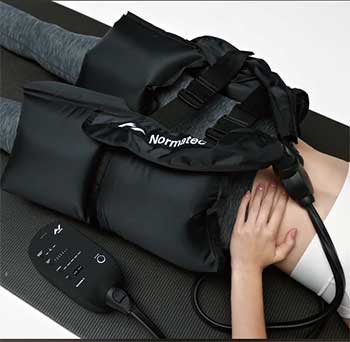
I have been a loyal user of the Normatec leg boots for years. They are my go-to after long runs or days when my legs feel like lead.
However, as someone who also incorporates heavy compound lifts like squats and deadlifts into my routine, I started noticing a gap in my recovery.
My calves and quads felt great, but my hips, glutes, and lower back remained stiff and achy.
The leg boots simply stopped too low to address the deep tightness in my hip flexors and glutes.
That is why I decided to invest in the Normatec Hip Attachment.
When I first unboxed it, the quality was immediately apparent—it uses the same durable, premium nylon material as the leg attachments. Setting it up was straightforward since it plugs directly into the same control unit I already own. However, putting it on is a bit of a dance.
Unlike the leg boots where you just slide in and zip up, the hip attachment is like stepping into a pair of very sturdy, high-tech shorts. You have to step in, pull them up over your waist, and then secure the heavy-duty buckles. It felt a bit awkward at first, almost like putting on a climbing harness or a heavily padded diaper, but once secured, it felt locked in.
The sensation is distinctly different from the legs. When I turned it on for a 30-minute session after a heavy leg day, the compression started at the top of my quads and rolled up through my hamstrings, glutes, and lower back. The “squeeze” on the hips is intense—in a good way. It feels like a very firm, circumferential hug that tightens and releases in a rhythmic wave. I immediately noticed relief in my IT bands, an area standard foam rolling is notoriously painful and often ineffective for.
One specific moment where it won me over was after a half-marathon training run. My lower back was seizing up, and my hip flexors felt short and tight. I strapped into the hip attachment, set the intensity to level 5, and let it run. The pulsing action didn’t just squash my muscles; it felt like it was actively mobilizing the fluid and tension out of my pelvic girdle. By the time the session ended, I had significantly more range of motion in my squat depth and the nagging ache in my lumbar spine had dulled considerably.
However, it is not a perfect experience. You cannot lounge quite as casually as you can with the leg boots. Because it compresses your waist and lower back, you need to sit in a way that allows the garment to inflate fully without pinching your stomach. I found that laying flat or reclining slightly was best. Also, the “fart squeezer” nickname you might see on forums?
It’s accurate. The compression can be… expulsive. But if you can get past the initial awkwardness of the fit and the time it takes to swap attachments, the relief it provides for specifically targetting the glute-hamstring tie-in is unmatched by any manual therapy I’ve tried at home.
Pros Of Normatec Hip Attachment
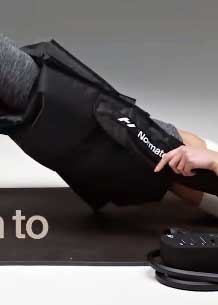
- Targeted Compression for Neglected Areas: The most significant advantage of this attachment is its ability to reach muscle groups that the standard leg boots completely miss. Most leg recovery systems stop at the upper thigh, leaving the glutes, hip flexors, tensor fasciae latae (TFL), and lower back untouched. For athletes who suffer from “runner’s hip,” sciatica tightness, or lower back fatigue from lifting, this attachment targets those specific zones with precision. It provides a comprehensive massage that connects the recovery of your lower limbs to your core, ensuring a more holistic flush of metabolic waste.
- Seamless Integration with Existing Units: If you already own a Normatec system (Pulse 2.0, Normatec 3, or virtually any recent control unit), this attachment is plug-and-play. You do not need to buy a separate motor or control device. It uses the exact same hose connector, meaning you can switch from legs to hips in seconds. This modularity makes it a cost-effective upgrade compared to buying a completely new recovery system for your back or hips. The control unit automatically recognizes the attachment (on newer models) or simply runs the cycle effectively, adjusting the zone pressure to suit the larger chambers of the hip garment.
- Superior “Biomimicry” Pulse Technology: Normatec distinguishes itself with its patented Pulse technology, and it really shines in the hip attachment. Instead of just squeezing your hips with static pressure (which can be dangerous or uncomfortable), it uses a dynamic pulsing pattern. It holds pressure to prevent backflow of fluids and then releases it to allow fresh blood to enter, mimicking the natural muscle pump of the body. This feels much more like a manual massage from a therapist’s hands rather than a blood pressure cuff tightening around your waist. The pulsing sensation is rhythmic and soothing, which aids in nervous system downregulation as much as physical recovery.
- Adjustable Fit for Various Body Types: One of the fears with a “shorts” style attachment is fit—will it fit a 34-inch waist the same as a 28-inch waist? The Normatec Hip Attachment features two heavy-duty adjustable buckles on the front that allow for a high degree of customization. You can cinch it tight for a smaller waist or loosen it for a broader build. This ensures that the compression chambers sit flush against the skin before inflation begins, which is crucial for effective therapy. The overlapping zones inside the fabric ensure that even if you adjust the size, there are no gaps in compression, preventing any “dead spots” in the massage.
- Durability and Build Quality: Just like the boots, the hip attachment is built to last. The nylon is thick, easy to clean, and resistant to tears or abrasions. The zippers and buckles are industrial grade, designed to withstand thousands of pressurization cycles. This is important because the hip area involves a lot of force and movement when you are getting in and out. You can feel confident that the seams won’t burst under high pressure (Level 7) and that the product will hold up to daily use in a home gym or even a clinical setting.
Read more: My Thoughts on Fitnus Knee Sleeve
Cons Of Normatec Hip Attachment
- Cumbersome to Put On and Take Off: Unlike the leg sleeves, which are as easy as pulling on pants, the hip attachment requires a bit more effort. You have to step into it, shimmy it up to the correct height, and then fiddle with the buckles to get the fit just right. If you are extremely tired after a workout, this extra friction can be a deterrent. Furthermore, because it is a single unit that wraps around your waist and thighs, walking around in it is virtually impossible (and you look ridiculous). You are effectively immobilized once you are strapped in, more so than with the leg boots where you might be able to hobble to the kitchen if absolutely necessary.
- The “Squeeze” Can Be Uncomfortable for Some: The sensation of having your pelvis and lower stomach compressed is not for everyone. Some users find the pressure on the bladder or stomach to be uncomfortable, especially if they have eaten recently. Unlike legs, where you can crank the pressure to max with little consequence, high pressure on the hips can feel restricting to your breathing or digestion. It takes some trial and error to find the “sweet spot” where the compression is therapeutic but not stifling. Additionally, as noted in many user reviews, the compression can inadvertently force out gas, which can be embarrassing if you are using the device in a shared space like a gym or recovery center.
- Price Point for an Accessory: While it is cheaper than a full system, the hip attachment alone is still a significant investment, typically retailing around $200-$250. For a product that is an “add-on,” this is steep. Many users struggle to justify the cost when they find they use the leg boots 90% of the time and the hips only 10% of the time. If you do not have specific hip or lower back issues, you might find that the “value per use” is lower than the leg attachments. It is a luxury addition to an already luxury product.
- Requires Swapping Hoses: This sounds minor, but it is a real friction point in daily use. If you want to do a full body flush (legs and hips), you have to do them sequentially, not simultaneously. You have to finish your leg session, take the boots off, unplug the hose, plug in the hip attachment, put the hip attachment on, and run a second session. This doubles your recovery time. You cannot treat legs and hips at the exact same time with a single control unit, which effectively turns a 30-minute recovery routine into an hour-long ordeal if you want to do both.
- Limited Portability Compared to Legs: The hip attachment folds down, but it is bulky. It is a large, somewhat rigid garment due to the overlapping chambers and buckles. If you are traveling with your Normatec system in a backpack or carry-on, the hip attachment takes up a considerable amount of space—almost as much as a pair of boots. For athletes on the go, it is often the first item cut from the packing list because of its size-to-usage ratio.
Maintenance Tips For Normatec Hip Attachment
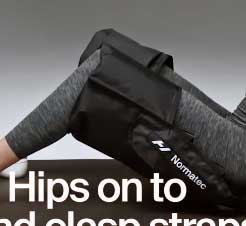
- Wipe Down After Every Use: Hygiene is critical, especially since this attachment covers the groin and lower back area where sweat accumulates. After every session, use a damp cloth or an antibacterial wipe to clean the interior fabric. Do not use harsh bleach or abrasive chemicals that could degrade the nylon coating. A simple wipe with a gentle disinfectant prevents odors from setting in and keeps the bacteria at bay. Ensure you get into the folds of the fabric where the zones overlap, as moisture can get trapped there.
- Store Unbuckled and Flat (If Possible): When you are done using the hip attachment, do not ball it up tightly or leave the buckles clicked shut under tension. Storing it with the buckles fastened can warp the straps over time or put unnecessary stress on the connection points. Ideally, lay it flat on a shelf or hang it up. If you must fold it, fold it loosely along the natural seams of the chambers. Avoid sharp creases that could damage the internal air bladders or the tubing connections.
- Check the Hose Connector Regularly: The connection point where the hose snaps into the hip attachment is the lifeline of the device. Inspect this plastic connector periodically for lint, dust, or debris. If the connection becomes clogged or dirty, the air pressure sensors in the control unit might give you an error or fail to inflate the garment properly. A quick blast of compressed air (like you use for a keyboard) can keep this port clean and ensure a secure, airtight “click” every time you plug in.
- Zipper and Buckle Care: While the hip attachment relies more on buckles than zippers (compared to the boots), the hardware is still subject to wear. Keep the buckles free of grit or sand, especially if you take your recovery system to outdoor events or beach volleyball tournaments. If a buckle becomes stiff, do not force it. Check for obstructions. Forcing a plastic buckle can cause it to snap, rendering the snug fit impossible. Treat the hardware with care, and it will last for the life of the product.
- Air Out Before Storing: After wiping the device down, do not immediately stuff it into a bag or drawer. Let it air dry completely. The nylon material is not breathable, so if you pack it away damp, it will develop a musty, mildew smell that is very difficult to remove. Leave it out in a well-ventilated room for 10-15 minutes after cleaning to ensure all moisture has evaporated from the surface and the straps.
Comparison with Other Brands
Normatec Hip Attachment vs. Rapid Reboot Hip Attachment
The Rapid Reboot hip attachment is the most direct competitor in terms of design and function. The biggest difference lies in the pressure capability. Rapid Reboot systems can reach up to 200 mmHg, whereas Normatec caps out at around 110 mmHg. If you are a size-zero bodybuilder who needs bone-crushing pressure to feel anything, Rapid Reboot might be the better choice. However, Normatec’s lower pressure is often argued to be safer and more effective for lymphatic drainage due to its superior pulsing cycle. Rapid Reboot acts more like a static squeeze, while Normatec feels like a wave. Price-wise, Rapid Reboot attachments are often slightly cheaper, but Normatec wins on build quality and the sophistication of the compression pattern.
Normatec Hip Attachment vs. Therabody RecoveryAir Pneumatic Shorts
Therabody (formerly RecoveryPump) takes a slightly different approach. While they have offered separate pants/shorts in the past, their newer focus is often on integrated systems or “compression pants” that cover the entire lower body from foot to waist. The Normatec Hip Attachment is a standalone accessory, meaning it focuses only on the hips/thighs/back. A full pant system from Therabody covers everything at once, which saves time but is significantly harder to put on and much more expensive. If you already have Normatec legs, buying just the hip attachment is far more economical than buying a full pair of Therabody compression pants. However, Therabody’s “JetBoots” (wireless) technology is superior for legs, but they don’t have a wireless hip equivalent yet; you still need a pump for the hips.
Normatec Hip Attachment vs. Air Relax Shorts
Air Relax is the budget king of the compression world. Their hip shorts perform a very similar function to Normatec’s but at a fraction of the price. The trade-off is in the customization and comfort. Air Relax shorts are known to be a bit stiffer and less anatomical in their fit. They squeeze hard, but they lack the refined “Zone Boost” features and the premium, soft-touch materials of the Normatec. If you are on a strict budget, Air Relax will get the job done (moving fluid), but the experience is less luxurious. Normatec’s overlapping zones ensure no pinching, whereas Air Relax can sometimes pinch skin between chambers if the fit isn’t perfect.
Normatec Hip Attachment vs. Foam Rolling/Massage Guns
This is the classic “active vs. passive” comparison. A massage gun (like a Hypervolt) or a foam roller allows for deep, precise work on a trigger point (like a knot in your glute). The Normatec Hip Attachment does not do this. It provides a flush, a general squeeze to move fluid and relax the nervous system. It will not work out a specific knot in your piriformis the way a lacrosse ball or massage gun will. However, foam rolling is painful and requires effort. Normatec is passive; you lay there and let it work. They are complementary tools. Use the foam roller to attack knots, then use the Normatec Hip Attachment to flush the tissue and relax the entire area.
Read more: My Thoughts on Good Belly Probiotics
Frequently Asked Questions (FAQ)
It is worth it if you specifically struggle with tightness in the upper quads, hamstrings, glutes, or lower back. If your main fatigue is in your calves and feet (like many runners), the standard boots are likely enough. The hip attachment is a luxury add-on that completes the system, but it is not “essential” for everyone. For powerlifters or those with sciatica-like symptoms, it can be very valuable.
You cannot use it without the control unit (the device with the screen and buttons), but you do not need to be wearing the leg boots to use the hips. You use the hips instead of the legs. You unplug the leg hose and plug in the hip hose. You generally cannot use both simultaneously with a single standard control unit.
It is designed as a “one size fits most” garment. The adjustable buckles and straps allow it to fit a wide range of waist sizes, typically from roughly 28 inches up to 50+ inches. The inflation fills the gaps, so even if you are smaller, the air pressure will ensure a tight squeeze. However, very petite users might find it feels bulky, and extremely large users might find the overlap of the zones is reduced.
Normatec is generally considered to have a better attachment design for the hips specifically due to the buckle system and overlapping zones. Therabody’s strength lies in their wireless leg boots. For a dedicated hip session, Normatec’s pulsing cycle is often preferred by users for feeling more “therapeutic” compared to Therabody’s faster, more rapid flush cycles.
Conclusion
The Normatec Hip Attachment is a powerful tool for completing your recovery toolkit. It fills the gap that leg boots leave behind, offering relief to the powerhouse muscles of the glutes, hips, and lower back. While it can be a bit awkward to put on and carries a premium price tag, the quality of the compression and the relief it brings to tight hip flexors is undeniable. If you are serious about total-body recovery and already own a Normatec system, this is the logical next step to upgrade your routine. Go buy this if you want to banish lower back stiffness and keep your hips mobile for your next big lift or run.