
If you have ever stood in a golf superstore staring at a wall of graphite shafts, completely baffled by the alphabet soup of “stiff,” “extra stiff,” “tour stiff,” and “firm,” you are not alone. For decades, the golf industry has made buying an aftermarket shaft feel like you need a degree in physics to get it right. You want more distance and tighter dispersion, but the fear of buying a $300 stick that makes your slice worse is real. That is where Newton Golf Shafts comes in, promising to disrupt the status quo with a simplified fitting system and a shaft that supposedly does the work for you.
In this review, I am going to break down the Newton Motion Driver Shaft to see if it lives up to the hype. We will look at its unique “Dot System” for flex, the polarizing iridescent paint job, and whether its “spineless” technology actually translates to straighter drives. Whether you are a senior golfer looking to regain lost yardage or a mid-handicapper trying to eliminate that destructive two-way miss, this guide will help you decide if Newton is the upgrade your driver needs.
My Experience With Newton Golf Shafts
I heard about the Newton Motion shaft the same way most people do: through the grapevine of frustrated golfers looking for “easy speed.” My swing speed hovers around 98 mph, putting me in that awkward grey area between a standard Regular and a Stiff flex. With most brands, a Regular feels like a wet noodle, but a Stiff feels like swinging a telephone pole. When I saw that Newton uses a “Dot System” based purely on swing speed rather than arbitrary flex names, I was intrigued.
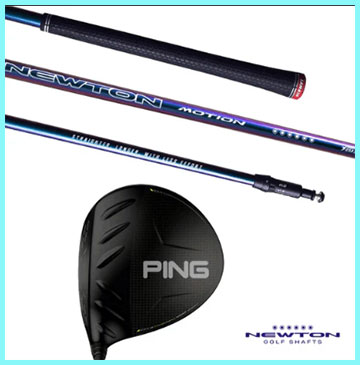
I ordered the “4-Dot” version, which is recommended for swing speeds between 95 and 105 mph.
One of the best parts of the ordering process was that the shaft arrived “ready to play.”
I didn’t have to go to a club builder to get it trimmed or have an adapter installed.
I simply selected my driver head (a Callaway Paradym) and the grip I wanted, and it arrived fully assembled.
Unboxing it was an experience in itself.
The “Kinetic Green” paint job is genuinely stunning, shifting between purple, green, and blue depending on how the light hits it.
It looks premium, albeit a bit flashy. If you prefer a murdered-out, matte black look, this might shock your system, but I personally loved the flair.
Taking it to the range, the first thing I noticed was the “feel.” It is distinctively different from the stock shafts I was used to. It feels incredibly smooth, almost fluid, throughout the swing. There is no harsh “kick” point that snaps at the bottom; instead, the whole shaft feels like it loads and unloads progressively.
On my first few swings, I was actually a bit unnerved. The shaft felt softer than the “Stiff” flexes I usually play, and I was worried I would lose control of the clubhead. But when I looked up, the ball was launching high and straight. I realized that I didn’t have to swing out of my shoes to get the ball moving. The “Motion” technology seemed to encourage a smoother tempo. When I tried to muscle it and swing at 110% effort, the results were erratic—the shaft didn’t seem to like aggressive, jerky transitions. But when I dialed it back to a smooth 90%, the ball just exploded off the face.
After three weeks of gaming it, my driving consistency improved noticeably. I wasn’t hitting 350-yard bombs, but my dispersion circle tightened up. The “spineless” technology they tout seems to have merit; the clubface felt stable and consistent at impact, provided I maintained that smooth tempo. It won’t fix a terrible swing path, but for me, it turned “playable rough” drives into “fairway” drives.
Read More: My Thoughts On Wilson Tour Velocity Golf Clubs
Pros Of Newton Golf Shafts
When evaluating the Newton Motion shaft, several features set it apart from the sea of competitors. It is not just about the paint job; the engineering philosophy here is genuinely consumer-friendly. Here are the specific benefits that make this shaft a strong contender.
- Simplified “Dot” Fitting System: The standout feature of Newton is how they have removed the ego and confusion from selecting a flex. Instead of guessing if you need a “Stiff” or “Regular,” you simply match your swing speed (or driving distance) to their 1-to-6 Dot chart. This creates a more accurate fit because “Stiff” varies wildly between manufacturers—a stiff in one brand might be a regular in another. By standardizing this based on physics (CPM and torque), Newton ensures you get a shaft that actually matches the force you apply to the club. It forces you to be honest about your game, which leads to better performance.
- Symmetry 360 “Spineless” Design: Most golf shafts have a “spine” or a weld line where the layers of carbon fiber overlap, creating an inconsistency in how the shaft bends depending on how it is rotated. Newton manufactures their shafts to be perfectly symmetrical 360 degrees around. This means no matter how you adjust your driver’s loft sleeve (rotating the shaft), the performance remains identical. You don’t need to pay extra for “Puring” or spine alignment services because the shaft is already perfectly balanced right out of the box. This consistency breeds confidence, knowing the equipment isn’t fighting you.
- Ready-To-Play Convenience: Buying an aftermarket shaft is usually a hassle involving separate purchases for the shaft, adapter, and grip, followed by a trip to a club builder. Newton ships the shaft fully assembled with the adapter for your specific driver head and a high-quality Lamkin grip already installed. You can literally take it out of the box, use your wrench to swap out your old shaft, and head straight to the first tee. This plug-and-play approach makes upgrading your driver accessible to golfers who aren’t gearheads or don’t live near a professional fitter. It saves you both time and the extra $30-$50 installation fee you would pay at a shop.
- Effortless Energy Transfer: The “Elongated Bend Profile” is designed to flex over the entire length of the shaft rather than at a single kick point. This helps the shaft store more energy during the backswing and release it efficiently at impact. For golfers with smoother tempos or those who struggle to load a stiff shaft, this provides a sensation of “easy power.” You don’t feel like you have to fight the shaft to get it to work; it feels like it is working with you. This often results in higher launch angles and increased carry distance for players who typically hit low bullets.
Cons Of Newton Golf Shafts
While the Newton shaft is an impressive piece of engineering, it is not a magic wand for every golfer. There are specific characteristics that might not mesh well with certain swing types or aesthetic preferences.
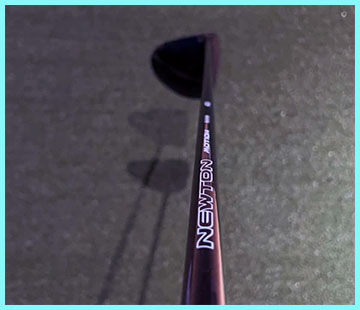
- Not Ideal For Aggressive Tempos: The smooth, fluid nature of the Newton Motion shaft is a dream for rhythmic swingers, but it can be a nightmare for “hitters.” If you have a very fast, violent transition at the top of your swing (think Jon Rahm or heavy hitters), the shaft can feel too “whippy” or unstable. The elongated bend profile can make the head feel like it is lagging too far behind for players who rely on a rigid, tip-stiff feeling to square the face. If you aggressively snap the club at the ball, you might find your dispersion widening as the shaft struggles to keep up with that sudden torque.
- Polarizing Aesthetic: There is no getting around it—the iridescent, color-shifting paint is loud. While many find the purple-to-green shift modern and cool, traditionalists who prefer the classic look of a matte black or grey shaft might find it distracting at address. It draws attention on the tee box, which is great if you are hitting it well, but less so if you are topping the ball. Currently, there are limited color options, so if you hate the “chameleon” look, you are out of luck.
- Premium Price Point: At roughly $250, the Newton shaft is significantly more expensive than many stock upgrades, though cheaper than ultra-premium options like AutoFlex. For the casual weekend warrior, dropping $250 on just a shaft (on top of a $600 driver) is a steep investment. It is a mid-tier price for a high-tier promise, but it is still a barrier for budget-conscious golfers. You have to be committed to keeping your current driver head for a while to justify the cost.
- Learning Curve For Feel: Because the bend profile is so different from traditional shafts, there is an adjustment period. The lack of a distinct “kick point” can make it difficult to time your release initially. I found myself hitting huge blocks to the right during my first session because I was waiting for a “snap” that never came. You have to trust the shaft and let it do the work, which requires a mental adjustment that can cost you strokes in the short term.
Maintenance Tips For Newton Golf Shafts
Graphite shafts are durable, but they are not indestructible. Since you are investing a significant amount of money into this piece of equipment, treating it with care will ensure it performs consistently for seasons to come.
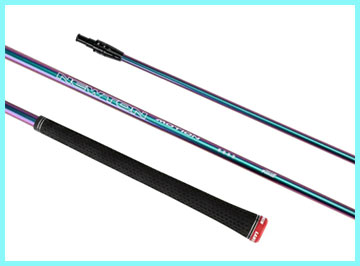
- Inspect The Adapter Screw Regularly: Since the Newton shaft comes with a pre-installed adapter, it is crucial to ensure it stays tight. Before every round, use your torque wrench to check the screw connecting the shaft to the driver head. The vibrations from hitting golf balls can loosen this connection over time. A loose head can lead to catastrophic failure, cracking the tip of the shaft or sending your driver head flying down the fairway. Listen for any rattling sounds when you tap the butt of the club on the ground; a rattle usually indicates a loose fit or epoxy failure.
- Protect The Finish: The beautiful iridescent paint is a coating, and like any paint, it can scratch. Avoid jamming your driver back into the bag aggressively where it can rub against alignment sticks or iron heads. When traveling, always use a stiff-arm protector in your travel bag to prevent the long driver shaft from snapping under pressure. The “bag chatter” won’t affect performance, but it will ruin that premium aesthetic that is a big part of the Newton appeal.
- Clean With Mild Soap Only: To keep the shaft looking new and to maintain a good grip, wipe it down occasionally. Use a damp cloth with a little mild dish soap to remove sweat, sunscreen, and dirt from the shaft and grip. Avoid using harsh solvents, acetone, or abrasive scrubbers on the shaft itself, as these can strip the clear coat and dull the color-shifting effect. Keeping the grip clean is especially important for the “light grip pressure” swing that this shaft encourages.
- Store In Temperature Controlled Environments: Graphite and epoxy resins can be sensitive to extreme temperatures. Do not leave your clubs in the trunk of your car during the freezing winter or the scorching summer heat. Extreme heat can weaken the epoxy bond that holds the adapter and grip in place, potentially causing the head to fly off during a swing. Store your clubs indoors at room temperature to maintain the structural integrity of the materials.
Comparison with Other Brands
The Newton Motion shaft occupies a unique middle ground in the market. It is not a cheap stock shaft, but it is also not a $1,000 exotic prototype. Here is how it stacks up against three major competitors.
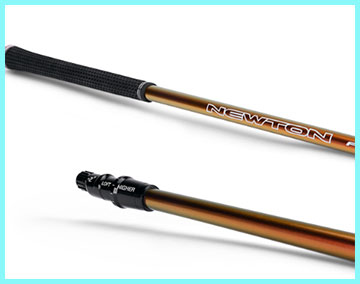
- AutoFlex (Dumina): AutoFlex famously disrupted the market with its “hidden technology” that allows slow swingers to use extremely light, flexible shafts without losing control. Comparison: AutoFlex is the direct inspiration for the “easy speed” category, but it costs nearly three times as much as a Newton (approx. $800 vs $250). While AutoFlex offers incredible distance gains for some, it is notoriously finicky; if you don’t swing it exactly right, it punishes you. Newton offers a similar “assistive” feel but with more stability and consistency for the average golfer. If you have unlimited budget and want to chase maximum yardage, AutoFlex might win, but Newton wins hands-down on value and reliability. Newton is essentially the “sane man’s AutoFlex.”
- Fujikura Ventus (VeloCore): The Ventus line (Blue/Black/Red) is the most popular shaft on the PGA Tour, known for its extreme stability and stiff tip section. Comparison: Ventus is designed for stability and low spin, catering to players who create their own speed and need to control it. Newton is designed for energy transfer, catering to players who need help generating speed. A Ventus shaft feels “boardy” and rigid compared to the smooth, fluid feel of the Newton. If you are a high-speed swinger (110+ mph) fighting a hook, the Ventus Black is still the king. If you are a 95 mph swinger looking for effortless distance, the Ventus might feel like work, while the Newton will feel like help.
- Mitsubishi Tensei AV Series: This is a common high-quality aftermarket shaft often found as a stock upgrade in major driver brands. Comparison: The Tensei series uses traditional flexes (R, S, X) and standard kick points (High, Mid, Low). While Tensei shafts are excellent, they still suffer from the manufacturing inconsistencies of having a “spine,” meaning they benefit from professional alignment (Puring). Newton’s “Symmetry 360” design eliminates this variable entirely. Additionally, the Newton Dot system makes it easier to fit yourself than deciphering the difference between a Tensei Blue vs. Orange vs. White. Newton offers a more “custom” experience out of the box compared to the mass-market feel of the Tensei.
Also Read: My Thoughts On Cobra AIR-X Irons
Frequently Asked Questions (FAQ)
You should ignore traditional labels like “Stiff” or “Regular” and use the Newton Dot System. This system correlates your driver swing speed (or carry distance) to a specific number of dots, ranging from 1 to 6. For example, a 1-Dot is for swing speeds under 75 mph, while a 6-Dot is for speeds over 115 mph. If you are between dots, Newton generally recommends sizing down for more feel or sizing up for more control.
Yes, Newton Golf shafts are fully conforming to USGA and R&A rules. Despite the unique technology and “spineless” design, they meet all equipment standards. You can use them in any competition, from your local club championship to professional qualifiers.
Yes, one of the biggest selling points is the “Ready-To-Play” assembly. When you order, you select your driver brand (e.g., TaylorMade, Callaway, Titleist) and the shaft arrives with the correct adapter and a grip already installed. You simply use your torque wrench to screw it into your existing driver head, no glue or cutting required.
You can install it in almost any modern adjustable driver that features a removable head. Newton offers adapters for all major brands including TaylorMade, Callaway, Titleist, Ping, Cobra, Mizuno, and PXG. However, if you have an older driver with a glued-in (bonded) shaft, you cannot use the ready-to-play system and would need a professional builder to install it.
Conclusion
Newton Golf Shafts has successfully carved out a niche for golfers who are tired of the confusing, ego-driven world of shaft fitting. By simplifying the process with their Dot System and delivering a product that prioritizes smooth energy transfer over rigid stability, they offer a genuine performance upgrade for the mid-to-high handicap golfer. The “ready-to-play” convenience alone makes it a tempting proposition for anyone looking to breathe new life into an old driver head.
If you are a smooth swinger looking to regain some lost distance without spending a fortune on “magic” shafts like AutoFlex, Newton is absolutely worth the investment. It requires a small adjustment to the unique feel, but the reward is a consistent, effortless ball flight that makes the game fun again. Just be prepared for your buddies to ask about that purple-green paint job when you start outdriving them.