
If you have ever woken up feeling like a cement truck parked on your face, you know the desperation that leads you to stare at nasal irrigation tools in the pharmacy aisle. My goal is to help you decide between the modern, pressure-based NeilMed Sinus Rinse and the traditional, gravity-fed Neti Pot. I have poured gallons of saline through my nose testing both methods so you do not have to guess which one works. We will break down the mechanics, the mess, and the relief factor to see which tool belongs in your medicine cabinet.
Comparison Table NeilMed Sinus Rinse vs. Neti Pot
| Feature | NeilMed Sinus Rinse | Traditional Neti Pot |
| Method Of Delivery | Positive Pressure (Squeeze Bottle) | Gravity Flow (Teapot Style) |
| Pressure Control | User-Controlled (Manual Squeeze) | Constant Low Pressure (Gravity) |
| Material | BPA-Free Medical Grade Plastic | Ceramic, Plastic, Stainless Steel, or Copper |
| Ease Of Use | High (Upright/Slight Tilt) | Medium (Specific Head Tilt Required) |
| Cleaning | Easy (Wide Mouth, Microwave Safe) | Moderate (Narrow Spout, Hand Wash) |
| Portability | High (Lightweight, Unbreakable) | Low (Bulky, Fragile if Ceramic) |
| Saline Solution | Pre-mixed Packets (Recommended) | DIY Salt/Water or Packets |
| Best For | Severe Congestion, Thick Mucus | Daily Maintenance, Gentle Washing |
My Experience With NeilMed Sinus Rinse
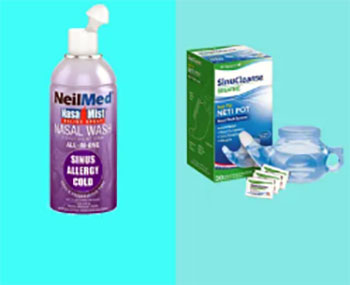
When I first grabbed the NeilMed Sinus Rinse bottle, I was skeptical that a simple plastic squeeze bottle could make much difference compared to the scary-looking medical devices I had seen online.
The first thing I noticed was how intuitive it felt in my hand. Unlike the contortions required for other methods, I just had to lean over the sink, put the cap to my nostril, and give it a gentle squeeze.
The sensation was immediate and surprisingly satisfying.
Because I could control the pressure with my grip, I could blast through stubborn blockage that had been plaguing me for days. It didn’t feel like I was drowning; it felt like a power washer for my sinuses. I vividly remember the first time I successfully flushed out a blockage—the relief was instant. The pre-mixed packets took all the guesswork out of the salt-to-water ratio, meaning I never experienced that stinging “swimming pool up the nose” burning sensation.
However, it wasn’t all perfect. There were times I squeezed a bit too hard in my eagerness to breathe, and I felt the pressure pop in my ears, which was uncomfortable. Also, the recommendation to replace the bottle every three months felt a bit wasteful to me, although I understood the hygiene reasoning. Despite that, for sheer efficiency and speed, the NeilMed bottle became my go-to when I needed to get out the door quickly in the morning.
Read More: My Thoughts On Xlear Nasal Spray
Pros Of NeilMed Sinus Rinse
- Positive Pressure Control: The standout feature of the NeilMed squeeze bottle is the ability to manually control the water pressure. When you are dealing with thick, stubborn mucus that just won’t budge, gravity often isn’t enough. With this bottle, you can give a firm squeeze to create a forceful stream that physically dislodges debris and allergens. I found this particularly useful during the height of allergy season when the congestion feels heavy and sticky. You are not at the mercy of physics; you are actively flushing the cavity. This positive pressure ensures the solution reaches deeper into the sinus cavities than a passive flow might, providing a more thorough clean that leaves you feeling significantly clearer.
- User-Friendly Design: One of the biggest barriers to nasal irrigation is the fear of doing it wrong. The NeilMed design practically eliminates this anxiety. You do not need to tilt your head at a precise 45-degree angle or look like a contortionist. You simply stand over the sink, look down, and squeeze. This ease of use makes it incredibly accessible for beginners or children (under supervision) who might be terrified of the neti pot process. In my experience, the upright posture means less water runs down your throat, which is the most unpleasant part of the whole ordeal. The cap creates a decent seal against the nostril, minimizing the mess on your face and directing the water exactly where it needs to go.
- Portability And Durability: Since the bottle is made of medical-grade plastic, it is virtually indestructible in a travel bag. I have thrown this into my dopp kit for flights without a second thought. If you are traveling to a dry climate or a dusty city, having a sinus rinse handy is a lifesaver. Unlike a ceramic pot that could shatter if your luggage is mishandled, the NeilMed bottle bounces back. It is lightweight and takes up minimal space. This factor alone makes it superior for anyone with an active lifestyle who needs relief on the go. You can literally rinse your sinuses in a hotel bathroom minutes before a meeting without worrying about bulky equipment.
- Pre-Measured Packets: While you can technically mix your own salt and baking soda for any device, NeilMed relies heavily on their pre-mixed packets. I list this as a pro because consistency is key to comfort. Getting the salinity wrong is painful—too much salt stings, and too little burns. The packets ensure an isotonic (or hypertonic, if you use two) solution every single time. This reliability builds trust in the process. You don’t have to fiddle with measuring spoons or wonder if your table salt has additives that will irritate your lining. You just tear, pour, shake, and rinse. It streamlines the entire routine, making it less of a chore and more of a quick hygiene habit.
Cons Of NeilMed Sinus Rinse
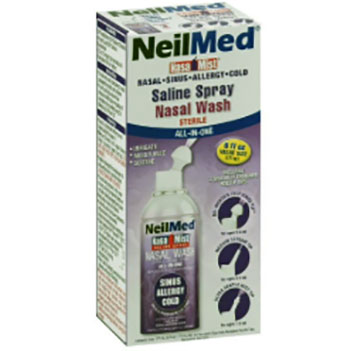
- Plastic Waste And Replacement Cycle: The manufacturer recommends replacing the bottle every three months to prevent bacterial buildup that can occur in the plastic’s micropores. While this is sound medical advice, it creates a significant amount of plastic waste over a lifetime of use. I found myself feeling guilty throwing away a bottle that looked perfectly fine. Additionally, the recurring cost of buying new starter kits adds up. Unlike a ceramic vessel that lasts forever, this is a semi-disposable product. For someone trying to reduce their household plastic footprint, this planned obsolescence is a major drawback.
- Risk Of Ear Pressure: Because you are generating the pressure with your hand, there is a risk of overdoing it. If you squeeze the bottle while your nasal passages are completely blocked, or if you swallow while rinsing, the solution can be forced into the Eustachian tubes. I have experienced this firsthand, and it results in a feeling of fullness in the ear, popping sounds, or even temporary pain. It requires a bit of self-control to squeeze gently. This risk is inherent to the positive pressure design. It is not dangerous if you follow instructions, but the margin for user error is higher here than with a gravity-fed device where the flow is constant and gentle.
- Potential For Tube Mold: The design includes a long tube that reaches the bottom of the bottle. While the bottle itself is easy to clean, the inside of that tube is a dark, damp place where mold loves to grow. Even with regular washing, I noticed that if I didn’t dry it out perfectly by disassembling the cap and tube after every single use, it could get funky. You cannot easily scrub the inside of the straw without a tiny pipe cleaner, which isn’t always included. If you are not diligent about sterilization (microwave or dishwasher), you risk introducing bacteria back into your sinuses, which defeats the purpose of the rinse.
- Cost Of Consumables: The business model is similar to printers and ink. The bottle is cheap, but the packets are where they make their money. While you can make your own solution, the bottle is designed for the packets, and the convenience hooks you. Over a year, if you rinse twice a day, you are going through hundreds of packets. The cost isn’t astronomical, but compared to a bag of non-iodized salt and a pinch of baking soda, the markup is massive. If you run out of packets, you might feel stuck, whereas with a neti pot and a jar of salt, you are always ready. It creates a dependency on the brand’s supply chain.
My Experience With Neti Pot
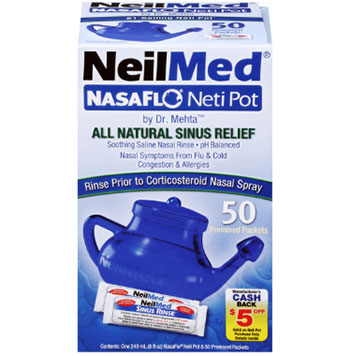
Transitioning to a traditional ceramic Neti Pot felt like moving from a power tool to a meditation ritual.
The first time I tried it, I stood over the sink feeling a bit ridiculous, tilting my head to the side like a teapot.
I poured the water in, and for the first few seconds, nothing happened.
Then, a gentle stream trickled out the other nostril. It was weirdly soothing.
Unlike the aggressive flush of the squeeze bottle, the Neti Pot relied entirely on gravity.
The flow was smooth and consistent.
I didn’t feel that rush of pressure, which was actually nice on days when my nose was just dry or slightly irritated rather than totally blocked. It felt like a gentle bath for my nasal passages. There was a learning curve, though. I definitely waterboarded myself a few times by getting the head angle wrong, sending salty water down the back of my throat.
There was something aesthetically pleasing about using a ceramic pot. It felt cleaner, somehow, and easier to wash out with boiling water. However, on days when I was completely stuffed up, the Neti Pot struggled. The water would just sit there, unable to push through the blockage because gravity wasn’t strong enough. It became a tool for maintenance for me, rather than emergency relief.
Pros Of Neti Pot
- Gentle Gravity Flow: The defining feature of the Neti Pot is its reliance on gravity. This ensures a low-pressure wash that is incredibly gentle on delicate nasal tissues. For people who have sensitive sinuses or are recovering from nasal surgery, the aggressive blast of a squeeze bottle can be irritating. I found the Neti Pot to be much more soothing for daily maintenance. It simply washes over the mucous membranes without force. This gentle approach reduces the risk of forcing water into the ears or causing pain. It feels less like a medical procedure and more like a holistic hygiene practice, which can be very appealing for those who want to avoid the “medical” feel of the plastic bottles.
- Sustainability And Longevity: If you buy a high-quality ceramic, stainless steel, or copper Neti Pot, it is a one-time purchase. There is no plastic to degrade, no recommendations to throw it away every few months, and no waste. I appreciate the permanence of the object. It sits on the bathroom counter like a piece of pottery. You can sanitize it easily with boiling water or by running it through the dishwasher without worrying about melting plastics or leaching chemicals. For the eco-conscious user, this is the clear winner. You are not contributing to landfill waste, and you are not constantly buying replacement hardware.
- Cost-Effective Long Term: Because the device lasts forever, your only ongoing cost is salt and water. While you can use packets, the open-top design of a Neti Pot makes it much easier to mix your own bulk salt solution. You can buy a pound of canning salt and a box of baking soda for a few dollars, and that will last you a year. This makes the Neti Pot significantly cheaper to run over the long term compared to the branded systems. You are not locked into a specific ecosystem of refills. You have the freedom to source your own ingredients, which is great for the budget-conscious consumer.
- Traditional And Holistic Appeal: There is a reason this method has been used in Ayurvedic medicine for centuries. Many users find the ritual of the Neti Pot to be relaxing. It forces you to slow down, breathe, and focus on the process. I found that using it before bed became a calming part of my wind-down routine. It requires a bit of mindfulness to get the angle right, which can be a nice break from the rush of the day. The materials often feel better in the hand—cool ceramic or smooth copper—adding a tactile element of quality that flimsy plastic lacks. It connects you to a long history of natural wellness practices.
Cons Of Neti Pot
- Steep Learning Curve: Using a Neti Pot correctly is not immediately intuitive. You have to tilt your head to the side and slightly forward at a very specific angle. If you tilt too far back, the water goes down your throat, triggering a gag reflex. If you don’t tilt enough, it spills out the same nostril or down your face. I spent the first week making a mess of my bathroom counter and soaking my shirt. It takes practice to master the “sweet spot” where the water flows freely from one nostril to the other. This frustration can be a major barrier for new users who just want quick relief without having to learn a technique.
- Ineffective For Severe Blockage: Gravity is a weak force compared to hydraulic pressure. If your sinuses are completely impacted with thick mucus or swelling, the water from a Neti Pot will often just pool in the nostril and drip back out the entry side. It lacks the force required to punch through a heavy clog. I found this incredibly frustrating when I was sick with a bad head cold. I would stand there with my head tilted, waiting for flow that never came. In these scenarios, the Neti Pot is practically useless, whereas a squeeze bottle could likely force a path through. It is a maintenance tool, not a demolition tool.
- Messy Application: Because of the open design and the need to tilt your head, water tends to go everywhere if you are not careful. It runs down your chin, drips onto the counter, and sometimes splashes onto the mirror. Unlike the squeeze bottle which creates a seal, the Neti Pot spout just rests against the nostril. If that seal isn’t perfect, you get leakage. I always had to keep a towel handy and expect to do a bit of cleanup afterwards. It is not a “dry” process. This mess factor makes it less appealing for a quick rinse before work when you are dressed and ready to go.
- Fragility: While ceramic and glass pots are sustainable, they are also breakable. Dropping a Neti Pot with wet, slippery hands usually means the end of that pot. I have shattered one on a tiled bathroom floor, and it is a hassle to clean up sharp shards while your nose is dripping. Plastic bottles bounce; ceramic pots break. This fragility means you have to handle it with care, which can be annoying when you are groggy in the morning or feeling sick and clumsy. It also makes it a poor choice for travel, as it adds weight to your bag and requires protective padding to survive the journey.
Also Read: My Thoughts On Wolverine Nasal Spray
Frequently Asked Questions (FAQ)
The NeilMed Sinus Rinse is generally considered “better” for effective clearance of heavy congestion due to the positive pressure that pushes water deeper into the sinus cavities. However, the Neti Pot is better for those seeking a gentle, gravity-based wash for daily maintenance without the risk of ear pressure.
Yes, they are both nasal irrigation devices designed to flush the nasal passages with saline solution. The primary difference is the delivery method: NeilMed uses a squeeze bottle to create pressure, while a Neti Pot uses gravity to pour water through the nose.
Yes, ENT (Ear, Nose, and Throat) doctors frequently recommend both Neti Pots and squeeze bottles like NeilMed. They are considered the gold standard for non-drug management of chronic sinusitis, allergies, and post-nasal drip. Most specialists emphasize using distilled or boiled water to prevent infection.
Yes, nasal irrigation with saline is widely considered safe during pregnancy and is often recommended as a drug-free alternative to decongestants, which may be restricted. However, you should always consult your obstetrician before starting any new health regimen.
Conclusion
If you are looking for a definitive winner in the battle of NeilMed Sinus Rinse vs. Neti Pot, the answer lies in the severity of your congestion. For me, the NeilMed Sinus Rinse is the indispensable tool I reach for when I am actually sick or suffering from a heavy allergy attack. The ability to pressurize the flow and physically blast away blockage is unmatched by the passive flow of a teapot. It is the heavy artillery of nasal hygiene—effective, fast, and easy to use.
However, do not discount the Neti Pot. If you are looking to build a sustainable, daily habit to keep your nose healthy and prevent issues before they start, the ceramic pot is a beautiful, gentle companion. It forces you to slow down and treat your body with care. Ultimately, both tools will help you breathe easier, but having the squeeze bottle in your arsenal for the bad days is a decision your sinuses will thank you for.