
When I was planning my pregnancy, I spent weeks researching prenatal vitamins, overwhelmed by all the options. The main intent of this article is to help you decide between Needed and FullWell prenatals by breaking down their key features, strengths, and weaknesses in a straightforward way, so you can choose what fits your needs best.
A Brief Comparison Table
| Feature | Needed Prenatal | FullWell Prenatal |
| Serving Size | 8 capsules per day | 8 capsules per day |
| Form of Folate | Methylfolate (Optifolin+®) | L-5-Methyltetrahydrofolate & Calcium Folinate |
| Choline Amount | 400 mg | ~550 mg (as Choline Bitartrate) |
| Vitamin D Amount | 4,000 IU | 4,000 IU |
| Magnesium Amount | High (glycinate form) | 300 mg (glycinate) |
| Iron Included | No (separate supplement available) | No (separate supplement available) |
| DHA/Omega-3 Included | No (separate) | No (separate fish oil) |
| Third-Party Tested | Yes | Yes (every batch) |
| Price (30-day supply approx) | $60-70 | $50 |
| Unique Aspects | Powder option available, clinician-backed | Higher choline, gentle on stomach for many |
My Experience With Fullwell
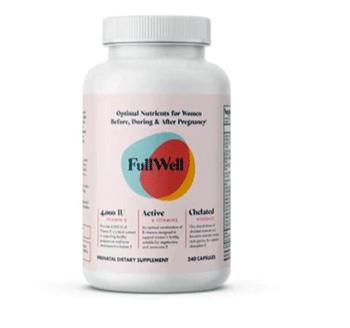
Trying FullWell preconception, I loved the higher choline for brain support. Capsules were easy to swallow, and magnesium helped relaxation.
No stomach upset, even full dose. Energy was steady, and third-party testing reassured me.
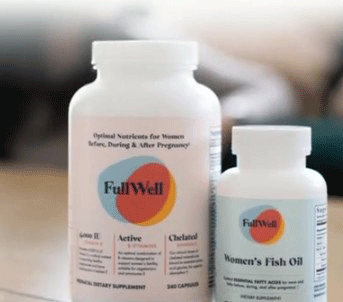
Postpartum, it supported milk supply indirectly through nutrients. The separate fish oil was high-quality.
Pros Of Needed
- Comprehensive Nutrient Profile: Needed packs 26 essential nutrients with optimal doses, including 400mg of choline which supports baby’s brain development and my own mood stability during pregnancy.
- Bioavailable Forms: They use methylated folate and active B vitamins, making it easier for my body to absorb, especially if I have common genetic variations that affect processing.
- High Vitamin D: The 4,000 IU dose helped me maintain strong levels without needing extra supplements, crucial for immune support and bone health.
- Gentle Digestion: Many users, including me in my trials, found it easier on the stomach compared to cheaper brands, with no major nausea triggers.
- Separate Add-Ons: No iron or DHA in the main prenatal means better absorption of other minerals, and I could customize based on my blood tests.
- Powder Alternative: For days when swallowing pills felt tough, their powder version mixed well into smoothies without a bad taste.
- Clinically Studied: Their studies showed higher nutrient levels in blood compared to standard prenatals, giving me confidence in its effectiveness.
- Vegan-Friendly Options: Fully plant-based in some formats, aligning with dietary preferences.
- Third-Party Testing: Rigorous checks for purity, so I worried less about contaminants.
- Subscription Convenience: Easy delivery and discounts made sticking to it simple during busy times.
Read more: Comparison of Redimind And Dynamic Brain
Cons Of Needed
- High Pill Count: Eight capsules daily felt overwhelming at first, especially in early pregnancy when everything seemed harder.
- Price Point: It’s on the expensive side, which added up over months, though I justified it for the quality.
- No Built-In Iron: I had to monitor my levels and add their separate iron, which meant more planning.
- Potential Smell: Some batches had a noticeable vitamin odor that turned my stomach on sensitive days.
- Limited Flavors: The capsules are plain, no lemon essence like competitors, so no help masking any taste.
- Availability: Mostly direct-to-consumer, no easy grab from local stores.
- Adjustment Period: It took a week or two for my body to get used to the higher doses without minor bloating.
- Not for Everyone: If you prefer gummies or fewer pills, this isn’t ideal.
- Separate DHA Needed: Adding their Omega-3 meant extra cost and another bottle to manage.
- Marketing Heavy: Sometimes felt pushed by influencers, though the science backed it up.
Also read: Comparison of Genius Litter And Pretty Litter
Maintenance Tips For Needed
- Consistent Timing: Take with meals to enhance absorption and reduce any upset.
- Start Slow: Begin with fewer capsules to build tolerance.
- Store Properly: Cool, dry place away from light.
- Pair with Food: Fatty meals for fat-soluble vitamins.
- Hydrate Well: Aids swallowing and nutrient use.
- Monitor Levels: Regular blood tests to adjust add-ons.
- Split Doses: Morning and evening for steady supply.
- Combine with Diet: Boost with choline-rich foods like eggs.
- Subscription Reminder: Set for uninterrupted supply.
- Consult Doctor: Personalize based on health.
My Experience With Needed
I started with Needed during my second trimester after switching from a basic drugstore brand.
The difference was clear—my energy stabilized, and nausea eased. Taking eight capsules became routine, split morning and evening.
The choline boost helped my focus, and bloodwork showed excellent vitamin D. Customizing without iron prevented constipation. Overall, it felt tailored to real needs.
Pros Of Fullwell
- Exceptional Choline Levels: With around 550mg, it exceeded most prenatals, supporting placental function and baby’s neural development noticeably.
- Optimal Vitamin D: 4,000 IU in bioavailable form kept my levels steady, reducing risks like preeclampsia.
- Chelated Minerals: Magnesium glycinate at 300mg was gentle and helped with leg cramps and sleep.
- No Iron Interference: Separate iron option allowed better absorption of calcium and magnesium.
- Third-Party Tested Every Batch: Transparency with published results gave me peace of mind about purity.
- Dietitian-Formulated: Created by a fertility expert, focusing on evidence-based doses.
- Allergen-Free: No gluten, dairy, soy, or nuts, perfect for sensitivities.
- Gentle Tolerance: Many report less nausea, even spacing out the 8 capsules.
- Higher B Vitamins: Active forms boosted my energy without jitters.
- Postpartum Suitable: Continued seamlessly while breastfeeding.
Cons Of Fullwell
- Eight Capsules Daily: The volume was daunting, requiring discipline to take throughout the day.
- Higher Cost for Some: Though competitive, bundles added up.
- No DHA Included: Needed separate fish oil, extra step.
- Potential Urine Color Change: From riboflavin, harmless but surprising.
- Capsule Size: Larger than some, harder if pill-averse.
- Limited Retail: Mostly online.
- No Powder Option: Unlike competitors, all capsules.
- Stronger Focus on Fertility: Great preconception, but similar to pregnancy needs.
- Adjustment for Nausea: Some found spacing necessary.
- Flavorless: No masking aids.
Maintenance Tips For Fullwell
- Space Out Capsules: If nausea, take 4 twice daily.
- With Water Plenty: Helps digestion.
- Food Companion: Improves mineral uptake.
- Cool Storage: Maintain potency.
- Track Iron Separately: Test and add as needed.
- Bundle for Savings: Prenatal plus fish oil.
- Daily Routine: Tie to meals for habit.
- Postpartum Continue: For recovery.
- Allergen Check: Safe but confirm.
- Batch Check: View testing online.
Comparison With Other Brands
- Versus Ritual: Both comprehensive, but Needed/FullWell have higher choline and D than Ritual’s lower doses.
- Versus Thorne: More robust in key nutrients like magnesium compared to Thorne’s basics.
- Versus Perelel: Packs offer convenience, but Needed/FullWell superior in single-formula depth.
- Versus MegaFood: Whole-food appeal, but synthetic forms in Needed/FullWell more bioavailable.
- Versus Nature Made: Budget-friendly, but lacks optimal choline and methylated forms.
- Versus Garden of Life: Organic, but lower doses overall.
- Versus WeNatal: Similar quality, but Needed/FullWell edge in testing transparency.
- Versus Seeking Health: Close competitor, FullWell slightly higher magnesium.
- Versus Olly Gummies: Fun, but far less nutrients.
- Versus One A Day: Basic, missing critical extras.
Frequently Asked Questions (FAQ)
It depends on your needs, but Needed and FullWell stand out for comprehensive, bioavailable nutrients.
FullWell excels in higher choline and rigorous testing, often outperforming in key pregnancy nutrients.
Yes, it’s excellent with optimal doses and strong user feedback on energy and absorption.
Conclusion: For Needed And Fullwell
I’ve tried both Needed and FullWell, and honestly, you can’t go wrong with either—they’re top-tier for supporting you and your baby. If pill count bothers you less and you want flexibility with add-ons, go for Needed. For maximum choline and gentle formulas, FullWell might suit you better. Listen to your body, chat with your doctor, and pick what makes you feel confident and nourished. You’ll be giving your little one the best start either way.