
If you have a cat with itchy skin, chronic ear infections, or a stomach that rejects everything, you have likely been recommended Natural Balance. For years, this brand has been the “holy grail” of over-the-counter allergy solutions. Before you spend the money on a prescription veterinary diet, pet store employees will almost always point you toward Natural Balance’s “Limited Ingredient Diets” (L.I.D.).
Founded by actor Dick Van Patten in 1989, the brand built its reputation on safety and simplicity. But in recent years, the company has changed hands (from Smucker’s to investment firms Nexus Capital and Canidae), and loyal customers have whispered about formula changes. Is it still the reliable gold standard for sensitive cats? I tested the Natural Balance L.I.D. Green Pea & Duck (both dry and wet) to find out.
My Experience With Natural Balance (L.I.D. Duck & Pea)
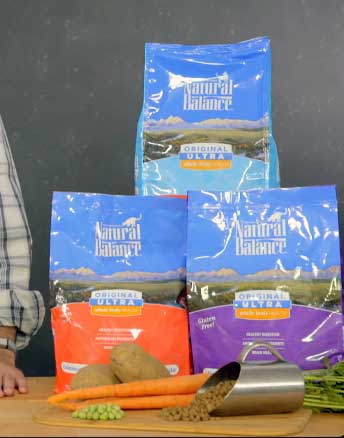
My test subject was a 12-year-old tabby with a known chicken sensitivity.
Chicken is in everything—even foods labeled “Salmon” often have chicken fat or meal lower down the list.
This is where Natural Balance shines.
When they say “Duck and Green Pea,” they really mean it.
There is no hidden chicken fat.
The Dry Food:
The kibble is disc-shaped and slightly larger than average.
It has a distinct smell—earthier than the “meat cereal” smell of brands like Purina.
My cat, usually picky about texture, took to it immediately. The crunch is decent, and it doesn’t leave a greasy residue on your hands or the bowl. After two weeks, the most noticeable change was the litter box. His stool volume decreased and became much firmer, a classic sign that he was actually digesting the ingredients rather than just passing fillers.
The Wet Food:
This was more hit-and-miss. I opened a can of the L.I.D. Duck & Green Pea Paté. The consistency was a bit looser and “soupier” than I remember from years ago. While my cat licked up the gravy enthusiastically, he was hesitant about the meat solids at first. It seems recent manufacturing changes might have altered the texture. However, once he started eating, he finished it. The best part? No vomiting. For a cat that throws up richer foods (like Fancy Feast) within an hour, keeping this down was a major win.
Read More: Comparison of Purina Urinary Tract Cat Food And Prescription
Pros Of Natural Balance Cat Food
- True Limited Ingredient Diets (L.I.D.):This is their superpower. Many brands claim “limited ingredient” but sneak in alfalfa, flaxseed, or chicken fat. Natural Balance L.I.D. recipes are rigorous. They use a single animal protein (Duck, Venison, Salmon) and a single primary carb (Green Pea, Sweet Potato). If you are doing an elimination diet to find out what your cat is allergic to, this is one of the safest OTC tools available.
- Novel Proteins:They offer proteins that your cat has likely never eaten, which is key for fighting allergies. Options like Venison, Duck, and Bison are available. Since allergies are developed over time to common proteins (chicken/beef), switching to Venison can often stop the itching immediately.
- “Buy With Confidence” Safety Testing:After the massive pet food recalls of 2007, Natural Balance built a state-of-the-art lab. You can actually go to their website, type in the lot code from your bag, and see the safety test results for Salmonella, E. Coli, and toxins for that specific batch. This transparency is rare in the industry.
- Grain-Free Options:Most of their popular lines are grain-free, using peas or chickpeas instead of corn, wheat, or soy. This helps reduce inflammation for many cats.
Cons Of Natural Balance Cat Food
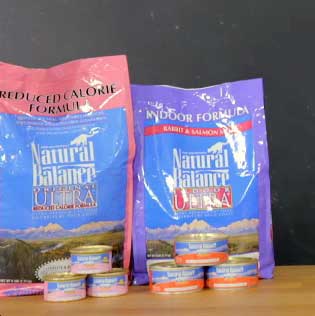
- Formula Inconsistencies:Long-time users have noted that since the ownership changes (post-2021), the consistency of the canned food varies. One batch might be a firm paté, the next might be watery. This inconsistency can be frustrating if you have a texture-sensitive cat.
- High Pea Content:To replace grains, Natural Balance relies heavily on peas and pea protein. While better than corn, peas are high in carbohydrates. In some dry formulas, the carbohydrate content can push 30-40%, which is high for a strict carnivore. If you have a diabetic cat, you need to check the carb count carefully.
- Price Creep:It is no longer a “mid-range” price. A 10lb bag can run $40-$50, and wet food cans are often over $2.50 each. It is approaching the price of prescription diets without actually being a prescription diet.
- Smell (Fish Formulas):The Salmon and Green Pea formula has a notoriously strong odor. It is great for the cat’s appetite, but your kitchen will smell like a fish market for about 20 minutes after feeding.
Maintenance & Usage Tips
- The “Elimination Diet” Method:If you are buying this for allergies, do not mix it with other foods. You must feed only this food (no treats, no table scraps) for 8-10 weeks to see if the symptoms clear up. The “Green Pea & Duck” is often the best starting point.
- Microwaving the Wet Food:Because the L.I.D. wet formulas lack artificial flavor enhancers, they can be less aromatic than junk food. If your cat turns their nose up, microwave the wet food for 7 seconds. The heat releases the natural meat fats’ aroma and can trick a picky cat into eating.
- Storage:The bags do not always have the best resealable zippers. I recommend transferring the dry kibble to an airtight container immediately to prevent the natural fats from going rancid (which happens faster with natural preservatives).
Read More: My Thought on Open Farm Cat Food
Comparison With Other Brands
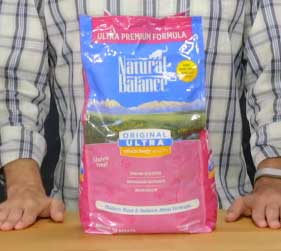
- Natural Balance vs. Blue Buffalo Basics:Blue Buffalo “Basics” is their direct competitor line.
- Choose Natural Balance if: You need stricter ingredient control. Natural Balance is better at excluding cross-contamination ingredients like chicken fat.
- Choose Blue Buffalo if: You want better availability (found in almost every grocery store now) and slightly lower price.
- Natural Balance vs. Royal Canin Selected Protein (Prescription):Vets often prescribe Royal Canin (PR/PD) for allergies.
- Choose Royal Canin if: Your vet insists or if your cat reacts even to Natural Balance. Royal Canin’s manufacturing lines are scrubbed even more thoroughly.
- Choose Natural Balance if: You want to try a cheaper, non-prescription solution first. Many owners find Natural Balance works just as well for mild-to-moderate allergies at 70% of the cost.
- Natural Balance vs. Hill’s Science Diet Sensitive Stomach:Hill’s uses science-backed grains (rice/corn) and is not grain-free.
- Choose Hill’s if: Your cat has digestive issues (vomiting/diarrhea) but not itchy skin allergies. The fiber blend in Hill’s is often better for poop quality.
- Choose Natural Balance if: The main symptom is itching/scratching (dermatological), as this usually signals a protein allergy.
Frequently Asked Questions (FAQ)
Yes. In 2021, they recalled a specific lot of L.I.D. Green Pea & Chicken dry cat food due to potential Salmonella contamination. In 2020, there was a recall on a wet food lot due to elevated choline chloride levels. While they generally have a strong safety record compared to budget brands, they are not immune to issues.
They have a specific “Fat Cats” line which is low calorie and high fiber. However, the standard L.I.D. formulas are actually quite calorie-dense. If you free-feed the Duck & Pea kibble, your cat will likely gain weight. You must measure the portions.
In a dry kibble, you need a starch to bind the food together into a crunchy nugget. Natural Balance uses peas instead of grains (corn/wheat) because fewer cats are allergic to peas. However, it is still a carbohydrate source.
Most L.I.D. formulas are labeled for “Adult Maintenance.” They may lack the higher fat and calcium levels required for a growing kitten. Look for their specific “Original Ultra” kitten formulas or check the bag to see if it says “All Life Stages.”
Conclusion
Natural Balance remains the king of the “middle ground.” It sits perfectly between standard pet store brands and expensive veterinary prescription diets. If your cat is constantly scratching their ears or licking their belly, switching to the L.I.D. Green Pea & Venison or Duck formula is the smartest first step you can take. It’s a troubleshooting tool that happens to be a nutritious meal. While the wet food texture can be inconsistent, the results for allergic cats are consistent enough to justify the price.