
If you are a parent constantly battling the fear of Lyme disease versus the guilt of spraying harsh chemicals on your children, NATPAT Tick Stickers are a product you should buy immediately. They offer a brilliant, mess-free alternative to traditional bug sprays, utilizing essential oils to create a protective barrier that is safe for the whole family.
These stickers are especially perfect for toddlers who hate the feeling of sticky lotions or the stinging sensation of aerosol sprays. While they may not replace heavy-duty gear for deep jungle treks, for everyday play and backyard safety, they are an absolute game-changer. Let’s examine why these colorful little patches are taking over the parenting world.
My Experience With NATPAT Tick Stickers
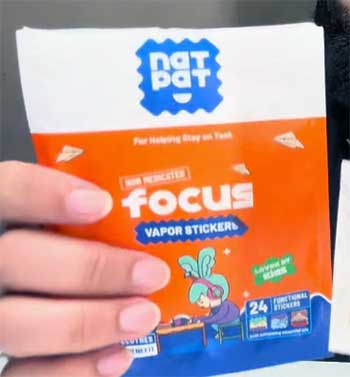
Living near a wooded area, tick season is not just a minor annoyance for me; it is a full-blown source of anxiety.
I have spent years oscillating between dousing my family in DEET, which smells terrible and feels greasy, and trying “natural” sprays that seem to disappear after ten minutes.
When I first saw the ads for NATPAT (often marketed as SunnyPatch or similar lines), I was skeptical.
How could a simple sticker ward off a determined tick?
However, the promise of a “stick-and-go” solution was too tempting to ignore, especially with a five-year-old who acts like I am torturing him whenever I bring out the bug spray bottle.
I ordered a pack and decided to test them on a family hike through a local trail known for having high grass and, consequently, a healthy tick population. The first thing I noticed upon opening the resealable pouch was the smell. It was strong, but not chemically.
It smelled like a concentrated burst of lemon-eucalyptus and citronella. It was actually quite pleasant, reminiscent of a spa rather than a chemical factory. The stickers themselves were cute, featuring little smiley faces that my son immediately loved. He actually asked to wear them, which was a massive victory compared to the usual wrestling match with the spray.
I followed the instructions and applied them strategically. I placed one on each of his sneaker cuffs, one on the back of his shirt collar, and one on his waistband. I did the same for myself, sticking them to my socks and shirt. The adhesive felt sturdy but not like it would leave a residue. Throughout the hike, I kept checking to see if they were peeling off. Despite my son running, climbing over logs, and sweating, the stickers held their ground perfectly. We spent about two hours in the woods, walking through brush that would normally guarantee at least one unwanted passenger.
The real test came when we got home. Usually, a hike like that requires a frantic, anxiety-inducing tick check where I inevitably find a crawler or two. This time, I scanned my son from head to toe. Nothing. I checked myself. Nothing. I was genuinely shocked. I had watched a mosquito hover near my arm and then veer away, which gave me some visual confirmation that the scent bubble was working, but the lack of ticks was the real proof for me.
I also appreciated that I didn’t feel gross afterward. There was no oily film on my skin to scrub off in the shower. I just peeled the stickers off our clothes and threw them away. It was incredibly convenient. Over the next few weeks, I started using them for everything—soccer practice, backyard barbecues, and evening walks. While I did notice that on extremely windy days the scent seemed to dissipate faster, for general outdoor activity, they performed exceptionally well. It felt empowering to have a solution that didn’t involve potential toxicity, allowing my family to enjoy nature without the looming cloud of chemical exposure.
Read more: My Thoughts On Earth Mama Nipple Butter
Pros Of NATPAT Tick Stickers
- Chemical-Free and Safe Formulation:The most significant advantage of this product is undeniably its safety profile. Unlike traditional repellents that rely on DEET or Picaridin—chemicals that can be harsh on sensitive skin and are often recommended with age restrictions—NATPAT uses natural essential oils. The active ingredients usually include lemon eucalyptus, citronella, and peppermint. For parents, this provides immense peace of mind. You do not have to worry about your toddler licking their arm after application or the product absorbing into their bloodstream. It is a purely physical barrier created by scent, making it safe for babies, pregnant women, and people with severe skin sensitivities who typically break out from topical sprays.
- Zero Mess Application:If you have ever tried to apply bug spray to a squirming child or tried to rub a thick lotion onto hairy arms, you know the struggle. These stickers eliminate the mess entirely. There is no greasy residue left on your hands, no staining of clothes from oily liquids, and no accidental inhalation of aerosol clouds. You simply peel the sticker off the backing and press it onto fabric. This “stick-and-go” utility is fantastic for quick trips. You can keep a pack in your car, diaper bag, or purse without worrying about a bottle leaking and ruining your belongings.
- Kid-Friendly Appeal:Convincing a child to put on bug spray is often a chore, but convincing them to wear a sticker is usually a breeze. The designs are often bright, colorful, and fun, featuring smileys or animal prints. My kids treat them like a reward or a fashion accessory rather than a medical necessity. This psychological shift changes the dynamic of getting ready to go outside. Instead of a fight, it becomes a fun ritual where they get to choose “which sticker” they want to wear today. It empowers them to take part in their own protection.
- Versatile Placement Options:Because you do not apply these directly to the skin, you have endless options for placement. This is particularly useful for protecting areas that are hard to spray. You can stick them on the hood of a stroller to create a protective dome around a sleeping baby. You can place them on the brim of a hat to keep bugs away from the face without risking eye irritation. You can even stick them on tents, backpacks, or picnic blankets to create a wider zone of deterrence. This versatility allows you to protect gear and environments, not just bodies.
- Long-Lasting Aroma:The encapsulation technology used in these stickers is surprisingly effective at holding the scent. While a spray might evaporate or rub off with sweat within an hour, the essential oils in the patch are released slowly over time. Many users, myself included, have found that the scent remains potent for several hours, often covering the duration of a standard playdate or hike. You don’t have to constantly remember to “reapply” every 30 minutes. As long as you can smell the oils, you know the sticker is still active and doing its job.
Cons Of NATPAT Tick Stickers
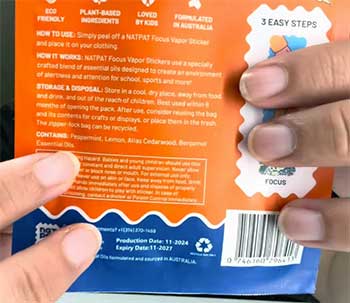
- Limited Range of Protection:The most critical drawback to understand is that these stickers create a “zone” of protection rather than a full-body shield. A spray covers every inch of exposed skin, leaving no landing zone for a bug. A sticker, however, relies on the vapor of the essential oils. If you place a sticker on your ankle, it might deter ticks from crawling up your sock, but it might not stop a mosquito from landing on your shoulder if the scent hasn’t traveled that far. You really need to use multiple stickers to create an effective barrier, which can be tricky to gauge.
- Adhesive Struggles on Certain Fabrics:While the adhesive is generally good, it is not industrial strength. I have found that the stickers adhere beautifully to cotton and denim, but they struggle with synthetic performance fabrics often used in activewear. If you are wearing slick, moisture-wicking leggings or a windbreaker, the sticker might peel up at the edges or fall off entirely if you brush against a bush. This can be frustrating if you are on a vigorous hike and realize halfway through that your protection has fallen off somewhere on the trail.
- Strong Scent Can Be Overpowering:The very mechanism that makes these work—strong essential oils—can be a negative for some people. The smell of citronella and peppermint is intense. If you are sensitive to fragrances or prone to headaches triggered by strong smells, wearing these might be uncomfortable. Sitting in a car with the windows up while wearing three or four of these stickers can feel like being trapped in a perfume bottle. It is definitely a scent you have to be okay with, and it will linger on your clothes even after you peel the sticker off.
- Cost Per Use is Higher:When you break down the cost, using NATPAT stickers is significantly more expensive than a bottle of DEET. A single can of bug spray might cost $6 and last for months of applications. A pack of stickers might cost $15-$20, and if you are using 2-4 stickers per person for every outing, you burn through a pack very quickly. For a family of four going on a weekend camping trip, you could easily use half a bag in two days. It is a premium price for convenience and natural ingredients.
- Variable Effectiveness in High Infestation Areas:While these are fantastic for neighborhood walks and playgrounds, I would be hesitant to rely on them exclusively in deep, tick-infested woods or malaria-prone zones. The scientific consensus on essential oils is that while they do repel, they are not as aggressively effective as synthetic chemicals like DEET or Permethrin. If you are going into an area known for high Lyme disease transmission, relying solely on a sticker might be taking a risk. They are a deterrent, not a forcefield, and determined bugs in high-density areas might break through the scent barrier.
Maintenance Tips For NATPAT Tick Stickers
- Seal the Bag Immediately:This is the single most important maintenance tip for this product. The stickers work because the essential oils are volatile, meaning they evaporate into the air. If you leave the package unzipped even for an hour, the oils in the unused stickers will start to dissipate, rendering the whole pack useless. Always ensure the ziplock seal is pressed tight. If the seal feels weak, I recommend putting the entire package inside a secondary airtight container or a freezer bag to ensure longevity.
- Strategic Placement Strategies:To get the most out of the stickers, you have to think like a tick. Ticks generally crawl up from the ground. Therefore, placing stickers on the upper body alone is a mistake. You should prioritize the “entry points.” Place one sticker on each shoe or sock cuff to deter them from climbing aboard. Place another on the waistline to stop them from moving to the torso. Finally, place one near the collar to protect the neck and head. Creating this “constellation” of scents is far more effective than just slapping one on the chest.
- Do Not Wash with Clothes:It is very easy to forget these stickers are on your kids’ clothes. If you throw a shirt into the washing machine with a sticker still attached, two things will happen. First, the adhesive might get gummy and leave a sticky residue on the fabric that is hard to remove. Second, the sticker will eventually come off in the wash and could end up clogging your drain or sticking to the inside of the dryer drum. Make it a habit to do a “sticker check” immediately upon entering the house, which serves as a good reminder to do a tick check on the body as well.
- Refresh for Longer Outings:Although the package might claim protection for several hours, environmental factors play a huge role. Wind, heat, and humidity can cause the essential oils to evaporate faster. If you are outside for a full day, do not assume one application is enough. Give the sticker a “sniff test” every two hours. If you can no longer smell the citronella from a foot away, the bugs probably can’t either. Keep a spare pack in your pocket so you can slap on a fresh one to boost the scent barrier without having to remove the old ones.
- Store in a Cool Environment:Heat is the enemy of essential oils. If you keep a pack of these stickers in your car glove box during the summer, the heat will cause the oils to release inside the bag. When you eventually open it, the stickers might be dried out and ineffective. Store your stock in a cool, dark drawer at home. If you must carry them in the car, keep them in a cooler bag or under a seat where the sun doesn’t hit directly. Preserving the potency of the oils is key to making sure they work when you need them.
Read more: My Thoughts On Lansinoh Breast Pump
Comparison With Other Brands
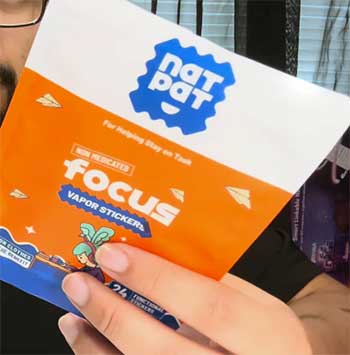
- NATPAT vs. BuzzPatch:BuzzPatch is the most direct competitor to NATPAT, and truthfully, they are remarkably similar in function and design. Both use smiley-face designs and essential oil blends. However, in my experience, NATPAT sometimes offers a slightly more aggressive adhesive, which is better for active kids. BuzzPatch has a very loyal following and sometimes offers different bulk discounts. The choice often comes down to which brand has a better sale running at the moment, as the core technology—citronella stickers—is virtually identical between the two.
- NATPAT vs. Traditional DEET Sprays (Off!/Cutter):This is the classic “Natural vs. Synthetic” battle. DEET sprays are the gold standard for efficacy; they confuse the insect’s sensors entirely and provide a robust shield. However, they are toxic, smell harsh, and can melt plastics (like sunglasses). NATPAT is the antithesis of this. It is safe, pleasant-smelling, and non-destructive. If you are going deep into the Everglades, take the DEET. If you are going to the park or a backyard BBQ, NATPAT is the superior choice for comfort and safety. The trade-off is raw power versus safety and convenience.
- NATPAT vs. Ultrasonic Repellers:You might have seen those little keychain devices that claim to emit a sound that scares ticks and mosquitoes away. When comparing NATPAT to these, NATPAT wins hands down. The scientific evidence supporting ultrasonic repellers is incredibly weak, with most studies showing they have zero effect on bugs. NATPAT, while milder than DEET, relies on essential oils that have proven repellent properties. A scented physical sticker is infinitely more reliable than a gadget relying on dubious sound wave science.
- NATPAT vs. Permethrin-Treated Clothing:Permethrin is a chemical used to treat clothing that actually kills ticks on contact, rather than just repelling them. Brands like Insect Shield sell pre-treated clothes. Compared to NATPAT, Permethrin clothing is heavy-duty artillery. It is passive protection that works incredibly well but requires you to wear specific long sleeves and pants. NATPAT allows you to wear your shorts and tank tops while still adding a layer of protection. NATPAT is more flexible for everyday summer wear, while Permethrin is better for dedicated hiking or forestry work.
- NATPAT vs. Wondercide (Natural Sprays):Wondercide uses similar active ingredients (cedarwood, peppermint) but delivers them in a liquid spray format. The comparison here is about application method. Wondercide provides better coverage because you coat the entire surface area of the skin and clothes. However, it leaves you feeling wet and smelling very strong. NATPAT offers a “dry” application. If you hate the sensation of being sprayed, NATPAT is better. If you want the thorough coverage of a liquid without the toxins of DEET, Wondercide is the middle ground, but NATPAT remains the king of convenience.
Frequently Asked Questions (FAQ)
Yes, they work by creating a scent barrier that insects find unpleasant. Ticks and mosquitoes track their hosts using scents (like carbon dioxide and sweat). The strong essential oils in the stickers mask these human scents and act as a deterrent, confusing the insects and making them less likely to latch on.
While the ingredients are generally natural, the adhesive and the concentrated oils are designed for fabric, not skin. Placing them directly on the skin could cause irritation, especially for young children or those with sensitive skin. It is always recommended to stick them on clothes, hats, or gear near the body.
One sticker is rarely enough for full-body protection. The general recommendation is to use 2 to 4 stickers per person depending on size and activity. For a small child, one on the top and one on the bottom might suffice. For an adult, using one on each limb or at key entry points (socks, waist, shoulders) provides the best coverage.
Yes, because they rely on volatile essential oils, they can lose their potency over time. An unopened package typically has a shelf life of about two years. However, once the package is opened, the clock starts ticking. It is best to use an opened pack within a few months and always ensure it is resealed tightly between uses.
Conclusion
To summarize, NATPAT Tick Stickers are a brilliant innovation for families who want to enjoy the outdoors without the chemical load of traditional bug sprays. They offer a perfect balance of convenience, safety, and effectiveness for low-to-moderate risk environments. While they shouldn’t replace heavy-duty protection for deep woods adventures, for the average day at the park or backyard play, they are worth every penny. You should definitely throw a pack in your bag for your next outdoor excursion