
Creating a nursery is one of the most tangible ways we prepare for a new life, and the crib is undeniably the centerpiece of that room. You want something that feels safe and sturdy, yet captures that specific aesthetic you have pinned on your mood board. If you have been scrolling through Instagram or Pinterest looking for that perfect vintage-inspired spindle crib that doesn’t cost a fortune or risk lead paint exposure, the Namesake Liberty Crib has likely caught your eye. It promises the charm of an antique heirloom with the safety standards of modern manufacturing.
In this review, I am going to walk you through the details of the Namesake Liberty 3-in-1 Convertible Crib. We will look past the perfectly staged product photos to discuss the real-world practicality, from the softness of the wood to the assembly process. I will compare it to its metal cousins and budget alternatives to help you decide if this is the right investment for your family. If you want a crib that balances a thick, sturdy silhouette with timeless elegance, this might be your winner. For those ready to buy, purchasing from a major retailer with a solid return policy is always the safest bet to ensure the finish matches your expectations.
My Experience With The Namesake Liberty Crib
I fell in love with the idea of a spindle crib long before I was even pregnant. There is something so nostalgic and sweet about the turned wood posts that feels “right” for a baby’s room. However, when I started looking at actual antiques, safety concerns terrified me. I then pivoted to metal cribs, but found them cold and somewhat industrial for the cozy vibe I wanted. That is when I found the Namesake Liberty. It struck this perfect middle ground: it had the vintage spindle look I craved, but it was made of solid New Zealand pine, giving it a warmth and substance that metal cribs lacked.
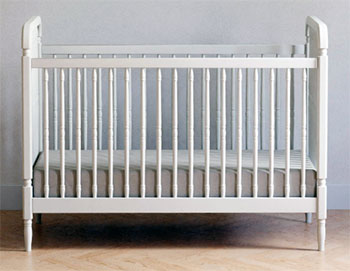
When the boxes arrived (and yes, it is a heavy package, so have a helper ready), I was immediately impressed by the finish.
I chose the “Warm White,” and it wasn’t that stark, hospital white you sometimes see on cheaper furniture; it had a creamy, soft quality that looked expensive.
The assembly was my first real test. Unlike some modern cribs that just snap together, a spindle crib involves aligning a lot of vertical bars.
It took my partner and me about an hour. The instructions were clear enough, but you definitely need patience to ensure every spindle sits correctly before tightening the main bolts.
Once assembled, the crib felt significantly more substantial than the budget Jenny Lind cribs I had seen in big-box stores. The spindles on the Liberty are thicker, giving it a bold, robust presence rather than a spindly, fragile look. When I leaned over the rail, it felt solid—no wobbling or creaking. Lowering the mattress as my baby grew was relatively straightforward, although the metal mattress support spring is standard and nothing fancy.
The real test came with daily use. I loved that the wood didn’t feel freezing cold when I laid my baby down for a 2 AM feed, unlike the metal cribs I had considered. However, New Zealand pine is a softer wood, and after about six months, I did notice a few small dings on the top rail from belt buckles or toys banging against it. It wasn’t a dealbreaker, as it added to the “lived-in” vintage charm, but it is something to be aware of if you are a perfectionist.
Converting it to a toddler bed later on was a nice bonus, especially since the conversion kit was included. Many brands make you buy that separately for an extra $100, so having it in the box felt like a win for value. Overall, the Namesake Liberty served as a beautiful, sturdy anchor for our nursery. It delivered that high-end designer look without the four-figure price tag, even if the soft wood required a little extra care to keep pristine.
Read More: My Thoughts on Babyletto Bondi Crib
Pros Of Namesake Liberty Crib
When you look at the landscape of nursery furniture, the Liberty stands out because it successfully bridges the gap between “budget” and “luxury.” It offers features usually found in much more expensive cribs. Here are the specific benefits that make this crib a strong contender.
- Substantial Vintage Aesthetic with Thicker Spindles: The most obvious pro is the design. While many spindle cribs look fragile or thin, the Liberty features noticeably thicker spindles and a robust frame. This gives the crib a “grounded” and expensive appearance that mimics true vintage furniture. It works perfectly in a variety of design themes, from farmhouse to cottagecore or traditional. You get the heirloom look without the safety hazards of an actual used crib.
- Greenguard Gold Certified for Indoor Air Quality: In an era where we are hyper-aware of VOCs and off-gassing, this certification is a massive peace of mind. It means the crib has been rigorously tested for over 10,000 chemicals and volatile organic compounds. Knowing your baby is sleeping in a “clean” air environment is worth the investment. I didn’t notice any strong chemical smell when unboxing, which is often a complaint with cheaper, non-certified furniture.
- Inclusive 3-in-1 Conversion Capability: Value is a huge factor for new parents, and Namesake respects that by including the toddler bed conversion kit. Most competitors sell the toddler rail separately, which can be frustrating when you realize you need it two years later and it is out of stock. The Liberty converts from a crib to a toddler bed and finally to a daybed. This extends the life of the furniture significantly, allowing you to use it from the newborn stage up until your child is 4 or 5 years old.
- Warmth and Safety of Solid Pine Construction: Unlike metal cribs which can be cold to the touch and noisy when a baby bumps them, the Liberty is made from 100% solid New Zealand pine. This wood is sustainable and provides a softer, warmer tactile experience for the baby. If your baby rolls into the side of the crib, wood is much more forgiving than steel or iron. It also eliminates the risk of “clanging” sounds that can wake a sleeping infant if they drop a pacifier or toy against the rails.
Cons Of Namesake Liberty Crib
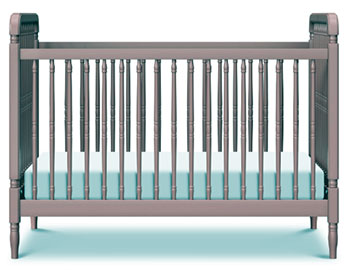
While aesthetically pleasing, the choice of materials and the intricate design do come with some drawbacks. It is important to know these limitations so you aren’t disappointed by normal wear and tear. Here are the downsides you should consider.
- Soft Wood is Prone to Dings and Scratches: The trade-off for using sustainable New Zealand pine is that it is a relatively soft wood. It does not have the rock-hard durability of oak or maple. This means belt buckles, metal buttons on jeans, or aggressive teething can leave marks on the top rail. If you are someone who needs your furniture to look brand new forever, this “patina” might bother you. You have to be gentle when leaning over the crib to avoid scratching the finish with zippers or jewelry.
- Assembly Can Be Tedious: Spindle cribs are notoriously more annoying to clean and assemble than solid-panel cribs. You have to ensure multiple vertical bars are seated correctly in the frame before tightening. Dust also loves to settle on the intricate turns of the spindles, meaning you have more surface area to wipe down during your cleaning routine. It isn’t “hard” to assemble, but it is time-consuming compared to a simple four-panel modern crib.
- Exposed Hardware on the Interior: While the exterior looks polished, some parents note that the screws or bolt heads are visible on the inside of the frame. Namesake does a good job of hiding hardware generally, but some connections are inevitable. For a crib that aims for a high-end look, seeing a silver or gold bolt head can slightly break the illusion of a handmade antique. It is a minor aesthetic gripe, but one that distinguishes it from $1,000+ luxury cribs with completely hidden joinery.
- No Wheels for Mobility: Unlike the classic Jenny Lind cribs which often come on casters, the Liberty sits flush on the floor with sturdy legs. This makes the crib much harder to move once it is assembled. If you plan on moving the crib between rooms or pulling it away from the wall frequently to vacuum, you will struggle with its weight and lack of wheels. It is designed to be a stationary piece of furniture, not a portable bassinet replacement.
Maintenance Tips For Namesake Liberty Crib
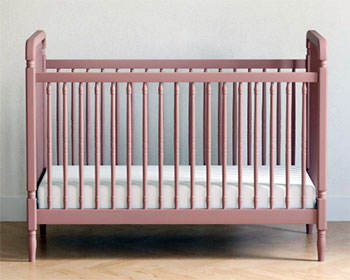
Since this is a piece of furniture that will house your child for several years, maintaining its structural integrity and finish is vital. The soft wood requires a specific approach to care. Here are the best ways to keep your Liberty crib looking and functioning great.
- Regular Hardware Checks: Wood expands and contracts with changes in humidity and temperature, which can cause bolts to loosen over time. You should check the tightness of the main assembly screws every 2 to 3 months. Do not overtighten them, as this can crack the soft pine wood, but ensure they are snug enough that the crib doesn’t wobble. This is especially important if you live in a climate with distinct seasons where your home’s humidity fluctuates.
- Gentle Cleaning Protocol: Harsh chemicals can strip the non-toxic paint finish or cause discoloration. Avoid using bleach, abrasive sponges, or strong all-purpose cleaners on the crib. Simply use a damp microfiber cloth to wipe down the spindles and top rails to remove dust and drool. If a deeper clean is needed, a mild solution of water and baby-safe soap is sufficient. Dry the wood immediately after wiping to prevent moisture form seeping into the grain.
- Teething Rail Protection: Once your baby starts pulling up and teething, the top rail of the crib becomes a prime target for chewing. Because pine is soft, a teething baby can do significant damage quickly. Consider buying a fabric rail cover or a clear, food-safe plastic guard specifically designed for crib rails. This protects the wood from bite marks and protects your baby from ingesting any paint chips or wood splinters. Install this before you see the first bite mark, not after.
- Mattress Support Care: The metal spring support that holds the mattress can collect dust and lint in its crevices. When you change the sheets, take a moment to vacuum the mattress support and the corners of the crib frame. Check that the spring system isn’t sagging and that the hooks are securely attached to the frame at the correct height level. Keeping this area clean reduces allergens in your baby’s sleep environment.
Comparison with Other Brands
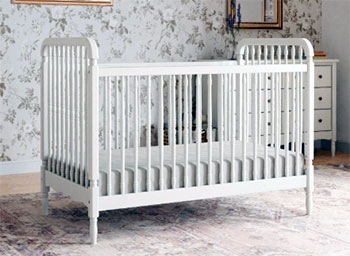
The “vintage spindle” look is very popular, and Namesake has stiff competition. To understand the value of the Liberty, we need to compare it to its “cousins” and competitors. Here is how it stacks up against other popular cribs.
- Namesake Winston 4-in-1 Crib: This is often the biggest dilemma for parents—Liberty (Wood) or Winston (Metal). Comparison: The Winston is made of premium steel, giving it a completely different tactile feel—it is cold, hard, and heavier. The Winston mimics an iron bed frame perfectly and is arguably more durable against scratches than the Liberty’s pine. However, the Liberty is “warmer” and quieter (no metal clanking sounds). The Winston is typically more expensive than the Liberty. If you want the true “antique iron bed” look and don’t mind the cold metal, get the Winston; if you want the cozy factor, get the Liberty.
- DaVinci Jenny Lind 3-in-1 Convertible Crib: This is the budget-friendly classic that has been around for decades. Comparison: The DaVinci Jenny Lind is significantly cheaper than the Liberty. However, the spindles on the DaVinci are much thinner, giving it a more delicate, lightweight appearance. The DaVinci comes with wheels (casters), making it mobile, which the Liberty lacks. The Liberty feels like a piece of furniture; the DaVinci feels more like a standard baby product. If budget is your priority and you like the wheels, DaVinci is great; if you want a substantial, high-end look, the Liberty wins easily.
- Babyletto Lolly 3-in-1 Convertible Crib: While not a spindle crib, this is the other top contender in the mid-range aesthetic category. Comparison: The Lolly features a modern, two-tone design with round spindles, offering a mid-century modern vibe rather than vintage. The Lolly is also made of New Zealand pine (same parent company, Million Dollar Baby), so the wood softness is similar. The Lolly has a lower profile, making it easier for short parents to reach in, whereas the Liberty has a higher stance. If your nursery theme is “Vintage/Traditional,” go Liberty; if it is “Scandi/Modern,” go Lolly.
- Little Seeds Monarch Hill Ivy Crib: This is a direct competitor for the “vintage metal” look but at a lower price point. Comparison: The Little Seeds crib is metal, like the Winston, but often sold at a price closer to the Liberty. The finish on the Little Seeds can sometimes look more “painted” and less authentic than the Namesake options. It is much lighter weight than the Winston but retains the “cold” feel of metal. The Liberty offers a conversion kit included, whereas budget metal cribs often require separate purchases or don’t convert as elegantly. The Liberty feels safer and more substantial than the Little Seeds option.
Also Read: My Thoughts On Newton Baby Essential Bassinet
Frequently Asked Questions (FAQ)
Yes, the Namesake Liberty 3-in-1 crib comes with the toddler bed conversion kit included in the box. You do not need to purchase a separate rail to convert it into a toddler bed, which is a significant cost saving compared to other premium brands. However, if you want to convert it to a full-size bed later (if applicable to your specific model variation, though the Liberty is typically 3-in-1), you would need a separate kit, but the toddler stage is covered.
The primary difference is the material. The Namesake Liberty is made of solid New Zealand pinewood, offering a softer, warmer feel. The Namesake Winston is made of premium steel, mimicking a vintage iron crib, which is colder to the touch and heavier. Both offer a similar vintage aesthetic, but the Liberty has thicker spindles while the Winston has metal bars.
Yes, the Liberty crib is Greenguard Gold Certified. This means it has been tested for over 10,000 chemicals and VOCs (volatile organic compounds) to ensure it does not pollute your indoor air quality. This certification makes it a safe choice for a nursery where your baby will be sleeping for many hours a day.
Yes, the Liberty is designed to fit any standard full-size crib mattress. The interior dimensions are standard, so you can use a mattress from brands like Newton, breathablebaby, or any coil mattress found at big-box stores. Ensure the fit is snug with no more than two fingers of space between the mattress and the crib frame for safety.
Conclusion
The Namesake Liberty Crib is a triumph of design and practicality. It captures the nostalgic beauty of a vintage spindle crib without the safety anxieties of buying antique furniture. Its robust pine construction offers a warmth and sturdiness that metal alternatives often lack, making the nursery feel cozy rather than clinical. While the soft wood requires a bit of care to prevent scratches, the inclusion of the toddler conversion kit and the Greenguard Gold certification make it an exceptional value for the price.
If you are designing a nursery that feels timeless, elegant, and safe, the Liberty is a fantastic choice. It anchors the room with a sense of history while providing modern safety features. For parents torn between the “metal bed” look and the comfort of wood, the Liberty is the perfect compromise that doesn’t compromise on style.