
If you or a loved one suffers from asthma, COPD, or frequent respiratory infections, you know the panic that sets in when you are away from your heavy home nebulizer. The fear of a flare-up during a vacation, a long drive, or even a day at the office can be paralyzing.
That is where the Nainley Portable Nebulizer enters the conversation. It promises to cut the tether to your wall outlet, offering a silent, pocket-sized solution that delivers medication just as effectively as the bulky tabletop compressors of the past.
If you are ready to regain your freedom and manage your respiratory health on your own terms, you should buy this product directly from the official Nainley website to ensure you receive the authentic device covered by their warranty.
My Experience With Nainley Portable Nebulizer
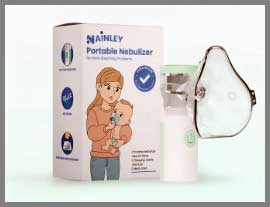
Living with chronic respiratory issues usually means planning your life around your medication schedule.
For years, I was the person who couldn’t go on camping trips or stay late at events because I needed to be near my “jet engine” nebulizer—that loud, clunky box that scares the cat and announces my condition to the entire house.
When I first saw the ads for the Nainley Portable Nebulizer, I was skeptical. Could something the size of an electric razor really deliver the same relief as my medical-grade compressor?
I decided to take the plunge before a planned weekend getaway. I ordered the unit, and when it arrived, I was immediately struck by how lightweight it was. It fit easily into my toiletries bag with room to spare. The setup was intuitive; there were no complex tubes or filters to assemble. I simply popped in the batteries (it also works via USB, which I tested later), poured my albuterol solution into the cup, and pressed the button.
The first thing I noticed—or rather, didn’t notice—was the sound. It was virtually silent. My old unit used to sound like a lawnmower, but this emitted only a faint, rhythmic hiss. I could watch TV or have a conversation without turning up the volume. As for the performance, the mist was surprisingly fine and consistent. I felt that familiar opening of my airways within minutes, just as I would with my home unit.
However, using a portable mesh nebulizer requires a shift in mindset. Unlike my heavy-duty home unit that I could abuse and ignore, the Nainley requires respect. During my second week of use, I made the mistake of letting the medication sit in the cup after a treatment because I was in a rush. When I came back later, the mesh was clogged, and the mist was sputtering. I had to learn the hard way that these devices need immediate cleaning. Once I got into the routine of rinsing it right after use, it went back to working perfectly.
The freedom it gave me was the real game-changer. I used it in the car (as a passenger) without needing an adapter. I used it in a hotel room without waking my partner. It didn’t feel like a medical procedure; it felt like a quick, manageable part of my day. While it hasn’t completely replaced my tabletop unit for deep, heavy-duty sessions when I’m sick at home, it has become my go-to for everything else. It is the difference between feeling trapped by my condition and feeling in control of it.
Also Read: My Thought on Boogie Micro Mist Saline Inhaler
Pros Of Nainley Portable Nebulizer
- Whisper-Quiet Operation: The most immediate and life-changing benefit of the Nainley nebulizer is the noise level—or lack thereof. Traditional jet nebulizers use a compressor to force air through liquid, creating a noise level often exceeding 60 decibels, which is comparable to a loud conversation or background traffic. The Nainley uses vibrating mesh technology, operating at a frequency that is barely audible to the human ear. This allows for discreet treatments in public spaces, offices, or even movie theaters without drawing unwanted attention. For parents, this is a godsend; you can administer a breathing treatment to a sleeping child without waking them up, a feat that is impossible with a standard compressor unit.
- True Pocket-Sized Portability: Unlike “portable” jet nebulizers that still require a carrying case and weigh several pounds, the Nainley is truly handheld. It weighs only a few ounces and is compact enough to slide into a jacket pocket or a small purse. This extreme portability ensures compliance; you are far more likely to take your medication on time if you don’t have to lug around a heavy machine. Whether you are hiking, traveling by plane, or simply commuting to work, the device ensures your respiratory relief is always within arm’s reach, reducing the anxiety that often accompanies leaving the house.
- Dual Power Options: Flexibility is key when dealing with chronic health conditions. The Nainley nebulizer offers two power modes: battery operation and USB power. You can use standard AA batteries for complete cordless freedom, which is perfect for camping or power outages. Alternatively, you can plug it into a USB port on your laptop, a power bank, or a car charger using the included cable. This redundancy ensures that you are never left without a way to power your device. If your batteries die unexpectedly, you likely have a USB source nearby, adding a layer of safety for those with critical breathing needs.
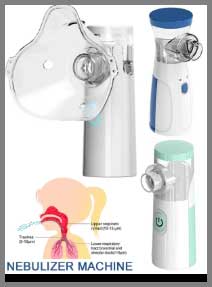
- Efficient Medication Delivery: Despite its small size, the device utilizes advanced mesh technology to create a nebulized mist with a particle size typically between 1 and 5 microns. This is the “sweet spot” for respiratory medication, as particles of this size are small enough to bypass the upper airways and penetrate deep into the lungs and alveoli where they are needed most. This efficiency means you aren’t just coating your throat with medicine; you are getting a therapeutic dose comparable to hospital-grade machines. Many users find that their treatments are faster because the mesh atomizes the liquid more consistently than the sputtering airflow of a cheap compressor.
- Less Medication Waste: Traditional nebulizers often leave a significant amount of “residual volume”—the liquid medicine left in the cup that the machine can’t turn into mist. Over time, this wasted medication adds up, both financially and therapeutically. The design of the Nainley’s medication cup, often with a slanted or gravity-fed bottom, ensures that nearly every drop of the solution comes into contact with the vibrating mesh. This maximizes the dosage you receive and ensures you aren’t throwing expensive prescription fluids down the drain after every session.
- User-Friendly Design: The device is designed with simplicity in mind. It typically features a one-button operation, making it accessible for children and the elderly who might struggle with complex medical equipment. The medication cup usually has a secure latch to prevent spills, and the mask or mouthpiece attaches easily. The lack of tubing means there is less surface area for bacteria to hide and fewer parts to lose. This simplicity reduces the friction of starting a treatment, encouraging better adherence to your doctor’s prescribed schedule.
Cons Of Nainley Portable Nebulizer
- Fragility of the Mesh Component: The core technology of this device—the vibrating mesh—is also its Achilles’ heel. This mesh is made of microscopic holes that are incredibly delicate. Unlike a jet nebulizer cup that you can scrub or boil, the mesh on the Nainley can be permanently damaged by too much pressure, hot water, or even touching it with a cotton swab. If the mesh breaks or warps, the device becomes useless. This fragility means the unit has a shorter lifespan than a robust compressor nebulizer and may need replacement parts more frequently, which can be an ongoing cost that users must anticipate.
- Strict Cleaning Requirements: This is not a device for the lazy. Because the holes in the mesh are so tiny, they clog incredibly easily. If you let saline or medication dry in the cup for even 10 minutes after a treatment, the crystals can block the mesh, rendering the device inoperable. You must clean it immediately after every single use, usually by running warm distilled water through it. This high-maintenance requirement can be frustrating when you are tired, sick, or in a hurry. Failing to adhere to this strict regimen is the number one reason users report the device “stopped working” after a few weeks.
- Battery Consumption: While the option to use batteries is a pro, the rate at which the device consumes them can be a con. Vibrating a metal mesh thousands of times per second requires a surprising amount of energy. If you rely solely on AA batteries, you may find yourself replacing them every few days depending on the frequency of your treatments. This can get expensive and environmentally wasteful. Users who do not invest in high-quality rechargeable batteries or a power bank may find the constant need for fresh power a significant nuisance.
- Not Suitable for All Medications: While the Nainley works beautifully for thin liquids like saline and albuterol, it struggles with more viscous (thick) medications. Some steroids or antibiotics prescribed for nebulization are too thick to pass through the fine mesh effectively. Using them can clog the device or result in an agonizingly slow treatment time. You must consult your doctor or pharmacist to ensure your specific prescription is compatible with a mesh nebulizer. If you require hypertonic saline or heavy antibiotics, this portable unit might not be a viable replacement for your jet compressor.
- Shipping and Customer Service Delays: As with many online-exclusive health products, some users have reported longer-than-expected shipping times or difficulty reaching customer support for warranty issues. Unlike buying a device from a local pharmacy where you can exchange it instantly if it’s defective, relying on an online order means you might be without your device for days or weeks if a problem arises. This lag time can be dangerous for someone with a critical respiratory condition, meaning you should always have a backup plan or a secondary device available.
- Lack of Heated Mist: Some users with specific conditions prefer a warm mist to soothe their airways. Compressor nebulizers can sometimes generate a slightly warmer aerosol due to the friction of the air, or can be used with warm water baths. The Nainley, being an ultrasonic mesh device, produces a cool mist. For some, this cool mist can trigger a cough reflex or feel uncomfortable in the winter months. While this is a preference rather than a defect, it is a limitation of the technology that potential buyers should be aware of before switching from a different type of system.
Maintenance Tips For Nainley Portable Nebulizer
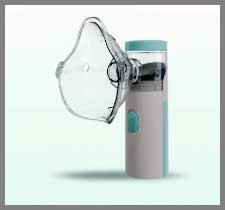
- The “Immediate Rinse” Rule: The golden rule of owning a mesh nebulizer is to never let it dry out with medication inside. The second your treatment is finished, open the cup and pour out any tiny amount of residue. Pour in a small amount of warm (not hot) distilled water and run the device for 30 seconds to a minute. This flushes the medication out of the microscopic holes in the mesh before it can crystallize. If you make this a habit, your device will last months or years; if you skip it, it may last only weeks.
- Weekly Vinegar Disinfection: To prevent bacterial growth and remove stubborn mineral deposits, you need to perform a deeper clean once a week. Create a solution of one part white vinegar to three parts warm distilled water. Pour this into the medication cup and let it sit for about 10 to 15 minutes. Do not boil the medication cup, as the heat can warp the plastic and damage the electronics connected to the mesh. After soaking, rinse thoroughly with distilled water and run the device with plain water to clear the vinegar taste.
- Use Distilled Water Only: Never use tap water to clean or run your Nainley nebulizer. Tap water contains minerals like calcium and magnesium that are harmless to drink but deadly to a mesh nebulizer. As the water evaporates, these minerals leave behind a hard scale (calcification) that bonds to the mesh and permanently clogs it. Investing in a gallon of distilled water for cleaning purposes is a small price to pay to protect your investment.
- Air Dry Completely: After cleaning, shake off excess water gently. Do not use a towel or tissue to dry the inside of the medication cup, as lint can get stuck in the mesh. Place the parts on a clean, dry paper towel in a dust-free area and let them air dry completely before reassembling. Trapped moisture in a closed device can lead to mold growth or damage the electrical contacts between the cup and the main body.
- Protect the Mesh Plate: The metal mesh is the heart of the device. Never touch it with your fingers, as the oils from your skin can clog it. Never poke it with a needle, toothpick, or cotton swab to try and unclog it. Even the slightest pressure can deform the mesh, changing the particle size of the mist or stopping it altogether. If you see visible debris, rely on the vinegar soak or a gentle stream of distilled water to dislodge it, never physical force.
- Remove Batteries for Storage: If you plan on using the USB cable for a while, or if you are putting the device away for a few weeks, take the batteries out. Leaking battery acid can corrode the internal contacts and destroy the unit. Additionally, some devices drain a tiny amount of power even when off, so removing the batteries ensures you don’t pick up a dead unit when you need it most in an emergency.
Comparison with Other Brands
- Omron MicroAir U100:
- Reliability: The Gold Standard: Omron is a medical device giant, and the MicroAir U100 is widely considered the benchmark for portable mesh nebulizers. It is significantly more durable and has a reputation for lasting years.
- Price: Premium Cost: The Omron unit is often three to four times the price of the Nainley. You are paying for the brand trust, superior quality control, and widely available customer support.
- Usage: 360-Degree Operation: One unique feature of the Omron is that it can be used in almost any position, even lying down, which is a massive advantage for bedridden patients or sleeping children. While the Nainley is portable, it may require being held upright to feed the solution properly.
- Philips InnoSpire Go:
- Design: Simplicity and Speed: The Philips model (often discontinued or replaced by newer models) was famous for its two-piece design that made cleaning incredibly easy. It typically delivered medication faster than generic mesh units (treatment in 4 minutes vs. 10 minutes).
- Battery: Integrated Lithium-Ion: Unlike the Nainley which often uses AA batteries, high-end competitors like Philips often use built-in rechargeable batteries. This saves money on disposables but means the device is useless once the internal battery eventually degrades.
- Verdict: Better for Daily Heavy Use: If you nebulize 3-4 times a day every day, the robust engineering of a Philips or Omron is worth the extra money. For occasional travel use, the Nainley offers better value.
- Traditional Jet Nebulizers (e.g., Pari Trek S):
- Technology: Compressor vs. Mesh: The Pari Trek S is a portable compressor nebulizer. It uses air pressure rather than vibration. This makes it louder than the Nainley but infinitely more durable. You can boil the parts, drop them, and use any medication (even thick ones) without fear of clogging.
- Portability: Bulky but tough: While the Trek S is “portable” (battery pack available), it is still a brick compared to the featherlight Nainley. It requires a carrying case and more assembly.
- Best For: The “Rough” User: If you are clumsy, or if you need to nebulize thick antibiotics, the Jet technology of the Pari is superior. If silence and discretion are your priority, the Nainley wins.
Also Read: My Thought on Why You Should Buy Vivvi & Bloom Baby Wash
Frequently Asked Questions (FAQ)
Yes, generally speaking. High-quality portable mesh nebulizers create a particle size (1-5 microns) that is just as effective at reaching the lower lungs as a plug-in compressor nebulizer. However, the effectiveness depends heavily on maintenance. A clogged portable unit will not deliver the correct dosage, whereas a plug-in unit is more consistent over time with less maintenance.
No, absolutely not. You should never use tap water for inhalation because it is not sterile and may contain amoebas or bacteria that can cause severe lung infections. Furthermore, the minerals in tap water will calcify on the delicate mesh of the Nainley, permanently clogging the device and ruining it within a few uses. Always use sterile saline for treatments and distilled water for cleaning.
You should rinse the medicine cup with warm distilled water immediately after every use. For disinfection, most manufacturers recommend soaking the cup in a solution of one part white vinegar to three parts warm water for 15 minutes once a week. Do not boil the mesh cup or put it in the dishwasher, as high heat can melt the plastic and damage the piezoelectric element.
The device itself can often be purchased online without a prescription, but the medication you put inside it (like Albuterol, Budesonide, or Ipratropium) strictly requires a doctor’s prescription. The device is merely a delivery system. You should always consult your doctor before switching from a prescribed inhaler or home nebulizer to a portable unit to ensure it is suitable for your specific medication plan.
Conclusion
The Nainley Portable Nebulizer represents a significant step forward in patient freedom, offering a silent, discreet, and highly effective way to manage respiratory conditions on the go. While it demands a stricter cleaning routine than older compressor models, the trade-off for true portability and silence is well worth it for many users. If you are ready to stop letting your condition dictate your schedule, you should buy this product at the official Nainley website to guarantee you get the best support and warranty available.