
I know exactly where you are right now. You are standing in the middle of the pharmacy aisle, squinting at the bright boxes under the fluorescent lights, head pounding, throat scratching, and just trying to figure out which bottle will let you sleep for more than twenty minutes. I have been there more times than I care to admit. The choice between Mucinex Fast-Max and Mucinex DM isn’t just about the colors on the box; it is about whether you need to nuke a full-blown flu or just quiet a nagging cough so you can function at work.
In this guide, I am going to break down the differences based on my own miserable days spent nursing colds. I will help you figure out if you need the heavy-hitting, multi-symptom relief of Fast-Max or the long-lasting, steady cough control of Mucinex DM. By the end of this, you will know exactly which one to grab so you can get back to bed.
A Brief Comparison Table
| Feature | Mucinex Fast-Max (Severe Congestion & Cough) | Mucinex DM (Extended Release) |
| Primary Use | Full Cold & Flu Symptoms (Fever, Body Ache, Cough, Congestion) | Chest Congestion & Cough Suppression |
| Active Ingredients | Acetaminophen, Dextromethorphan, Guaifenesin, Phenylephrine | Guaifenesin, Dextromethorphan |
| Form | Liquid or Liquid Gels | Bi-layer Tablet |
| Dosing Frequency | Every 4 Hours | Every 12 Hours |
| Pain Relief | Yes (Contains Acetaminophen) | No |
| Nasal Decongestant | Yes (Contains Phenylephrine) | No |
| Release Type | Immediate Release | Extended Release (Immediate + 12 Hour) |
My Experience With Mucinex Fast-Max And Mucinex DM
I have a distinct strategy when it comes to getting sick. There are two “levels” of sick for me, and that is exactly how I decide between these two products.
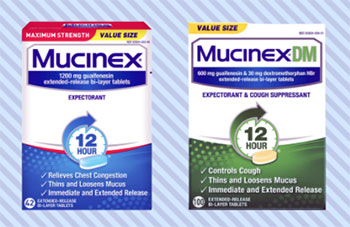
I usually reach for Mucinex Fast-Max when I feel like I have been hit by a truck.
You know that feeling—where your joints ache, your head is throbbing from sinus pressure, and you are hot and cold at the same time.
I remember last winter, I woke up with a fever of 101°F and a cough that rattled my ribs.
I grabbed the Fast-Max liquid (the blue bottle).
The experience is intense; the liquid has that distinct medicinal “cooling” flavor that coats your throat instantly. Within about twenty minutes, I could feel the acetaminophen kicking in to lower my fever, and the phenylephrine started to open up my nose just enough to breathe. It feels like a “rescue” medication. However, the catch was that I had to keep watching the clock. Since it wears off in about four hours, I found myself waking up in the middle of the night needing another dose. It is a sprint, not a marathon.
On the flip side, Mucinex DM is my go-to when I am “functional but miserable.” I use this when the fever is gone, the body aches are gone, but that deep, wet chest congestion just won’t leave. I recall a week where I had to go into the office despite lingering bronchitis. Taking Fast-Max would have made me loopy and required me to carry a bottle around. Instead, I took one giant Mucinex DM pill at 8:00 AM. The “bi-layer” tablet is fascinating—one side dissolves fast, the other slowly. I didn’t feel an immediate “hit” of relief like the liquid, but by 10:00 AM, I realized I wasn’t coughing every time I laughed or spoke. It just quietly works in the background. It doesn’t make you feel “medicated,” it just makes you feel normal. The downside? Swallowing those pills is like trying to swallow a small lego brick. You definitely need a full glass of water.
Read More: My Thoughts On Chestal Honey Cough Syrup
Pros Of Mucinex Fast-Max
- Comprehensive “All-In-One” Relief: The biggest selling point for me has always been that Fast-Max is essentially a cocktail of every over-the-counter relief you might need during the peak of a virus. When you are truly sick, you don’t want to play chemist and mix three different pills. Fast-Max combines a pain reliever (Acetaminophen) for your headache and fever, a cough suppressant (Dextromethorphan) to stop the hacking, an expectorant (Guaifenesin) to loosen the gunk, and a nasal decongestant (Phenylephrine) to help you breathe. I have found this incredibly convenient when I am too groggy to think straight. You just take one dose, and it addresses the entire spectrum of misery simultaneously. It saves you from buying separate bottles of Tylenol and cough syrup, which also saves you money in the long run.
- Fast-Acting Liquid Format: There is a psychological and physical benefit to the liquid form. Because it is already dissolved, I feel like it hits my system faster than a tablet that needs to break down in my stomach. When you have a sore throat, swallowing a large pill can be agony. The thick liquid of Fast-Max actually provides a moment of coating relief to raw throat tissue on its way down. For me, when I wake up in the middle of the night coughing my lungs out, I don’t want to wait 45 minutes for a pill to work. I want relief now, and the liquid format delivers that rapid onset that helps you get back to sleep quickly.
- Flexible Dosing Schedule: While dosing every four hours can be a chore, it also offers flexibility. If you take a dose at noon and start feeling better by 4:00 PM, you can stop taking it. With the 12-hour tablets, you are committed to that medication being in your system for half the day. I prefer the short-acting nature of Fast-Max during the day because it allows me to gauge how I am actually feeling. If my headache goes away, I can switch to a product with fewer ingredients for the next dose. It gives you more control over your medication intake hour-by-hour, preventing you from being over-medicated if your symptoms improve rapidly.
- Nightshift Variants Available: Mucinex Fast-Max is often sold in “Day & Night” combo packs, which is a brilliant feature. The Nightshift version usually swaps out the non-drowsy ingredients for an antihistamine like Triprolidine or Doxylamine that actually helps you sleep. I have found this separation of day and night formulas to be essential. You get the non-drowsy, productive relief during the day so you can work, and then a formula that practically knocks you out for a restorative sleep at night. Having both options in one box simplifies the entire sickness management process.
- Potent Nasal Decongestion: The inclusion of a dedicated nasal decongestant is a major pro for head colds. Mucinex DM does not have a decongestant. If you have that feeling where your face is about to explode from sinus pressure, Mucinex DM won’t help you with that specific pain. Fast-Max addresses the “head heavy” sensation. I have found that without the decongestant, I might stop coughing, but I still feel miserable because I can’t breathe through my nose. Fast-Max clears the airways from both ends—the lungs and the sinuses—providing a much more complete sensation of “breathing free.”
Cons Of Mucinex Fast-Max
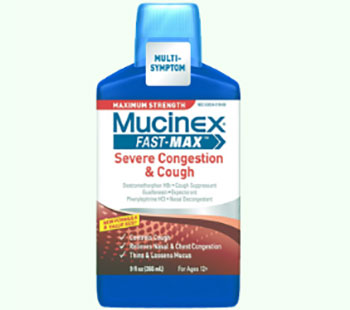
- High Risk of Acetaminophen Overdose: This is the most critical downside that I think people ignore. Fast-Max contains Acetaminophen (the active ingredient in Tylenol). If you are not paying attention and you take a dose of Fast-Max, and then pop two Tylenol because your head still hurts, you are putting your liver in danger. I have almost done this myself in a sick daze. You have to be hyper-vigilant about reading labels of other cold medicines you might be taking. Because it is a “combo” drug, it limits what else you can take. You can’t just add more pain relief if the 325mg in the dose isn’t cutting it without risking toxicity. It takes the flexibility of pain management out of your hands.
- Short Duration of Action: The four-hour dosing window is a double-edged sword. While flexible, it is also exhausting. If you take a dose at 10:00 PM, it is going to wear off at 2:00 AM. I have woken up countless times in the middle of the night because the medicine wore off, sweating and coughing, forcing me to get out of bed, measure a cup of syrup, and wait for it to kick in again. It interrupts your rest cycle. Compared to the 12-hour peace you get from the bi-layer tablets, the “rollercoaster” of relief and symptom return with Fast-Max can be physically draining over a few days.
- The Taste and Texture: Let’s be honest, liquid cough medicine is gross. Fast-Max tries to mask it with “Berry” or “Cooling” flavors, but it still tastes like chemicals. The texture is thick and syrupy, which can trigger a gag reflex if you are already feeling nauseous from the flu. I have had moments where getting the dose down was a struggle in itself. Afterwards, you are left with a sticky measuring cup that you have to wash out in the bathroom sink, leaving blue or red residue everywhere. It is a messy, unpleasant experience compared to just swallowing a pill.
- Contains Ingredients You Might Not Need: If you only have a cough and congestion, taking Fast-Max means you are also dosing yourself with a pain reliever and a decongestant that your body doesn’t require. I am generally wary of putting unnecessary chemicals into my system. If I don’t have a fever or a headache, why am I processing Acetaminophen? It adds load to your liver and kidneys without any benefit. This “shotgun approach” to medication treats symptoms you don’t have, which isn’t the most responsible way to medicate if your symptoms are isolated to just your chest.
- Phenylephrine Efficacy Concerns: Recent FDA advisory panels have discussed that oral Phenylephrine (the decongestant used in the shelf-stable version of Fast-Max) might be ineffective at the standard doses. If you are buying this specifically for a stuffy nose, you might be disappointed. I have found that for severe congestion, the behind-the-counter stuff (Pseudoephedrine) works miles better. So, you might be paying a premium for a “Max Strength” decongestant that is actually just a placebo effect for your nose, while the other ingredients do the real work.
Pros Of Mucinex DM
- 12-Hour Extended Release Technology: The absolute standout feature of Mucinex DM is the bi-layer tablet. One side releases immediately, and the other slowly dissolves over 12 hours. This provides a steady baseline of medication in your blood. I love this for the workday. I can take one at 7:00 AM and know that I am covered until I get home at 7:00 PM. There is no carrying bottles to work, no sneaking off to the bathroom to measure syrup, and no “crash” in the middle of a meeting where I suddenly start coughing uncontrollably. It creates a stable “cough-free zone” that lets you live your life.
- Targeted Relief: Mucinex DM is a sniper, not a shotgun. It contains only two ingredients: Guaifenesin to thin the mucus and Dextromethorphan to stop the cough reflex. If you don’t have a fever, body aches, or nasal congestion, this is the superior choice. I prefer this when I am on the tail end of a cold. I don’t need Tylenol anymore, I just need to stop sounding like a barking seal. It feels cleaner to take only what I need. It also means you can take a separate Ibuprofen or Acetaminophen if you develop a headache later, giving you control over your pain management.
- No Drowsiness (Usually): Unlike some multi-symptom syrups that contain antihistamines or alcohol, Mucinex DM is generally non-drowsy. I have never felt “foggy” taking it. This makes it safe to drive, operate machinery, or just do complex tasks at work without feeling like your brain is wrapped in cotton wool. For students or professionals who cannot afford to take a sick day but need to manage symptoms, this clarity is invaluable. You get the physical relief without the mental penalty.
- Huge Dosage of Guaifenesin: The standard Mucinex DM tablets often contain a higher total load of Guaifenesin (600mg or 1200mg in Maximum Strength) delivered consistently compared to the up-and-down dosing of liquids. I have found this to be incredibly effective at actually “breaking up” the chest congestion. You will notice that your cough becomes more productive—meaning when you cough, stuff actually comes up, rather than just hurting your chest. It turns a dry, useless cough into a productive one that clears your lungs out faster.
- Travel Friendly: Comparison to a sticky liquid bottle, a blister pack of tablets is a dream for travel. I always keep two tablets in my laptop bag just in case. They don’t leak, they don’t expire as quickly once the box is opened, and they don’t require any accessories like spoons or cups. If you are getting on a plane and want to ensure you don’t cough on your neighbor for six hours, popping a Mucinex DM before the flight is the ultimate polite move. It is discreet and portable.
Cons Of Mucinex DM
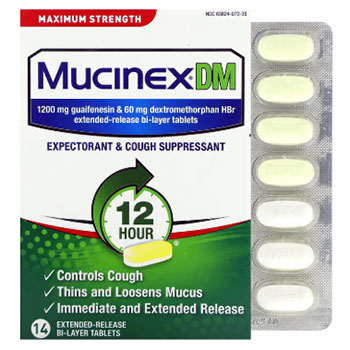
- The Size of the Pills: There is no getting around this—the pills are enormous. They are often jokingly referred to as “horse pills.” If you have any difficulty swallowing tablets, Mucinex DM will be a nightmare for you. I have had them get stuck halfway down, which is a terrible sensation. You have to commit to the swallow with a large gulp of water. They are not coated in sugar or anything slippery, they are just large, chalky ovals. For children or elderly people with dysphagia, this is a genuine dealbreaker that forces them toward the liquid options.
- Slow Onset of Action: Because it is a tablet that has to dissolve, you do not get that instant relief. If I am in a coughing fit right now, taking a Mucinex DM won’t stop it for probably 45 minutes to an hour. It is a preventative maintenance tool, not an emergency brake. I have stood in the kitchen waiting for it to kick in, frustrated that I am still coughing. You have to plan ahead. You can’t chase the symptom; you have to stay ahead of it.
- Limited Symptom Coverage: If you wake up with a screaming headache or a fever, Mucinex DM does absolutely nothing for you. I have made the mistake of taking Mucinex DM when I actually had the flu, and I sat there miserable with body aches that wouldn’t go away. You then have to go find a separate bottle of pain reliever. If you are dealing with a complex illness with many symptoms, Mucinex DM feels insufficient. It is a specialist tool, and sometimes you need a generalist.
- Price Per Pill: Mucinex DM is notoriously expensive. When you look at the box, you might see “14 tablets” for $15 or $20. It feels like a rip-off compared to a generic bottle of syrup. Even though the duration is longer, the upfront sticker shock is real. I often find myself debating if I really need the brand name or if I can suffer through with a generic. While the bi-layer technology is unique to Mucinex and harder to find in generics, the cost adds up quickly if you are sick for a week or two.
- Gastrointestinal Side Effects: A side effect that isn’t talked about enough is that high doses of Guaifenesin can be hard on the stomach. I have experienced nausea and stomach cramping when taking Maximum Strength Mucinex DM on an empty stomach. Because the pill sits there releasing medication for 12 hours, that stomach upset can linger. It is recommended to take it with food, but when you are sick, you often don’t want to eat. This catch-22 can lead to some uncomfortable digestive issues right when you are trying to heal your lungs.
Also Read: My Thoughts On Ancient Remedies Revived
Frequently Asked Questions (FAQ)
It depends on your symptoms. Mucinex Fast-Max is better for severe cold/flu with fever, body aches, and nasal congestion.12 Mucinex DM is better if you only have chest congestion and a cough, as it avoids unnecessary medication.
The strongest forms are the “Maximum Strength” varieties. “Maximum Strength Mucinex DM” contains 1200mg of Guaifenesin and 60mg of Dextromethorphan per tablet.
No, absolutely not. Both products contain Guaifenesin and Dextromethorphan. Taking them together would lead to a double dose (overdose) of these ingredients, increasing the risk of severe side effects.
Yes. Mucinex Fast-Max contains Guaifenesin, which is an expectorant designed specifically to thin and loosen mucus in the chest.
Conclusion
When you are staring at that pharmacy shelf, your decision should be based on how “global” your sickness feels. If you feel like your entire body is under attack—fever, headache, sinus pressure, and a cough—grab the Mucinex Fast-Max. The liquid relief is immediate, and it treats the whole picture of the flu. However, if the worst of the sickness has passed and you are just left with that annoying, deep chest congestion and a cough that won’t quit, put the Fast-Max back and grab Mucinex DM. The 12-hour relief is a lifesaver for getting back to your daily routine without over-medicating yourself.