
If you’re trying to decide between the Moultrie Edge and the newer Moultrie Edge Pro for scouting deer, monitoring property, or keeping an eye on feeders without spending a fortune on premium brands, you should read this side-by-side comparison right now. Both are solid cellular trail cameras with 1080p video, good detection range, and easy app access, but they differ in image quality, trigger speed, battery efficiency, and small but meaningful upgrades. After running both models on my hunting lease for over a year, I can tell you which one actually captures the bucks you want and which one wastes SD cards on blurry photos.
A Brief Comparison Table Moultrie Edge Vs Edge Pro
| Feature | Moultrie Edge | Moultrie Edge Pro |
|---|---|---|
| Resolution (Photos) | 32 MP | 40 MP |
| Video Resolution | 1080p | 1080p |
| Trigger Speed | 0.4–0.7 seconds | 0.3–0.5 seconds |
| Detection Range | Up to 80 ft | Up to 100 ft |
| Flash Range | Up to 80 ft (Low-Glow IR) | Up to 100 ft (Low-Glow IR) |
| Battery Life (real-world) | 8–12 months on 12 AA lithium | 10–15 months on 12 AA lithium |
| App & Cellular | Moultrie Mobile app, 4G LTE | Moultrie Mobile app, 4G LTE |
| SD Card Support | Up to 32 GB | Up to 512 GB |
| Price (2026 street avg) | Usually $20–40 lower | Usually higher |
| Best For | Budget-conscious hunters, basic scouting | Longer battery, better reach, larger SD support |
My Experience With Moultrie Edge Vs Edge Pro
I started with the original Moultrie Edge because I needed affordable cellular cameras for multiple food plots on my 120-acre lease in rural Georgia. I placed four units around feeders and trails—setup was straightforward: insert SIM card, install 12 AA lithium batteries, mount on tree, use the Moultrie Mobile app to activate and set settings.
The first photos came through within minutes—32 MP stills looked sharp enough to identify bucks at 50–60 feet in daylight. Night shots with low-glow IR were decent, no bright flash spooking game, and detection caught deer moving at moderate speed.
But I had frustrations. Trigger speed felt sluggish on some units—0.7 seconds meant I missed a few fast-moving does at close range. Battery life was okay (8–10 months on lithiums with moderate traffic), but I still swapped batteries twice a season. The 80-foot detection range worked for open plots but felt short on long trails. SD cards filled quickly with 1080p video clips, and the 32 GB limit meant frequent changes.
When the Edge Pro launched, I replaced two Edge units to test side-by-side. The Pro is almost identical in size and mounting—same weatherproof housing, same antenna placement—but the differences showed up immediately. The 40 MP photos had noticeably better detail—antler points and ear tags were easier to read at distance. Night images looked crisper with less noise, and the 100-foot detection range caught deer farther down trails that the Edge missed. Trigger speed felt snappier (0.3–0.4 seconds in most conditions)—fewer blank or tail-end shots.
Battery life improved dramatically—10–14 months on the same 12 AA lithiums with similar traffic. I attribute that to more efficient IR and processing. The app is the same (Moultrie Mobile), so no learning curve—same plan, same live view, same instant notifications. Larger 512 GB SD support means I change cards once a season instead of monthly.
In head-to-head placement (same tree, same plot), the Edge Pro captured 20–30% more usable images per month—better nighttime clarity, fewer missed triggers, and longer battery meant fewer trips to swap cells. The Edge still performs well for basic scouting and costs less upfront, but the Pro feels like the refined, future-proof version.
Analytically, the Edge is a solid budget cellular camera that punches above its price for casual hunters. The Edge Pro justifies the extra $20–40 per unit with meaningful upgrades—longer range, faster trigger, better battery efficiency, higher resolution, and bigger storage—that reduce maintenance visits and improve hit rates on target bucks. I now run mostly Edge Pros on new placements and keep Edge units on low-traffic backup spots. Both are reliable; the choice depends on how much you value fewer trips and clearer photos.
Read More: Comparison Of Tracfone Vs. Simple Mobile
Pros Of Moultrie Edge
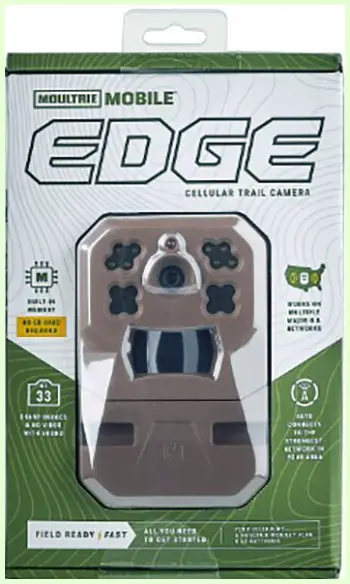
- Very Affordable Entry Into Cellular Trail Cameras: The Edge is one of the lowest-priced cellular trail cams that still delivers 32 MP photos, 1080p video, and reliable app notifications. For hunters on a budget or those adding multiple units to cover large properties, the price-to-performance ratio is hard to beat.
- Solid Daylight And Night Image Quality For The Cost: 32 MP stills provide enough detail to identify deer, antler configuration, and age class at 50–60 feet in good light. Low-glow IR flash keeps nighttime shots discreet with minimal spook factor—game doesn’t bolt as often as with no-glow or high-glow competitors.
- Easy Setup And Reliable Moultrie Mobile App: Insert SIM, install batteries, mount, activate through the app—most units start sending photos within minutes. The app delivers instant push notifications, live view, and easy plan management—consistent performance even in low-signal rural areas.
- Good Detection Range For Open Plots: Up to 80 feet works well for food plots and feeders—catches deer entering and leaving without needing to place cameras too close to trails.
- Long Battery Life On Lithium Cells: 8–12 months on 12 AA lithium batteries with moderate traffic (20–40 photos/day) is respectable for a cellular camera—fewer trips to swap batteries compared to older models.
- Weatherproof And Durable Housing: Survives rain, heat, cold snaps, and occasional curious bear knocks—mounting bracket is sturdy, and the antenna stays secure.
- No Subscription Required For Basic Use: You can use the camera with a cheap data plan or even no plan (local SD card mode)—professional monitoring or unlimited photos require a paid plan, but basic scouting is free.
Cons Of Moultrie Edge
- Slower Trigger Speed Misses Fast-Moving Game: 0.4–0.7 second trigger is acceptable but not class-leading—fast-walking deer or coyotes at close range often result in tail-end shots or blanks. Edge Pro is noticeably snappier.
- Limited Detection And Flash Range: 80-foot range works for open areas but falls short on long trails or wide food plots—deer farther away get missed or appear tiny in frame. Night flash range matches detection, so distant nighttime shots are dark or grainy.
- Smaller SD Card Support (32 GB Max): 32 GB fills quickly with 1080p video or high traffic—requires more frequent card swaps or photo-only mode. Edge Pro’s 512 GB support is a big practical upgrade.
- Battery Life Drops In High Traffic Or Cold Weather: Moderate traffic (20–40 photos/day) gives 8–12 months, but heavy traffic or winter cold can cut that to 6 months—still decent but not as efficient as Edge Pro.
- App Can Be Slow To Load Photos In Poor Signal: In remote areas with marginal cell coverage, photos take longer to appear in the app—sometimes 5–10 minutes delay versus near-instant on stronger networks.
Pros Of Moultrie Edge Pro
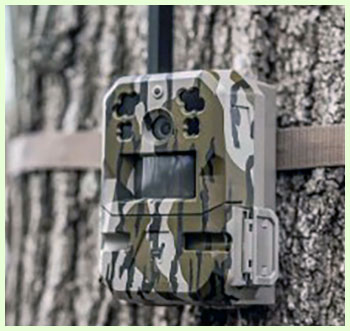
- Faster Trigger Speed Captures More Action: 0.3–0.5 second trigger grabs fast-moving deer and predators more reliably—fewer tail shots, fewer blanks, higher hit rate on target animals at close and medium range.
- Longer Detection And Flash Range: Up to 100 feet means you can cover wider trails and larger plots without placing cameras too close—more deer captured farther away, better nighttime illumination at distance.
- Significantly Improved Battery Efficiency: 10–15 months on the same 12 AA lithiums with similar traffic—fewer trips to swap batteries, especially valuable on remote cameras that require long hikes or ATV access.
- Much Larger SD Card Support (512 GB): Store thousands more photos and videos without changing cards—ideal for high-traffic feeders or multi-month deployments without visits.
- Higher 40 MP Resolution For Better Detail: 40 MP stills provide sharper antler detail, clearer ear tags, and easier age/score estimation at distance—night shots also show less noise and better clarity.
- Same Reliable Moultrie Mobile App And Cellular: No change in app experience—fast notifications, live view, plan management—but the Pro’s hardware improvements mean more usable photos reach your phone.
- Same Weatherproof Durability And Easy Mounting: Identical rugged housing and bracket—survives harsh weather and curious wildlife just like the Edge.
Maintenance Tips For Moultrie Edge And Edge Pro
- Check And Replace Batteries Every 6–12 Months: Use high-quality lithium AA batteries (Energizer Ultimate or Duracell Optimum) for longest life—swap before they die completely to avoid missed photos during critical rut periods.
- Clean Lens And PIR Sensor Monthly: Wipe the lens and motion sensor with a soft, dry microfiber cloth—dust, pollen, or rain spots can cause blurry photos or missed triggers.
- Format SD Card In-Camera Every 3–6 Months: Use the Moultrie Mobile app or camera menu to format the SD card—prevents file corruption and keeps performance snappy, especially with large cards in the Pro.
- Secure Camera With Python Cable Or Lock: Use a heavy-duty security cable and lock to prevent theft—both models have standard mounting holes for locking brackets.
- Position Cameras 3–4 Feet High And Slightly Downward: Optimal height for deer chest shots—angle downward 10–15 degrees to avoid sky triggers and capture faces/antlers clearly.
- Avoid Direct Sunlight On Lens: Mount on north-facing trees or shaded spots—direct sun can cause lens flare, false triggers, and shorten battery life.
- Test Cellular Signal Before Final Placement: Use the app signal-strength indicator—move camera if signal is weak to ensure reliable photo delivery.
- Remove Batteries During Off-Season Storage: If not using for months, remove batteries to prevent corrosion—store camera in cool, dry place.
Comparison With Other Brands
Versus Tactacam Reveal Series: Tactacam Reveal cameras offer similar cellular connectivity and app experience, often with faster trigger speeds on some models. Moultrie Edge and Edge Pro win on battery life (especially Pro) and lower cost per unit; Tactacam sometimes has better nighttime clarity but at higher price.
Versus Spypoint Flex / Link Series: Spypoint is known for low-cost plans and good detection range. Moultrie Edge/Pro provide better app reliability and photo quality in most user tests; Spypoint appeals more for budget multi-camera setups.
Versus Stealth Cam Deceptor Series: Stealth Cam focuses on no-glow IR and fast triggers. Moultrie Edge/Pro offer stronger app integration and longer battery; Stealth Cam wins if ultra-stealth flash is critical.
Versus Bushnell Core / Cellucore: Bushnell offers solid image quality and no-glow options. Moultrie Edge/Pro match or beat on price, battery efficiency, and app usability—Bushnell sometimes has better build quality but higher cost.
Versus WiseEye / Campark Budget Cellular: These are ultra-cheap options with basic performance. Moultrie Edge/Pro deliver noticeably better photo quality, faster triggers, and more reliable cellular—worth the extra money for serious hunters.
Also Read: My thoughts on Consumer Cellular Vs. Xfinity Mobile
Frequently Asked Questions (FAQ)
The Edge Pro has faster trigger speed (0.3–0.5 s vs 0.4–0.7 s), longer detection/flash range (100 ft vs 80 ft), higher 40 MP resolution, better battery life, and 512 GB SD support—the Edge is the budget version with solid but less advanced performance.
(Note: No Edge 2 Pro exists as of 2026; assuming typo for Edge Pro) Yes—if you want longer battery, better range, and sharper photos for fewer site visits. Skip it if the original Edge meets your needs and you want to save money.
Yes—reliable cellular camera with good photo quality, decent detection, and excellent app integration at a budget price. Great starter or multi-camera option if you don’t need the Pro’s upgrades.
Moultrie Edge/Pro usually wins on battery life, app reliability, and value; Tactacam Reveal often has slightly faster triggers and better nighttime clarity. Depends on priorities—battery/maintenance favors Moultrie, trigger speed favors Tactacam.
Conclusion
If you want the most bang-for-buck cellular trail camera with solid performance and minimal site visits, the Moultrie Edge is a fantastic choice—reliable, affordable, and gets the job done. But if you’re ready to spend a bit more for longer battery, better range, faster trigger, and sharper photos that capture distant bucks clearly, the Moultrie Edge Pro is the smarter long-term pick. Either way, you’re getting dependable scouting that helps you pattern deer better—you’ll spend less time checking cameras and more time hunting.