
In the saturated world of plant-based nutrition, finding a protein powder that doesn’t taste like dirt or leave you feeling bloated can feel like a never-ending quest. You have probably scrolled past hundreds of ads for pea protein, soy isolates, and hemp blends, all claiming to be the cleanest and most delicious option on the market. But recently, a new contender has entered the ring, boasting a “superfood” ingredient that most people have never heard of: Chocho. Mikuna Protein Powder claims to revolutionize the industry by using this ancient Andean lupin bean, promising better digestion and regenerative environmental benefits.
In this review, I am going to walk you through a detailed analysis of Mikuna Chocho Superfood Protein, breaking down everything from its unique ingredient profile to its actual taste and texture. I will compare it against some of the biggest names in the clean label space to see if it really stands out or if it is just another expensive bag of powder. Whether you are a vegan athlete or just someone trying to up their protein intake without stomach issues, this guide will help you decide if Mikuna is the right choice for your pantry.
My Experience With Mikuna Protein Powder
I have tried my fair share of vegan protein powders over the years, and I have largely resigned myself to the fact that “good for a plant protein” usually means “tolerable but gritty.” When I first heard about Mikuna, I was intrigued by the Chocho bean angle. I had never heard of it, but the promise of it being a complete protein that is naturally lectin-free was enough to make me click “buy.” I ordered the Cacao flavor, hoping it would satisfy my sweet tooth without the artificial aftertaste that plagues so many other brands.
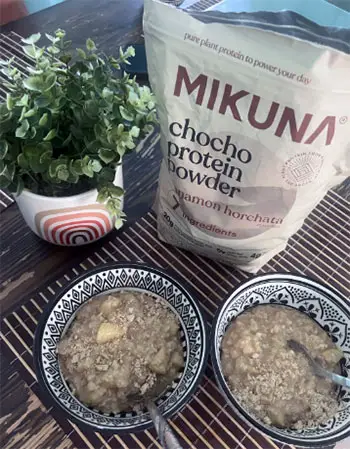
When the package arrived, I was impressed by the branding; it felt premium and earthy, aligning well with their regenerative farming message.
I opened the bag and was hit with a smell that was distinctly different from the usual pea protein isolate. It smelled nutty, almost like a mix between peanut flour and raw cocoa.
I decided to try it two ways: first, simply shaken with almond milk, and second, blended into my morning smoothie with a banana and some spinach.
The shaker bottle test is always the true gauntlet for any protein powder.
I mixed one serving with cold almond milk and shook it vigorously for about thirty seconds. The first sip was… interesting.
It wasn’t bad, but it was definitely different. The flavor was rich and earthy, not overly sweet, which I appreciated since they use monk fruit instead of heavy artificial sweeteners. However, the texture was a bit distinct. It wasn’t exactly gritty like sand, but it had a certain “flour-like” mouthfeel that didn’t fully dissolve in the way a whey isolate would. It reminded me a bit of chickpea flour but smoother.
The smoothie test was where Mikuna really shined. Once blended with a banana and some ice, that slight powdery texture completely disappeared, adding a nice thickness to the drink that made it feel like a substantial meal. The cacao flavor paired perfectly with the fruit, creating a dessert-like quality that I genuinely looked forward to after my workout.
What really surprised me, though, was how I felt an hour later. usually, with pea-based proteins, I get a mild sense of bloating or heaviness. With Mikuna, I felt surprisingly light. The digestion was seamless, which validates their claims about the Chocho bean being easier on the gut than other legumes. I didn’t experience any gas or discomfort, which is a massive win for anyone with a sensitive stomach.
Overall, my experience was very positive, provided you manage your expectations regarding texture. It is a wholesome, natural product that feels like food rather than a chemistry experiment. It hasn’t completely replaced my clear isolates for post-run refreshment, but it has definitely become my go-to for breakfast smoothies where I want clean, sustainable nutrition that keeps me full until lunch.
Read More: My Thoughts On Ora Protein Powder
Pros Of Mikuna Protein Powder
When evaluating Mikuna against the vast landscape of protein supplements, several unique advantages make it a compelling choice, especially for health-conscious consumers. Here are the specific benefits that stood out during my review.
- Digestive ease due to lectin-free formulation: One of the most significant selling points of Mikuna is its digestibility. Most plant proteins are derived from peas, soy, or brown rice, which contain lectins and phytates—compounds that can cause bloating, gas, and poor nutrient absorption in many people. Mikuna’s Chocho beans undergo a debittering process that naturally removes these anti-nutrients. During my testing, this was the most noticeable difference compared to standard pea protein; I experienced zero bloating. If you have a sensitive stomach or IBS and have struggled with other vegan proteins, this clean digestive profile is a game-changer.
- Regenerative and sustainable sourcing: For those who vote with their wallet, Mikuna offers a level of environmental responsibility that is hard to beat. The Chocho bean is a regenerative crop grown in the Andes Mountains, meaning it actually improves soil health by fixing nitrogen rather than depleting it. The company emphasizes their direct trade relationships with farmers, ensuring fair wages and sustainable practices. Buying this product feels like a contribution to a better food system rather than just a transaction. It is rare to find a supplement brand where the agricultural impact is as impressive as the nutritional profile.
- Complete amino acid profile from a single source: Many vegan proteins have to blend multiple sources (like pea and rice) to achieve a complete amino acid profile. Chocho is unique because it is a complete protein on its own, containing all nine essential amino acids necessary for muscle repair and growth. This makes it a simpler, more whole-food option compared to engineered blends. You are getting a high-quality protein source that rivals animal products in terms of amino acid diversity, which is crucial for muscle synthesis after exercise. It eliminates the need to worry about “protein combining” throughout the day.
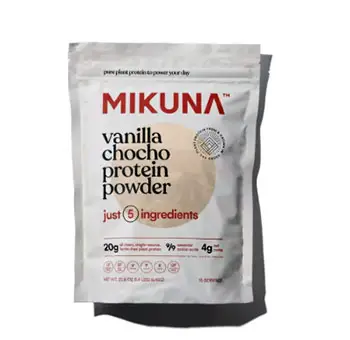
- Clean and minimal ingredient list: In an industry rife with fillers, gums, and artificial flavors, Mikuna stays refreshingly simple. The flavored versions typically contain only five ingredients: Chocho powder, cacao or vanilla, coconut sugar/monk fruit, and salt. There are no gums (like xanthan or guar gum) which are often used to fake a creamy texture but can irritate the gut. You can read the label and identify every single item as a real food ingredient. This transparency gives you peace of mind that you aren’t ingesting hidden chemicals or stabilizers.
Cons Of Mikuna Protein Powder
Despite its strong ethical and nutritional stance, Mikuna is not perfect. There are several drawbacks that potential buyers should consider before committing to a purchase.
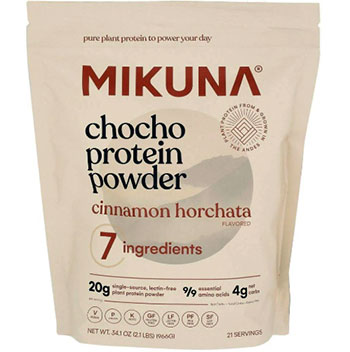
- Texture can be chalky or floury: The biggest hurdle for new users is undoubtedly the mouthfeel. Because Chocho is a ground bean, it does not dissolve as completely as highly processed protein isolates. If you just mix it with water in a shaker bottle, you will likely notice a chalky or powdery consistency that settles at the bottom of the glass. It lacks the silky smoothness of brands that use gums and thickeners. For people who are extremely sensitive to texture, this “earthy” feel might be off-putting unless it is masked in a thick smoothie.
- Premium price point: Innovation and sustainability come at a cost, and Mikuna is definitely on the higher end of the price spectrum. When you calculate the cost per serving, it is significantly more expensive than standard bulk pea or soy proteins found at the grocery store. For daily users, this can add up to a substantial monthly expense. You are paying for the fair trade sourcing and the novelty of the Chocho bean, but for budget-conscious consumers, it might be hard to justify the markup over cheaper, albeit less sustainable, alternatives.
- Distinct nutty flavor profile: While I enjoyed the taste, it is not a “neutral” protein powder. The Chocho bean has a natural, distinct flavor that has been described as nutty, earthy, or even slightly like play-dough by some critical reviewers. Even the unflavored “Pure” version has this underlying taste, which can alter the flavor profile of delicate fruit smoothies. It pairs well with chocolate, coffee, and banana, but it might clash with lighter, citrus-based recipes. If you want a protein powder that is completely tasteless and invisible, this is not it.
- Packaging reliability issues: several users, including myself, have noted that the resealable zipper on the bag can be finicky. The powder is very fine and often gets stuck in the tracks of the zipper, making it difficult to close the bag securely after use. If the bag doesn’t seal properly, the powder can be exposed to moisture and air, potentially spoiling it faster. It is a minor annoyance, but for a premium product, you expect the packaging to function perfectly every time. You might end up having to transfer the powder to a separate jar to keep it fresh.
Maintenance Tips For Mikuna Protein Powder
To ensure you have the best experience with Mikuna and keep the product fresh, there are a few best practices you should follow.
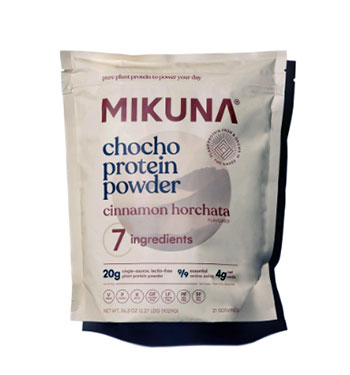
- Transfer to an airtight container: Given the issues with the bag’s zipper mentioned above, I highly recommend moving the powder to a glass jar or a sturdy plastic container immediately after opening. This prevents the fine powder from clogging the seal and ensures that no moisture gets in. Keeping it in a clear jar also lets you see exactly how much you have left so you don’t run out unexpectedly. Store this container in a cool, dry pantry away from direct sunlight to preserve the integrity of the fats and nutrients in the bean.
- Use a blender or frother: To combat the natural texture of the Chocho bean, do not rely solely on a spoon or a weak shaker ball. Using a high-speed blender is the best way to pulverize the tiny particles and get a creamy consistency. If you are on the go and only have a glass, use a handheld electric milk frother to mix the powder into your liquid. This mechanical aeration helps suspend the powder much better than hand mixing, reducing the “sludge” that can settle at the bottom of your cup.
- Clean your shaker immediately: Because this is a natural legume product without preservatives, it can start to smell funky if left in a wet bottle for too long. Rinse your shaker bottle or blender blade immediately after drinking. The fine powder tends to cling to the sides of plastic bottles more stubbornly than whey. If you let it dry, it dries into a cement-like crust that is annoying to scrub off later. A quick rinse with hot water right after you finish will save you a lot of scrubbing time.
- Experiment with baking: Since Mikuna has a flour-like consistency, it works surprisingly well as a partial flour substitute in baking. You can swap out about 1/4 of the flour in pancake or muffin recipes with Mikuna powder to boost the protein content. This is a great way to use the product if you find you get tired of drinking smoothies every day. The nutty flavor complements baked goods like banana bread or oatmeal cookies perfectly. Just remember that it absorbs liquid, so you might need to add a splash more milk to your batter.
Comparison with Other Brands
To understand where Mikuna fits in the market, it is helpful to compare it directly with other popular “clean” plant protein brands. Here is how it stacks up.
- Truvani Plant-Based Protein: Truvani is arguably the biggest competitor in the “minimalist ingredient” space. Comparison: Truvani also prides itself on having only 5-7 ingredients and avoiding gums. However, Truvani uses a blend of pea, pumpkin, and chia seeds, whereas Mikuna uses the single-source Chocho bean. In terms of taste, Truvani is widely considered to be smoother and sweeter, often ranking as the best-tasting vegan protein. Mikuna is less sweet and has a more distinct earthy flavor. If texture and dessert-like taste are your top priorities, Truvani is likely the better pick. If you are looking for a unique superfood profile and better environmental sustainability, Mikuna wins.
- Ritual Essential Protein: Ritual is known for its obsessive traceability and science-backed formulation. Comparison: Ritual uses organic pea protein and adds a specific flavor profile with vanilla and choline. Ritual is a subscription-first model, which can be convenient or annoying depending on your shopping habits. Ritual’s flavor is very specific—a “herbal” vanilla that some love and some hate. Mikuna offers more versatility with its Pure (unflavored) option, which Ritual lacks. Mikuna’s Chocho base is also naturally lectin-free, whereas pea protein (used by Ritual) can still cause issues for the highly sensitive, even if it is high quality. Ritual is better for those who want a “set it and forget it” subscription; Mikuna is for the adventurous foodie.
- Kos Organic Plant Protein: Kos is a more budget-friendly, mass-market option available in many stores. Comparison: Kos uses a blend of pea, flax, quinoa, pumpkin, and chia. It contains digestive enzymes and a massive list of ingredients including coconut milk powder, stevia, and monk fruit. Kos is significantly sweeter and creamier than Mikuna because it uses more flavor enhancers and thickeners. However, Kos is not as “clean” if you are looking for a short ingredient list. Mikuna is a much simpler, whole-food product. If you want a protein shake that tastes like a milkshake and don’t mind a longer ingredient list, Kos is great. If you want strictly minimal ingredients and regenerative sourcing, Mikuna is superior.
Also Read: My Thoughts On FlavCity Protein Powder
Frequently Asked Questions (FAQ)
The best way to mix Mikuna is in a high-speed blender with a creamy liquid like oat milk or almond milk and a frozen fruit like banana. Because the powder can be slightly grainy, blending it breaks down the particles better than shaking by hand. If you must use a shaker bottle, use a blender ball and shake vigorously for at least 45 seconds to ensure suspension.
Like all plant-based proteins grown in soil, trace amounts of heavy metals can be present, but Mikuna tests their products rigorously. They adhere to strict safety standards and Prop 65 regulations. The Chocho bean is grown in the high Andes, which is generally a cleaner environment than industrial farming zones, but the company provides transparency regarding their testing if you reach out to them.
Chocho is a legume, specifically a lupin bean, which is related to peanuts. Therefore, people with severe peanut or legume allergies should exercise caution and consult a doctor before trying Mikuna. However, it is free from common allergens like dairy, soy, and gluten, making it safe for many other dietary restrictions.
Yes, many users mix the Cacao or Vanilla flavors into their coffee as a creamer substitute. It is best to mix the powder with a little bit of cold milk or water first to create a paste (slurry) before adding the hot coffee. This prevents the protein from clumping or “cooking” instantly when the hot liquid hits it, ensuring a smoother drink.
Conclusion
Mikuna Protein Powder is a bold and welcome innovation in a market that often feels repetitive. It successfully introduces a new superfood, the Chocho bean, to the western world, offering a complete protein that is kind to the gut and even kinder to the planet. While the texture requires a bit of adaptation for those used to ultra-processed isolates, the benefits of a clean, lectin-free, and regenerative product are hard to ignore.
If you are a health enthusiast who values ingredient transparency and environmental impact over a milkshake-like consistency, Mikuna is absolutely worth the investment. It provides a way to fuel your body without the bloating or artificial junk found in lesser brands. Start with the Cacao flavor for the easiest transition, and you might just find that this Andean secret becomes the staple your wellness routine has been missing.