
If you’ve been searching for an induction cooktop that combines precision, efficiency, and long-term reliability, you should buy a Miele induction cooktop right now. It stands out in a crowded market with its exceptional build quality, smart features, and energy savings that make cooking feel effortless and enjoyable. After using one for an extended period, I can confidently say it transforms your kitchen experience and delivers consistent results worth the investment.
My Experience With Miele Induction Cooktop
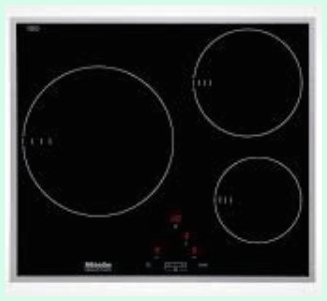
I remember the day my Miele induction cooktop arrived like it was yesterday.
I had been using a basic electric smoothtop for years, dealing with slow heating, uneven cooking, and constant scrubbing.
When I finally upgraded to the Miele—specifically a 36-inch model with multiple zones and PowerFlex areas—I felt a mix of excitement and a little apprehension about the price tag.
But from the first boil of water, I knew this was different.
The setup was straightforward. Installation went smoothly with a professional electrician handling the hardwiring, and within an hour, I was testing it out.
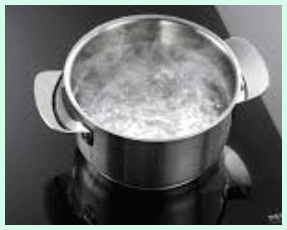
I started simple: boiling pasta water. What used to take 8-10 minutes on my old stove happened in under 4 minutes on high power.
The boost function kicked in immediately, and the water danced with bubbles almost instantly. You know that frustration when you’re waiting forever for a pot to heat up? Gone. Completely gone.
Cooking became more intuitive. I love how responsive the controls are—direct touch with clear feedback. I can slide a pan across zones, and the heat follows seamlessly thanks to the flexible cooking areas.
One evening, I prepared a full stir-fry with multiple pans going at once: veggies searing on one side, sauce reducing on another, and rice simmering gently.
The temperature stayed precise—no scorching one section while another stayed cold. I adjusted heat levels in tiny increments, and the cooktop reacted right away. It’s like the stove reads your mind.
Safety features impressed me too. The surface stays cool except where the pan sits, so accidental touches don’t burn fingers.
When I removed a pot, the zone shut off automatically. Cleanup shocked me the most. Spills don’t bake on like they did on my old electric top.
A quick wipe with a damp cloth after cooling, and it looked new. No more scraping hardened messes for 20 minutes.
Over months of daily use—breakfast eggs, weekend pancakes, elaborate dinners for guests—the Miele held up beautifully. The interface never glitched, and it never felt like it was straining under heavy pots.
I experimented with low simmers for sauces, and it maintained a gentle bubble without fluctuating. Energy bills dropped noticeably because induction heats only the pan, not the whole kitchen.
Friends who visited raved about how quiet and fast everything was. One even joked that my kitchen felt like a pro chef’s setup.
There were small adjustments, sure. I had to switch to induction-compatible cookware, but most of my stainless steel pans worked fine after testing with a magnet.
The learning part was minimal—I adapted in a week. Now, I can’t imagine going back. This cooktop doesn’t just heat; it elevates every meal.
You feel in control, efficient, and excited to cook again. If you’re serious about upgrading your kitchen, this experience alone makes the Miele worth every cent.
Also read: My Thoughts on Dreame Robot Vacuum
Pros Of Miele Induction Cooktop
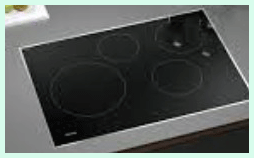
- Precision Temperature Control : You get exact heat levels that respond instantly, so sauces never scorch and delicate foods cook perfectly without guesswork.
- Fast Heating And Boiling : Water boils in half the time compared to traditional stoves, cutting down meal prep significantly and saving you precious minutes every day.
- Energy Efficiency : Induction uses up to 90% of its energy directly on the pan, which means lower electricity bills and less wasted heat warming up your kitchen.
- Flexible Cooking Zones : PowerFlex areas let you combine zones for larger pans or odd-shaped cookware, giving you versatility for everything from griddles to stockpots.
- Superior Build Quality : Miele tests their appliances rigorously for longevity, often lasting 10-20 years with proper care, making this a one-time investment rather than a frequent replacement.
- Safety Features : The surface remains cool to the touch outside the pan area, reducing burn risks, and automatic shut-off kicks in when no cookware is detected.
- Quiet Operation : No noisy fans or gas flames mean a peaceful kitchen environment, especially nice during open-plan living.
- Easy-To-Clean Surface : The smooth glass ceramic wipes down quickly, preventing food from baking on and keeping your cooktop looking pristine.
- Smart Integration : Some models connect with hoods via Con@ctivity for automatic ventilation, streamlining your cooking workflow effortlessly.
- Consistent Performance : Across high and low settings, the heat distribution stays even, eliminating hot spots that plague lesser models.
Cons Of Miele Induction Cooktop
- Higher Initial Cost : You pay a premium for the brand’s quality, often double or more than mid-range options, which can strain budgets if you’re not planning long-term use.
- Requires Compatible Cookware : Not all your existing pots and pans work; anything without a magnetic base won’t heat, so you might need to invest in new pieces upfront.
- Potential For Electronic Issues : Though rare, some users report touch controls glitching or needing resets, which can interrupt cooking momentarily.
- Installation Demands : It needs proper electrical setup with sufficient amperage, possibly requiring upgrades that add to overall expense.
- Limited Repair Options In Some Areas : Authorized service might not be as widespread as for more common brands, leading to longer wait times for fixes.
- No Open Flame Visual Cue : If you’re used to gas, the lack of visible flames takes adjustment, and you rely entirely on digital indicators.
- Occasional Noise From Fans : Under heavy boost use, internal fans can hum softly, though it’s far quieter than most appliances.
Maintenance Tips For Miele Induction Cooktop
- Daily Wiping After Cooling : Always let the surface cool completely, then wipe with a damp microfiber cloth to remove spills before they harden and become tougher to clean.
- Use Mild Detergent For Stubborn Spots : Mix warm water with a drop of gentle dish soap, apply with a soft sponge, and avoid abrasive pads that could scratch the glass.
- Scrape Carefully With A Razor : For burnt-on food, use a dedicated ceramic scraper at a shallow angle while the surface is still slightly warm to lift residues without damage.
- Apply Ceramic Cleaner Periodically : A specialized cooktop cleaner polish helps maintain shine and creates a protective layer against future stains—apply sparingly and buff dry.
- Avoid Harsh Chemicals : Skip oven cleaners, bleach, or ammonia-based products, as they can etch or dull the surface over time and void aspects of warranty.
- Check For Mineral Deposits : In hard water areas, wipe with a vinegar-water solution occasionally to prevent white buildup from water splashes.
- Clean Controls Gently : Use a barely damp cloth on the touch panel—never soak or spray directly—to keep sensors responsive and free of residue.
- Inspect Cookware Bases : Ensure pans have flat, clean bottoms to prevent scratching and ensure even heating, which indirectly protects the cooktop.
- Schedule Professional Check-Ups : Every couple of years, have a technician inspect wiring and components for peace of mind on long-term performance.
Read more: My Thoughts on Turmerry Mattress Topper
Comparison With Other Brands
Miele Vs Bosch : Bosch offers excellent value with strong performance and features like AutoChef, but Miele edges out in overall build refinement and longer tested lifespan. You get similar speed and efficiency from both, yet Miele’s controls feel more premium and zones more adaptable for serious cooks.
Miele Vs Thermador : Thermador shines with full-surface freedom induction, allowing pots anywhere, which beats Miele’s zoned approach for ultimate flexibility. However, Miele provides better temperature precision and quieter operation, making it preferable if you value consistency over total surface freedom.
Miele Vs Wolf : Wolf excels in pro-style power and rugged design, often favored by chefs for high-heat searing. Miele counters with superior energy efficiency and user-friendly interfaces that suit home cooks better, plus it tends to have fewer service calls based on reliability data.
Miele Vs Samsung : Samsung brings innovative smart features and app connectivity at a lower price point. Miele prioritizes durability and core cooking performance over bells and whistles, so if you want something that lasts decades without fuss, Miele wins despite the higher cost.
These comparisons highlight how Miele positions itself as a premium, reliable choice. You choose based on whether you prioritize longevity and precision or specific standout features from competitors.
Frequently Asked Questions (FAQ)
From recent reviews and service data, brands like Miele stand out for their rigorous testing and claims of 10-20 year lifespans. Others such as Bosch and Thermador also score highly in low service rates, but Miele often gets praised for consistent long-term performance in real homes.
Miele induction hobs prove extremely durable when maintained properly. Many users report 10+ years of heavy daily use with minimal issues, thanks to high-quality components and engineering focused on longevity—far outlasting many mainstream brands.
The “best” depends on your needs, but Miele frequently ranks at the top for precision, efficiency, and build quality. If budget allows, it delivers an unmatched experience; otherwise, strong contenders like Bosch or Thermador offer excellent alternatives with great value.
Conclusion
In the end, a Miele induction cooktop proves worth every penny for anyone who cooks regularly and values quality. Its blend of speed, control, and lasting performance makes kitchen time more enjoyable and efficient. If you’re ready for an upgrade that feels like a smart, long-term choice, go for Miele—you won’t regret it.