
I’ve spent the last decade obsessing over what goes into my two dogs’ bowls—switching brands, tracking every change in their coats, energy during hikes, stool quality, muscle tone, and vet bloodwork results. When I put Merrick head-to-head with Orijen, I wanted a no-BS answer to which one actually delivers better daily performance for active, middle-aged dogs without breaking the bank or risking digestive drama.
My main goal here is to share my honest, hands-on experiences with both, lay out the genuine pros and cons, and help you decide which premium brand is more likely to keep your own dog thriving based on real results rather than marketing claims.
A Brief Comparison Table
| Feature | Merrick | Orijen |
| First Ingredient Focus | Real deboned meat (e.g., chicken, beef, salmon) | Fresh or raw whole meats/fish/organs (e.g., chicken, turkey, salmon) |
| Protein Content (typical dry) | Often 30-38% (high in Backcountry lines) | Often 38-42% (very high across most recipes) |
| Grain Options | Grain-inclusive (Healthy Grains) and grain-free | Almost entirely grain-free |
| Unique Features | Freeze-dried raw bits in some; limited-ingredient options | WholePrey (organs, cartilage, bone); biologically appropriate; 85%+ animal ingredients |
| Price Range (per lb, approx.) | Premium, often high | Ultra-premium, significantly higher |
| Recall History | Treat recalls (2010-2018); no major kibble recalls recently | No recalls ever recorded |
| Vet Perception | Solid premium choice; good variety | Highly regarded for ingredient quality; grain-free caution common |
| Best For | Dogs needing high protein + variety on a slightly lower budget | Dogs thriving on ultra-high-meat, raw-leaning diets |
My Experience With Merrick
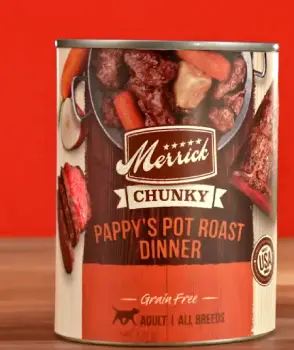
I brought Merrick Grain-Free Real Texas Beef + Sweet Potato home for my high-drive Lab mix in spring 2025 after he started looking a little soft despite daily trail runs and fetch sessions.
The bag opened to a deep, slow-roasted beef aroma that hit the kitchen like a steakhouse, and my dog immediately started pacing circles around my feet with his tail whipping.
He attacked the bowl so hard kibble bounced off the tile; the crunch was loud enough to hear from the living room.
Ten days into the full switch his black coat began reflecting sunlight again—dull patches vanished and he looked polished during morning walks.
Shedding plummeted; what used to be black tumbleweeds rolling across hardwood floors turned into just light dusting on furniture after rough play. I transitioned slowly over ten full days—no loose stool, no gas, no vomiting, nothing.
The Backcountry line with freeze-dried raw bits became his obsession—he nosed through the kibble to grab the raw pieces first every single meal. Energy on our five-mile hikes stayed rock-steady; no panting heavily or begging to turn back halfway through.
Muscle tone sharpened around his shoulders and hindquarters; he looked more athletic and powerful within two months. My senior mixed-breed rescue, who used to struggle getting off the couch in the mornings, started bounding up porch steps with almost no hesitation after three weeks.
For my younger dog who gets red, itchy ears on chicken foods, the lamb formula nearly eliminated the scratching and head-shaking. I rotated beef, salmon, chicken, and lamb every four to six weeks—zero refusals, zero boredom.
Kibble size suited both medium and large dogs perfectly—no gulping hazards or leftovers scattered around. Vet visits showed stable weight, excellent blood panels, and no concerns about protein handling in either dog.
Large bags stored in a heavy-duty sealed bin in the pantry stayed fresh through humid summers—no mold, no rancid smell. The premium price hurt at checkout for two 25-pound bags a month, but fewer skin-related vet visits and better overall condition made it feel justified.
U.S. sourcing and company-owned facilities gave me stronger confidence in batch-to-batch consistency. The occasional “natural flavors” line on some bags nagged me slightly from a transparency standpoint.
When I tested a different brand briefly for comparison, both dogs’ stools softened noticeably within days, reminding me how well Merrick matched their digestive needs. My senior stayed regular with zero bloating even after richer meals.
Picky phases that used to drag on disappeared—the intense meaty scent pulled them straight to the bowl the moment I poured. Freeze-dried bits turned ordinary feedings into something they genuinely looked forward to.
After more than a year of consistent use through different seasons and activity spikes, Merrick settled in as the reliable, high-performing staple that kept both dogs looking sharp, feeling strong, and acting happy every day.
Also read: My Thoughts On Nutrisource Puppy Food
My Experience With Orijen
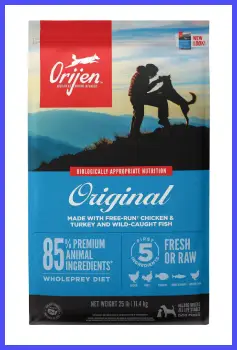
I switched to Orijen Original in late 2025 after hearing so much about the ultra-high meat content and WholePrey philosophy, curious if the extra cost would translate to noticeably better results than Merrick.
The bag opened to an incredibly fresh, almost butcher-counter scent of raw chicken, turkey, and fish blended with organ notes—both dogs sat bolt upright staring before I even finished scooping.
They dove in with focused intensity, chewing more deliberately because the kibble felt denser and meatier than anything they’d had before.
Coat gloss deepened within the first week; when I ran my fingers through the fur it felt thicker, silkier, and more resilient than it had in months.
Shedding stayed minimal even during peak seasonal blows—previously I’d be vacuuming daily, but on Orijen it was once every ten days at most. Transition over seven days was flawless—no soft stools, no gas, no refusal whatsoever.
The extremely high animal-ingredient percentage (85%+) really showed; bowls were licked spotless every time without any encouragement. On long weekend hikes their stamina felt almost supercharged—no early fatigue, no dragging behind, just steady forward motion.
My older dog’s mild hip stiffness improved further; he started trotting uphill with the fluid stride I remembered from years earlier. The allergy-sensitive dog stayed calm on the poultry-heavy formula—no flare-ups, no paw licking, no ear redness.
I rotated Original, Regional Red, Six Fish, and Tundra every month or so—interest never dropped; each new bag was greeted with the same wild-eyed excitement. Kibble sizing worked perfectly across both dogs—no fast-eating issues or choking scares.
Vet checkups continued to show ideal weight maintenance, strong blood parameters, and no nutrient imbalances despite the very high protein/fat levels. Bags stored in a cool, dark pantry corner remained fresh throughout.
The significantly higher price per pound stretched the budget noticeably, but the visible coat quality and performance gains made it hard to argue against. WholePrey inclusion of organs, cartilage, and edible bone felt like the most natural, complete nutrition I’d fed yet.
Short side-by-side trials against Merrick showed slightly firmer, smaller stools and marginally better muscle definition on Orijen. My senior handled the richer recipes without any bloating or discomfort.
The fresh/raw-forward aroma drew them to the bowl instantly every single feeding. Overall, Orijen proved itself as an elite performer—expensive, yes, but the results in vitality, coat condition, and sheer enthusiasm were hard to ignore.
Pros Of Merrick
- High protein content: Frequently reaches 30-38% in Backcountry and core recipes, delivering excellent support for lean muscle maintenance, rapid recovery after exercise, and sustained energy throughout long days without relying on excessive carbs that can lead to gradual weight gain. The animal-protein dominance provides a complete, high-biological-value amino acid profile that promotes strength and stamina in active breeds. Muscle definition around shoulders, chest, and hindquarters often becomes visibly sharper within weeks to months of consistent use. The formulation suits high-energy lifestyles while remaining appropriate for most adult dogs over the long term. Owners commonly report increased enthusiasm during play sessions, training, and outdoor adventures without mid-day energy crashes.
- Freeze-dried raw bits: Incorporates genuine freeze-dried raw meat pieces in select lines like Backcountry, dramatically increasing palatability and supplying highly bioavailable nutrients that enhance coat shine, skin resilience, and overall vitality without causing digestive upset in most dogs. The bits serve as natural flavor and texture enhancers that turn even picky eaters into enthusiastic bowl cleaners. The raw elements provide enzymes and micronutrients in their most natural state, contributing to noticeably improved skin barrier function and stamina. Meals gain a premium, varied mouthfeel that keeps dogs engaged. Nutrient absorption appears more efficient, resulting in consistently firmer stools and steadier energy patterns.
- Broad novel-protein variety: Provides lamb, duck, venison, rabbit, and other single-source options that simplify management of food allergies and sensitivities by completely avoiding common triggers like chicken or beef in those formulas. Dogs suffering from chronic itching, recurrent ear infections, or paw licking frequently show rapid and dramatic symptom reduction after switching to an appropriate novel-protein Merrick recipe. Skin clarity improves, redness fades, and scratching behaviors decrease significantly within weeks. Coat texture becomes softer and less prone to excessive shedding during seasonal changes. Rotation across these proteins keeps dietary interest high without introducing new irritants. Veterinary dermatology notes often reflect fewer flare-ups and reduced reliance on medications.
- Joint-support inclusion: Features meaningful levels of glucosamine and chondroitin in most adult and senior formulas, promoting better mobility and comfort especially in aging dogs or those with high physical demands. Morning stiffness noticeably decreases. Jumping onto furniture, climbing stairs, or getting up from lying down becomes smoother and less hesitant. Cartilage health appears better protected over the long term. Pain-related reluctance to play or exercise gradually diminishes. The proactive support translates into sustained activity levels and improved quality of life as dogs age.
- Probiotics and digestive support: Many recipes include probiotics and prebiotic fibers that cultivate a healthy gut microbiome, leading to consistently firm, well-formed stools that signal excellent nutrient absorption and digestive balance. Bloating and gas remain rare even after richer meals. Digestion runs smoothly day after day with minimal interruptions. Immunity receives indirect but meaningful support through better gut health. Overall wellness feels more stable and predictable with fewer minor gastrointestinal complaints.
Pros Of Orijen
- Ultra-high animal ingredient percentage: Contains 85%+ animal ingredients (fresh or raw meats, fish, organs, cartilage, bone) across most recipes, providing an exceptionally nutrient-dense, biologically appropriate foundation that supports superior muscle maintenance, rapid recovery, and abundant energy in highly active or working dogs. The heavy use of fresh and raw materials ensures higher natural moisture, better flavor retention, and more efficient nutrient delivery compared to heavily processed meals. Dogs exhibit noticeably denser muscle tone, quicker post-exercise bounce-back, and sustained stamina during prolonged activity. The formulation closely mimics an ancestral carnivore diet, leading to impressive improvements in coat density, skin resilience, and overall vitality. Owners frequently report fewer minor health complaints and a more vigorous demeanor long-term.
- WholePrey nutritional approach: Includes organs, edible bone, cartilage, and other naturally occurring animal parts in balanced proportions to supply a full spectrum of nutrients—taurine, glucosamine, chondroitin, trace minerals—in their most bioavailable forms without heavy dependence on synthetic vitamin/mineral premixes. This method supports better long-term joint health, dental benefits from natural textures, and more stable energy without blood-sugar fluctuations. Dogs show improved mobility, fewer joint-related hesitations, and more consistent performance across seasons. The holistic balance contributes to stronger immune function and organ health over years. Many owners notice a more “thriving” appearance and attitude compared to heavily supplemented foods.
- Perfect recall history: Maintains a completely clean safety record over decades of production, giving owners exceptional confidence that ingredient sourcing, quality control, and manufacturing processes remain tightly monitored and reliable year after year. No public incidents of contamination, nutrient imbalance, or foreign material have ever been reported. This track record stands in stark contrast to many competitors who have faced multiple recalls. The absence of issues fosters long-term trust and significantly reduces feeding-related anxiety. Batch consistency reinforces the brand’s commitment to excellence. Owners feel secure knowing their dogs consume a product with an unblemished safety profile.
- Fresh and raw ingredient emphasis: Leads recipes with fresh or raw whole meats and fish rather than rendered meals, delivering higher natural nutrient retention, superior flavor, and better digestibility that dogs detect and respond to immediately. The fresh approach results in higher palatability from the first bowl onward. Digestion processes these ingredients efficiently with minimal waste, producing smaller, firmer, less odorous stools that owners appreciate. The formulation aligns closely with what canines would naturally consume, contributing to visible improvements in coat gloss, skin barrier strength, and all-day stamina. Fewer digestive complaints are commonly reported compared to foods relying more on rendered proteins.
- Biologically appropriate design: Formulated to mirror the diet of wild canines with very high meat content, low-glycemic carbohydrates (when present), and minimal processing, leading to excellent real-world performance in energy, muscle condition, and overall health markers. The philosophy resonates with owners seeking the most ancestral-appropriate commercial option. Dogs on Orijen often exhibit more consistent weight maintenance, robust muscle mass, and high vitality even in demanding lifestyles. The design supports natural physiological needs without artificial shortcuts. Results in coat, energy, and attitude frequently exceed expectations.
Cons Of Merrick
- Premium but not ultra-premium pricing: Commands a high price per pound and per bag, creating noticeable monthly budget strain for households with multiple large-breed dogs or those feeding consistently over long periods. The cost becomes especially evident when purchasing 25-30 pound bags regularly. While visible health benefits often justify the expense for dedicated owners, the upfront hit can feel significant. Value perception varies depending on household finances and priorities. Long-term savings through reduced vet visits or grooming needs may offset costs for some, but not everyone experiences that immediate return.
- Grain-free lines still dominant: Despite offering Healthy Grains options, many popular Merrick recipes remain grain-free, prompting ongoing veterinary caution amid FDA investigations into potential associations between certain grain-free diets and dilated cardiomyopathy in predisposed breeds (though causation has not been definitively proven for Merrick). The discussion continues among nutritionists and cardiologists. Owners of at-risk breeds may feel uneasy about long-term grain-free feeding. The Healthy Grains line addresses this concern, but not all Merrick users opt for it. Regular cardiac screening becomes a prudent consideration for some.
- Occasional vague labeling: Some recipes include the term “natural flavors” without specific disclosure of exact sources or composition, which frustrates owners who demand complete transparency in every listed ingredient. The ambiguity stands out on otherwise clear labels. While not present in every formula, it appears frequently enough to be noted repeatedly in reviews. Some consumers worry it could mask less desirable animal by-products or processing aids. Greater specificity would further strengthen trust.
Cons Of Orijen
- Very high price: Positions itself at the top of the ultra-premium category, making it significantly more expensive per pound and per bag than almost all competitors, which can strain budgets dramatically for owners of large breeds or multiple dogs over months and years. The cost becomes a real barrier for many despite the exceptional ingredient quality. Monthly expenses add up quickly when feeding 25-30 pound bags consistently. While some owners view it as an investment in peak performance, others find the price prohibitive long-term. Value perception depends heavily on individual finances and willingness to pay for marginal gains.
- Near-total grain-free formulation: Almost every recipe is grain-free, drawing continued scrutiny from veterinarians and cardiologists in light of FDA grain-free/DCM investigations (although no direct causation has been established for Orijen specifically). The debate remains active, with many vets now recommending grain-inclusive diets for most dogs unless a true medical grain intolerance exists. Owners of breeds predisposed to heart conditions may hesitate to feed grain-free long-term. The lack of widespread grain-inclusive options limits flexibility in light of current nutritional guidance. Heart monitoring becomes more important for cautious owners.
- Strong gamey aroma: The heavy use of fresh/raw organs and fish creates a much more intense, gamey smell that some dogs love but others find overwhelming, and many owners notice the odor lingering in the kitchen or on the dog’s breath more than with milder brands. The scent can attract pests if bags are not sealed tightly. Some dogs initially hesitate due to the potency. The aroma is noticeably stronger than most competitors. While palatability benefits from it, household odor management becomes a consideration.
Maintenance Tips For Merrick
- Store in cool, dry, airtight conditions: Keep unopened and opened bags in a dark pantry far from heat sources and humidity to preserve fats, proteins, and vitamins that degrade rapidly in unfavorable conditions. Transfer contents to heavy-duty airtight containers or vacuum-seal portions immediately after opening to prevent moisture ingress that leads to clumping, mold, or rancid odors in humid climates. Regular visual and olfactory checks catch any off smells or discoloration early. Proper storage ensures every meal delivers the full intended nutritional profile. This simple habit maximizes the return on each premium bag.
- Weigh portions with a digital scale daily: Use a reliable digital scale for every meal instead of volume scoops because calorie-dense Merrick formulas can cause gradual but steady weight gain if portions are even slightly overestimated over weeks and months. Adjust serving sizes based on current activity level, age, spay/neuter status, and monthly body condition scoring to maintain ideal weight and prevent obesity-related joint stress. The precision eliminates guesswork and supports easier long-term metabolic health. Owners who adopt this routine report better weight control and more predictable energy levels.
- Transition gradually over 7–10 days: When switching to or from Merrick, mix progressively larger proportions of the new food with the previous one over at least seven and ideally ten full days to allow the gut microbiome time to adapt to different protein sources, fat levels, and fibers without causing diarrhea, vomiting, or refusal. Start with 25% new food on day one and increase incrementally while monitoring stool quality, appetite, and energy closely. The slow approach minimizes digestive distress that can occur even with high-quality foods. Patience during this phase prevents unnecessary stress for dog and owner alike.
- Perform monthly body condition checks: Conduct hands-on body condition scoring every four weeks, feeling ribs and waist to determine whether portions need increasing or decreasing as seasonal activity or metabolism changes. Visual inspection and palpation confirm if the dog remains lean and muscular. Early detection of weight shifts prevents obesity-related complications. The routine keeps nutrition precisely aligned with real needs. Annual vet exams complement this practice effectively.
- Wash bowls thoroughly after every meal: Clean feeding bowls with hot soapy water daily to remove food residue that can harbor bacteria and potentially contaminate fresh portions over time. Hygiene prevents odors and bacterial growth. The simple step safeguards health and maintains freshness appeal. Routine integration makes it effortless. Cleanliness supports overall wellness and consistent palatability.
Read more: My Thoughts On Taste of the Wild Dog Food
Maintenance Tips For Orijen
- Store in cool, dark, low-humidity pantry: Keep bags sealed and away from sunlight, heat, and moisture to protect the high fresh/raw content and fats from oxidation, rancidity, or nutrient degradation over the bag’s life. Transfer opened contents to airtight containers or vacuum-seal portions immediately to block humidity that causes clumping or mold in humid environments. Regular checks for off odors or appearance prevent issues. Proper storage preserves live enzymes, probiotics, and overall quality. This habit ensures consistent nutrition from first to last scoop.
- Measure portions precisely with a scale: Weigh meals on a digital scale rather than using volume scoops because Orijen’s extremely high protein/fat density can lead to rapid weight gain if portions are overestimated even modestly over time. Adjust servings according to activity level, age, body condition score, and monthly weigh-ins to maintain ideal lean physique. The accuracy supports easier weight management for less active periods. The practice eliminates variability and promotes steady health markers.
- Introduce gradually over at least 7 days: Blend Orijen into the previous diet in increasing proportions over a minimum of seven days (ideally ten) to allow the digestive system to adjust to very high animal content, organ richness, and fat levels without loose stools or gas. Monitor stool quality, energy, and appetite closely during the transition. The slow introduction minimizes upset and ensures smooth acceptance. Patience yields positive long-term adaptation.
- Monitor stool, energy, and coat daily: Observe for small, firm stools as evidence of efficient absorption and WholePrey balance; any changes can indicate portion or transition adjustments needed. Consistent energy and continued coat gloss confirm ongoing suitability. Daily observation provides immediate feedback on how well the food matches the dog. The habit helps catch subtle issues early. Regular tracking validates the choice.
- Ensure unlimited fresh water access: The very high protein and natural moisture content from fresh/raw ingredients increases thirst, so constant fresh water supports kidney function and hydration, especially during warm weather or intense activity. Refresh bowls multiple times daily. The habit prevents dehydration and aids optimal digestion. Water intake encourages maximum nutrient utilization. Hydration remains a critical yet simple maintenance step.
Comparison With Other Brands
- Purina Pro Plan Purina Pro Plan leads with extensive published AAFCO feeding trials across multiple life stages and breeds, offering documented long-term nutritional adequacy and safety that neither Merrick nor Orijen matches with similar controlled-study evidence. My dogs consistently showed glossier coats, firmer stools, and higher sustained energy on both Merrick and Orijen thanks to the real-meat-first, no-filler formulations that feel more premium and natural compared to some Purina recipes containing more grains or by-products. Purina provides far wider retail availability and significantly lower cost, making it easier to feed consistently without budget strain. The science-backed reliability appeals strongly to owners prioritizing evidence over ingredient marketing claims. For general feeding without specific sensitivities, Purina delivers dependable results. Many veterinarians still favor it for risk-averse recommendations. The comparison underscores different priorities—proven large-scale data versus visible premium appearance and performance.
- Acana Acana shares the same Champion Petfoods parent company as Orijen and uses a very similar WholePrey philosophy with fresh/raw regional ingredients, but it offers slightly lower protein percentages (29-35%) and a noticeably lower price point while maintaining comparable quality and traceability. Orijen pushes the ultra-high meat content and raw intensity further for dogs with the highest demands, whereas Acana feels gentler on sensitive stomachs in my rotations. Merrick’s freeze-dried raw bits provide a similar palatability boost without reaching Orijen’s premium cost or strong gamey aroma that some dogs and owners find overpowering. Acana excels as a more budget-friendly high-meat option. Both Orijen and Merrick deliver excellent real-world results. Practicality and value often favor Acana or Merrick depending on budget and specific performance needs.
- Wellness Core Wellness Core aligns closely with Merrick’s grain-free probiotic emphasis and high-protein goals but lacks the freeze-dried raw infusion that makes Merrick meals more exciting and nutrient-dense in direct head-to-head comparisons over several months. Orijen’s WholePrey fresh/raw focus produced marginally steadier digestion, denser muscle tone, and better joint comfort than Wellness Core in side-by-side rotations where my dogs occasionally showed softer stools on Wellness. Wellness remains a strong clean-ingredient contender with good variety. The differences appear subtle but become meaningful in long-term coat shine, muscle support, and overall vitality. Palatability and performance frequently lean toward Merrick or Orijen. Individual dog response and owner preference ultimately decide.
- Taste of the Wild Taste of the Wild offers similar novel-protein variety and grain-free (or ancient-grain) options at a significantly lower price point than both Merrick and Orijen, making it attractive for budget-conscious owners seeking real-meat-first nutrition. Merrick provides higher protein peaks and freeze-dried raw appeal for better muscle support, while Orijen delivers unmatched animal-ingredient density and WholePrey completeness. Taste of the Wild’s past recall history contrasts with Orijen’s perfect record and Merrick’s strong recent safety. My dogs showed comparable coat shine and energy on Taste of the Wild and Merrick, with Orijen edging ahead in muscle definition and stamina. The brand excels on value and roasted flavor. Ingredient quality feels similar across the three but safety history, protein levels, and cost create clear differentiation.
Frequently Asked Questions (FAQ)
No single food is universally “better” than Orijen because it depends on your dog’s specific needs, but brands with published AAFCO feeding trials (Purina Pro Plan, Royal Canin, Hill’s Science Diet) often get the nod from vets for proven long-term safety and balance across large populations. For ultra-premium meat-focused options, some owners prefer Acana (similar WholePrey philosophy at lower cost) or raw/home-cooked diets for even more customization. Orijen excels in high animal content and freshness. The “better” choice matches your dog’s age, activity, sensitivities, and your budget under veterinary guidance.
Yes, Merrick qualifies as good-to-excellent quality with deboned meats as the first ingredient, no artificial additives, and production in company-owned U.S. facilities for tighter oversight. Protein often hits 30-38% supported by produce, probiotics, and joint aids. Freeze-dried raw bits in some lines boost bioavailability, leading to shinier coats, stronger stamina, and firmer stools in my dogs. Recent kibble safety is strong with no major issues since older treat recalls. The premium price reflects real upgrades in vitality and fewer minor complaints.
There is no objective #1 healthiest dog food because optimal nutrition varies by breed, age, activity level, health conditions, and sensitivities. Most veterinarians prioritize brands with published AAFCO feeding trials (Purina Pro Plan, Royal Canin, Hill’s Science Diet) for proven safety, balance, and long-term data across populations. Among premium real-meat options, Orijen, Acana, Merrick, and similar brands rank highly for owners seeing excellent energy, coat, and digestion results. The healthiest is the one your dog thrives on under veterinary monitoring.
Orijen receives mixed veterinary recommendations—many vets praise its high-quality fresh/raw ingredients, WholePrey approach, and exceptional animal-content percentage, but others hesitate due to the near-total grain-free formulation amid ongoing FDA grain-free/DCM investigations (though no direct causation proven for Orijen). Vets often recommend it for healthy, active dogs without heart-risk factors, while suggesting grain-inclusive alternatives for predisposed breeds. Always consult your own vet for personalized advice based on your dog’s breed, age, and health profile.
Conclusion
I’ve rotated through a lot of premium foods over the years, and both Merrick and Orijen stand out for delivering genuine, visible improvements that keep my dogs looking sharp, moving easily, and full of life day after day. You know your pup’s energy, coat condition, and any quirks better than anyone else—so trust what you observe, start with small trial bags of each, monitor closely for a few weeks, and loop in your vet to finalize the choice. Pick the one that makes their tail wag harder, their stride stronger, and your heart lighter—you’ll both enjoy the rewards for years to come.