
I’ve been obsessed with finding the absolute best dog food for my pack over the past decade—switching brands, reading every label, tracking coat quality, energy during hikes, stool consistency, and vet bloodwork results month after month.
When I finally put Merrick head-to-head against Acana, I wanted a real-user breakdown that goes beyond marketing claims: which one actually delivers better vitality, digestion, muscle tone, and peace of mind in daily life? My main goal here is to share my detailed experiences, weigh the genuine pros and cons, and help you decide which premium brand might suit your dog’s specific needs, lifestyle, and any sensitivities they have.
A Brief Comparison Table
| Feature | Merrick | Acana |
| First Ingredient Focus | Real deboned meat (e.g., beef, chicken, salmon) | Fresh or raw whole meats/fish (e.g., chicken, turkey, fish) |
| Protein Content (typical dry) | Often 30-38% (high in Backcountry lines) | Often 29-35% (up to 33-34% in many recipes) |
| Grain Options | Grain-inclusive (Healthy Grains) and grain-free | Mostly grain-free; some Wholesome Grains lines |
| Unique Features | Freeze-dried raw bits in some; limited-ingredient options | WholePrey approach; fresh/raw ingredients; regional sourcing |
| Price Range (per lb, approx.) | Premium, often higher | Premium, slightly more affordable |
| Recall History | Treat recalls (2010-2018); no major kibble issues recently | No recalls ever recorded |
| Vet Perception | Solid premium choice; some prefer for variety | Highly regarded for ingredient quality; grain-free caution |
| Best For | Dogs needing high protein or allergy variety | Dogs thriving on biologically appropriate, fresh-focused diets |
My Experience With Merrick
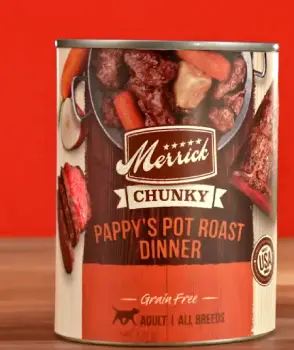
I first introduced Merrick Grain-Free Real Texas Beef + Sweet Potato to my high-drive Border Collie mix in the spring of 2025 because he needed more sustained energy for our daily five-mile trail runs and agility sessions.
The moment I opened the bag, a rich, slow-roasted beef aroma filled the entire kitchen, mixed with subtle earthy notes from the sweet potatoes, and my dog immediately started pacing and whining at my feet.
He attacked his bowl with such enthusiasm that kibble scattered across the tile floor as he crunched loudly through each piece.
Within just ten days of the full switch, I noticed his once-dull black coat beginning to reflect sunlight like polished obsidian during our morning walks.
Shedding dropped dramatically; what used to be tumbleweeds of fur rolling across the living room became only light dusting on furniture and clothing after vigorous play. I made sure to transition him slowly over ten full days by gradually increasing the Merrick proportion each meal to avoid any digestive shock.
No loose stools, vomiting, or excessive gas appeared at any point, which was a huge relief after previous brand changes that had caused temporary tummy chaos. When I later tried the Backcountry line with freeze-dried raw bits mixed in, he literally nosed through the kibble to pick out the raw pieces first every single time.
His energy during our longer hikes became noticeably more consistent; he no longer slowed down or begged to turn back halfway through our usual routes. Muscle definition around his shoulders and hindquarters sharpened visibly over the next couple of months.
My senior mixed-breed rescue, who had started showing mild stiffness in the mornings, began bounding up the porch steps with much less hesitation after a month on Merrick. For my allergy-prone younger dog who used to scratch his ears raw on chicken-based foods, switching to the lamb formula almost completely eliminated the chronic itching and head-shaking.
I started rotating between beef, salmon, chicken, and lamb recipes every four to six weeks to keep things interesting without overwhelming his system. He never once refused a meal or showed any sign of boredom at feeding time.
The kibble size proved ideal for both my medium and large dogs; nobody gulped dangerously fast or left pieces behind. Regular vet visits showed perfectly stable weight, excellent blood panels, and no concerns about high protein handling in either dog.
Storing the large bags in a heavy-duty sealed bin in the pantry kept everything fresh even through humid summer months with no signs of mold or rancid smell. The premium price tag stung at first when buying 25-pound bags monthly for two dogs, but watching their improved vitality and fewer vet issues made every dollar feel justified.
I appreciated the U.S.-sourced ingredients and company-owned manufacturing facilities because it gave me a stronger sense of quality oversight compared to brands with more outsourced production. The occasional vague “natural flavors” listing on some bags did bother me slightly from a transparency standpoint.
When I briefly tested a different brand to compare, my dogs’ stool quality softened noticeably within days, reinforcing how well Merrick suited their digestion. My senior’s bowel movements stayed perfectly regular with no bloating or discomfort even after richer meals.
Picky eating phases that used to drag on for days disappeared almost instantly; the intense meaty scent pulled them straight to their bowls the second I poured. The freeze-dried raw bits turned routine feedings into something they genuinely looked forward to each day.
After nearly a year of consistent use across different seasons and activity levels, Merrick firmly established itself as the reliable staple that kept both dogs thriving in coat, energy, mobility, and overall demeanor.
Also read: My Thoughts On Nutrisource Puppy Food
My Experience With Acana
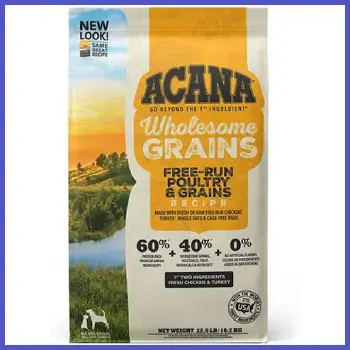
I decided to bring Acana Wholesome Grains Red Meat & Grains into the rotation in late 2025 after reading so much about its WholePrey philosophy and fresh-ingredient focus, wanting to see if it could match or exceed the results I was getting from Merrick.
The bag opened to an incredibly fresh, almost butcher-shop-like aroma of raw beef, lamb, and pork blended with subtle oat and apple notes that made both dogs sit up alertly before I even finished pouring.
They dove into their bowls with immediate enthusiasm, chewing more deliberately than usual because the kibble had a noticeably denser, meatier texture that held up well during eating.
Within the first two weeks, their coats took on an even deeper gloss; when I ran my hands through the fur, it felt silkier and more resilient than it had in months.
Shedding remained minimal even during seasonal coat blows, leaving the house noticeably cleaner than during previous food trials. The transition over seven days went flawlessly with no soft stools, gas, or refusal to eat—everything stayed completely normal from day one.
The high percentage of fresh or raw meats as the first several ingredients really showed in how eagerly they cleaned their bowls every single time. On our weekend long-distance hikes, their stamina felt rock-solid; no early fatigue or dragging behind like I’d seen on lower-meat-content foods in the past.
My older dog’s mild hip stiffness continued to improve gradually; he started trotting up hills with the same fluid stride he had years earlier. For the allergy-sensitive dog, the Duck & Pear limited-ingredient recipe quickly calmed persistent ear redness and paw licking without any flare-ups returning.
I rotated through regional recipes—Wild Atlantic fish, Grasslands lamb, and Meadowland poultry—every month or so, and interest never waned; each new bag was greeted with the same excitement. Kibble sizing worked perfectly across both dogs without any fast-eating issues or choking concerns.
Vet appointments continued to show balanced nutrition, ideal weight maintenance, and strong bloodwork parameters with no red flags whatsoever. Keeping the bags in a cool, dark pantry corner with the top tightly rolled preserved freshness throughout the entire bag life.
The slightly lower price per pound compared to Merrick helped stretch the budget without sacrificing perceived quality or results. The regional sourcing from trusted farmers and suppliers gave me extra confidence in traceability and ingredient integrity.
The WholePrey inclusion of organs, cartilage, and bones felt like a truly natural, complete approach that didn’t rely on heavy synthetic vitamin bolstering. Short side-by-side trials against other foods confirmed Acana produced consistently firmer, smaller stools and steadier digestion overall.
My senior dog handled richer meals without any bloating or discomfort, maintaining regular elimination patterns even on active days. The fresh-meat-forward scent drew them to the bowl instantly every feeding time.
The fresh/raw elements made meals feel more biologically appropriate and engaging; both dogs looked forward to dinner with visible anticipation. After months of alternating with Merrick, Acana proved itself as a worthy contender that delivered comparable or even slightly superior consistency in digestion and coat quality.
Pros Of Merrick

- High protein content: Frequently reaches 30-38% in lines like Backcountry and Texas Beef recipes, delivering exceptional support for lean muscle development, rapid recovery after intense exercise, and sustained all-day energy without relying on excessive carbohydrates that can contribute to unwanted weight gain over time. This protein density comes predominantly from named animal sources, providing a superior amino acid profile that promotes better overall strength and stamina in active or working breeds. Visible improvements in muscle tone around the shoulders, chest, and hindquarters become apparent within a few months of consistent feeding. The formulation avoids the common pitfall of overloading with plant-based proteins that offer lower biological value. Dogs on higher-protein Merrick formulas typically exhibit more enthusiasm during play, training sessions, and outdoor adventures without crashing mid-activity. The balance feels particularly well-suited to high-energy lifestyles while still being gentle enough for most adult dogs to handle long-term.
- Freeze-dried raw bits inclusion: Incorporates genuine freeze-dried raw meat pieces in select lines like Backcountry, dramatically increasing palatability and delivering highly bioavailable nutrients directly into the diet without triggering digestive upset in the vast majority of dogs. These bits act as natural flavor enhancers that make even picky eaters clean their bowls enthusiastically every single time. The raw elements provide enzymes, probiotics, and micronutrients in their most natural state, contributing to noticeably improved coat shine, skin resilience, and overall vitality. Meals transform from routine to something dogs genuinely anticipate because of the textural contrast and meaty bursts. Nutrient absorption appears more efficient, leading to firmer stools and steadier energy levels throughout the day. The addition elevates the entire feeding experience without compromising the kibble’s structural integrity or shelf stability.
- Novel protein variety: Offers multiple single-source options such as lamb, duck, venison, and rabbit that allow precise management of food allergies and sensitivities by completely avoiding common triggers like chicken, beef, or grains in those specific formulas. Dogs with chronic itching, ear infections, or paw licking often show dramatic symptom reduction within weeks of switching to an appropriate novel protein Merrick recipe. Skin clarity improves visibly, redness fades, and scratching behaviors decrease significantly. Coat texture becomes softer and less prone to seasonal blowouts when the allergen is removed. Rotating these proteins keeps dietary interest high without introducing new irritants. Veterinary dermatology reports frequently reflect fewer flare-ups and reduced medication needs. The approach provides real relief and long-term dietary stability for sensitive dogs.
Pros Of Acana
- Fresh or raw meat emphasis: Consistently leads recipes with fresh or raw whole meats and fish as the first several ingredients, delivering exceptional nutrient density, superior amino acid profiles, and a biologically appropriate foundation that supports optimal muscle maintenance, energy production, and overall vitality in dogs of all ages and activity levels. The use of fresh rather than rendered meals ensures higher natural moisture content and better flavor retention that dogs detect immediately. Digestion processes these proteins efficiently with minimal waste, resulting in smaller, firmer, less odorous stools that owners appreciate during cleanup. Palatability remains consistently high across batches and flavors because of the fresh sourcing. The approach closely mimics what canines would consume in nature, leading to noticeable improvements in coat gloss, skin barrier strength, and stamina during prolonged activity. Owners often report fewer digestive complaints and steadier performance compared to foods relying more heavily on rendered or meal-based proteins.
- WholePrey nutritional philosophy: Incorporates organs, cartilage, bone, and other naturally occurring components in balanced proportions to provide a complete spectrum of nutrients without excessive reliance on synthetic vitamin and mineral premixes that some dogs tolerate less well. This method supplies bioavailable forms of calcium, phosphorus, taurine, and joint-supporting compounds directly from animal sources. Dogs exhibit better long-term joint mobility, dental health benefits from natural chewing textures, and more stable energy without blood sugar spikes. The holistic balance supports immune function, organ health, and coat condition in ways that feel more intuitive and effective than heavily supplemented formulas. Many owners notice fewer minor health complaints and more consistent wellness over years of feeding. The philosophy resonates deeply with those seeking the most ancestral-appropriate commercial diet possible.
- No recall history: Maintains a completely clean safety record across decades of production, giving owners exceptional confidence that quality control, ingredient sourcing, and manufacturing processes remain rigorously monitored and reliable year after year. No incidents of contamination, nutrient excess, or foreign material have ever been reported publicly. This track record stands in contrast to many competitors who have faced multiple voluntary or mandated recalls over time. The absence of issues fosters long-term trust and reduces anxiety around feeding decisions. Owners feel secure knowing their dogs are consuming a product with an unblemished safety profile. The consistency across batches reinforces the brand’s commitment to excellence.
Cons Of Merrick
- Premium pricing structure: Commands a noticeably higher price per pound and per bag compared to many other premium competitors, which can create significant monthly budget strain for households feeding multiple large-breed dogs or those on fixed incomes who still want top-tier nutrition. The cost becomes especially apparent when purchasing 25-30 pound bags regularly for sustained use. While the visible health benefits often justify the expense for dedicated owners, the upfront hit at checkout can feel substantial. Value perception varies depending on individual household finances and priorities. Long-term savings through fewer vet visits or reduced grooming needs may offset the cost for some, but not everyone experiences that immediate return. The pricing positions Merrick firmly in the upper tier of the premium market.
- Vague natural flavors listing: Occasionally includes the term “natural flavors” on ingredient panels without providing specific disclosure about the exact sources or composition, which frustrates owners who prioritize complete transparency and full traceability in every component of their dog’s food. The lack of detail invites questions and mild skepticism from detail-oriented pet parents. While the rest of the label typically remains clear and named, this one ambiguity stands out negatively. Some consumers worry it could hide less desirable animal by-products or processing aids. The issue appears inconsistently across formulas but enough to be noted repeatedly in reviews. Full disclosure would elevate trust even further.
- Grain-free formula concerns: Several popular lines remain grain-free, prompting ongoing veterinary caution and discussion in light of FDA investigations into potential links between certain grain-free diets and dilated cardiomyopathy in susceptible dogs, even though causation has not been definitively proven for Merrick specifically. The debate continues among nutritionists and cardiologists. Many vets now actively recommend including grains unless a true medical grain intolerance exists. Owners of breeds predisposed to heart conditions may feel uneasy choosing grain-free options long-term. The Healthy Grains line addresses this, but not all Merrick fans prefer it. Awareness and regular cardiac screening become important considerations.
Maintenance Tips For Merrick
- Store bags in cool, dry, dark pantry conditions: Always keep unopened and opened bags away from direct sunlight, heat sources like ovens or radiators, and high-humidity areas such as basements or garages to preserve the integrity of fats, proteins, and vitamins that can degrade quickly when exposed to unfavorable environments over extended periods. Immediately transfer contents to heavy-duty airtight containers or vacuum-seal portions after opening to block moisture ingress that leads to clumping, mold development, or rancid odors in humid climates. The practice dramatically extends freshness and prevents nutrient loss that would otherwise diminish the food’s effectiveness. Regularly inspect stored kibble for any off smells, discoloration, or insect activity to catch issues early. Proper storage ensures every meal delivers the full nutritional promise of the formula. This simple habit maximizes value from each expensive bag.
- Use a digital kitchen scale for precise portioning: Weigh out each meal on a reliable digital scale rather than relying on the often-inaccurate cup scoops provided, because high-protein, calorie-dense Merrick formulas can lead to gradual but steady weight gain if portions are even slightly overestimated over weeks and months. Adjust serving sizes upward or downward based on current activity level, age, spay/neuter status, and monthly body condition scoring to maintain ideal weight and prevent obesity-related joint stress. The precision helps balance energy intake with expenditure, especially important for less active seniors or dogs recovering from illness. Consistent weighing eliminates guesswork and supports long-term metabolic health. Owners who adopt this routine typically report easier weight management and more predictable energy levels.
- Implement a strict 7–10 day gradual transition protocol: When switching to or from Merrick, mix progressively larger proportions of the new food with the previous one over at least seven and ideally ten full days to allow the gut microbiome sufficient time to adapt to different protein sources, fiber levels, and fat content without causing diarrhea, vomiting, excessive gas, or complete refusal to eat. Start with 25% new food on day one and increase incrementally while monitoring stool quality, appetite, and energy closely. The slow approach minimizes digestive distress that can occur even with high-quality foods due to individual sensitivities. Patience during this phase prevents unnecessary stress for both dog and owner. Successful transitions result in seamless acceptance and continued health benefits.
Read more: My Thoughts On Taste of the Wild Dog Food
Comparison With Other Brands
- Orijen: Orijen, from the same parent company as Acana, pushes even higher protein percentages (frequently 38–42%) and a more intense raw/fresh inclusion rate that appeals to owners seeking the most biologically extreme diet possible, yet Acana delivers nearly identical ingredient philosophy and results at a noticeably lower price point while remaining gentler on sensitive stomachs in my experience. Merrick’s freeze-dried raw bits provide a similar palatability boost without reaching Orijen’s premium cost tier or strong gamey aroma that some dogs and owners find overpowering. Orijen excels for ultra-high-performance dogs but can be overkill for average active pets. Both Acana and Merrick offer excellent middle-ground options. Practicality and value often favor Acana or Merrick depending on specific needs.
- Purina Pro Plan: Purina Pro Plan continues to dominate veterinary recommendations because of its extensive AAFCO feeding trials across multiple life stages and breeds, providing documented proof of long-term nutritional adequacy and safety that neither Merrick nor Acana currently matches in published trial data. However, my dogs consistently displayed glossier coats, firmer stools, and higher sustained energy on both Merrick and Acana thanks to the real-meat-first, no-filler formulations that feel more premium and natural compared to some Purina recipes that include more by-products or grains. Purina offers greater affordability and wider availability. The science-backed reliability appeals strongly to risk-averse owners. For everyday premium feeding without prescription needs, Merrick and Acana frequently outperform in visible wellness markers.
- Wellness Core: Wellness Core aligns closely with Merrick’s grain-free probiotic emphasis and high-protein goals but lacks the freeze-dried raw infusion that makes Merrick meals more exciting and nutrient-dense in my direct comparisons over several months. Acana’s WholePrey inclusion and fresh/raw focus produced steadier digestion and slightly better joint mobility than Wellness Core in side-by-side rotations where my dogs occasionally developed softer stools on Wellness. Wellness remains a strong clean-ingredient contender. The differences appear subtle but meaningful in long-term use. Palatability and muscle support often tip toward Merrick or Acana. Personal preference ultimately decides.
Frequently Asked Questions (FAQ)
After feeding both brands to my own dogs for extended periods with different activity levels, ages, and sensitivities, Acana slightly edges ahead in my book thanks to its flawless no-recall history, emphasis on fresh/raw WholePrey ingredients, and traceable regional sourcing that consistently produced rock-solid digestion, glossy coats, and reliable vitality without any surprises. Merrick counters strongly with higher peak protein percentages in select lines, irresistible freeze-dried raw bits that boost excitement at mealtime, and broader limited-ingredient variety for managing stubborn allergies more precisely. Both brands far surpass mainstream grocery options by prioritizing named meat sources and eliminating cheap fillers entirely. The better choice ultimately depends on your dog’s unique profile—high-energy dogs may love Merrick’s protein punch while those with digestive sensitivities or owners prioritizing absolute safety records often prefer Acana. Small trial bags let you observe real changes in stool, energy, coat, and enthusiasm before committing long-term. Your veterinarian’s perspective based on breed, age, and health history provides the final tailoring.
There is no single objective #1 healthiest dog food because optimal nutrition varies dramatically depending on individual factors such as breed size, age, activity level, existing medical conditions, allergies, and even geographic climate. Most veterinarians and veterinary nutritionists continue to place brands with published AAFCO feeding trial data—such as Purina Pro Plan, Royal Canin, and Hill’s Science Diet—at the top for proven long-term safety, balanced nutrient delivery across large populations, and documented efficacy in controlled studies. Among premium, real-meat-focused options without those extensive trials, Merrick and Acana frequently rank very highly among experienced owners who observe superior coat quality, sustained energy, firm digestion, and muscle maintenance in everyday use. The truly healthiest choice is the one that matches your dog’s specific needs, produces excellent real-world results under veterinary monitoring, and comes from a brand with strong quality control and ingredient integrity.
Acana stands firmly in the high-quality category based on my hands-on feeding experience, featuring fresh or raw whole meats and fish as the leading ingredients, often comprising 60-70% of the formula, with no artificial preservatives, colors, or cheap fillers like corn, wheat, or soy included at any level. The WholePrey approach incorporates organs, cartilage, and edible bones in balanced proportions to supply naturally occurring nutrients including taurine, glucosamine, and trace minerals without heavy synthetic supplementation. Protein typically sits between 29-35% with excellent animal-source dominance, resulting in efficient digestion, smaller/firmer stools, impressive coat shine, and steady all-day energy in my dogs. The brand’s perfect no-recall history over many years, combined with regional farmer partnerships for traceable fresh sourcing, builds exceptional owner confidence. The premium price aligns well with the visible health and performance benefits observed consistently.
Conclusion
I’ve rotated through plenty of premium brands over the years, but both Merrick and Acana consistently rise to the top for delivering tangible improvements in my dogs’ daily life—shinier coats, stronger muscles, steadier energy, and fewer minor complaints. You know your own dog’s personality, quirks, and exact requirements better than anyone else, so trust your observations, start with small trial sizes of each, monitor closely for a few weeks, and always consult your veterinarian to fine-tune the decision. Choose the one that makes your pup’s tail wag harder, their step lighter, and your heart happier—you’ll both enjoy the rewards for years to come.