
I’ve been practicing yoga for over a decade now, and choosing the right mat has always felt like a big decision because it directly impacts my daily flow, comfort, and even motivation to roll it out. In this article, I share my honest take on two popular Manduka options: the eKO and the ProLite. My main intent here is to help you figure out which one suits your practice better by breaking down their key features, real-world performance, and trade-offs in a straightforward way. Whether you’re dealing with sweaty sessions, travel needs, or long-term durability, I’ll walk you through what I’ve learned from using both so you can decide with confidence.
A Brief Comparison Table Manduka EKO Vs Prolite
| Feature | Manduka eKO | Manduka ProLite |
| Material | Natural rubber | Closed-cell PVC (latex-free) |
| Thickness | 5mm | 4.7mm |
| Weight | Around 5 lbs | Around 4 lbs |
| Grip (Dry) | Excellent textured grip | Very good sticky surface |
| Grip (Wet/Sweaty) | Superior traction when wet | Good but less than eKO in heavy sweat |
| Durability | Strong but natural wear over time | Exceptional, lifetime guarantee |
| Eco-Friendliness | Highly eco-friendly, biodegradable | Made responsibly, but PVC-based |
| Best For | Hot yoga, sweaty practices, sustainability | Travel, everyday stability, longevity |
| Cushioning | Responsive and springy | Dense and stable floor-like feel |
| Odor | Initial rubber smell that fades | Minimal to none |
I have spent countless hours on both mats, switching between them depending on my mood, the type of class, or even where I’m practicing. The eKO draws me in with its natural feel and unbeatable performance when things get sweaty, while the ProLite wins me over with its no-fuss reliability and lighter carry. Let’s break it down further so you can see which aligns with your needs.
My Experience With Manduka EKO
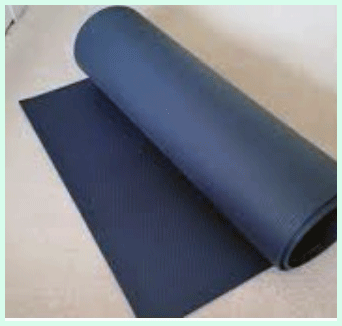
I first picked up the eKO because I wanted something natural after years on synthetic mats that left me feeling disconnected.
The moment I unrolled it, the texture caught my attention—it wasn’t overly aggressive but provided just enough feedback for precise foot placement.
In my first hot yoga class, sweat started dripping, and instead of sliding, my downward dog felt locked in. That reliability built trust quickly.
Over the next few months, I used it daily for vinyasa flows at home and in studio heated sessions.
The springy response helped me float through transitions without feeling bogged down. My knees thanked me during extended kneeling poses, and the 5mm thickness struck a perfect balance—not too thin for support, not too thick to lose ground connection.
The initial rubber scent was there, but after airing it out and a few practices, it vanished. I appreciated how the mat seemed to improve with use; the grip got even better as oils wore off. Carrying it to class wasn’t a burden, though I noticed the weight more on longer walks.
One downside showed after about two years of heavy use: minor surface wear in high-friction spots like the center. Nothing dramatic, but it reminded me natural materials have limits. Still, it outperformed cheaper naturals I’ve tried.
Switching to other mats occasionally highlighted what I missed—the organic feel and superior wet performance. When I practice on eKO now, it feels like coming home; it supports my sweaty, dynamic style without compromise.
Also read: Comparison of Cobra Darkspeed X And ls
Pros Of Manduka EKO
- Superior Wet Grip Performance: The ripple texture on the eKO catches moisture and turns it into traction instead of slippage; this makes it a standout for hot yoga or any flow where sweat pours because my hands and feet stay planted no matter how intense the practice gets.
- Eco-Conscious Construction: Made from 100% natural rubber without PVC or toxic additives, it feels good knowing my mat breaks down more naturally over time compared to synthetic options; I appreciate supporting sustainable choices in my wellness routine.
- Responsive And Springy Feel: The 5mm thickness combined with the rubber layers gives a lively bounce that helps with transitions and jumps; it doesn’t feel mushy but provides enough give for my knees during longer holds.
- Natural Texture For Alignment: The subtle patterned surface helps me feel grounded and aware of my placement; it encourages precise form without being overly aggressive on the skin.
- Light Enough For Studio Carry: At around 5 pounds, it’s manageable to tote to classes or roll up for home storage; it doesn’t feel like hauling a boulder like some thicker mats do.
- Biodegradable Materials: The natural rubber base means it’s kinder to the planet long-term; I like that it aligns with my values of reducing environmental impact through everyday items.
- Excellent For Sweaty Styles: In vinyasa or power sessions where sweat builds up, the grip only improves; I’ve never had to wipe down mid-class to regain control.
- Unique Sensory Experience: Practicing on natural rubber has a distinct earthy connection that synthetic mats lack; it makes my sessions feel more organic and mindful.
- Good Joint Support Without Excess Bulk: The cushion absorbs impact for wrists and knees while keeping me stable; it’s a balanced sweet spot for most asanas.
- Odor Fades Quickly With Use: Any initial rubber scent disappears after a few sessions and airing out; it doesn’t linger like some cheaper natural mats.
Cons Of Manduka EKO
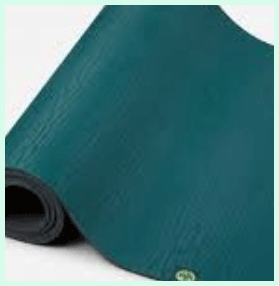
- Initial Rubber Odor: Right out of the packaging, there’s a noticeable natural rubber smell that can be off-putting; it usually airs out in a week or so, but the first few practices might require extra ventilation.
- Heavier Than Some Travel Options: Weighing around 5 pounds, it’s not the lightest for frequent flying or backpacking; I sometimes opt for something slimmer when space is tight.
- Potential For Faster Wear In Heavy Use: Natural rubber can show signs of degradation like cracking or thinning over many years of intense daily practice; it doesn’t match the near-indestructible feel of synthetics.
- Requires More Careful Maintenance: To prevent premature breakdown, I avoid direct sun exposure and clean it gently; neglecting this can lead to quicker wear compared to low-maintenance PVC mats.
- Slight Initial Slipperiness When New: The grip kicks in fully after breaking in; the first session or two might feel a bit slick until oils from the factory wear off.
- Not As Dense For Extreme Stability: While responsive, it has a bit more give than denser mats; in super grounded poses like handstands, I sometimes prefer firmer support.
- Can Attract Dust Or Lint: The textured surface picks up particles more easily; I find myself brushing it off before rolling out occasionally.
- Higher Price For Natural Materials: The eco-friendly build comes at a premium; it’s worth it for me, but it stings if you’re budget-conscious.
- Limited Color Variety In Some Lines: Depending on the batch, options might feel more muted compared to vibrant synthetic choices.
- May Stretch Slightly Over Time: Heavy use in hot conditions can cause minor elongation; it’s not drastic, but noticeable after years.
Maintenance Tips For Manduka EKO
- Clean Regularly With Mild Soap: Wipe it down after each sweaty session using a damp cloth and gentle, non-toxic cleaner; this prevents bacteria buildup and keeps the grip fresh without stripping natural oils.
- Air Dry Completely: Hang or lay it flat in a shaded area after cleaning; never use a dryer or leave it in direct sunlight, as heat can degrade the rubber faster.
- Avoid Harsh Chemicals: Skip bleach, strong detergents, or essential oils that might break down the material; stick to Manduka’s recommended spray or a simple vinegar-water mix.
- Store Rolled Loosely: Roll it with the top side out and don’t bind it too tightly; this prevents creases and helps maintain even wear.
- Break It In Gently: Unroll and let it rest flat for a day or two before heavy use; this reduces initial odor and lets the surface settle.
- Limit Sun Exposure: Keep it out of prolonged UV light to avoid fading or cracking; indoor storage or a mat bag works best.
- Spot Clean As Needed: For stubborn marks, use a soft brush with mild solution; avoid soaking the entire mat to prevent water damage.
- Rotate Usage If Possible: Alternate with another mat occasionally; this gives the rubber time to recover and extends overall life.
- Inspect For Wear Periodically: Check edges and center for thinning; catching issues early lets you adjust care.
- Use A Mat Towel In Hot Classes: Layer a thin towel for extra absorption; it reduces direct sweat contact and eases cleaning.
My Experience With Manduka ProLite
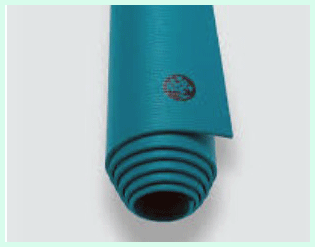
The ProLite entered my rotation when I needed a lighter, more travel-friendly option without sacrificing too much cushion.
At 4.7mm, it provides dense support that feels almost floor-like—stable for balancing poses yet forgiving on joints.
I took it on a trip, and the 4-pound weight made packing easy; it rolled tight and fit in my carry-on effortlessly.
In everyday use, the closed-cell surface repels moisture well, so cleaning is simple—just a quick wipe.
No lingering odors, and it stayed fresh from day one. Grip is excellent in dry conditions; my hands never slipped in regular flows. In moderately sweaty sessions, it holds up, though not as dramatically as the eKO.
The lifetime guarantee gives peace of mind; I’ve put hundreds of hours on mine with barely visible wear.
It’s become my reliable daily driver for mixed practices—gentle hatha to stronger vinyasa. The stability shines in inversions; I feel grounded without bounce.
Occasionally, I miss the eKO’s lively spring, but the ProLite’s consistency wins for long sessions. It’s hygienic and low-maintenance, perfect when I’m short on time.
Pros Of Manduka ProLite
- Exceptional Long-Term Durability: This mat holds up incredibly well under heavy daily use; after hundreds of sessions, including some sweaty ones, it shows almost no visible wear, cracking, or thinning, which makes the lifetime guarantee feel genuinely meaningful.
- Lightweight And Travel-Friendly: At around 4 pounds, it’s noticeably easier to carry than thicker Manduka options; I toss it in my backpack or suitcase without a second thought, and it rolls up compactly for studio commutes or trips.
- Dense Cushioning For Stability: The 4.7mm thickness provides firm, floor-like support that helps with balance poses and inversions; it doesn’t sink or compress too much, so I feel grounded and in control during standing sequences or handstands.
- Closed-Cell Surface Prevents Moisture Absorption: Sweat and bacteria stay on top instead of soaking in; this keeps the mat hygienic over time and makes it ideal for people who practice regularly without constant deep cleans.
- Solid Grip Once Broken In: The textured top layer gets reliably sticky after a short wear-in period; in dry or moderately sweaty conditions, my hands and feet stay planted without constant readjusting.
- Low Maintenance Appeal: Quick wipe-downs after class are usually enough; no lingering odors develop, and it doesn’t require special airing out or careful sun avoidance like natural rubber mats do.
- Vegan And Certified Safe Materials: Free of latex, phthalates, and harmful substances with OEKO-TEX certification; knowing it’s made responsibly in an emissions-free facility adds peace of mind for everyday use.
- Consistent Performance Across Practices: It handles everything from gentle restorative sessions to stronger vinyasa flows; the firmness supports longer holds without feeling too hard on joints.
- No-Slip Bottom Dot Pattern: The proprietary dots on the underside keep the mat anchored to the floor; I’ve never had it slide around during dynamic movements or transitions.
- Great Sock Absorption For Joints: Even though it’s dense, the bimodal foam tech cushions wrists, knees, and hips during floor work; it strikes a nice balance between support and protection without excess bulk.
Cons Of Manduka ProLite
- Initial Slipperiness When New: Right out of the box, the surface can feel slick for the first few practices; it often requires a break-in period or a light salt scrub to reach full grip, which frustrates some people starting out.
- Less Impressive In Heavy Sweat Or Hot Yoga: While it performs decently when wet, it doesn’t match the superior traction of textured natural rubber mats; in very sweaty or heated classes, I sometimes need a towel overlay to stay secure.
- Not As Springy Or Responsive: The dense construction prioritizes stability over bounce; transitions or jumps feel more grounded but lack the lively rebound I get from softer or natural mats.
- Premium Price Point: It costs more than many entry-level or mid-range mats; the investment only makes sense if you practice frequently and value longevity over short-term savings.
- Limited Cushion For Extra-Sensitive Joints: At 4.7mm, it’s firmer than thicker options; if you have knee issues or prefer plush padding for extended floor poses, it might feel too hard without doubling up or adding props.
- Can Attract Dust Or Pet Hair: The textured top picks up lint and fine particles more noticeably; I find myself brushing it off before unrolling in a home with pets or carpets.
- Fewer Color Options In Some Seasons: Availability varies, and the palette tends toward classic neutrals; if you’re after bold or seasonal hues, choices feel more limited compared to trendier brands.
- Requires Break-In For Optimal Feel: Unlike some mats that are grippy immediately, this one improves with use; the first week or two can involve minor slips until the surface activates fully.
- Heavier Than Ultra-Thin Travel Mats: While light for its category, it’s not featherweight like superlite options; for minimalist packing on long trips, something slimmer might edge it out.
- Potential For Minor Indentations Over Years: Extremely heavy daily use in the same spots can leave faint impressions; it’s cosmetic and doesn’t affect performance, but perfectionists might notice.
Read more: Comparison of Strider Sport And Classic
Maintenance Tips For Manduka Prolite
- Wipe Down After Each Use: Spray the surface with a dedicated mat cleaner like Manduka’s Mat Wash & Refresh, then wipe thoroughly with a clean cloth; this removes sweat and prevents odor buildup without deep soaking.
- Air Dry Fully Before Rolling: Lay it flat or hang it in a well-ventilated spot until completely dry; rolling a damp mat traps moisture and can lead to mildew over time.
- Avoid Harsh Chemicals Or Solvents: Skip vinegar, bleach, essential oils, or strong disinfectants that might degrade the PVC surface; stick to pH-balanced, yoga-specific cleaners to preserve grip and material integrity.
- Spot Clean Stubborn Marks Promptly: For dirt or scuffs, use a soft sponge with the approved spray and gentle pressure; immediate attention keeps stains from setting in permanently.
- Store Rolled With Top Outward: Roll loosely with the textured side facing out to prevent creases or corner curling; store in a cool, dry place away from direct heat sources.
- Use A Towel For Sweaty Sessions: Layer a thin yoga towel during hot or intense classes; it absorbs excess moisture and reduces the need for frequent full cleans.
- Deep Clean Occasionally: Every few weeks or after heavy use, give it a more thorough wipe-down or light scrub with soft brush and cleaner; rinse residue if needed and dry completely.
- Keep Away From Prolonged Sunlight: UV exposure can fade colors or weaken materials over years; indoor storage or a breathable mat bag protects it best.
- Inspect Bottom Dots For Debris: Occasionally check the no-slip pattern underneath and brush off grit; clean floors help maintain its grip to the ground.
- Refresh Grip If Needed: If grip dulls slightly over time, a light sprinkle of sea salt scrub (followed by rinse) can revive it without damaging the surface.
Comparison With Other Brands
Grip In Hot Conditions Vs Lululemon: The eKO outperforms many Lululemon mats in wet traction; while Lululemon offers soft cushion, it can slip more in heated classes compared to the eKO’s rubber texture.
Durability Against Jade Harmony: Jade mats use natural rubber too, but the eKO feels denser and holds shape better over time; Jade sometimes develops more odor issues.
Eco-Friendliness Vs Hugger Mugger: Hugger Mugger has eco options, but Manduka’s eKO uses cleaner sourcing; both avoid PVC, yet eKO’s grip edges ahead for sweaty practices.
Weight And Portability Vs Gaiam: Gaiam mats are lighter and cheaper, but lack the premium grip and longevity; eKO justifies the extra weight for serious yogis.
Stability Vs Manduka’s Own Pro Series: Within Manduka, the ProLite feels more grounded than eKO; other brands like Jade can feel bouncier but less stable.
Cushion Balance Vs Alo Yoga: Alo mats prioritize softness, sometimes at the cost of firmness; eKO strikes a responsive middle ground without excess sink.
Odor Control Vs Budget Natural Mats: Cheaper natural rubber brands often retain smell longer; eKO airs out faster with proper care.
Long-Term Value Vs PVC Competitors: Synthetics from brands like Adidas last long but lack eco appeal; eKO offers sustainability without sacrificing too much performance.
Texture Feedback Vs Cork Mats: Cork provides natural grip but can wear unevenly; eKO’s rubber texture feels more consistent across conditions.
Overall Build Quality Vs Premium Alternatives: Compared to high-end like Liforme, eKO focuses on raw performance over alignment aids; it’s simpler yet highly effective.
Frequently Asked Questions (FAQ)
Yes, the eKO excels in hot yoga thanks to its superior wet grip from the textured natural rubber surface.
With regular use and proper care, it can last several years, though natural rubber may show wear sooner than synthetics—often 5-10 years depending on intensity.
It’s responsibly made in emissions-free facilities with OEKO-TEX certification and some recycled options available, but as a PVC-based mat, it’s less eco-friendly than natural rubber alternatives like the eKO.
Conclusion: For Both Products
I’ve shared my real experiences with the Manduka eKO and ProLite because I know how much the right mat can transform your practice. If you prioritize incredible grip in sweaty conditions, natural materials, and an eco-conscious choice, go for the eKO—it has been my reliable companion for heated and dynamic flows. On the other hand, if you want lightweight portability, exceptional long-term durability, easy maintenance, and rock-solid stability for everyday use, the ProLite stands out as the smarter pick for most people. Ultimately, you can’t go wrong with either since both come from a trusted brand built for serious yogis. Consider your typical practice, environment, and values, and choose the one that feels right for you. Your mat should inspire you to show up on the regular—pick the one that makes that easy.