
If you have been scrolling through health forums or social media lately, you have almost certainly seen the buzz surrounding Berberine. Dubbed by many as “Nature’s Ozempic,” it has become the go-to supplement for people trying to manage stubborn blood sugar levels, shed a few extra pounds, or simply reset their metabolic health. Among the sea of bottles on Amazon and Walmart shelves, Luma Nutrition Berberine stands out with its high-potency claims and sleek branding. But with so many generic supplements flooding the market, you are right to pause and wonder if this specific bottle is actually worth your money.
In this comprehensive review, I am going to break down everything you need to know about Luma Nutrition Berberine, from its actual potency to how it feels to take it daily. I will strip away the marketing fluff to analyze the ingredients, the manufacturing standards, and the real-world results you can expect. Whether you are pre-diabetic, fighting the afternoon energy slump, or just curious about metabolic support, this guide will help you decide if Luma Nutrition is the right tool for your health journey.
My Experience With Luma Nutrition Berberine
I started my journey with Berberine for a very specific reason: the dreaded post-lunch crash. I found that no matter what I ate, around 2:00 PM, my brain would fog over, and I would feel an overwhelming urge to nap. My doctor mentioned that my blood sugar was creeping up towards the high end of “normal,” so I decided to intervene before it became a medical issue. I chose Luma Nutrition primarily because of the dosage; while many brands offer 500mg, Luma boasts 1200mg per serving, which seemed like more bang for my buck.
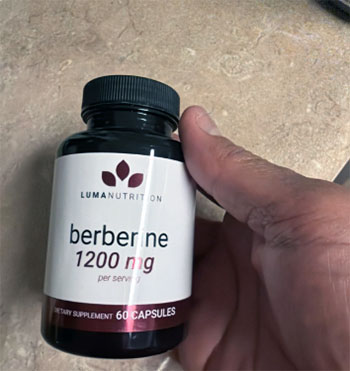
When the bottle arrived, I was pleased to see it was sealed properly and had a clean, professional label.
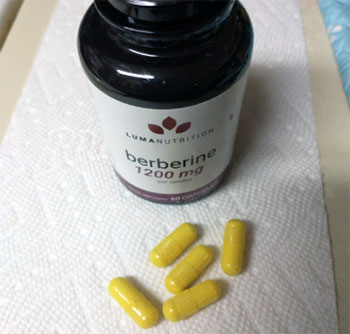
The capsules themselves are standard veggie caps, but I will be honest—they are on the larger side.
If you struggle with swallowing pills, taking two of these at once might be a bit of a chore.
I started taking my dose about 20 minutes before my largest meal of the day, usually dinner, as recommended to maximize the glucose-disposal effects.
For the first three days, the only thing I noticed was my stomach rumbling.
Berberine is notorious for causing gastrointestinal distress, and Luma was no exception. I experienced some mild cramping and bloating, which made me question if I should continue. However, I had read that this is a common “adjustment phase,” so I pushed through. By day five, the digestive issues had largely subsided, and my body seemed to accept the supplement.
The real change became apparent around the two-week mark. I realized that the heavy, lethargic feeling I usually got after a carb-heavy meal was significantly reduced. I wasn’t falling into a food coma after eating pasta or rice. It felt like my body was actually processing the fuel rather than just storing it. My energy levels throughout the day became much more stable, without those sharp peaks and valleys I was used to.
After finishing the first bottle (a 30-day supply), I stepped on the scale and noticed I was down about three pounds. I hadn’t radically changed my diet or exercise routine, so I attribute this to the improved insulin sensitivity. It wasn’t a miracle weight-loss transformation—I didn’t suddenly have a six-pack—but it was a nice bonus on top of the energy stability.
Overall, my experience with Luma Nutrition was positive, but it wasn’t without its learning curve. The initial stomach upset is a real hurdle, and you have to be consistent with the timing to see results. It feels like a potent, no-nonsense supplement that does exactly what it says on the label, provided you can handle the high dosage.
Read More: My Thoughts On Feel Good Berberine
Pros Of Luma Nutrition Berberine
When comparing Luma to the dozens of other yellow bottles on the market, several features make it a compelling choice. Here are the specific advantages that I found during my analysis.
- High Potency Dosage Per Serving: One of the main selling points of Luma Nutrition is the 1200mg dosage listed on the front of the bottle. Most clinical studies on Berberine suggest a daily intake of 1000mg to 1500mg to see significant changes in blood sugar and cholesterol. Many competitors only offer 500mg capsules, requiring you to take three or four pills a day to hit that therapeutic window. With Luma, you get a robust 1200mg in just two capsules, making it much easier to reach the effective dose without swallowing a handful of pills. This high concentration ensures you aren’t under-dosing, which is a common reason people fail to see results with herbal supplements.
- Transparent Sourcing and Manufacturing: In the supplement industry, quality control is everything, and Luma Nutrition appears to take this seriously. The product is manufactured in the USA in a facility that is GMP (Good Manufacturing Practice) certified. This is a critical trust factor because it means the production process is regulated and sanitary, minimizing the risk of contamination. They also claim third-party testing, which is the gold standard for verifying that what is on the label is actually inside the capsule. For a supplement that you are ingesting daily to alter your metabolism, knowing it is free from heavy metals and fillers provides significant peace of mind.
- Competitive Price Point: When you break down the cost per milligram, Luma offers excellent value compared to premium functional medicine brands. High-end brands like Thorne or Integrative Therapeutics can cost nearly double for a similar month’s supply. Luma strikes a balance between being a “cheap generic” and a “luxury supplement,” offering a potent dose at a price that is sustainable for long-term use. If you are planning to take Berberine for months to manage a chronic condition like insulin resistance, this lower price point makes it much easier on your wallet. You get a clinical-strength product without the clinical-strength price tag.
- Effective Glucose Disposal Agent: Based on user reviews and my own experience, the formulation is highly effective at its primary job: managing blood sugar spikes. The Berberine HCL form used in Luma is the most studied form for activating AMPK, the “metabolic master switch” inside your cells. Users consistently report better A1C readings and reduced sugar cravings after using this specific brand for a few months. It doesn’t just mask symptoms; it helps your body utilize carbohydrates more efficiently, preventing them from being stored as fat. For anyone fighting the “carb coma,” this functional benefit is the biggest pro of all.
Cons Of Luma Nutrition Berberine
While Luma is a strong contender, it is not perfect. There are specific drawbacks related to its formulation and physical characteristics that you need to be aware of before purchasing.
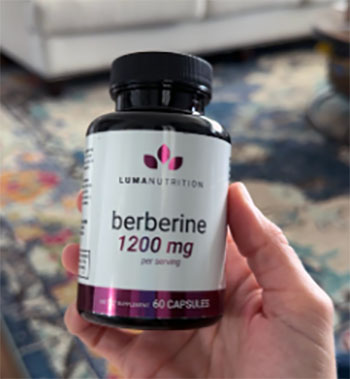
- Standard Absorption Limitations: The biggest scientific drawback is that Luma uses standard Berberine HCL, which is known for having poor bioavailability. The human body struggles to absorb raw Berberine, meaning a lot of that 1200mg dosage might just pass right through your digestive tract. Newer, more advanced supplements use “Phytosome” technology or add absorption enhancers like Silymarin or Sunflower Lecithin to fix this issue. Luma does not include these enhancers, relying solely on a high raw dose to brute-force the absorption. This means you might not be getting as much active compound in your bloodstream as you would with a lower-dose, bio-enhanced product.
- Significant Digestive Side Effects: The high concentration of 1200mg can be a double-edged sword for your gut. Because standard Berberine sits in the intestines for a long time, it is notorious for causing cramping, diarrhea, and bloating. Many users report that the full two-capsule dose is too harsh for their stomach to handle initially. You might have to start with just one capsule and slowly work your way up, which extends the time it takes to see full benefits. If you have a sensitive stomach or IBS, this “blunt instrument” approach to dosage might be too aggressive for you.
- Large Capsule Size: For those who have a sensitive gag reflex, the physical size of the pills can be an issue. To fit 600mg of herbal powder into a single capsule, the manufacturer has to use a large “00” size capsule. Taking two of these at once requires a big gulp of water, and they can sometimes feel like they are “stuck” in your throat. Unlike tablet forms that can be split in half, these are powder-filled capsules that you cannot easily divide. This can be a daily annoyance that leads to lower adherence to your supplement routine.
- Confusing Serving Size Marketing: While the bottle screams “1200 MG,” it is important to read the fine print that this is per serving, not per capsule. A serving is two capsules, meaning each individual pill is only 600mg. This is a common industry trick, but it can be misleading for consumers who think they are getting 1200mg in a single pop. It also means a 60-count bottle is only a 30-day supply, not a two-month supply as you might assume at a glance. You need to calculate your monthly cost based on buying a new bottle every four weeks.
Maintenance Tips For Luma Nutrition Berberine
Berberine is a powerful biological compound, not a multivitamin you can just pop and forget. To avoid side effects and maximize the metabolic benefits, you need to follow a specific protocol.

- Timing Is Everything: To get the blood sugar benefits, you must take the supplement shortly before you eat. The ideal window is 15 to 30 minutes before your largest, most carbohydrate-heavy meals of the day. If you take it on an empty stomach without food following it, you risk your blood sugar dropping too low (hypoglycemia), which can make you feel dizzy or anxious. Conversely, if you take it hours after eating, you miss the window to blunt the glucose spike from that meal. Keep the bottle on your dining table so you remember to take it right as you are sitting down to eat.
- Cycle Your Usage: There is some evidence suggesting that long-term, uninterrupted use of Berberine may affect gut bacteria or liver enzymes. Many functional medicine practitioners recommend a “cycling” approach, such as taking it for eight weeks and then taking two weeks off. This prevents your body from building up a tolerance to the herb and gives your liver a break. Use those two weeks off to assess if your healthy habits have stuck; see if you can maintain your energy levels with diet alone before restarting the cycle. Always consult your doctor before starting or stopping, especially if you are on medication.
- Hydration Is Key For Digestion: Since Berberine can be drying and irritating to the gut lining, you need to increase your water intake. Swallow the capsules with a full 8-ounce glass of water, not just a sip. Throughout the day, aim to drink more water than usual to help move the fiber and plant matter through your digestive system. Proper hydration helps mitigate the constipation that some users experience as a side effect. If you do get diarrhea, replenishing electrolytes becomes even more critical to prevent dehydration/fatigue.
- Monitor For Interactions: Berberine is potent enough to interact with prescription medications, particularly those processed by the liver. If you are taking blood thinners, blood pressure medication, or Metformin, you must be extremely careful. Berberine can amplify the effect of diabetic drugs, potentially causing your blood sugar to crash to dangerous levels. Keep a log of your readings if you are diabetic and share them with your doctor; they may need to adjust your prescription dosage. Treat this supplement with the same respect you would treat a prescription drug.
Comparison with Other Brands
To understand if Luma is the right choice, we need to compare it to the market leaders. I have selected three distinct competitors to show where Luma sits in the hierarchy of Berberine supplements.
- Thorne Berberine (Berbercap): Thorne is widely considered the premium standard in the supplement industry, often used by pro athletes. Comparison: Thorne uses “Berberine Phytosome” (in their advanced version) or high-purity HCL, which generally has better absorption and fewer side effects than the standard generic HCL found in Luma. Thorne tests every single batch and has NSF Certified for Sport options, offering a level of purity guarantee that Luma cannot match. However, Thorne is significantly more expensive; you will pay a premium for that brand name and absorption technology. If you have a very sensitive stomach or money is no object, Thorne is the superior choice. If you want a cost-effective workhorse, Luma is the better value buy.
- Doctor’s Best High Absorption Berberine: This is a very popular budget-friendly option found in most health stores. Comparison: Doctor’s Best typically uses a standardized extract labeled as “High Absorption,” though it is often just standard HCL similar to Luma. The main difference is the dosage; Doctor’s Best usually comes in 500mg capsules. To match Luma’s 1200mg daily dose, you would need to take nearly three capsules of Doctor’s Best, which might mean finishing the bottle faster. Luma’s 600mg per capsule offers a slightly more convenient dosing schedule for those who want high potency. Luma feels slightly more modern and potent, while Doctor’s Best is a classic, reliable, but lower-dose standby.
- Nutricost Berberine: Nutricost is another brand that competes directly on price and high dosage. Comparison: Nutricost often sells bottles with much higher capsule counts (e.g., 120 or 240 capsules) for a similar price, making it strictly cheaper per serving than Luma. However, Luma Nutrition’s branding and user reviews often cite better quality control and fewer “broken capsules” inside the bottle compared to the bulk-focused Nutricost. Nutricost is great for bulk buying if you are already sure Berberine works for you. Luma feels like a safer “middle ground” with better quality assurance than the ultra-cheap bulk brands, but less science than the ultra-expensive ones.
Also Read: My Thoughts On Doctors’ Preferred Daily 5 Supplement
Frequently Asked Questions (FAQ)
The most effective time to take Luma Berberine is 15 to 30 minutes before your two largest meals of the day (usually lunch and dinner). Taking it before food allows the Berberine to be present in your system as glucose enters your bloodstream, helping to blunt the insulin spike. Avoid taking it immediately before bed on an empty stomach, as this could lead to low blood sugar while you sleep.
Luma Berberine can support weight loss, but it is not a magic fat burner. It works by activating AMPK (which boosts metabolism) and improving insulin sensitivity, making it harder for your body to store fat. Most users see modest weight loss of 3 to 5 pounds over a few months, provided they also maintain a healthy diet. It is best viewed as a tool to help your diet work better, rather than a pill that melts fat on its own.
Yes, Luma Nutrition is a legitimate US-based brand that manufactures its products in FDA-registered, GMP-certified facilities. They are veteran-owned and generally receive high marks for customer service and shipping speed. While they are not as large or clinically famous as brands like Thorne or Pure Encapsulations, they have established a solid reputation for providing clean, effective supplements at a mid-range price point.
The marketing states “1200mg,” but this is the dosage for a serving size of two capsules. This means each individual capsule contains 600mg of Berberine HCL. You need to take two capsules daily to achieve the advertised 1200mg potency.
Conclusion
Luma Nutrition Berberine is a solid, no-nonsense option for anyone looking to take control of their metabolic health without spending a fortune. It offers a potent, clinical-strength dose that is effective at stabilizing blood sugar and curbing cravings, as evidenced by both the science and my personal experience. While the large capsules and potential for initial stomach upset are valid concerns, they are common trade-offs for this type of supplement.
If you are looking for a high-value, high-potency Berberine supplement that is made in the USA, Luma Nutrition is definitely worth a try. It strikes the perfect balance between affordability and quality. However, if you have a highly sensitive stomach, you might want to look at more expensive “phytosome” options. For most people, though, Luma provides exactly the support you need to keep your energy steady and your waistline in check.