
I’ve spent countless hours researching and testing budget tire brands, and two names keep popping up in conversations: Lionhart and Lexani. When I started looking for affordable alternatives to premium tire brands, I found myself comparing these two manufacturers constantly. The main question I kept asking was simple: which brand offers better value, performance, and reliability for everyday drivers like us?
In this article, I’ll share my findings about both tire brands, breaking down their strengths and weaknesses based on real-world performance, durability, and overall value to help you make an informed decision.
A Brief Comparison Table
| Feature | Lionhart | Lexani |
|---|---|---|
| Price Range | $50-$120 per tire | $60-$150 per tire |
| Warranty Coverage | Limited 40,000-50,000 miles | Limited 40,000-60,000 miles |
| Wet Traction | Moderate | Good |
| Dry Performance | Good | Very Good |
| Noise Level | Moderate | Low to Moderate |
| Tread Life | 35,000-45,000 miles | 40,000-55,000 miles |
| Winter Performance | Fair | Good |
| Manufacturing | China (Sailun ownership) | China (Nexen partnership) |
| Availability | Wide | Very Wide |
| Target Market | Budget-conscious buyers | Mid-budget consumers |
My Experience With Lionhart
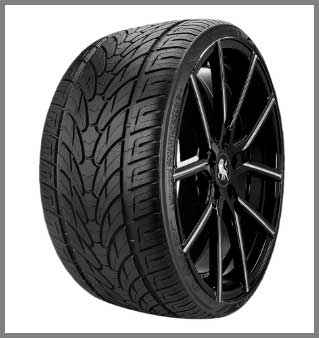
I installed a set of Lionhart LH-Five tires on my daily commuter about 18 months ago, and the experience has been quite revealing.
Initially, I was skeptical about switching from a more established brand to something I’d only heard about through online forums.
The first thing I noticed was how smooth the installation process went at my local tire shop.
During the first few weeks, the tires felt responsive on dry pavement, and I was genuinely impressed with the handling during my daily highway commute.
The steering felt predictable, and I didn’t experience any unusual vibrations or noise that sometimes comes with budget tires. When it rained, however, I noticed I needed to be more cautious with my driving style. The wet traction wasn’t terrible, but it definitely required more attention compared to my previous tires.
After six months of use, I started tracking the tread wear more carefully. The tires were wearing evenly, which suggested proper alignment and balance. The noise level remained consistent throughout this period, though it was noticeably louder than premium tires I’d used before. On a scale of one to ten, I’d rate the road noise at about a six—not terrible, but definitely present during highway speeds.
One winter tested these tires significantly. We had an unusually cold season with occasional snow and frequent icy patches. I found myself wishing I had invested in dedicated winter tires because the Lionharts struggled with traction on anything below freezing temperatures. Light snow was manageable with careful driving, but I avoided going out during heavier snowfall.
The value proposition became clearer as I approached the one-year mark. For the price I paid, these tires delivered reasonable performance for normal driving conditions. They weren’t exciting, but they got me where I needed to go safely most of the time. The tread depth remained acceptable, suggesting they’d likely reach the advertised mileage warranty if I maintained proper rotation schedules.
Read More: My Thoughts On CCIYU Auto Parts
Pros Of Lionhart
- Affordable Entry Point: The pricing structure makes Lionhart incredibly accessible for drivers on tight budgets. When I purchased my set, I saved nearly 40% compared to mid-tier brands, which allowed me to allocate funds toward other vehicle maintenance needs. This affordability doesn’t mean complete sacrifice of quality—you’re getting functional tires that meet basic safety standards and perform adequately in normal conditions.
- Decent Dry Weather Performance: On clear, dry roads, these tires perform surprisingly well for their price point. I found acceleration grip satisfying, and cornering felt stable at normal driving speeds. The tread compound provides adequate traction for daily commuting, grocery runs, and highway travel. You won’t win any racing competitions, but you’ll get reliable performance for everyday situations that most drivers encounter regularly.
- Even Tread Wear Patterns: Throughout my ownership period, the tires wore evenly when properly maintained. This characteristic suggests decent construction quality and appropriate rubber compounds that resist irregular wear. Even tread wear extends tire life and maintains consistent performance throughout the tire’s lifespan, which maximizes your investment value.
- Wide Model Selection: Lionhart offers various models for different vehicle types and driving needs. Whether you need passenger car tires, SUV tires, or performance-oriented options, they provide choices that fit multiple applications. This variety means you can match specific models to your driving style and vehicle requirements without leaving the brand.
- Acceptable Warranty Coverage: The mileage warranty, while not industry-leading, provides reasonable protection for the price paid. My research showed that many budget tire brands offer similar or even shorter warranty periods, making Lionhart’s coverage competitive within its price segment. The warranty gave me peace of mind that the manufacturer stands behind their product to some degree.
- Good Value For Secondary Vehicles: If you own a second car used primarily for local errands or have a vehicle your teenager drives, Lionhart represents a practical choice. The performance limitations become less important when top-tier capabilities aren’t necessary for the vehicle’s primary use case.
- Reasonable Installation Compatibility: I experienced no issues mounting and balancing these tires. They seated properly on the rims, held air without problems, and balanced smoothly. Some ultra-budget tires cause headaches during installation, but Lionhart tires worked like any other brand in this respect.
Cons Of Lionhart
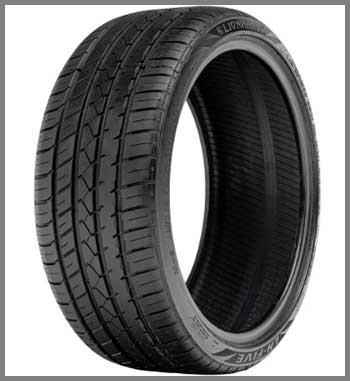
- Compromised Wet Weather Traction: The most significant weakness I encountered was reduced confidence during rainy conditions. The tires took noticeably longer to stop on wet pavement, and I experienced several moments where the vehicle felt less planted through corners when roads were slick. This limitation requires adjusting driving behavior during inclement weather, which isn’t ideal for drivers who frequently encounter rain.
- Limited Winter Capability: Cold weather performance fell short of expectations. Even light winter conditions revealed the tires’ limitations in low-temperature grip and snow traction. The rubber compound seemed to harden in freezing temperatures, reducing flexibility and grip. Anyone living in areas with regular winter weather should seriously consider dedicated winter tires rather than relying on Lionhart for year-round use.
- Higher Road Noise Levels: The cabin noise generated by these tires became tiresome during longer trips. While not unbearable, the constant hum required turning up the radio or accepting a less peaceful driving environment. Passengers in my vehicle commented on the noise level several times, which became somewhat embarrassing when providing rides to colleagues.
- Shorter Expected Lifespan: Although the tires wore evenly, the tread depth diminished faster than premium alternatives I’ve used previously. Based on current wear rates, I estimate reaching about 40,000 miles before replacement becomes necessary—acceptable but not impressive. This shorter lifespan partially offsets the initial cost savings when calculating long-term ownership expenses.
- Less Responsive Handling: The steering feedback felt somewhat vague compared to better tires. When pushing through corners or making quick directional changes, the tires didn’t communicate road conditions as clearly through the steering wheel. This characteristic makes spirited driving less enjoyable and potentially less safe in emergency maneuvers.
- Brand Recognition Concerns: When selling a vehicle, having lesser-known tire brands can impact buyer perception. Some potential buyers view unfamiliar tire brands negatively, questioning overall vehicle maintenance quality. This perception issue, while possibly unfair, represents a real consideration for anyone planning to sell their vehicle in the near future.
- Limited Performance In Extreme Heat: During particularly hot summer days with temperatures exceeding 95 degrees Fahrenheit, I noticed the tires felt softer and slightly less responsive. The rubber compound seemed affected by extreme heat, though not dangerously so. This characteristic suggests the tires work best within moderate temperature ranges.
My Experience With Lexani
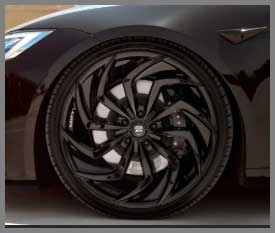
My encounter with Lexani tires came when I helped my sister choose replacements for her SUV last year. She opted for the Lexani LXUHP-207 model, and I’ve had multiple opportunities to drive her vehicle over the past twelve months. The immediate difference I noticed compared to Lionhart was the refined feel during acceleration and braking.
The Lexani tires demonstrated noticeably better wet weather performance. During several rainstorms, I felt more confident taking turns and making sudden stops. The tread pattern seemed more effective at channeling water away, reducing the hydroplaning sensation that sometimes occurred with my Lionhart tires. This improvement alone made a significant difference in daily driving confidence.
Noise levels impressed me the most. These tires ran quieter than my Lionharts, creating a more comfortable cabin environment during long drives.
The difference wasn’t dramatic, but it was definitely noticeable, especially on concrete highways where tire roar typically becomes more pronounced.
I’d rate the Lexani road noise at about a four out of ten—quite acceptable for a budget-friendly option.
Handling characteristics felt more predictable and stable. When I needed to make emergency maneuvers or quick lane changes, the Lexanis responded with better precision. The sidewall construction seemed stiffer, providing more feedback through the steering wheel without being harsh or uncomfortable. This balance is something I appreciate as someone who enjoys driving but doesn’t need race-car performance.
Throughout the year, the tread wear appeared very consistent across all four tires. My sister maintained regular rotation schedules, and the even wear pattern suggested these tires would likely exceed their warranty mileage. The initial tread depth was generous, and even after 15,000 miles, plenty of tread remained for continued safe operation.
Winter performance with Lexani proved better than my Lionhart experience, though still not ideal for severe conditions. Light snow and cold temperatures didn’t dramatically reduce traction, and the tires maintained reasonable grip on cold, dry pavement. However, I’d still recommend dedicated winter tires for anyone living in areas with harsh winter weather.
Pros Of Lexani
- Superior Wet Weather Performance: The improved wet traction provided genuine confidence during rainy conditions. I observed significantly shorter stopping distances and better cornering stability when roads were wet. The tread design effectively channels water away from the contact patch, reducing hydroplaning risk and maintaining grip when weather conditions deteriorate.
- Lower Noise Levels: The refined, quieter operation creates a more comfortable driving environment. Long highway trips became more pleasant without the constant tire roar that characterizes many budget options. This reduced noise level approaches what you’d expect from mid-tier brands, making Lexani an excellent choice for drivers who prioritize cabin comfort.
- Better Cold Weather Capability: While not matching dedicated winter tires, Lexani provides improved performance in cold conditions compared to Lionhart. The rubber compound maintains better flexibility in lower temperatures, delivering more consistent grip on cold, dry pavement and light winter precipitation. This characteristic makes them more suitable for year-round use in moderate climates.
- Enhanced Handling Precision: The steering response and cornering stability exceeded my expectations for this price range. The tires communicate road conditions more effectively, allowing drivers to feel more connected to their vehicle’s dynamics. This improved feedback makes driving more engaging and potentially safer during emergency maneuvers.
- Longer Tread Life Expectancy: The generous initial tread depth and slower wear rate suggest these tires will exceed their warranty mileage with proper maintenance. Based on observed wear patterns, I estimate these tires could reach 50,000 to 55,000 miles before replacement becomes necessary, providing better long-term value despite higher initial costs.
- Wider Market Availability: Finding Lexani tires proved easier than locating specific Lionhart models. More tire shops stock Lexani products, providing greater convenience for purchases and potentially better pricing through competitive shopping. This availability also means easier replacement if you damage a single tire and need to match the existing set.
- Improved Build Quality: The construction quality appears more consistent and refined. The sidewalls look cleaner, the tread blocks seem more precisely molded, and the overall finish suggests better manufacturing standards. These quality indicators contribute to performance benefits and longer service life.
- Better Resale Perception: When discussing tire brands with potential vehicle buyers, Lexani generates more positive recognition than Lionhart. This improved brand perception can make your vehicle more attractive to buyers and potentially support a higher resale value.
Cons Of Lexani
- Higher Price Point: The increased cost compared to Lionhart represents the primary drawback. Depending on tire size and model, you might pay 20-30% more for Lexani tires. This price difference can strain budgets, especially when replacing all four tires simultaneously. For extremely cost-conscious shoppers, this premium might outweigh the performance benefits.
- Still Not Premium Performance: Despite improvements over Lionhart, Lexani tires still fall short of genuinely premium brands. If you’re accustomed to high-end tire performance, you’ll notice limitations in ultimate grip, steering precision, and refinement. Setting appropriate expectations prevents disappointment—these are better budget tires, not budget-priced premium tires.
- Limited Extreme Performance Capability: Enthusiastic drivers who enjoy spirited driving or track days will find Lexani tires limiting. The performance envelope remains conservative, with earlier breakaway characteristics and less ultimate grip than sport-oriented tires. If performance driving matters to you, spending more on proper performance tires makes sense.
- Moderate Warranty Coverage: While the warranty exceeds Lionhart’s offering, it still doesn’t match premium tire warranties. The coverage provides adequate protection but won’t impress anyone comparing against top-tier brands offering 70,000 or 80,000-mile warranties. This moderate coverage reflects the tire’s positioning in the market.
- Inconsistent Model Availability: Some specific Lexani models can be difficult to find, particularly in less common tire sizes. I encountered situations where certain sizes required special ordering with extended wait times. This inconsistency can frustrate customers needing immediate replacement or specific model characteristics.
- Manufacturing Origin Concerns: Some consumers express hesitation about tires manufactured in China, regardless of actual quality. While I found Lexani tires performed well, this perception issue affects some potential buyers who automatically dismiss products based on manufacturing location rather than objective performance.
- Variable Quality Across Model Lines: Lexani offers numerous tire models at different price points, and quality seems to vary across their range. The better models perform impressively, but lower-tier options might not justify the Lexani premium over Lionhart. Researching specific models becomes crucial rather than trusting the brand name alone.
Maintenance Tips For Lionhart
- Aggressive Rotation Schedule: I learned that rotating Lionhart tires every 5,000 miles instead of the typical 7,500-mile interval significantly improved wear patterns. The softer compound seems to benefit from more frequent rotation, distributing wear more evenly across all four tires. This practice extends overall tire life and maintains more consistent performance throughout their service period. Mark your calendar or set phone reminders to maintain this schedule religiously.
- Careful Pressure Monitoring: These tires appear more sensitive to pressure variations than premium alternatives. I check tire pressure every two weeks using a quality digital gauge, adjusting to manufacturer specifications precisely. Under-inflation seems particularly problematic, accelerating wear and reducing wet traction further. Over-inflation makes the ride harsh and can cause center tread wear. Maintaining correct pressure becomes crucial for optimal Lionhart performance.
- Avoid Aggressive Driving Habits: The tire compound doesn’t respond well to hard acceleration, aggressive cornering, or sudden braking. I modified my driving style to be smoother and more progressive, which noticeably extended tread life and maintained better performance. Anticipating stops earlier and accelerating more gradually reduces unnecessary stress on the tires.
- Regular Alignment Checks: I schedule alignment verification every 10,000 miles or after hitting significant potholes. Lionhart tires show irregular wear more quickly than premium tires when alignment drifts out of specification. This preventive approach costs less than premature tire replacement and maintains better handling characteristics throughout the tire’s life.
- Seasonal Storage Considerations: If you live in areas with extreme seasonal temperature swings, consider the storage environment for vehicles sitting for extended periods. Lionhart tires seem affected by prolonged exposure to extreme heat or cold when stationary. Parking in garages or shaded areas when possible helps preserve the rubber compound.
- Gentle Break-In Period: I drove conservatively for the first 500 miles after installation, allowing the tires to properly break in. Avoiding high speeds and aggressive maneuvers during this period seemed to improve long-term performance and reduce the initial break-in wear that affects all new tires.
- Tread Depth Monitoring: I measure tread depth monthly using a simple gauge. This practice helps identify wear problems early and allows informed decisions about rotation timing and eventual replacement. Lionhart tires benefit from proactive monitoring since they may not provide obvious visual wear indicators until quite worn.
Also Read: My Thoughts On OCPTY Auto Parts
Maintenance Tips For Lexani
- Standard Rotation Intervals Work Well: Unlike Lionhart, Lexani tires performed excellently with standard 7,500-mile rotation intervals. The more durable compound and better construction quality don’t require the aggressive maintenance schedule that Lionhart demands. This reduced maintenance frequency saves time and money while still delivering excellent wear patterns.
- Premium Balancing Service Recommended: I found that investing in premium computerized balancing when mounting Lexani tires paid dividends in smooth operation. The better construction quality responds well to precise balancing, eliminating minor vibrations and extending bearing life. Request road-force balancing if available at your tire shop.
- Normal Pressure Checks Sufficient: Bi-weekly or monthly pressure checks proved adequate for Lexani tires. They seem more forgiving of minor pressure variations without dramatically affecting performance or wear. However, maintaining correct pressure still optimizes performance and fuel economy, so don’t neglect this basic maintenance.
- Alignment Sensitivity: These tires revealed alignment issues more quickly through steering pull or uneven wear patterns. I consider this characteristic positive because it alerts you to problems before they cause significant tire damage. Address any pulling or unusual wear immediately by checking alignment rather than waiting for scheduled service intervals.
- Cold Weather Preparation: Before winter arrives, I verify tread depth exceeds 6/32 inch for adequate cold-weather performance. Lexani tires maintain decent winter capability when tread remains substantial, but performance degrades more quickly as tread wears down. Consider switching to winter tires if tread approaches 5/32 inch before winter.
- Visual Inspection Routine: I walk around the vehicle weekly, visually inspecting for embedded objects, unusual wear, or sidewall damage. Lexani’s better construction usually prevents sudden failures, but catching problems early prevents roadside emergencies. Look specifically for sidewall bubbles, cuts, or unusual bulges that indicate internal damage.
- Performance Monitoring: I pay attention to any changes in handling, noise, or ride quality. Lexani tires maintain consistent characteristics throughout their life when properly maintained, so any noticeable changes suggest investigating potential problems. This awareness helps catch issues before they become serious.
Comparison With Other Brands
- Comparing Against Falken: I’ve driven vehicles equipped with Falken tires, and they clearly outperform both Lionhart and Lexani in most categories. Falken provides noticeably better wet traction, quieter operation, and longer tread life. However, Falken also costs 30-50% more than Lexani, putting it in a different price category entirely. For someone choosing between Lionhart and Lexani, Falken represents the next step up if budget allows.
- Comparing Against Kumho: Kumho sits in an interesting position—typically priced between Lexani and Falken. I found Kumho tires offer better performance than Lexani in wet conditions and comparable tread life. The decision between Kumho and Lexani often comes down to specific model comparisons and current pricing. If Kumho pricing matches Lexani closely, I’d lean toward Kumho. If Lexani offers significant savings, the performance difference might not justify the premium.
- Comparing Against Cooper: Cooper represents an established American brand with solid reputation and performance. My experience with Cooper tires showed they exceed Lexani capabilities in most measurable ways—particularly in longevity and consistent performance. Cooper typically costs more than Lexani but less than premium brands, positioning it as a compelling middle-ground option for buyers seeking better quality without top-tier pricing.
- Comparing Against Hankook: Hankook has grown into a highly respected brand offering excellent value. I consider Hankook a clear step above both Lionhart and Lexani, with performance approaching premium brands at mid-tier pricing. If your budget stretches to accommodate Hankook, I recommend seriously considering them over either Lionhart or Lexani. The performance improvement justifies the additional investment.
- Comparing Against Premium Brands: Neither Lionhart nor Lexani competes directly with Michelin, Bridgestone, Continental, or other premium manufacturers. The performance gap remains substantial across all categories—wet traction, dry handling, noise, comfort, and longevity. Premium tires cost 2-3 times more than Lionhart or Lexani, but they deliver correspondingly better performance and often last significantly longer, potentially offsetting the higher initial cost through extended service life.
- Comparing Against Other Budget Brands: Within the budget tire segment, numerous competitors exist—Forceum, Westlake, Accelera, and others. Based on research and limited personal experience, Lexani positions itself near the top of budget offerings, while Lionhart falls somewhere in the middle. Some ultra-budget brands cost even less than Lionhart but sacrifice additional performance and reliability.
- Value Proposition Analysis: When comparing value across brands, consider total cost of ownership rather than just purchase price. A premium tire costing twice as much but lasting 80,000 miles delivers better value than a budget tire costing half as much but lasting only 35,000 miles. Additionally, improved safety performance and driving comfort have value that’s harder to quantify but genuinely important.
Frequently Asked Questions (FAQ)
Yes, in my experience Lexani tires outperform Lionhart across most categories including wet traction, road noise, and tread life. Lexani costs more but delivers noticeably better overall performance and durability.
Lionhart offers acceptable quality for the budget price point. They’re functional for basic transportation needs but show limitations in wet weather, winter conditions, and overall longevity compared to mid-tier or premium brands.
Lexani provides good quality within the budget-to-mid-tier segment. While not matching premium brands, Lexani delivers solid performance, reasonable durability, and better refinement than ultra-budget competitors, making them a smart value choice.
Lionhart tires are manufactured in China under the ownership of Sailun Group, a tire manufacturer that produces various budget and mid-tier tire brands for global markets.
Conclusion
After extensive comparison, I believe you’ll find Lexani offers better overall value unless budget constraints make the decision for you. The improved wet weather performance, lower noise levels, and longer expected lifespan justify the additional cost for most drivers. Lexani tires provide a more refined experience that makes daily driving more pleasant and potentially safer.
However, I completely understand if your budget makes Lionhart the only viable option. These tires will get you where you need to go safely under normal conditions, and they represent a functional choice for secondary vehicles or situations where minimizing expenses takes priority. Just understand the limitations and adjust your driving accordingly during challenging weather.
You should carefully consider your specific needs, local climate, and driving conditions when making your final decision. Neither tire will disappoint if you set appropriate expectations and maintain them properly. Whatever you choose, I recommend keeping up with regular maintenance, monitoring tire condition proactively, and replacing them before they become unsafe.