
If you are a parent of a toddler with a speech delay, you know the specific kind of heartache that comes with waiting for that first “mama” or “dada.” In your late-night research spirals, you have likely been targeted by ads for Lingo Leap Drops (often by the brand JoySpring).
These drops promise to “unlock” your child’s voice using a blend of herbs and vitamins, often claiming to detox heavy metals or boost brain function. It is an incredibly seductive pitch. However, before you spend your money on this viral supplement, you need to look past the emotional marketing.
I believe you should approach this product with extreme caution. While it may offer some nutritional support for specific deficiencies, it is not a replacement for professional therapy, and the safety of its ingredients for toddlers is a subject of debate among experts.
My Experience With Lingo Leap Drops
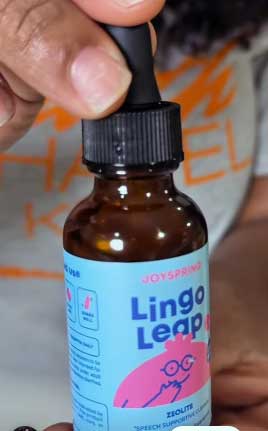
I didn’t try Lingo Leap for myself, but rather for my three-year-old nephew who was diagnosed with a mild expressive speech delay.
My sister was understandably anxious. Despite being on a waitlist for a speech pathologist, she wanted to do something in the meantime.
The ads for Lingo Leap made it seem like a magic key that would simply turn the ignition on his speech center.
We ordered the “Speech & Focus” bundle, which included the herbal drops and the Zeolite formulation.
The first hurdle was the confusion.
The branding on the bottle we received looked slightly different from the website, which we later learned is a common issue with “white label” supplements sold on Amazon and Walmart.
We checked the ingredients carefully: Lion’s Mane, Ashwagandha, and B12.
Administering it was easy enough. The dropper is convenient, and the liquid smells sweet, like a generic berry syrup. My nephew took it mixed into his morning apple juice without a fight. This is a huge plus if you have a sensory-sensitive child who refuses chewables or gummies.
For the first two weeks, we watched him like hawks. Every babble, every noise was analyzed. “Did he just say ‘ball’?” we’d ask each other. In reality, his behavior was erratic. He seemed a bit more hyperactive in the evenings, likely due to the B12 boost. We did not see a miraculous explosion of sentences.
By week four, my sister decided to stop. He developed a mild tummy ache and loose stools, which we suspected was a reaction to the herbal blend or the magnesium. The “breakthrough” never came from the bottle. It came three months later, after six sessions with a licensed speech therapist who taught us how to model language at home. Lingo Leap felt like a placebo for us—the adults—making us feel like we were “doing something,” but ultimately, it was professional intervention that actually worked.
Read More: My Thoughts on Vascu Flow Drops
Pros Of Lingo Leap Drops
- Easy-to-Administer Liquid Form: If you have ever tried to force a toddler to eat a chalky vitamin tablet, you know the struggle. Lingo Leap’s primary advantage is its format. The liquid drops can be easily hidden in juice, water, or a smoothie. For children with sensory processing disorders or autism who struggle with textures, this “invisible” method of supplementation is a massive relief for parents.
- Contains Beneficial B-Vitamins: One of the core ingredients in the “Focus” version is Methylated B12. Vitamin B12 is essential for neurological function and brain health. If your child happens to be a picky eater and is deficient in B12 (which is common in kids who refuse meat), supplementing it can genuinely improve their energy levels, mood, and focus. In this specific nutritional context, the drops are doing a valid job.
- Sugar-Free and Allergen-Aware: JoySpring generally formulates these drops to be free of common allergens like gluten, dairy, and soy. They are also usually sugar-free, using glycerin for sweetness instead. This makes them accessible for children with dietary restrictions or those on specific diets often recommended for neurodivergent kids (like the GFCF diet).
- Positive Parental Feedback Loop: While scientifically debatable, the psychological benefit for the parent cannot be ignored. Taking action against a diagnosis feels empowering. Many reviews cite that the ritual of giving the drops made parents more observant and engaged with their child’s speech attempts. This increased attention and interaction (reading more, talking more to check for results) can inadvertently help the child’s progress, even if the drops themselves are just vitamins.
- Alternatives to Prescription Meds: For parents who are wary of starting young children on prescription ADHD medication for focus issues, Lingo Leap represents a natural “first step” to try. While it is not a medical equivalent to pharmaceuticals, the use of herbs like Chamomile or Passionflower (in some blends) can offer a mild calming effect without the heavy side effects of stimulants.
Cons Of Lingo Leap Drops
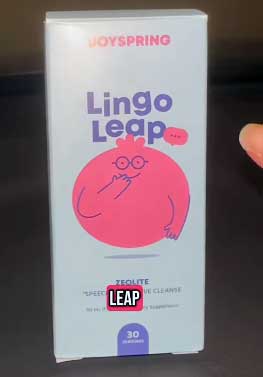
- Lack of Pediatric Safety Data: This is the most serious concern. Ingredients like Lion’s Mane Mushroom and Ashwagandha are trendy in the adult bio-hacking world, but there is very little clinical data on their long-term safety for developing toddler brains. Furthermore, the “Zeolite” version claims to detox heavy metals. Many medical experts warn against using Zeolites in children, as they can bind to essential minerals (like calcium and iron) and strip them from the body, potentially causing nutrient deficiencies.
- Unverified “Detox” Claims: The marketing often relies on the theory that speech delays are caused by “toxins” or heavy metals that need to be cleansed. This theory is widely rejected by the pediatric and speech pathology communities. By framing speech delay as a “toxicity” issue rather than a developmental or neurological one, the product may mislead parents into thinking a few drops can “cure” complex conditions like autism or apraxia.
- Risk of Counterfeits: The brand suffers from a significant “grey market” problem. If you buy from third-party sellers on Walmart or Amazon, you might receive a product with a different label or formula than advertised. There are reports of users receiving bottles that look different or smell wrong. Because the supplement industry is loosely regulated, you cannot always be sure what is in the bottle unless you buy directly from the manufacturer.
- Potential Gastrointestinal Side Effects: Herbal extracts can be hard on little stomachs. Common side effects reported by parents include diarrhea, stomach cramping, and nausea. If your child is non-verbal, they cannot tell you their stomach hurts; they might just act out, cry, or become more irritable, which parents might mistake for “regression” or behavioral issues.
- High Cost per Serving: A tiny 1oz bottle can cost upwards of thirty-five dollars and may only last two weeks if used at the recommended dosage. This adds up to nearly seventy dollars a month. Compared to a standard high-quality children’s multivitamin (which costs maybe $15 a month), you are paying a massive premium for the “speech” marketing claims.
Maintenance Tips For Lingo Leap Drops
- Store Away from Moisture and Heat: Liquid herbal supplements are prone to bacterial growth if not stored correctly. Keep the bottle in a cool, dry cupboard. Do not leave it on a sunny windowsill or in a hot car. Some parents prefer to keep it in the refrigerator, especially after opening, to preserve the potency of the vitamins and prevent the glycerin from degrading.
- Sanitize the Dropper: Never touch the glass dropper directly to your child’s mouth or tongue. Bacteria from the mouth can transfer back into the bottle and spoil the entire product. Always drop the liquid onto a spoon or into a drink. If the dropper does touch their mouth, wash it thoroughly with hot soapy water and dry it completely before putting it back in the bottle.
- Cycle the Supplement: Herbs like Ashwagandha and Lion’s Mane are active compounds. It is generally recommended not to use them indefinitely without a break. A common approach is “3 weeks on, 1 week off.” This prevents the body from building up a tolerance and allows you to observe your child’s baseline behavior to see if the product is actually doing anything.
- Monitor for Allergic Reactions: Before giving a full dose, do a “patch test” dose. Give your child a tiny drop (less than 1/4 of a serving) and wait 24 hours. Watch for rashes, redness around the mouth, or changes in breathing. Herbal ingredients are complex and can trigger allergies even in children who have no known food allergies.
- Shake Well Before Use: Ingredients in liquid suspensions often settle at the bottom. If you don’t shake the bottle vigorously every time, the first few doses will be weak, and the final doses will be super-concentrated sludge, which could lead to an overdose of specific vitamins or herbs.
- Check the Expiration Date: Because these products often sit in third-party warehouses, always check the “Best By” date on the bottom of the bottle immediately upon arrival. If it is within 3 months of expiring, return it. Liquid vitamins lose potency much faster than pills.
Read More: My Thoughts on Juvenon Blood Flow 7
Comparison with Other Brands
Comparison with MaryRuth’s Liquid Multivitamin
MaryRuth’s is the gold standard for liquid vitamins for kids. The key difference is the ingredients. MaryRuth’s focuses on proven essential nutrients (Vitamin C, D, Zinc, B12) and avoids “nootropic” herbs like Lion’s Mane or detox agents like Zeolite. MaryRuth’s is safer, more transparent about sourcing, and generally better tasting. If your goal is simply to fill nutritional gaps that might be affecting speech (like low B12), MaryRuth’s is the safer, more reliable choice. Lingo Leap is only for those specifically seeking the herbal/mushroom route.
Comparison with Speech Therapy (The Gold Standard)
It is unfair but necessary to compare this product to actual therapy. For the price of two months of Lingo Leap ($140+), you could pay for a private speech evaluation or several copays for therapy sessions. Therapy provides tools—strategies for communication, sign language, and parent coaching—that last a lifetime. Lingo Leap provides chemicals that leave the system in 24 hours. There is no comparison in efficacy: Therapy works; drops are a gamble.
Comparison with Nordic Naturals Omega-3
Many pediatricians recommend Omega-3 fatty acids (Fish Oil) for brain development and speech delay. Nordic Naturals is the market leader here. Unlike Lingo Leap’s “herbal blend,” Omega-3s have robust clinical data supporting their role in cognitive development and language. Fish oil doesn’t claim to “detox” anything; it simply builds healthy brain cell membranes. If you want a supplement to support brain health, Omega-3s are a scientifically superior investment compared to herbal drops.
Comparison with Bioray Kids NDF
Bioray is the direct competitor to the “Zeolite” version of Lingo Leap. Bioray NDF (Natural Detox Factors) also claims to remove heavy metals using chlorella and probiotics. Bioray has been around longer and is generally more established in the “biomedical” autism community. However, both brands suffer from the same lack of FDA approval and scientific backing for their “detox” claims. Bioray tends to be slightly more transparent about their lab testing than the white-label versions of Lingo Leap found online.
Frequently Asked Questions (FAQ)
They are not accurate. There is no scientific evidence that any supplement can “cure” a speech delay. Speech delays can be caused by hearing issues, neurological differences (like autism), or motor planning disorders (apraxia). Vitamins cannot fix these structural or neurological variations. At best, they support general brain health.
If you buy from their official website, they heavily push a “Subscribe & Save” model which gives you a discount. Many users report it is easy to sign up but can be annoying to cancel if you don’t navigate the website correctly. If you buy from Amazon/Walmart, it is usually a one-time purchase, which is safer if you are just testing it out.
No. Dietary supplements are not approved by the FDA for safety or effectiveness. The FDA does not test these products before they are sold. You are trusting the manufacturer’s internal quality control. The label “Made in an FDA-registered facility” does not mean the product itself is FDA approved.
This is a gray area. While the vitamins (D3, B12) are safe in correct doses, ingredients like Zeolite and Lion’s Mane have not been extensively studied in children under 4. Many pediatricians advise against giving “detox” binders like Zeolite to young children due to the risk of mineral depletion. Always consult your pediatrician before starting this supplement.
Conclusion
Lingo Leap Drops are a product of desperation marketing. They target parents who are worried about their children’s development and offer a simple, “natural” solution in a bottle.
While the B-vitamins included may help a child who is nutritionally deficient, the herbal and “detox” ingredients are scientifically unproven and potentially risky for young bodies. If you have extra money and want to try a B12 supplement, there are cheaper, safer ways to do it. But do not let this product distract you or drain your budget from the only thing proven to help speech delay: consistent, evidence-based speech therapy.