
Entering the world of breastfeeding and pumping is like stepping into a universe with its own language, gear, and endless list of “must-haves.” You are likely exhausted, running on caffeine and adrenaline, and just want a device that will help you feed your baby without feeling like you are hooked up to a milking machine from a sci-fi movie. Lansinoh is a name you have probably seen on everything from nipple cream to storage bags, and their breast pumps are often praised for being approachable and wallet-friendly. But when you are staring at a wall of options at 3 AM, you need to know if this purple-branded pump is actually going to get the job done or just leave you frustrated and leaky.
In this comprehensive review, I am going to break down the reality of using Lansinoh breast pumps, specifically focusing on their popular electric models like the Smartpump 2.0 and the Signature Pro, while also touching on their manual and wearable options. We will strip away the marketing fluff to look at suction power, comfort, and daily usability. My goal is to give you the honest, unfiltered truth so you can decide if a Lansinoh pump is the reliable partner you need for your breastfeeding journey or if you should look elsewhere.
My Experience With Lansinoh Breast Pump
I started my pumping journey with a lot of anxiety. The idea of being tethered to a wall outlet for hours a day wasn’t appealing, but I needed to build a stash for my return to work. I chose the Lansinoh Smartpump 2.0 largely because my insurance covered it fully, and I was already a loyal user of their nipple cream and storage bags. The continuity of the brand felt safe.
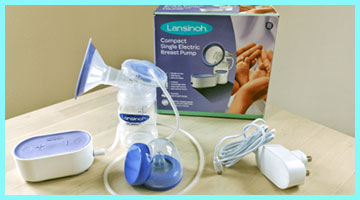
When I first unboxed it, I was pleasantly surprised by how compact the motor unit was.
Unlike the giant, heavy hospital-grade rental I had briefly used, this little device could fit in the palm of my hand.
It didn’t look intimidating. Setting it up was intuitive; the tubing connected easily, and the parts clicked together without requiring a manual every time.
I decided to use it as my primary pump, aiming for three sessions a day to supplement nursing.
The first thing I noticed when I turned it on was the “ComfortFit” flanges. They have a soft, flexible silicone rim that feels significantly better against the skin than the hard plastic shields of other brands. It didn’t dig into my breast tissue, which was a huge relief during those tender early weeks. The suction pattern mimics the baby’s natural rhythm—starting fast to trigger letdown and then slowing to a deeper pull for expression. I found the transition smooth, and I rarely had to crank it up to the highest setting to get results.
However, my experience wasn’t entirely without hiccups. About two months in, I noticed a slight drop in suction on the left side. I went into a panic, thinking my supply was dropping, but after some frantic Googling, I realized the tiny white duckbill valves had worn out. They are delicate, and even a small tear can ruin the seal. Once I replaced them (thankfully, they are cheap and I had spares), the pump was back to full power. This taught me a valuable lesson: with Lansinoh, you have to be diligent about replacing parts.
One feature I genuinely loved was the Bluetooth connection to the Lansinoh Baby app. I am terrible at tracking things manually when I am sleep-deprived. Having the pump automatically log the time and duration of my session felt like magic. It didn’t measure the volume automatically—I still had to type that in—but seeing the data helped me spot trends in my supply.
Using it on the go was also relatively easy. I could throw it in my tote bag without it weighing me down. It runs on a power adapter but can also take AA batteries (or a battery pack, depending on the model), which saved me once when I had to pump in a parked car during a road trip. It isn’t the quietest pump in the world—it has a rhythmic “vibrating” hum that is definitely audible—but it’s white noise enough that it never woke the baby.
Overall, my time with the Lansinoh pump was positive. It wasn’t the heavy-duty industrial beast that some exclusive pumpers might need, but for a working mom doing a mix of nursing and pumping, it was reliable, comfortable, and incredibly user-friendly. It felt like a pump designed for real life, not just a hospital room.
Read More: My Thoughts On Cimilre S6 Adjustable Breast Pump
Pros Of Lansinoh Breast Pump
When evaluating the Lansinoh ecosystem, several distinct advantages make it a strong contender for new parents, especially those prioritizing comfort and ease of access. Here is a detailed look at why this brand remains a bestseller.
- Superior Comfort with Soft-Rimmed Flanges: The most standout feature of Lansinoh pumps is undoubtedly the ComfortFit flanges. Most competitors provide rigid, hard plastic breast shields that can cause friction, redness, and discomfort, especially during long pumping sessions. Lansinoh’s flanges are lined with a soft, purple silicone bumper that molds slightly to the breast shape. This creates a gentler seal that is less likely to dig into the delicate tissue of the areola. For moms who are sensitive to touch or recovering from nipple trauma, this small design choice makes a massive difference in usability. It turns a potentially painful chore into a tolerable experience, encouraging you to stick with your pumping schedule longer.
- High Affordability and Insurance Availability: Lansinoh occupies a sweet spot in the market where quality meets value. These pumps are widely available at major retailers like Target, Walmart, and Amazon, often at a price point significantly lower than premium brands like Medela or Spectra. Furthermore, they are one of the most commonly covered pumps by insurance plans in the United States. This accessibility means that replacement parts—like valves, tubing, and diaphragms—are incredibly easy to find. You don’t have to order from a specialty medical supply store and wait a week for shipping; you can likely drive to your local drugstore and pick up what you need in an emergency. This convenience is a huge stress reliever for panicked parents.
- Seamless Compatibility with Storage System: The pump is designed to work perfectly with Lansinoh’s breast milk storage bags, which are arguably the most popular bags on the market. You can pump directly into the bottles provided, or you can attach the bag directly to the flange using the pump body (though this can sometimes be finicky, the option is there). Because the bottles fit the standard “wide neck” threading, they are easy to clean and often compatible with other wide-neck nipples. This ecosystem integration reduces the number of dishes you have to wash. You aren’t transferring milk from a collection bottle to a storage bag and losing precious drops in the process; it streamlines the workflow from breast to freezer.
- Intuitive and Simple Interface: For a sleep-deprived parent, complex technology is the enemy. Lansinoh pumps, particularly the Signature Pro and Smartpump, feature very straightforward interfaces. There are clearly labeled buttons for letdown mode, suction increase, and cycle speed. You don’t have to navigate through digital menus or program complex settings. The LCD screens are backlit (on most models), making them easy to read during middle-of-the-night sessions without turning on the overhead lights. This simplicity ensures that anyone—including partners or grandparents helping out—can figure out how to operate the machine in seconds.
Cons Of Lansinoh Breast Pump
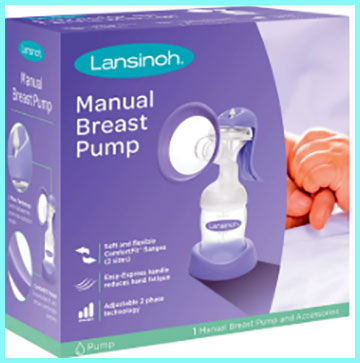
While reliable, Lansinoh pumps are not without their limitations. They are generally considered “mid-range” pumps, and there are areas where they lag behind the heavy-duty hospital-grade competitors.
- Durability Issues with Valves and Motors: The most frequent complaint from long-term users is the fragility of the silicone parts. The white duckbill valves are essential for creating suction, but they are prone to stretching or tearing after a few weeks of heavy use. When these valves fail, the suction drops dramatically, leading to panic that your supply has dried up when it is really just a hardware failure. Additionally, while the motors are decent, they are often not rated for the same “exclusive pumping” lifespan as a Spectra S1. If you are pumping 8-10 times a day for a year, you might find the motor getting louder or weaker towards the end of your journey. It is a pump built for the “average” user, not necessarily the power user.
- Suction Strength Limitations: While sufficient for most, the maximum suction power (measured in mmHg) of Lansinoh pumps is generally lower than that of the Spectra or Baby Buddha. For moms who have “tough” breasts that require high suction to empty, or for those trying to induce lactation, the Lansinoh might feel a bit underpowered. It has a gentle vibration that some love, but others find ineffective at fully draining the breast. If you struggle with clogged ducts or have a history of low supply, you might need the raw power of a hospital-grade rental over the gentler Lansinoh. It is a “comfort-first” pump, which sometimes comes at the expense of raw extraction efficiency.
- Noise Level Can Be Noticeable: While not the loudest pump on the market, it certainly isn’t silent. The motor emits a rhythmic “rur-rur-rur” sound that can be distracting in a quiet office or a bedroom. Unlike some modern pumps that dampen the vibration, the plastic casing of the Lansinoh can vibrate against a table, amplifying the noise. If you are trying to pump discreetly on a conference call or next to a light-sleeping partner, you might find yourself burying the pump under a pillow to muffle the sound. It lacks the whisper-quiet engineering found in some of the higher-end boutique pumps.
- Wearable Model Leakage Concerns: If you are looking at the new Lansinoh Discreet Duo or other wearable options, be aware of the design flaws. Many users report that the seal on the collection cups is finicky. If you bend over to pick up the baby or load the dishwasher, it is very easy to break the seal or have milk spill out of the pour spout. Unlike the traditional flange-and-bottle setup which uses gravity to keep milk safe, the wearables require you to stay relatively upright. This limits the “freedom” that a wearable pump is supposed to provide. Leaking precious liquid gold is a heartbreaking experience that happens too often with their wearable design.
Maintenance Tips For Lansinoh Breast Pump
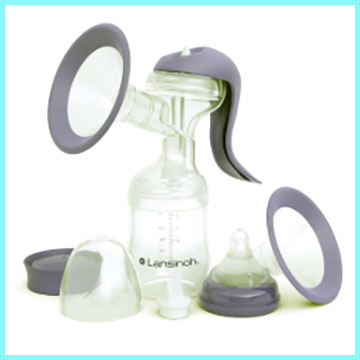
Keeping your pump in top condition is non-negotiable for maintaining your milk supply and preventing infection. Here are specific tips to prolong the life of your Lansinoh gear.
- Aggressive Valve Replacement Schedule: Do not wait for the suction to fail before you replace your valves. The duckbill valves (the white silicone pieces that hang down) are the heart of the pump. You should replace them every 4 to 6 weeks if you are pumping exclusively, or every 8 to 10 weeks if you pump part-time. Keep a stash of 4-6 extra valves in your diaper bag and nightstand. If you ever feel like the pump “isn’t working” or you aren’t getting as much milk, change the valves first. 90% of the time, this fixes the problem instantly and saves you from unnecessary stress.
- Proper Cleaning of Flanges and Diaphragms: The silicone diaphragms (the round pieces on top) and the flanges need to be washed after every use, but you must be gentle. Do not use abrasive scrubbers or stiff bottle brushes on the silicone parts, as micro-tears can harbor bacteria and reduce the vacuum seal. Wash them in warm, soapy water using a dedicated wash basin—never place them directly in the sink where food residue can contaminate them. While they are dishwasher safe (top rack), hand washing extends the life of the silicone. Ensure they are completely dry before reassembling; moisture in the diaphragm can get sucked into the tubing, which leads to mold growth.
- Tubing Care and Moisture Check: The tubing on the Lansinoh pump should never be washed. It is an air tube, not a milk tube. However, condensation can build up inside it due to the temperature difference between the warm milk and the cool air. After you finish pumping, disconnect the bottles but leave the pump running for 2-3 minutes. This blows air through the tubes to dry out any condensation. If you see milk or mold inside the tubing, throw it away immediately and buy a replacement set. You cannot effectively clean the inside of that narrow tubing.
- Battery Management for Portability: If you rely on the battery power option (AA batteries for some models), be aware that suction can dip as the batteries drain. A pump running on fresh batteries works great, but one running on batteries at 50% life might feel sluggish. Invest in high-quality rechargeable AA batteries and rotate them frequently. Alternatively, keep the AC adapter as your primary power source and only use batteries for emergencies. If you have the rechargeable internal battery model (Smartpump 2.0), try not to let it drain to 0% constantly; top it off when you can to preserve the lithium-ion battery health.
Comparison with Other Brands
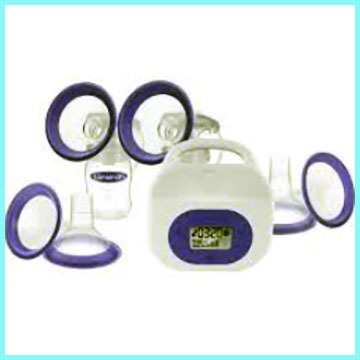
Lansinoh is a solid choice, but how does it stack up against the titans of the industry? Here is a breakdown of how it compares to Spectra, Medela, and Momcozy.
- Spectra S1/S2: Spectra is widely considered the gold standard for exclusive pumpers. Comparison: The Spectra S1 (blue) and S2 (pink) have significantly stronger and more customizable vibration settings than the Lansinoh. Spectra uses a “vibration” technology that many women find empties them faster. However, Spectra pumps are much larger, heavier, and harder to travel with (“bowling ball” shape). Lansinoh is much more compact and easier to throw in a work bag. Spectra flanges are hard plastic; Lansinoh flanges have the soft silicone rim. If you need maximum output and durability, Spectra wins. If you need portability and comfort for casual pumping, Lansinoh is a strong competitor.
- Medela Pump in Style: Medela is the hospital favorite and the brand most people know. Comparison: The Medela Pump in Style usually has a more aggressive, “punchy” suction pattern compared to Lansinoh’s smoother pull. Some women respond better to the Medela rhythm, but others find it painful. Medela parts are even more widely available than Lansinoh—you can find them in almost every airport and convenience store. However, Medela’s open system (on older models) was a pain to clean; Lansinoh has always been a closed system (hygienic). Lansinoh is generally cheaper than the Medela Pump in Style. Choose Medela if you want the brand reliability and widespread part availability; choose Lansinoh for a gentler feel and better price.
- Momcozy Wearable Pumps: Momcozy dominates the budget wearable market. Comparison: If you are comparing the Lansinoh Discreet Duo to a Momcozy S9 or S12, the experience is similar but Lansinoh has better customer support. Momcozy is often a “fast fashion” type product with variable quality control. Lansinoh is an established medical brand, so if your pump breaks, you actually have a warranty department to call. However, Momcozy offers more flange size inserts in the box usually. Lansinoh’s wearable cups are sometimes criticized for leaking more than the newer Momcozy M5. If you want a wearable, the Momcozy M5 might actually be the superior design right now, but Lansinoh offers more peace of mind regarding plastic safety and brand trust.
Also Read: My Thoughts On Babybuddha 2.0 Breast Pump
Frequently Asked Questions (FAQ)
The term “hospital grade” is not strictly regulated, but generally, Lansinoh pumps are considered “personal use” pumps. They are closed-system pumps with strong suction, but they are not designed to be shared between multiple users or to have the heavy-duty motor life of a rental pump like the Medela Symphony. They are excellent for daily home use but may not be sufficient for a mom trying to induce lactation for an adopted baby or feeding triplets.
You should replace the white duckbill valves every 4-8 weeks depending on use. The silicone diaphragms should be replaced every 3-6 months or if you notice them stretching. The tubing only needs replacement if it gets moisture or mold inside. Regularly replacing these soft parts is critical for maintaining the pump’s suction power.
Yes, Lansinoh uses a “wide neck” bottle standard. This means many other wide-neck bottles, such as those from Spectra or certain Avent models, may screw onto the flanges. However, it is always best to test the fit with water first to ensure it doesn’t leak. You can also pump directly into Lansinoh storage bags, which saves you from washing bottles entirely.
The most common culprit is a torn or worn-out duckbill valve. Check the white valve for even the tiniest tear or gap. Also, check the tubing connectors to ensure they are firmly plugged into the pump and the flange. Finally, ensure the silicone diaphragm on top of the flange assembly is dry and seated perfectly flat; if it is wet, it can slip and break the vacuum seal.
Conclusion
The Lansinoh Breast Pump is the “Honda Civic” of the breast pump world: reliable, affordable, comfortable, and gets you where you need to go without unnecessary flash. It may not have the cult following of the Spectra or the hospital pedigree of the Medela, but it offers a user-friendly experience that is perfect for the first-time mom. The ComfortFit flanges alone are a reason to consider this brand, as they save many women from the pain that often leads to quitting pumping early.
If you are looking for a solid, everyday pump that won’t break the bank and is easy to find parts for, Lansinoh is a fantastic choice. It is forgiving, portable, and integrates perfectly with the storage bags you are likely already using. Just keep a stash of extra valves on hand, and this pump will likely serve you well throughout your breastfeeding journey.