
I’ve spent years working on my lawn, trying different grasses to find something tough enough for my area’s hot summers, occasional dry spells, and heavy foot traffic. Kentucky 31 tall fescue stands out as a reliable choice for many homeowners like me who want a durable, low-fuss yard without constant babying. In this article, I share my firsthand take on coated versus uncoated Kentucky 31 tall fescue seeds, breaking down which one comes out ahead based on real-world use. I cover key features, pros and cons, maintenance needs, and a side-by-side look so you can pick what fits your situation best.
A Brief Comparison Table Coated Vs Uncoated Kentucky 31 Tall Fescue
| Feature | Coated Kentucky 31 | Uncoated Kentucky 31 |
| Seed Coverage per Pound | Lower (fewer actual seeds due to coating weight) | Higher (more pure seeds for better density) |
| Moisture Retention | Excellent; coating holds water longer | Relies fully on soil and watering |
| Germination Speed | Can be slightly delayed by coating breakdown | Often faster once moisture reaches the seed |
| Ease for Beginners | More forgiving in dry or inconsistent conditions | Requires consistent moisture management |
| Cost per Bag | Higher price for same bag size | Lower cost, better value for pure seed |
| Establishment Success | Higher in challenging dry or no-till scenarios | Equal or better with proper care |
| Overall Value | Good if watering is tricky | Superior for most controlled seeding jobs |
My Experience With Coated Kentucky 31 Tall Fescue
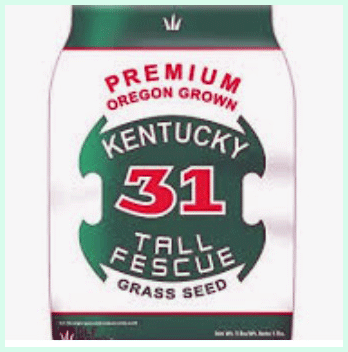
I tried coated Kentucky 31 a few years back when renovating a dry, sloped section of my yard.
The coating made spreading easy—the pellets rolled into place without much wind interference.
Germination took about 10-12 days, a bit slower than expected, but once it started, coverage filled in nicely even with spotty watering.
I appreciated how it held moisture during a dry spell that week. The lawn greened up uniformly, and I had fewer bare patches than previous uncoated attempts in similar conditions.
Birds didn’t bother it as much either. However, the bag cost more, and I realized I got less coverage area than with uncoated.
For that spot, it worked well, but I wouldn’t choose it for my whole yard again unless watering was unreliable. It gave me confidence in tough areas, though.
Pros Of Coated Kentucky 31 Tall Fescue
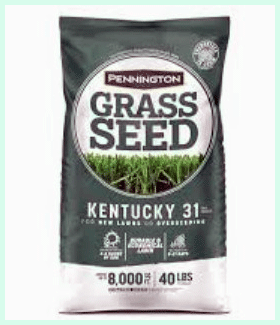
- Better moisture holding during early stages: The clay-based coating absorbs and retains water around the seed, which helps in areas where rain is spotty or I forget to water every day. This feature reduces the risk of seeds drying out before they sprout, especially on slopes or in sandy soil.
- Easier spreading for uneven surfaces: The larger, heavier pellets don’t blow away as easily in wind, and they settle into soil better without much raking. I find this makes broadcasting by hand or spreader feel less messy.
- Improved establishment in tough spots: In no-till or pasture-like overseeding, coated versions show higher survival rates because the coating protects against birds eating seeds or erosion washing them away. Studies from forage experts back this up for real-world planting.
- Added protection from some environmental stresses: The coating can include minor nutrients or fungicides in some brands, giving a small edge against fungal issues or nutrient-poor soil right at germination.
- More visible when seeding: The colored coating lets me see exactly where I’ve spread seed, helping avoid thin patches or over-application in one area.
- Slightly better for beginners or busy folks: If your schedule means inconsistent watering, the coating buys you a bit more time before the seed fails. I’ve used it successfully when I couldn’t hover over the lawn daily.
- Potential for quicker visible results in ideal moisture: Once the coating breaks down, the retained humidity can lead to more uniform sprouting in the first week or two.
- Less seed loss to wildlife: Birds and insects seem less interested in the coated pellets compared to bare seeds sitting on top.
Also read: Comparison of Ahopegarden And Aerogarden
Cons Of Coated Kentucky 31 Tall Fescue
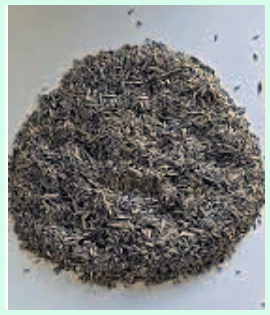
- Higher cost for less actual seed: The coating adds weight, so a 50-pound bag contains far fewer viable seeds than uncoated. You pay more per true seed, which hurts value when covering large areas.
- Potential delay in germination: The coating must dissolve or break down before the seed contacts moisture fully, sometimes slowing sprouting by a few days compared to bare seed.
- Reduced seed count per area: With fewer seeds per pound, achieving thick coverage requires more bags, increasing expense and effort.
- Possible chemical concerns in some coatings: Certain brands use fungicides or dyes; while generally safe, some prefer avoiding any additives.
- Heavier and bulkier to handle: The pellets make bags feel denser, and spreading large quantities can tire you out quicker.
- Risk of uneven breakdown: In very wet conditions, coating can clump or not dissolve evenly, leading to patchy germination.
- Less flexibility in mixing: Harder to blend with other grass types or fertilizers since the coating affects flow through spreaders sometimes.
- Not always necessary for good conditions: If you keep soil consistently moist, the coating provides minimal extra benefit, making it overkill.
Maintenance Tips For Coated Kentucky 31 Tall Fescue
- Water lightly but frequently right after seeding: Aim for short daily sessions to keep the top inch moist without washing away the coating; this helps it break down properly without waterlogging.
- Mow at 2.5 to 3.5 inches once established: Keep blades higher to shade roots and reduce stress; never cut more than one-third of the height at once to avoid shocking the grass.
- Fertilize in fall and early spring: Use a balanced slow-release formula with nitrogen; Kentucky 31 responds well to feeding twice a year for thick growth.
- Aerate compacted soil annually: Punch holes to improve water and nutrient penetration; this helps roots go deep for drought resistance.
- Overseed thin spots every fall: Spread at 5-8 pounds per 1,000 square feet; the coating aids establishment in bare areas.
- Control weeds early: Hand-pull or spot-treat before they compete; avoid broad herbicides during germination.
- Monitor for disease in humid periods: Watch for brown patch; good airflow from proper mowing prevents most issues.
- Avoid heavy traffic until rooted: Keep off new seedlings for 6-8 weeks; use barriers if needed.
My Experience With Uncoated Kentucky 31 Tall Fescue
Most of my lawn uses uncoated Kentucky 31 because of the better value. I spread it in fall, kept soil damp with daily light watering, and saw sprouts in 7-9 days—quicker than coated. The higher seed count let me achieve thicker turf with one bag covering more ground. It established strong roots fast, handling summer heat and foot traffic without complaint. Clumping happens, but regular mowing keeps it tidy. I love the cost savings and control it gives. No delays from coating, just straightforward growth when I stay consistent. This version became my go-to for reliability and budget.
Pros Of Uncoated Kentucky 31 Tall Fescue
- More seeds per pound for better value: Without any added coating weight, a standard 50-pound bag delivers significantly more pure, viable seeds, letting you cover larger areas or achieve denser stands with the same amount of money spent.
- Faster potential germination under ideal conditions: Bare seeds make direct contact with soil moisture right away, often sprouting in 7-10 days when kept consistently damp, which beats the slight delay sometimes seen with coated versions.
- Lower overall cost per square foot: The absence of coating materials keeps the price down, making it the economical choice for big lawns, pastures, or repeated overseeding projects without sacrificing quality.
- Greater control over seeding rate and density: You can spread exactly the amount needed for thick coverage or lighter overseeding, adjusting easily based on your specific goals without worrying about pellet size affecting flow.
- No risk of coating-related issues: There’s zero chance of clumping from humidity in storage, uneven breakdown in wet soil, or additives you might want to avoid, giving a cleaner, more predictable planting experience.
- Easier blending with other seeds or amendments: Uncoated seeds mix smoothly with ryegrass, clover, fertilizer granules, or other tall fescue varieties in a spreader, allowing custom blends tailored to your yard’s needs.
- Superior performance when moisture is managed well: In situations where you can water lightly every day for the first couple of weeks, uncoated seeds establish quickly and uniformly, often resulting in a thicker stand sooner.
- Less bulk and easier handling: Lighter bags are simpler to carry, pour, and spread, especially for larger jobs or when working alone without heavy equipment.
- Proven reliability in traditional seeding methods: Generations of homeowners and farmers have relied on uncoated Kentucky 31 for dependable establishment in prepared seedbeds, with consistent results when basics are followed.
- Higher seed purity in reputable brands: Quality uncoated bags from trusted suppliers usually test higher in germination rates and lower in weed seeds or inert matter compared to some coated products that sacrifice seed count for the coating.
Read more: Comparison of Midea And hOmeLabs Dehumidifier
Cons Of Uncoated Kentucky 31 Tall Fescue
- Requires stricter moisture management early on: Without the coating to hold water close to the seed, you must keep the top inch of soil consistently damp for two to three weeks, or risk poor or spotty germination.
- More vulnerable to drying out on the surface: In windy, hot, or sunny conditions right after spreading, bare seeds can desiccate quickly if watering skips a day, leading to failed patches.
- Higher chance of seed loss to birds and insects: Exposed seeds sitting on top of soil attract wildlife more readily than coated pellets, sometimes requiring extra protection like straw mulch or bird netting.
- Can blow away or wash away more easily: Lightweight uncoated seeds are prone to displacement by strong winds or heavy initial rains, especially on slopes or bare ground without good seed-to-soil contact.
- Demands better seedbed preparation for best results: To maximize success you often need more raking or rolling to press seeds into the soil, whereas coated versions forgive rougher conditions a bit better.
- Less visible during application: Without colored coating, it’s harder to see exactly where you’ve spread seed, increasing the risk of missing spots or applying too heavily in others.
- Slightly higher weed competition risk initially: If germination is uneven due to moisture fluctuations, weeds can get a head start in bare areas before the fescue fills in.
- Requires more attention during establishment: Busy schedules or unpredictable weather make uncoated trickier for beginners who can’t check and water daily.
Maintenance Tips For Uncoated Kentucky 31 Tall Fescue
- Water lightly and frequently during the first 3 weeks: Apply ¼ inch of water daily or twice daily in hot weather to keep the surface moist without creating puddles; use a gentle sprinkler setting to avoid washing seeds away.
- Roll or lightly rake after spreading: Press seeds into soil contact immediately after broadcasting for better moisture uptake and to reduce loss from wind or birds.
- Apply a thin straw mulch layer: Spread 50-75 pounds of clean wheat straw per 1,000 square feet to retain moisture, protect from birds, and reduce erosion while still allowing light through.
- Mow when grass reaches 3-4 inches: Set your mower to 2.5-3.5 inches and never remove more than one-third of the blade length at a time to encourage deep roots and thick growth.
- Fertilize strategically twice a year: Use a high-nitrogen slow-release product in early fall and again in late spring; avoid heavy feeding during summer heat to prevent stress.
- Aerate compacted areas every 1-2 years: Core aeration improves water infiltration and root penetration, especially important for heavy clay soils common in tall fescue regions.
- Test soil pH annually and adjust: Aim for 6.0-7.0; add lime in fall if below range to ensure nutrient availability and vigorous growth.
- Overseed thin or damaged spots each fall: Use 5-8 pounds per 1,000 square feet to maintain density; fall timing lets new seedlings establish before winter.
- Control broadleaf weeds early: Spot-treat with appropriate herbicides after the new grass is mowed 2-3 times, or hand-pull to avoid competition during establishment.
- Allow deep, infrequent watering once established: Shift to 1 inch per week during dry periods, watering deeply to promote drought-tolerant roots rather than shallow frequent sprinkles.
Comparison With Other Brands
- Pennington vs generic coated: Pennington’s Kentucky 31 coated often includes better germination guarantees and consistent coating quality compared to off-brand versions that may have uneven pellets.
- Jonathan Green Black Beauty vs Kentucky 31 uncoated: Black Beauty mixes offer finer texture and darker color, but Kentucky 31 wins on drought and traffic tolerance for budget-conscious users.
- Barenbrug turf-type tall fescue vs Kentucky 31: Modern turf-types provide finer blades and less clumping, making them prettier for lawns, while Kentucky 31 stays tougher in extreme conditions.
- Scotts Turf Builder vs uncoated Kentucky 31: Scotts coated blends add fertilizer in coating for quick green-up, but pure uncoated Kentucky 31 gives more seed value without extras.
- DLF Kentucky 31 vs store brands: DLF versions test higher in purity and germination rates; cheaper store brands sometimes include more weeds or fillers.
- Coated forage blends vs lawn-specific: Forage-coated Kentucky 31 prioritizes bulk establishment over appearance, differing from premium lawn coated that focus on aesthetics.
Frequently Asked Questions (FAQ)
Coated Kentucky 31 tall fescue has a protective clay or polymer layer around each seed to retain moisture and aid germination.
Kentucky 31 is a specific older cultivar of tall fescue known for coarse blades, toughness, and easy establishment; modern tall fescues are often finer and denser.
They cost more, provide fewer seeds per pound, may delay germination, and offer little benefit if moisture is consistent.
Conclusion: For Both Products
I’ve weighed coated and uncoated Kentucky 31 tall fescue over several seasons, and the better choice depends on your setup. If you face dry conditions, inconsistent watering, or tricky soil, go with coated—it provides that extra forgiveness for success. For most situations where you can manage moisture and want maximum value, uncoated wins with more seeds, faster potential sprouting, and lower cost. Both deliver the durable, heat-tolerant lawn Kentucky 31 is famous for. Pick based on your watering habits and budget—you’ll end up with a solid yard either way. What works for your lawn? Give one a try and see the results yourself.