
I’ve always loved brewing my own coffee at home—there’s something satisfying about controlling every step to get that perfect cup. After trying many pour-over methods over the years, two stand out: the iconic Chemex and the reliable Kalita Wave. In this article, I share my honest thoughts on Kalita vs Chemex: Which One Is Better? I break down their key features, pros and cons from real use, maintenance needs, comparisons to other options, and my personal experiences. By the end, you’ll see which might suit your routine better—whether you chase ultra-clean brews or consistent, forgiving results.
A Brief Comparison Table Kalita Vs Chemex
| Feature | Chemex | Kalita Wave |
| Design | Conical, hourglass glass carafe | Flat-bottom stainless steel or glass dripper |
| Filter Type | Thick, proprietary paper (20-30% heavier) | Thinner, wave-ribbed paper |
| Brew Capacity | 3-8 cups (larger batches easy) | 155 (small) or 185 (2-4 cups typical) |
| Extraction Style | Conical flow, slower drain | Flat bed, even flow via 3 holes |
| Taste Profile | Very clean, bright, light body | Balanced, fuller body, more complex |
| Forgiveness | Requires decent technique | More forgiving on pour consistency |
| Durability | Fragile glass | Sturdy (especially stainless) |
| Price Range | Higher for classic glass model | Generally more affordable |
| Best For | Larger servings, clarity-focused | Daily consistency, smaller batches |
My Experience With Chemex
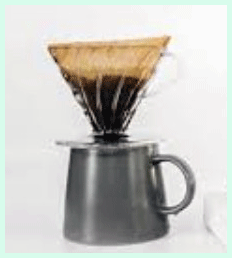
I started with a classic 6-cup Chemex years ago because of its reputation for pristine coffee.
The first brew surprised me—light roasts tasted vibrant, almost like tea, with no hint of bitterness.
I loved serving it at brunches; the design sparked conversations. Over time, I appreciated how it handled my sometimes-inconsistent grinder.
However, the fragility made me nervous, and cleaning the neck became a chore on rushed days.
For solo mornings, it felt oversized, and the thinner body didn’t satisfy when I wanted something robust. Still, for special beans or guests, it remains my go-to for clarity.
Pros Of Chemex
- Produces an exceptionally clean cup: The thick proprietary filters trap almost all oils and sediment, resulting in a bright, tea-like clarity that highlights delicate floral or fruity notes in light roasts. I notice this most with Ethiopian or Kenyan beans, where subtle acidity shines without any muddiness.
- Elegant and timeless design: The hourglass shape looks beautiful on the counter and doubles as a stylish server—no need for a separate carafe in many cases. It feels like a piece of functional art, and guests always comment on it during gatherings.
- Handles larger batches well: Brewing for three or four people is straightforward with the 6- or 8-cup models. The wide base and volume make it ideal when I want to pour multiple mugs without restarting the process every time.
- Versatile with grind sizes: It forgives slightly coarser or uneven grinds better than some drippers because of the thick filter and large opening. Even if my grind isn’t perfect, the brew rarely turns bitter or under-extracted.
- No plastic or metal taste interference: Made entirely of glass with a wooden collar (or cork in older models), it imparts zero off-flavors. This purity lets the coffee’s natural character come through unchanged.
- Reusable and long-lasting when handled carefully: Glass doesn’t absorb odors or stains like some materials, so it stays fresh brew after brew. With proper care, one Chemex can last decades.
- Great for showcasing single-origin coffees: The clarity emphasizes origin-specific traits like berry notes or citrus brightness. I reach for it when I buy something special and want every nuance to stand out.
- Simple assembly and use: Just place the filter, add grounds, pour water—minimal parts mean less fuss. The wooden collar provides a secure grip and protects hands from heat.
- Eco-friendly in the long run: Though filters are single-use, the brewer itself is durable and doesn’t require electricity or complex mechanisms.
- Iconic status in coffee culture: It’s been around since the 1940s, winning design awards and appearing in museums. Using one connects me to a classic tradition in specialty coffee.
Cons Of Chemex
- Fragile material: The glass body breaks easily if dropped or knocked against something hard. I’ve had close calls, and replacements aren’t cheap—it’s not ideal for clumsy mornings or homes with kids/pets.
- Thick filters can slow brewing: The heavy paper restricts flow, sometimes leading to longer brew times (4+ minutes) if the grind is too fine. This requires patience and can cool the coffee if not managed.
- Filters are proprietary and pricier: You can’t swap in generic ones easily; official Chemex filters cost more over time. They’re also bulkier to store and must be pre-wet thoroughly to avoid papery taste.
- Less body and oils in the cup: That ultra-clean profile means it strips some mouthfeel. If I crave richer, fuller-bodied coffee like from darker roasts, it can feel thin or lacking texture.
- Not great for small single servings: Smaller models exist, but the classic sizes shine for bigger volumes. Brewing just one cup often leads to uneven saturation or waste.
- Heat loss during brewing: Glass doesn’t retain heat as well as metal or insulated options. In cooler kitchens, the final brew can drop in temperature noticeably.
- Cleaning the narrow neck is tricky: Though it’s dishwasher-safe, residue can build in the spout or bottom if not rinsed immediately. A bottle brush helps, but it’s an extra step.
- Wooden collar can wear out: Over time, the collar loosens or stains, and replacements add cost. Some versions use cork, which ages differently.
- Requires more precision for consistency: Poor pouring technique leads to channeling more readily due to the conical shape. It’s less forgiving than flat-bottom designs.
- Higher initial cost: A genuine Chemex often runs more than basic drippers, especially with filters included in starter kits.
Also read: Comparison of Bar Keepers Friend And Soft Scrub
Maintenance Tips For Chemex
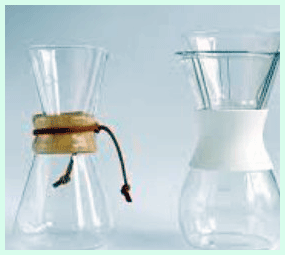
- Rinse immediately after use: Pour hot water through to flush grounds and oils before they dry and stick. This prevents staining and keeps flavors fresh.
- Hand-wash when possible: Though dishwasher-safe, gentle hand washing with mild soap extends the wood collar’s life and avoids thermal shock to glass.
- Use a bottle brush for the neck: The narrow spout traps residue—scrub gently weekly to maintain clear flow and avoid off-tastes.
- Pre-wet filters thoroughly: Always rinse with hot water to remove any paper taste and preheat the brewer for better temperature stability.
- Store carefully: Keep it in a safe spot away from edges. Wrap the collar separately if removing to prevent scratches.
- Dry completely: Air-dry upside down to avoid water spots or trapped moisture that could lead to mold in rare cases.
- Replace filters regularly: Stock up but don’t hoard—old paper can absorb moisture and affect taste.
- Check wooden collar: Tighten screws if loose; treat wood with food-safe oil occasionally for longevity.
- Avoid sudden temperature changes: Don’t pour boiling water into a cold Chemex to prevent cracking.
- Deep clean monthly: Soak in vinegar-water solution for stubborn stains, then rinse well.
My Experience With Kalita
Switching to the Kalita Wave 185 (stainless steel) changed my routine. The flat bottom and three holes make brews reliable—even if my pour wobbles, extraction stays even. I get a fuller, more rounded cup with nice sweetness and less emphasis on acidity. It’s sturdy—no breakage worries—and smaller batches work perfectly for one or two cups. Filters are cheaper and easier to find alternatives for. Drawback? Larger brews need careful scaling, but daily consistency wins me over. It’s now my everyday brewer.
Pros Of Kalita
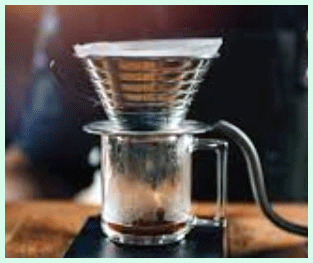
- Delivers consistent, balanced extraction every time: The flat-bottom design with three precisely placed holes ensures even water flow through the coffee bed, reducing channeling issues. I get reliable cups even when my pouring isn’t perfect—great for busy mornings or when I’m half-awake.
- Produces fuller body and richer flavor: Compared to conical drippers, it retains more oils and compounds for a smoother, more rounded mouthfeel with pronounced sweetness and chocolatey or nutty notes. Medium roasts really shine here without feeling thin.
- Forgiving for beginners and imperfect technique: The wave ridges and flat base make it less sensitive to pour speed or pattern. I can use a simple spiral or even a gooseneck kettle without drama, and the results stay tasty.
- Durable stainless steel version available: The metal model withstands drops and daily use far better than glass options. No cracks after years of clattering around in my sink—peace of mind matters.
- Compact and lightweight for easy storage: The 155 or 185 sizes fit neatly in cabinets or travel bags. I toss mine in a backpack for weekend trips without worrying about bulk or breakage.
- Faster brew times in practice: Flow is steady and efficient (often 3-3.5 minutes total), so coffee doesn’t over-extract or cool excessively. Quick turnaround suits my routine.
- Affordable filters with good alternatives: Kalita’s wave papers are reasonably priced, and some generic flat-bottom ones work well. Less ongoing expense than proprietary thick filters from other brands.
- Stylish yet professional look: The clean lines and wave pattern give it a modern, pro-barista vibe. It looks sharp on the counter without screaming for attention.
- Excellent for smaller batches: The 155 model nails single servings, while 185 handles up to two comfortably. No waste when brewing just for myself.
- Highlights complexity in beans: It brings out layered flavors—think caramel, fruit undertones, and mild acidity—without over-emphasizing brightness. Versatile across roast levels.
- Easy to control strength: Adjust grind or ratio for bolder or lighter cups. The design supports experimentation without punishing small mistakes.
- Popular in specialty shops for a reason: Many baristas rely on it for dependable house coffee. That endorsement builds confidence when I brew at home.
Cons Of Kalita
- Less emphasis on ultra-clean clarity: The thinner filters allow more fines and oils through, so cups aren’t as pristine or tea-like as some prefer. If I want sparkling brightness in light roasts, it can feel slightly muted.
- Specialty filters required for best results: While alternatives exist, official wave papers fit perfectly and affect taste positively. Stocking them adds a small hassle compared to universal cones.
- Not ideal for very large batches: The 185 tops out around 2-4 cups comfortably; scaling up risks uneven saturation. For family-sized brews, I sometimes switch to something bigger.
- Ceramic or glass versions can be fragile: The stainless is tough, but glass or ceramic models crack if mishandled—similar issue to other drippers, but worth noting if choosing non-metal.
- Flow can feel slower than some modern drippers: Recent flat-bottom competitors drain faster; Kalita’s design prioritizes evenness over speed, which occasionally extends brew time slightly.
- Handle is small or absent on some models: The stainless has a tiny lip—fine for most, but hot brews make it tricky without a towel. Not as grippy as some designs.
- Aesthetic is functional over elegant: It lacks the iconic hourglass beauty of certain competitors. Practical, yes; showpiece on the counter, not always.
- Requires proper pre-wetting: Filters collapse if not rinsed well, leading to uneven beds. An extra 10-15 seconds of prep that some find annoying.
- Less pronounced acidity in bright coffees: High-acid origins lose some pop compared to conical methods. Great for balanced profiles, less so if chasing citrus zing.
- Higher initial cost for stainless: The metal version costs more upfront than basic plastic or ceramic alternatives, though longevity justifies it.
Maintenance Tips For Kalita
- Rinse thoroughly right after brewing: Dump grounds and flush with hot water immediately to prevent oils from baking on. This keeps the interior fresh and avoids flavor carryover.
- Wash gently with mild dish soap: Use a soft sponge or cloth—no abrasive pads that scratch stainless or chip ceramic. Dawn or similar works well for cutting residue.
- Focus on the three holes: Check and clear any trapped fines with a soft brush or toothpick weekly. Blocked holes disrupt even flow and ruin consistency.
- Pre-wet filters every time: Pour hot water over the paper before adding grounds to rinse paper taste and preheat the dripper for stable temperatures.
- Air-dry completely: Place upside down on a rack or towel to avoid water spots or trapped moisture. Stainless shines when polished with a microfiber cloth.
- Avoid dishwasher for non-stainless models: Ceramic or glass versions risk thermal shock; hand-wash to preserve integrity.
- Deep clean monthly: Soak in a vinegar-water mix (1:4 ratio) for 15-20 minutes to dissolve scale or stubborn oils, then rinse multiple times.
- Store filters properly: Keep papers in a dry, sealed container to prevent moisture absorption that affects taste or fit.
- Wipe exterior regularly: A quick microfiber pass keeps the wave pattern looking sharp and removes fingerprints or splatters.
- Inspect for wear: Check ridges or holes for damage over time—replace if flow changes noticeably.
Read more: Comparison of Village Candle And Yankee Candle
Comparison With Other Brands
- Vs Hario V60: Chemex offers more clarity and forgiveness on grind, while V60 gives brighter, more acidic cups with greater technique control. Kalita provides better consistency than both for daily use.
- Vs Kalita Wave: Chemex excels in clean, light brews and larger batches; Kalita wins on even extraction, durability, and balanced body without needing perfect pours.
- Vs Aeropress: Chemex produces filter-like purity for bigger volumes, but Aeropress is faster, portable, and allows immersion for richer results in single servings.
- Vs French Press: Chemex removes sediment entirely for clarity, unlike French Press’s oily, full-bodied cup—better for those who dislike grounds.
- Vs Clever Dripper: Chemex flows continuously for nuanced extraction; Clever offers immersion then drain for easier, forgiving brews with similar cleanliness.
- Vs Origami Dripper: Chemex has fixed conical flow; Origami adapts to different filters (including Kalita-style) for versatility.
- Vs Fellow Stagg EKG kettle users: Chemex pairs well with precise pouring, but Kalita forgives less accurate pours more.
Frequently Asked Questions (FAQ)
Chemex uses a conical glass design with thick filters for very clean, bright coffee, while Kalita has a flat-bottom dripper with thinner wave filters for even, balanced extraction with more body.
It depends on needs—Kalita for consistency and durability, V60 for brighter profiles, or Aeropress for speed and portability often suit people better.
Kalita is often better for beginners or consistency seekers due to its forgiving flat bottom and even flow, while V60 rewards skill with more pronounced clarity and acidity.
Conclusion: For Both Products
I’ve weighed these options through countless brews, and here’s my take: if you want ultra-clean, elegant coffee for sharing or highlighting delicate flavors, go with Chemex—it’s timeless and rewarding. But if daily reliability, fuller taste, and less fuss matter more, Kalita edges it out for me. You might prefer one based on your setup, bean type, or mood. Try both if you can; your perfect pour-over awaits your personal taste. What do you think—ready to pick one?