
There are few sounds more unsettling than the scratching of claws inside your walls or the pitter-patter of tiny feet across your attic ceiling at 2:00 AM. A rodent infestation is not just a nuisance; it is a primal invasion of your sanctuary, bringing with it the risk of disease, chewed wires, and destroyed insulation. When traps fail and the natural repellents prove useless, many homeowners turn to the “nuclear option”: chemical rodenticides. Among the most infamous names in this category is Just One Bite, a brand that promises exactly what its name implies.
In this review, I am going to provide a brutally honest assessment of Just One Bite Rat Poison, specifically looking at its efficacy, safety profile, and real-world usage. I will strip away the marketing hype to tell you whether this farm-grade poison is the solution to your nightmare or a liability to your household safety. If you are dealing with a severe infestation and decide to go this route, I strongly recommend purchasing from a dedicated farm supply store or a certified online retailer to ensure you are getting fresh stock, as stale bait is effectively useless.
My Experience With Just One Bite Rat Poison
My war with rodents began in the late autumn, which is prime time for field mice and rats to seek shelter indoors. I live in a semi-rural area, so rodents are a fact of life, but this year was different. I had tried the standard snap traps and the electronic zappers. While I caught a few stragglers, the population seemed to be exploding. I would wake up to find bags of dog food gnawed open in the garage and droppings scattered across my workbench. It felt like I was losing ground, and the gentle approach was no longer cutting it.
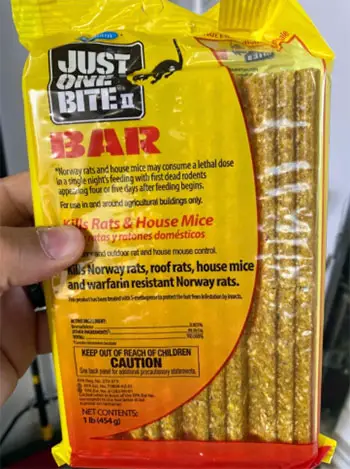
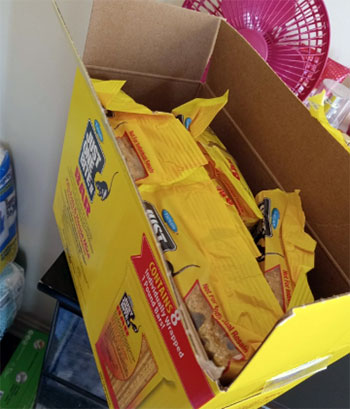
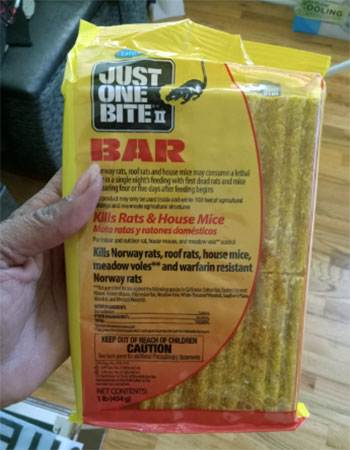
I picked up a bucket of Just One Bite II bait chunks from my local tractor supply store.
The packaging is intimidating, covered in warnings, which frankly gave me a bit of reassurance that this was the “strong stuff.”
Unlike the small boxes you buy at the grocery store, this felt like professional-grade pest control.
The chunks are yellowish-beige and smell faintly of grain and wax.
I made sure to wear thick rubber gloves—not just to keep my scent off the bait, but because the active ingredient, bromadiolone, is a potent anticoagulant that can be absorbed through the skin.
I placed the blocks inside tamper-resistant bait stations (which I had to buy separately, a crucial step I will discuss later) and set them along the perimeter of my garage and near the suspected entry points in the attic.
The first night, nothing happened. I was worried they wouldn’t find it palatable. But by day three, I checked the stations, and the blocks were gnawed down to nubs. The feeding frenzy had begun.
The results were not immediate, which is by design. Anticoagulants work slowly, so the rat doesn’t feel sick right away and warn the others. About four or five days after the bait disappeared, the activity stopped. The scratching in the walls ceased. The fresh droppings disappeared. It was eerily quiet. I eventually found two carcasses in the open, which I disposed of carefully.
However, the experience wasn’t entirely stress-free. I spent the entire week in a state of high anxiety about my dog. Even though I used locked bait stations, the fear of “what if a poisoned rat crawls out and my dog eats it?” was constant. I also had to deal with a faint, unpleasant odor in the garage for a week, which I suspect was a rat that had perished somewhere behind the drywall.
Ultimately, Just One Bite did exactly what it promised. It wiped out a colony that snap traps couldn’t touch. It is a weapon of mass destruction for rodents, but it requires a level of responsibility and caution that goes far beyond setting a simple wooden trap.
Read More: My Thoughts On Tougher Than Tom Mice Eliminator Pouches
Pros Of Just One Bite Rat Poison
If you are considering a poison this potent, you are likely looking for effectiveness above all else. Just One Bite delivers on its promises in several key areas that set it apart from the consumer-grade baits often found in supermarkets. Here are the specific advantages of using this product.
- High Potency and “Single Feed” Lethality: The primary selling point of this brand is the strength of its active ingredient, usually Bromadiolone. Unlike first-generation anticoagulants (like Warfarin) that require a rodent to feed multiple times over several days to build up a lethal dose, Just One Bite is a second-generation anticoagulant. This means that a single night’s feeding is often enough to deliver a lethal dose. The rat might not die that night, but the process has started. This is crucial for “bait shy” rats who might nibble once and then move on. You use less bait to kill more rats, making it incredibly efficient for large infestations where you cannot afford to wait weeks for results. It stops the breeding cycle faster because the adults are eliminated more quickly.
- Superior Palatability for Picky Eaters: A poison is useless if the rats won’t eat it, and rats are notoriously suspicious of new food sources. Just One Bite is formulated with seeds and grains embedded in the wax block, mimicking the natural food sources rodents scavenge for. In my experience, rats chose this bait even when there were other food sources (like spilled bird seed) nearby. The manufacturers have engineered the scent and taste to be irresistible to both Norway rats and house mice. This high acceptance rate ensures that you aren’t wasting time putting out bait that just gathers dust while the rats continue to destroy your home.
- Weather Resistance and Durability: The “block” or “bar” format of Just One Bite is designed for agricultural use, meaning it is built to withstand tough environments. The bait is held together with a wax matrix that resists moisture and humidity. If you have rats in a damp basement, a crawl space, or a barn, standard pellet baits will often absorb moisture, turn into a mushy paste, and mold over, rendering them unattractive to rodents. These blocks hold their shape and potency even in humid conditions. They also feature a hole in the center, allowing you to nail them to a beam or secure them on rods inside a bait station, preventing rats from dragging the poison away to store it (which is a major safety hazard).
- Cost-Effective for Heavy Infestations: While the initial price of a bucket might seem higher than a two-pack of traps, the cost-per-kill is incredibly low. A single 8-pound bucket contains enough poison to kill hundreds of rats and mice. If you are dealing with a recurring problem, such as living near a field or in an older city building, buying in bulk saves a significant amount of money in the long run. You are essentially buying the same grade of product that professional exterminators use, saving you the hundreds of dollars it would cost to hire a service to come out and place the exact same blocks.
Cons Of Just One Bite Rat Poison
With great power comes great risk. The very traits that make Just One Bite effective also make it dangerous and potentially problematic for the average homeowner. It is not a “set it and forget it” solution without consequences.
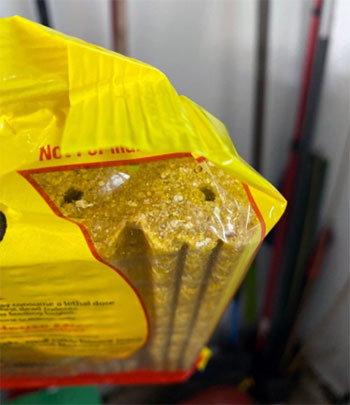
- Severe Risk to Pets and Wildlife: This is the absolute biggest drawback and one that cannot be overstated. Bromadiolone is toxic to all mammals, not just rats. If your dog, cat, or a curious toddler finds a block of this bait, the consequences can be fatal without immediate veterinary intervention (Vitamin K1 is the antidote). Furthermore, there is a risk of “secondary poisoning.” If a rat eats the poison, wanders into your yard, and is then eaten by a hawk, an owl, or your outdoor cat, that predator can also be poisoned. Using this product requires you to be hyper-vigilant about your environment. If you have dogs that chew on everything, the anxiety of having this poison on your property might outweigh the benefits of killing the rats.
- The “Dead Rat in Wall” Phenomenon: There is a persistent myth that rat poison makes rats thirsty, so they leave the house to find water and die outside. This is largely marketing fiction; while some might leave, many will simply retreat to their safe nesting areas to die when they start feeling ill. Often, these nesting areas are inside your walls, under your floorboards, or in your attic insulation. When a rat dies in an inaccessible space, the decomposition smell is horrific and can last for weeks. Unlike a trap where you can remove the body immediately, poison leaves the location of the carcass up to chance. You have to be prepared to deal with the odor of death as a potential side effect of success.
- Delayed Action Can Be Confusing: Because the poison takes 3 to 5 days to kill the rodent, you will not see immediate results. You might see rats continuing to run around for days after you set the bait, leading you to believe it isn’t working. This can be frustrating for homeowners who want the problem solved tonight. During this delay, the poisoned rat is still active and can still cause damage or spread droppings. It requires patience and faith in the chemistry, which is hard to maintain when you hear them scratching at night. You also have to keep replenishing the bait during this time, as new rats might move in.
- Strict Handling and Storage Requirements: You cannot handle this bait with bare hands. The active ingredient can be absorbed through the skin, and the scent of your human skin can deter rats from eating it. You must wear gloves every single time you touch the bucket or the blocks. Additionally, you must have a secure place to store the bulk bucket—high up, locked away, and out of reach of children and pets. Disposal of the empty container and any leftover bait also requires care to prevent environmental contamination. It adds a layer of logistical complexity to your household management that a simple snap trap does not.
Maintenance Tips For Just One Bite
Using rodenticide is not a passive activity. To ensure it works effectively and, more importantly, safely, you need to follow a strict maintenance and monitoring protocol.
- Mandatory Use of Tamper-Resistant Stations: You should never, under any circumstances, toss loose blocks of Just One Bite onto the floor or behind furniture. Rats have a tendency to pick up food and hoard it elsewhere. If a rat drags a loose block into the middle of the living room where your dog can find it, you have a tragedy on your hands. You must use “bait stations”—black plastic boxes that lock with a key and have internal rods to secure the bait. The block slides onto the rod, meaning the rat has to eat it inside the box and cannot carry it away. This protects your family, your pets, and non-target wildlife.
- Strategic Placement Along Runways: Rodents are creatures of habit and agoraphobia; they hate open spaces. They run along walls, behind appliances, and through dark corners. Placing the bait station in the middle of the room is useless. You need to place the stations flush against the wall where you have seen droppings or rub marks (greasy smudges left by their fur). Space the stations about 15 to 30 feet apart for rats and closer (8 to 12 feet) for mice. Correct placement reduces the time it takes for the colony to find the bait.
- Monitoring and Refilling the Bait: You cannot just set the station and come back a month later. For the first week, inspect the bait stations daily. If the bait is completely gone, refill it immediately. A continuous supply is critical; if the bait runs out, the remaining rats will survive and breed. You want to keep feeding them until the feeding stops completely, indicating the colony has been wiped out. Replace any bait that has become spoiled, covered in insects, or incredibly moldy (though the wax blocks are resistant, they aren’t invincible).
- Safe Disposal of Carcasses: As the poison takes effect, you will likely find dead rats in your yard or garage. Do not touch them with bare hands. Wear rubber gloves to protect yourself from diseases like Hantavirus or Leptospirosis. Double-bag the carcass in plastic zip-lock or garbage bags and dispose of it in a sealed outdoor trash can. This is vital to prevent secondary poisoning of local wildlife. If you leave a dead rat in the garden, a neighborhood cat or a hawk might eat it and ingest the poison remaining in the rat’s liver. Be a responsible user and clean up the aftermath diligently.
Comparison with Other Brands
The rodent control aisle is crowded, and it helps to know how Just One Bite stacks up against the other heavy hitters. Here is a breakdown of how it compares to three major competitors.
- Tomcat All-Weather Bait Chunx: This is the most direct competitor and is widely available at big-box hardware stores. Comparison: Tomcat offers both Bromethalin (neurotoxin) and Diphacinone (anticoagulant) versions depending on the specific product line. Just One Bite generally sticks to Bromadiolone (anticoagulant). Tomcat blocks are often harder and smaller, which some users find less palatable to picky rats compared to the slightly softer, grain-heavy texture of Just One Bite. However, Tomcat is much easier to find locally for the average suburban homeowner. Just One Bite is often viewed as the “farm strength” version, while Tomcat is the “suburban strength” version. If you have a massive infestation, Just One Bite often wins on cost-per-pound and palatability.
- D-Con Mouse Poison: D-Con is perhaps the most famous brand name, historically known for its pellet trays. Comparison: D-Con traditionally used pellets, which are messy; mice often carry the pellets out of the tray and scatter them everywhere, which is a safety nightmare. Just One Bite’s block format is much safer and cleaner because it can be secured. D-Con has shifted its active ingredients over the years due to EPA regulations (often using Cholecalciferol now), which works differently than anticoagulants. Just One Bite is generally considered more potent for larger pests like Norway Rats, whereas D-Con is primarily marketed toward house mice. If you are dealing with rats, Just One Bite is the superior choice; for a minor mouse issue, D-Con might suffice.
- Victor Electronic Rat Trap: This is the non-toxic, technological alternative. Comparison: The Victor trap kills instantly with a high-voltage shock. There is zero risk of secondary poisoning to owls or pets, and you never have to worry about a rat dying in your wall. However, the Victor trap can only kill one rat at a time and requires you to empty it constantly. Just One Bite works on the entire colony at once; a single block can feed multiple rats. If you have one or two rats, the Victor trap is better (cleaner, safer). If you have twenty rats, the Victor trap will take months to catch them all, whereas Just One Bite will wipe them out in a week.
Also Read: My Thoughts On BioAdvanced Brush Killer Plus Concentrate
Frequently Asked Questions (FAQ)
Just One Bite is a delayed-action rodenticide. After consuming a lethal dose, the rodent typically dies within 3 to 5 days. This delay is intentional; it prevents “bait shyness,” where rats learn to associate the food with immediate sickness and warn the rest of the colony to avoid it.
Yes, it is extremely dangerous to dogs, cats, and all mammals. The active ingredient, bromadiolone, prevents blood from clotting, which can lead to internal bleeding and death. If you suspect your pet has eaten any amount of this poison, you must take them to a veterinarian immediately. The antidote is Vitamin K1, but it must be administered quickly.
No, this is a common myth used to sell rat poison. There is no scientific evidence that anticoagulants cause rats to dry up (mummify) without odor. A rat killed by poison will decompose like any other dead animal. If it dies inside a wall or a warm area, it will smell and attract flies.
The classic Just One Bite II formulation uses Bromadiolone, which is a second-generation anticoagulant. Some variations of the brand (like Just One Bite EX) use Bromethalin, which is a neurotoxin that affects the central nervous system. Always check the label on your specific bucket, as the mechanism of action and the treatment for accidental poisoning differ between the two.
Conclusion
Just One Bite Rat Poison is not a product for the casual homeowner with a single mouse in the pantry. It is a heavy-duty, agricultural-grade weapon designed for serious infestations where other methods have failed. It is undeniably effective, often clearing out entire colonies in a matter of days thanks to its high potency and palatability.
However, that power comes with significant responsibility. The risks to pets, wildlife, and the potential for odor issues mean this product should be used with extreme caution and strict adherence to safety protocols. If you are facing a relentless siege of rodents and are willing to manage the risks of using bait stations and safe disposal, Just One Bite is likely the most effective solution you can buy. Just remember: respect the poison, or it can cause more problems than it solves.