
We have all been there—staring at a driveway covered in green moss or a car coated in a week’s worth of road grime, dreading the hassle of dragging out the heavy garden hose and scrubbing for hours. You want a solution that is powerful, portable, and doesn’t require a master’s degree in engineering to operate. In your search for the perfect cleaning tool, you have likely been targeted by the viral ads for the Jetsono Pressure Washer. It pops up on social media feeds with videos of satisfyingly stripped-away dirt and claims of “transforming” your garden hose into a high-powered jet. But in a market flooded with dropshipped gadgets and exaggerated claims, you are right to pause. You want to know if this budget-friendly tool is actually a legitimate cleaning solution or just another plastic toy destined for the landfill.
In this comprehensive review, I am going to walk you through the reality of the Jetsono Pressure Washer (specifically focusing on their popular cordless/portable power cleaner model, as this is the unit that offers actual mechanical pressure). I will break down the true cleaning power, the battery life reality, and whether it can actually handle the jobs it promises to do. We will look past the “10x pressure” marketing slogans to analyze the build quality, the practicality of the “bucket draw” system, and how it holds up against established brands like Worx and Sun Joe. Whether you are an apartment dweller looking to rinse your balcony or a car enthusiast wanting a touchless wash, this guide is designed to help you decide if Jetsono is the hidden gem you need or a purchase you will regret.
My Experience With Jetsono Pressure Washer
I decided to try the Jetsono Cordless Pressure Washer after seeing an ad that showed it blasting mud off a dirt bike with ease. As someone who lives in a townhouse with limited access to outdoor power outlets and spigots, the idea of a “power cleaner” that could pull water from a bucket was incredibly appealing. I wasn’t looking to strip paint off a deck; I just wanted something stronger than a thumb over a garden hose to wash my car and clean my patio furniture.
When the package arrived, the unboxing experience was strictly “budget.”
The device came in a simple cardboard box with a molded plastic tray.
Inside, I found the main pistol-grip unit, a single 24V lithium battery, a charger, a long hose with a filter basket, a foam pot, and a few nozzle attachments.
The plastic body of the washer felt lightweight—almost too light—which gave me pause regarding its durability.
It didn’t have the rugged, rubberized feel of my DeWalt tools, but for the price, it seemed functional.
I charged the battery overnight to ensure a fair test. The next morning, I filled a 5-gallon bucket with water and car soap, dropped the hose in (making sure the filter sank to the bottom), and pulled the trigger. It took about 15 seconds for the machine to prime—sucking the water up the tube and into the motor. When it finally sprayed, it wasn’t the recoil-inducing blast of a gas pressure washer, but it was a respectable stream.
I started with my car wheels, which were covered in brake dust. Using the 0-degree red nozzle (the tightest stream), the Jetsono did a decent job of blasting away the loose grime. It was definitely stronger than my garden hose. However, when I switched to the 40-degree white nozzle to rinse the whole car, the pressure dropped significantly. It felt more like a “super-soaker” water gun than a pressure washer. It was excellent for rinsing off soap, but it struggled to remove bug splatter from the grill without me having to get incredibly close—literally inches away from the surface.
The “foam cannon” attachment was a bit of a letdown. Instead of the thick, shaving-cream snow foam you see on detailing channels, it produced a watery, soapy runoff. It worked to soap up the car, but it didn’t cling.
The biggest reality check came with the battery life. I managed to wash my car and rinse about half of my patio chairs before the motor started to whine and lose power. All in all, I got about 25 minutes of continuous use. For a quick maintenance wash, this is fine. But if you are planning to clean a large driveway or a two-story house, this device simply doesn’t have the stamina or the power.
Ultimately, my experience was mixed. As a portable rinser for camping, mountain biking, or apartment living, it is a handy tool. It is convenient to grab and go without unwinding a 50-foot extension cord. But as a pressure washer in the traditional sense? It falls short. It lacks the grunt to do deep cleaning, and the build quality feels like it won’t survive a drop on concrete. It is a convenience tool, not a heavy-duty one.
Read More: My Thoughts On Power Blast Plus Power Washer
Pros Of Jetsono Pressure Washer
When evaluating the Jetsono against traditional pressure washers, it is important to judge it for what it is—a portable power cleaner—rather than what it isn’t. There are specific scenarios where this lightweight tool shines.
- True Portability and “Draw Anywhere” Functionality: The single biggest advantage of the Jetsono is that it cuts the cord—both the power cord and the hose. Most traditional pressure washers require you to be within range of a spigot and an outlet, effectively tethering you to your house. The Jetsono can pull fresh water from any source: a bucket, a lake, a pool, or even a 2-liter soda bottle (with the right adapter). This makes it a game-changer for remote cleaning tasks. You can take it to the marina to rinse salt off a boat, bring it camping to wash muddy boots, or use it in the corner of a large property where the hose doesn’t reach. If you have a balcony with no water hookup, you can simply fill a bucket in your kitchen, carry it out, and clean your space.
- Lightweight and Ergonomic Design: Unlike bulky wheeled units that require a production to set up, the Jetsono is designed for one-handed operation. Weighing usually under 4-5 pounds with the battery attached, it is accessible for users who might struggle with heavy machinery. You can easily lift it to clean gutters (from a safe ladder position) or reach under wheel wells without straining your back. The pistol-grip form factor is intuitive; you just point and shoot. This ease of use means you are more likely to actually use it for small messes—like rinsing off a muddy shovel or cleaning a birdbath—rather than ignoring them because getting the “big machine” out is too much hassle.
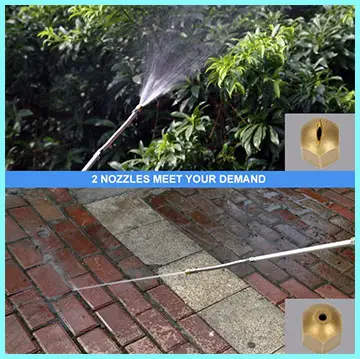
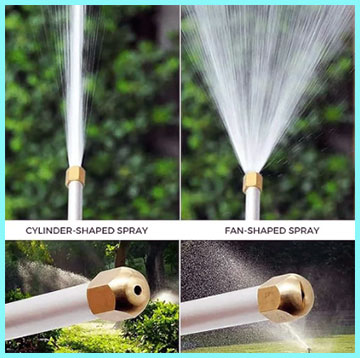
- Versatile Nozzle Options Included: Despite being a budget unit, Jetsono typically includes a 6-in-1 multi-spray nozzle or a set of quick-connect tips. This allows you to switch spray patterns instantly by rotating the head or snapping in a new tip. You get a 0-degree jet for cutting dirt, 15, 25, and 40-degree fans for general cleaning, and a “shower” mode for watering plants. This versatility transforms the tool from a cleaner into a garden utility device. You can blast weeds out of sidewalk cracks one minute and then gently water your hanging flower baskets the next, all without changing the tool.
Cons Of Jetsono Pressure Washer
While the portability is great, there are significant performance and quality trade-offs that you need to accept at this price point. It is not a replacement for a plug-in unit.
- Underwhelming Pressure for Deep Cleaning: If you are expecting the 2000+ PSI (Pounds per Square Inch) power of a corded electric washer, you will be disappointed. Most cordless units like the Jetsono output realistically between 300 and 500 PSI, regardless of what the inflated marketing numbers might say on the box. This is enough to rinse loose dirt, but it is not enough to strip mildew from concrete, clean oil stains off a driveway, or prep a deck for painting. You will find yourself holding the nozzle one inch from the surface to get any cleaning power, which makes cleaning large areas incredibly tedious and slow. It is a “rinser,” not a “stripper.”
- Short Battery Life and Long Charge Time: The Achilles’ heel of any cordless high-draw tool is the battery. The included 24V battery typically provides 20 to 30 minutes of runtime on high power. While this sounds okay, it goes by very fast when you are trying to rinse a soapy car. Once the battery dies, the charging time is often 3 to 5 hours with the included slow charger. Unless you buy extra batteries (which can be hard to find for off-brand tools), your cleaning day is over once that single battery is drained. The power also tends to fade as the battery gets low, meaning your last 5 minutes of washing are weaker than the first 5.
- Questionable Build Quality and Longevity: The Jetsono is constructed primarily of rigid, inexpensive plastic. The hose connectors are often plastic rather than brass, which makes them prone to cross-threading or cracking if you overtighten them. Users frequently report issues with the internal seals leaking after a season of use, leading to water dripping down their hand or loss of pressure. Unlike established brands with service centers and spare parts catalogs, if the motor burns out or a specialized O-ring snaps on a Jetsono, the device is essentially a paperweight. You are buying a disposable tool rather than a lifetime investment.
Maintenance Tips For Jetsono Pressure Washer
To keep a budget tool like the Jetsono running for more than one summer, you have to be diligent about maintenance. The internal pumps are small and sensitive to debris, so treating it with care is non-negotiable.
- Protect the Pump from Debris: The number one killer of these portable washers is sucking up dirt. Since you are often pulling water from a bucket or lake, there is a high risk of grit entering the system. Always ensure the filter basket is attached to the end of the intake hose before dropping it in the water. Periodically inspect this mesh filter for tears or clogs. If you are using lake water, try to keep the filter suspended a few inches off the muddy bottom. Even a small grain of sand can score the plastic pistons inside the pump, permanently ruining the pressure seal.
- Proper Winterization and Storage: If you leave water inside the pump during freezing temperatures, it will expand and crack the internal housing. After every use, disconnect the hose and run the machine “dry” for about 5-10 seconds to expel any remaining water from the internal chamber. Store the unit and the battery indoors in a dry, room-temperature environment. Lithium batteries degrade if left in a freezing garage or a sweltering shed. If you aren’t using the battery for months, try to store it at about 50% charge rather than fully empty or fully full to maximize its lifespan.
- Lubricate the O-Rings: The quick-connect fittings and the nozzle attachments rely on rubber O-rings to create a watertight seal. Over time, these rubber rings can dry out, crack, and cause annoying leaks that spray water all over the user. Once a season, apply a tiny dab of silicone grease (plumber’s grease) to the O-rings on the hose connector and the spray lance. This keeps the rubber supple and makes snapping the attachments on and off much smoother. If an O-ring breaks, replace it immediately; running the machine with a leak causes the motor to cycle rapidly (“surging”), which can overheat the electronics.
Comparison with Other Brands
The marketplace for “cordless power cleaners” (also known as hydroshots) is crowded. To see if Jetsono is the right budget pick, we need to compare it to the innovator of the category and the other budget options.
- Worx Hydroshot (WG620): This is the brand that invented this category of tool. Comparison: The Worx Hydroshot is significantly more expensive than the Jetsono, often double the price. However, for that money, you get a superior build quality and access to the “Power Share” battery platform. If you already own Worx drills or weed eaters, the batteries are interchangeable, which is a massive “pro.” The Worx pressure is consistent, and the motor is noticeably quieter and smoother than the Jetsono. Jetsono wins on price and included accessories (foam cannon, extra nozzles are often included), but Worx wins on reliability and long-term support. If you want a tool that lasts 5 years, buy Worx. If you want a cheap tool for a specific trip, Jetsono is fine.
- Sun Joe SPX Series (Cordless Models): Sun Joe is the king of budget electric pressure washers. Comparison: Sun Joe offers cordless models that look very similar to the Jetsono. The main difference is warranty and customer service. Sun Joe typically offers a 2-year warranty and has a US-based support team. Jetsono is often a “ghost brand” with limited support infrastructure. Sun Joe’s batteries are proprietary but generally higher quality with better charge indicators. Performance-wise, they are similar, but Sun Joe feels slightly more polished. If the price is close, always choose Sun Joe for the warranty peace of mind.
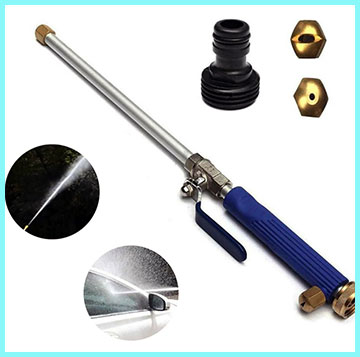
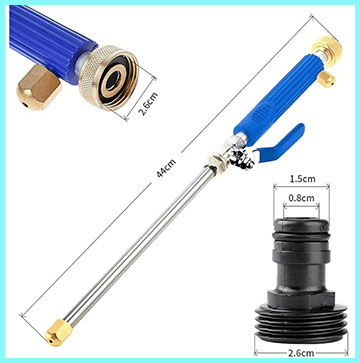
- The “Jet Nozzle” Hose Attachment (The Scam Warning): It is important to distinguish the Jetsono Power Washer from the Jetsono Wand. Comparison: You will often see “Jetsono” marketing a simple metal tube that screws onto a garden hose, claiming to increase pressure. Do not buy the wand. It is physically impossible for a metal tube to increase water pressure without a motor. The Cordless Jetsono (with the battery and motor) does increase pressure. The Wand merely restricts flow to create a faster stream, identical to putting your thumb over the hose. Compared to the Cordless unit, the Wand is useless for cleaning anything beyond loose dust. Ensure you are buying the unit with a battery, not just the metal stick.
Also Read: Comparison Of Karcher K1700 And Sun Joe SPX3000
Frequently Asked Questions (FAQ)
No, generally it cannot. The pressure generated (approx. 300-400 PSI) is insufficient for stripping paint or removing deeply embedded oil stains from concrete. For those tasks, you need a gas-powered washer or a heavy-duty electric unit with at least 2500+ PSI. The Jetsono is designed for rinsing dirt, mud, and light mildew.
On a full charge, the 24V battery typically lasts between 20 to 30 minutes of continuous spraying. This varies depending on which nozzle you use (tighter nozzles use slightly less power). It takes approximately 3 to 4 hours to recharge the battery fully using the included wall charger.
It is not recommended. The internal pump seals and plastic components are designed for cold or lukewarm water. Using hot water (above 100°F) can cause the plastic pistons to expand or warp, leading to immediate failure. Stick to tap-temperature water.
Most Jetsono kits come with an adapter that allows you to connect a standard garden hose directly to the unit, in addition to the siphon hose for buckets. However, connecting it to a pressurized garden hose does not significantly increase the output pressure; the limit is the motor, not the water source. Using a bucket is often easier as you aren’t fighting the drag of a heavy garden hose.
Conclusion
The Jetsono Cordless Pressure Washer is a classic example of “you get what you pay for.” It is a functional, convenient tool for specific “light duty” tasks. If you live in an apartment, need to wash a bike at a trailhead, or want a gentle sprayer for your windows and screens, it offers decent value for the low price. The ability to pull water from a bucket is a genuinely useful feature that solves real problems for people without outdoor spigots.
However, if you are buying this expecting to deep-clean your driveway or blast away years of grime from your siding, you will be disappointed. It lacks the raw power and battery endurance of a true pressure washer. It is best viewed as a “powered hose booster” rather than a heavy-duty cleaning machine. If you adjust your expectations to match its specs, the Jetsono can be a handy addition to your cleaning arsenal—just don’t expect it to work miracles.