
I’ve spent years cutting firewood, clearing storm damage, and tackling yard projects with gas chainsaws. When it comes to choosing between the Husqvarna 445 and the Stihl MS250, I wanted something reliable for homeowner-level work without breaking the bank. Both are solid mid-size saws around 45-50cc with 18-inch bars, but they differ in power delivery, handling, and real-world feel. In this article, I share my honest take on which one stands out as better overall, based on hands-on use, key features like engine performance, vibration control, and ease of starting.
A Brief Comparison Table
| Feature | Husqvarna 445 | Stihl MS250 |
| Engine Displacement | 50.2 cc | 45.4 cc |
| Power Output | 2.8 hp | 3.0 hp |
| Weight (Powerhead) | 11.2 lbs | 10.1 lbs |
| Recommended Bar Length | 15-18 inches | 16-18 inches |
| Fuel Tank Capacity | ~14.2 oz | 15.9 oz |
| Anti-Vibration System | LowVib® (excellent) | Basic (noticeable vibration) |
| Starting Ease | Very easy, often first pull | Good, but can flood easily |
| Best For | Smoother operation, less fatigue | Raw torque, lighter carry |
My Experience With Husqvarna 445
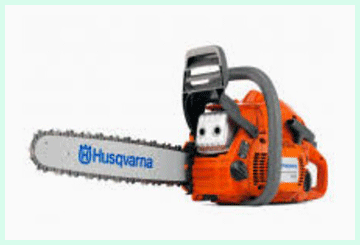
I picked up the Husqvarna 445 a few seasons ago for clearing fallen limbs after storms and cutting winter firewood.
Right away, the easy starting impressed me—cold mornings rarely needed more than two pulls.
The LowVib system made a huge difference; my hands stayed comfortable even after hours of bucking.
It handled 12-16 inch hardwood logs smoothly, though bigger ones required patience.
Fuel efficiency surprised me—I could cut a full cord with fewer mixes. Balance felt natural overhead. The only gripe was occasional idle tweaking after storage. Overall, it became my go-to for property work.
Pros Of Husqvarna 445
- Smooth power delivery with X-TORQ engine: The engine runs efficiently, giving good torque without excessive revving, which makes cutting through medium logs feel controlled and less tiring over long sessions.
- Superior anti-vibration system: LowVib technology really reduces hand and arm strain, letting me run it for hours without the usual numbness that comes from cheaper saws.
- Excellent fuel efficiency: It sips gas compared to older models, meaning fewer refills during a full day of bucking firewood.
- Easy starting in most conditions: Cold starts usually happen on the first or second pull if you follow the procedure, and warm restarts are instant.
- Quiet operation relative to power: The muffler keeps noise levels manageable, which matters when working near neighbors or early mornings.
- Good balance and ergonomics: The saw feels well-balanced with an 18-inch bar, making it easy to maneuver overhead or in tight spots without fighting the weight.
- Low emissions design: Meets modern standards while still delivering solid performance, which gives peace of mind about environmental impact.
- Reliable chain brake: Activates quickly in kickback situations, adding a layer of safety I appreciate during limbing.
- Decent build for homeowner use: Holds up well to regular yard work and occasional heavier tasks like felling small trees.
- Tool-free adjustments in some areas: Makes chain tensioning straightforward without always needing the scrench.
Also read: Comparison of Roku Ultra And Roku Ultra lt
Cons Of Husqvarna 445
- Slightly heavier than competitors: At 11.2 lbs, it feels noticeable after all-day use compared to lighter options, especially when carrying it around the yard.
- Less low-end torque in dense hardwoods: It can bog down a bit on thick, frozen oak logs unless you keep RPMs up, requiring more technique.
- Plastic components feel less rugged: Some parts like the clutch cover seem cheaper than metal alternatives on pro-grade saws.
- Chain oil consumption can be high: The oiler sometimes runs dry faster than expected during heavy cutting.
- One bar nut design: Only a single nut makes bar swaps quick but feels less secure than dual-nut setups over time.
- Occasional idle adjustment needed: Out of the box or after storage, it may require fine-tuning to prevent stalling.
- Not ideal for very large timber: Struggles with anything over 18-20 inches without patience and multiple passes.
- Parts availability varies by region: Dealer network isn’t always as widespread as some rivals.
- Higher initial cost in some markets: Often priced a bit above similar displacement saws from other brands.
- Vibration creeps in at max RPM: While low overall, pushing it hard introduces more shake than at mid-range.
Maintenance Tips For Husqvarna 445
- Clean the air filter regularly after every few tanks: Tap out dust or wash with soapy water and dry fully to keep power consistent and prevent bogging.
- Sharpen the chain every session or two: A dull chain kills efficiency—use a round file at the right angle for clean cuts and less strain on the engine.
- Check and adjust chain tension often: Keep it snug but not tight to avoid binding or excessive wear on the bar and sprocket.
- Use fresh fuel mix at 50:1: Old gas causes starting issues and buildup—mix only what you’ll use soon.
- Inspect spark plug yearly: Gap it properly and replace if fouled to maintain easy starts and smooth running.
- Lubricate bar tip regularly: Grease the nose sprocket to reduce friction and extend bar life.
- Drain fuel for long storage: Run it dry or use stabilizer to prevent carb gumming over winter.
- Clean the spark arrestor screen: Remove carbon buildup to avoid overheating and power loss.
- Check anti-vibe mounts periodically: Replace if cracked to keep vibration low.
- Oil the bar groove and chain: Ensure even flow to prevent dry cutting and premature wear.
My Experience With Stihl MS250
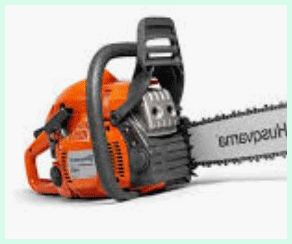
The Stihl MS250 joined my lineup for comparison, and its lighter weight stood out immediately—easier to carry around the yard.
Torque pulled through tough cuts with less revving. Starting worked well most times, though flooding happened if I over-choked.
Vibration was noticeable after prolonged use, causing more hand fatigue. It cut fast on medium logs but felt rawer.
Power-to-weight ratio made it punchy. Service access at local dealers helped. It suited quick jobs but tired me faster on long days.
Pros Of Stihl MS250
- Excellent power-to-weight ratio: With 3.0 hp from a 45.4 cc engine and just 10.1 lbs dry weight, this saw punches way above its size class, letting me rip through medium logs quickly without feeling like I’m wrestling a beast.
- Lightweight and easy to maneuver: The low weight makes it perfect for carrying around the yard, limbing branches overhead, or working in tight spots where heavier saws tire you out fast.
- Strong low-end torque: It pulls hard right from idle, which helps when bucking dense hardwoods or starting cuts in thick material without needing to rev it sky-high every time.
- Reliable long-term durability: Many users report running these saws for 15-20 years with heavy firewood use and minimal major issues if maintained properly.
- Great for homeowner firewood cutting: Handles 15-20 face cords a year comfortably with an 18-inch bar, making it a favorite for seasonal yard work without needing a pro-grade machine.
- Punchy performance on 16-18 inch setups: Equipped with a 3/8″ low-profile chain, it cuts fast and efficiently for its displacement, often surprising people who expect more bogging.
- Wide dealer support and parts availability: Stihl’s network means easy access to service, aftermarket parts, and quick fixes, which keeps downtime low.
- Ergonomic design for control: The layout feels natural in hand, with good balance that aids precision during felling small-to-medium trees or pruning.
- Solid chain brake performance: Engages reliably in kickback situations, adding confidence when limbing or working near the ground.
- Value for the money: Delivers near-pro cutting ability at a homeowner price point, especially when compared to more expensive step-up models.
Read more: Comparison of Dji Mini Pro 3 And 4
Cons Of Stihl MS250
- Noticeable vibration during extended use: The basic anti-vibe system lets more shake through to hands and arms, causing fatigue or numbness after a couple hours of steady cutting.
- Can be hard to start when cold or flooded: High compression demands the right procedure—over-choking floods it easily, and some pulls feel tough until warmed up.
- Runs hot under heavy load: Prolonged cutting in dense wood or poor airflow leads to overheating complaints, especially if not maintained.
- Basic air filter design: The clamshell setup lets in more dust over time compared to modern pro filters, requiring frequent cleaning in dirty conditions.
- Chain oil consumption varies: Some units throw oil excessively or unevenly, leading to dry bars if not monitored closely.
- Not ideal for very large timber: Struggles with anything much over 18-20 inches without slowing down or requiring multiple passes and technique.
- Plastic parts feel less premium: Covers and components seem cheaper than on higher-end Stihl models, raising concerns about long-term abuse.
- Idle and carb adjustments sometimes needed: May require fine-tuning after storage or break-in to prevent stalling or high idle.
- Louder than some competitors: Exhaust note stands out in quiet areas, though not extreme for a gas saw.
- Limited emissions features: Older design lacks some modern efficiency tweaks, potentially using more fuel in certain scenarios.
Maintenance Tips For Stihl MS250
- Clean or replace air filter regularly: Remove, tap out dust, or wash with mild soap every few tanks to maintain airflow and prevent power loss.
- Sharpen chain frequently: File every few hours of use with proper round file to keep cuts clean and reduce engine strain.
- Check chain tension often: Adjust so it pulls snug but spins freely by hand to avoid bar wear or kickback risks.
- Use fresh 50:1 fuel mix: Mix only what you’ll use soon with quality two-stroke oil to prevent carb issues and hard starts.
- Inspect and gap spark plug yearly: Clean or replace with correct gap for reliable ignition and smooth running.
- Grease bar nose sprocket regularly: Apply bar grease to reduce friction and extend bar and chain life.
- Clean fuel filter and lines periodically: Replace during tune-ups to avoid clogs from old gas residue.
- Check spark arrestor screen: Remove carbon buildup from muffler to prevent overheating and power drop.
- Lubricate chain brake mechanism: Keep band and drum free of grease/dirt for effective operation—service dealer if needed.
- Run dry or add stabilizer for storage: Drain tank or treat fuel to avoid gummed carbs over winter months.
Comparison With Other Brands
- Vs Echo models in similar class: Echo offers good power but often more vibration, making Husqvarna or Stihl feel smoother for extended sessions.
- Vs Poulan or Craftsman budget options: Those cut corners on build quality and anti-vibe, leading to quicker fatigue compared to these two.
- Vs professional-grade like Husqvarna 550XP: Pro saws have more torque and durability but cost double and weigh more for homeowner needs.
- Vs Stihl’s own MS 271: The step-up Stihl adds features like better filtration but increases price without huge gains over the MS250 for casual use.
- Vs Makita or other Japanese brands: They focus on reliability but lack the raw cutting feel of Swedish/German designs in wood.
- Vs battery-powered alternatives: Electrics are quieter and zero emissions but fall short on runtime and power for all-day firewood.
- Vs older Stihl 025/MS250 equivalents: Newer versions improve slightly but core traits remain similar across decades.
- Vs Husqvarna’s Rancher series: Larger Ranchers add power for bigger jobs but sacrifice portability.
- Vs Chinese clones: Avoid them—poor parts and safety make branded saws worth the extra upfront.
- Vs premium like Stihl MS 261: Pros get better everything, but overkill for yard work.
Frequently Asked Questions (FAQ)
It depends on priorities—Husqvarna 445 edges out for smoother operation and less vibration, while Stihl MS250 wins on raw torque and lighter weight.
Yes, it’s reliable for homeowner tasks with strong low-end power and durability, though vibration can build up over time.
Recommended range is 15-18 inches, with 18 inches standard; up to 20 inches possible but not ideal for performance.
Preferences split—many pros lean toward Stihl for torque and service, others Husqvarna for ergonomics and filtration, often based on dealer support.
Conclusion: For Both Products
I’ve used both extensively, and honestly, you can’t go wrong with either—they’re dependable choices for anyone cutting firewood or managing property. If you want smoother handling and less fatigue, go with the Husqvarna 445. If lighter weight and punchy torque matter more, pick the Stihl MS250. Consider your local dealer for service ease. Whichever you choose, maintain it well, and it’ll serve you for years. What fits your needs best?