
If you have ever stared into the abyss of your office fridge or realized at 7 PM that you have zero energy to cook, you are the target demographic for Huel. Huel (Human Fuel) made its name with sludge-like vanilla shakes, but their “Hot and Savory” line promises something different: actual chewable food. It’s warm, it’s instant, and it claims to be nutritionally perfect. But does it taste like real food, or is it just hot, salty gruel?
My Experience With Huel Hot and Savory
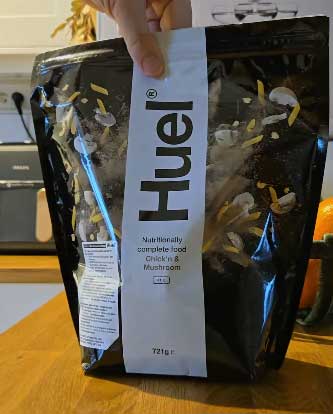
I picked up the “Bestseller” bundle, which usually includes Mac & Cheeze, Mexican Chili, and Thai Green Curry.
The first thing you notice is the price tag—it feels steep upfront (around $80+ for a minimum order), but the “per meal” cost is essentially the price of a cheap coffee.
I started with the Mac & Cheeze.
I followed the instructions religiously: two scoops, boiling water, cover for five minutes.
First impression: Failure. I opened the pot to find a soup of half-dissolved powder and surprisingly crunchy pasta shells.
It was gritty and unappealing. I realized my mistake immediately—I hadn’t shaken the bag before scooping.
The heavy pasta sinks to the bottom, and the seasoning powder floats to the top.
Attempt two (Mexican Chili): I shook the bag like I was trying to interrogate it. I scooped, added water, stirred aggressively, and—crucially—let it sit for 10 minutes instead of five. The result was completely different. It was a thick, hearty stew with rice, quinoa, and beans.
The taste? It is strictly “utilitarian delicious.” It won’t beat a burrito bowl from Chipotle, but it is infinitely better than a Cup Noodle. The Mexican Chili has a genuine smoky kick and nice texture from the quinoa. The Mac & Cheeze (on the second try) was creamy but had a distinct coconut undertone (standard for vegan cheese) and needed a pinch of salt.
The biggest win was the energy levels. After a standard fast-food lunch, I usually crash at 3 PM. After Huel, I felt boringly stable. No bloat, no crash, just… fueled. It does exactly what it says on the bag, provided you master the preparation curve.
Read more: My Thoughts on Apothékary Blue Burn
Pros Of Huel Hot and Savory
- Legitimate Nutrition: This is the biggest selling point. Unlike instant ramen which is just sodium and empty carbs, this is packed with 24g of protein, fiber, and 26 essential vitamins and minerals. It is a full, balanced meal, not just a hunger patch.
- Incredible Convenience: If you have a kettle and a spoon, you have a healthy lunch. It is faster than ordering Uber Eats and faster than microwaving a frozen meal. For office workers or students, the time saved is massive.
- Calorie Control: Each scoop is exactly 200 calories (two scoops = 400 calories). If you are tracking macros or trying to lose weight, this takes the guesswork out of portion control completely.
- Shelf Stable: The bags last for a year. You can keep a bag in your desk drawer for those days you forget to pack lunch, saving you from the vending machine of doom.
- Vegan & Sustainable: It’s 100% plant-based and produces very little waste compared to plastic-tray frozen meals.
Cons Of Huel Hot and Savory
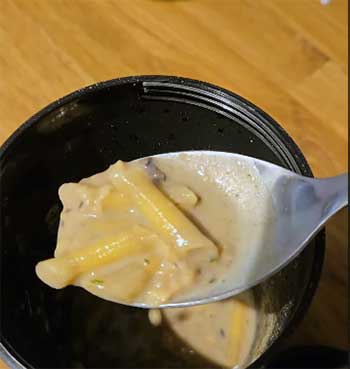
- The “Crunchy” Learning Curve: If you do not shake the bag thoroughly before every single use, you will get a bad ratio of powder to pasta. If you don’t wait long enough, the pasta stays hard. It requires more technique than “add water and ignore.”
- Digestive Adjustment (“Huel Wind”): It is very high in fiber and plant protein. If your current diet is low in fiber, your stomach will protest. The first few days often involve significant bloating and gas as your microbiome adjusts.
- Inconsistent Flavors: The quality varies wildly between flavors. Mexican Chili and Cajun Pasta are generally loved; Sweet & Sour is widely considered a gloopy disaster. You have to experiment to find what you can tolerate.
- High Upfront Cost: You cannot buy one bag. You have to buy a minimum (usually 3 bags), which means dropping ~$80 to try something you might not like. It’s an investment.
- Bag Seal Issues: The zippers on the bags are notorious for breaking or not sealing properly, which is annoying for a premium product.
Maintenance & Preparation Tips
- The “Shake” is Non-Negotiable: Before you even open the bag, shake it upside down and side-to-side. The heavy ingredients (rice/pasta) settle at the bottom during shipping. If you don’t mix them back up, your last few meals will be flavorless plain pasta.
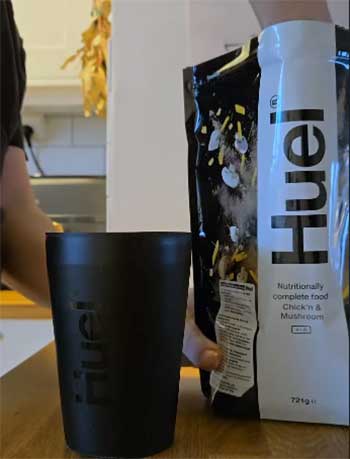
- Use an Insulated Pot: The free plastic pot they give you is okay, but it loses heat. Using a thermos or a high-quality insulated food jar keeps the water hot longer, which cooks the pasta better and prevents the “crunch.”
- Wait 10 Minutes, Not 5: Ignore the instructions. Five minutes is rarely enough to fully hydrate the thicker ingredients. Give it ten minutes, and the texture improves drastically.
- Season It: Huel is designed to be inoffensive. Don’t be afraid to add hot sauce, black pepper, nutritional yeast, or a dash of soy sauce. It is a base waiting for your customization.
Read more: My Thoughts on Advanced Food Intolerance Labs
Comparison with Other Solutions
- Jimmy Joy (Plenny Pot): The main competitor. Jimmy Joy is generally cheaper and comes in individual pots (no scooping required), which solves the “shaking” issue. However, many find Huel’s ingredient profile (whole grains vs ground oats) to feel more like a “real meal.”
- Instant Ramen / Cup Noodles: These are 1/10th of the price but provide zero nutritional value. You will be hungry again in an hour. Huel keeps you full for 4-5 hours because of the protein and fiber. They are not in the same category.
- Meal Prepping: Cooking chicken and broccoli on Sunday is cheaper and fresher. However, Huel wins on time. If you value your Sunday afternoon more than the $3 price difference, Huel wins.
- Frozen “Healthy” Meals (e.g., Amy’s): These often taste better but are usually higher in sodium and lower in protein. They also require a freezer, which isn’t always available at work or while traveling.
Frequently Asked Questions (FAQ)
Yes. It is nutritionally complete, meaning it contains the recommended balance of protein, fats, carbs, and micronutrients. It is significantly healthier than almost any other “instant” food on the market.
It can. It isn’t a “weight loss drug,” but it makes calorie counting incredibly easy. If you replace a 900-calorie burger lunch with a 400-calorie Huel bowl, you will lose weight due to the calorie deficit.
Taste is subjective, but Mexican Chili and Mac & Cheeze are the consistent best-sellers. Cajun Pasta is also highly rated for having a bit more flavor. Avoid Sweet & Sour unless you like very thick, sauce-heavy textures.
You likely didn’t use boiling water (it must be 212°F/100°C, not just “hot tap water”) or you didn’t let it sit long enough. Try microwaving the mixture for 30 seconds after adding the water to ensure it stays hot.
Technically yes, but it is not recommended. Huel is designed to replace convenience meals (breakfast/lunch). You should still aim to eat variety in your diet for psychological and gut health.
Conclusion
Huel Hot and Savory is not a culinary masterpiece, but it is a triumph of engineering. It solves the problem of “I need to eat healthy but I have 4 minutes” better than almost anything else. If you can get past the texture learning curve and the initial cost, it is a game-changer for busy professionals.