
As pet owners, we are constantly walking a tightrope between wanting the absolute best nutrition for our furry companions and managing a household budget that seems to shrink every month. You walk down the pet food aisle, and the prices for premium “human-grade” kibble can be shocking, sometimes rivaling the cost of your own groceries. This financial pressure leads many of us to Aldi, the discount supermarket king, where you might have spotted the colorful bags of Heart to Tail dog food sitting on the shelf for a fraction of the price of the big-name brands.
In this review, I am going to share a comprehensive breakdown of Heart to Tail dog food, analyzing whether this budget-friendly option is a hidden gem or a potential health risk for your pup. We will look at the ingredients, the recall history, and how it actually performs in the bowl. If you are tired of overpaying for marketing hype but afraid of feeding your dog “junk,” this guide is for you. My goal is to help you determine if Heart to Tail is a safe, viable way to cut costs without cutting corners on your dog’s health.
My Experience With Heart to Tail Dog Food
I first considered switching to Heart to Tail during a month where unexpected car repairs had decimated my budget. My Golden Retriever mix, Barnaby, had been eating a mid-tier brand from the pet store for years, but at nearly $60 a bag, I needed a temporary stopgap. I found myself at Aldi, staring at a 50-pound bag of Heart to Tail Complete Nutrition that cost less than half of what I usually paid. I was skeptical, to say the least—the packaging was generic, and I had heard mixed things about store-brand pet foods.
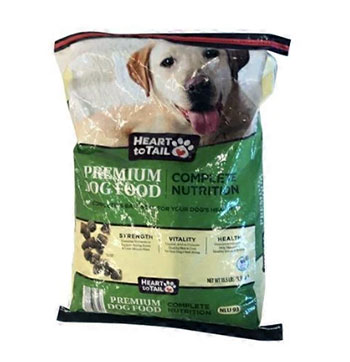
I picked up the “Complete Nutrition” dry kibble and a few cans of their wet food to use as toppers.
The first thing I noticed when I opened the bag was the smell.
It didn’t have that rich, meaty aroma that some premium brands have; it smelled more like grain or baked crackers, which wasn’t surprising given the ingredients, but it wasn’t offensive either.
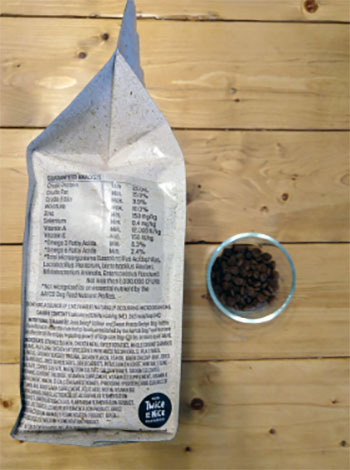
The kibble size was standard, maybe a little on the smaller side, which was fine for Barnaby.
Transitioning was a concern, so I mixed it 50/50 with his old food for the first week.
To my surprise, Barnaby didn’t turn his nose up at it. In fact, he seemed to enjoy the novelty of the new texture. The real test, however, was digestion.
In the past, cheaper foods had given him terrible gas and loose stools. For the first few days, there was definitely an adjustment period—his stool was softer than usual, and he was a bit gassy, which had me worried I was making a mistake.
By the second week, his digestion had mostly normalized, though his stool volume was noticeably larger than when he was on the grain-free, higher-protein diet. This indicated to me that there was more filler in this food passing through his system undigested. On the plus side, his energy levels remained consistent; he was still chasing squirrels and eager for his walks. I didn’t see any immediate negative impact on his coat, although it didn’t look quite as glossy as it did on the salmon-based food he used to eat.
After a month of exclusively feeding Heart to Tail, I came to a mixed conclusion. My bank account was definitely happier, and Barnaby wasn’t starving or sick. However, I did notice he seemed hungrier sooner, likely because the food wasn’t as nutrient-dense as the premium stuff. It served its purpose as a budget-saver, and for a healthy dog with a “cast-iron stomach,” it is a passable option. But for a dog with sensitivities or high energy needs, I felt it was lacking the nutritional punch required for long-term vitality.
Read More: My Thoughts On Go! Solutions Dog Food
Pros Of Heart to Tail Dog Food
When evaluating Heart to Tail, it is important to judge it within its category: budget-friendly supermarket brands. It is not trying to be Orijen or Acana; it is trying to be an affordable staple. Here are the specific advantages I found.
- Unbeatable Price Point and Value: The single most significant advantage of Heart to Tail is the cost savings. You can typically find an 18.5-pound bag for under $15, which works out to be significantly less than a dollar per pound. For families with large dogs or multiple pets, this price difference can save hundreds of dollars a year compared to premium brands. The wet food cans are also aggressively priced, often hovering around $0.60 to $0.80 per can, which is nearly half the price of similar wet foods at big-box pet stores. If you are on a fixed income or strictly budgeting, this brand allows you to keep your pets fed without sacrificing your own grocery needs.
- High Palatability for Picky Eaters: Surprisingly, many dogs seem to love the taste of this food. Whether it is the fat content or the specific flavor enhancers used, anecdotal evidence from my experience and online forums suggests that dogs rarely refuse it. The “Pure Being” line, which is their slightly higher-tier grain-free option, is particularly well-liked by dogs who enjoy salmon or chicken flavors. If you have a dog that is notoriously fussy and turns their nose up at healthy, bland specialized diets, the strong flavor profile of Heart to Tail might actually get them to eat. Getting a dog to eat is the first hurdle of nutrition, and this brand clears that bar easily.
- Availability and Convenience at Aldi: There is a massive convenience factor if you are already an Aldi shopper. You do not have to make a separate trip to a pet supply store or wait for an online Chewy order to arrive. You can pick up your dog’s food right alongside your milk and eggs, streamlining your weekly errands. Aldi is known for its efficiency, and having a reliable stock of pet food (usually) means you are less likely to run out and be forced to buy an expensive emergency bag from a gas station or convenience store. The packaging is also sturdy and stacks well, which is a minor but appreciated logistical detail for storage.
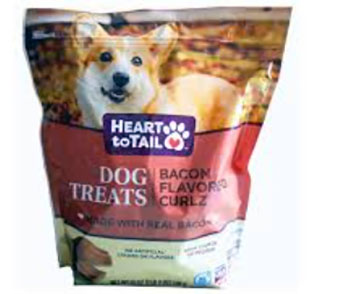
- Variety of Textures and Options: Heart to Tail isn’t just one bag of dry kibble; the brand has expanded to offer a decent range of products. They offer standard dry kibble, the “Pure Being” grain-free line, various wet food flavors (Filet Mignon, Chicken, etc.), and a wide assortment of treats. This variety allows you to mix and match to keep your dog interested. You can use the cheaper dry kibble as a base and top it with their wet food or use their dental sticks for oral hygiene. Having an entire ecosystem of products under one affordable umbrella makes it easy to manage your dog’s diet and rewards without switching brands.
Cons Of Heart to Tail Dog Food
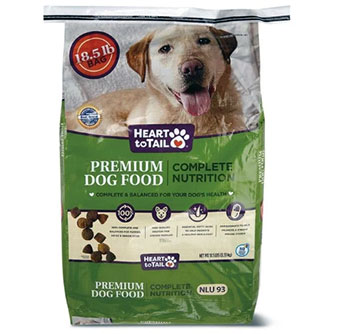
While the price is attractive, the nutritional trade-offs are significant. You get what you pay for, and in the case of dog food, the savings usually come at the cost of ingredient quality. Here are the major downsides you need to be aware of.
- Heavy Use of Plant-Based Fillers: The primary ingredients in the standard Heart to Tail kibble are corn and wheat. The first ingredient is often “Ground Yellow Corn” or “Meat and Bone Meal,” rather than whole deboned meat. Corn and wheat are cheap sources of energy, but they are often difficult for dogs to digest compared to animal proteins, leading to larger, smellier stools. These ingredients are common allergens for many dogs, causing itchy skin, ear infections, and digestive upset. If your dog has any sensitivity to grains, the standard Heart to Tail formula could trigger a flare-up of symptoms.
- Vague Ingredient Sourcing and “Meat Meal”: The ingredient labels often list generic terms like “Meat and Bone Meal” or “Animal Fat” without specifying the animal source. This means the protein could come from pigs, cows, sheep, or other sources depending on what was cheapest at the time of manufacturing. This lack of transparency is a red flag for owners of dogs with specific protein allergies (e.g., a dog allergic to chicken might react to generic “meat meal” if it contains poultry). Higher-quality brands will list “Chicken Meal” or “Beef Fat” specifically. With Heart to Tail, you are essentially gambling on the protein source with every new bag.
- History of Manufacturer Recalls: Heart to Tail is a private label, meaning Aldi doesn’t make it; they hire a third-party manufacturer, widely believed to be Sunshine Mills. Sunshine Mills has a history of recalls, including a significant one in 2021 involving potentially dangerous levels of Aflatoxin (a mold byproduct) in corn-based products. While recalls can happen to any brand, budget brands that rely heavily on corn are statistically more at risk for Aflatoxin contamination. This history suggests that the quality control standards might not be as rigorous as those of premium science-based companies like Royal Canin or Purina Pro Plan.
- Lower Protein Quality and Digestibility: Because the food relies on plant proteins to boost the crude protein percentage, the biological availability of that protein is lower. Your dog has to eat more of this food to get the same amount of usable amino acids as they would from a meat-heavy diet. This can lead to muscle loss in older dogs or poor development in puppies if not monitored. The “Complete Nutrition” label means it meets minimum standards, but it doesn’t mean it is optimal. Long-term feeding of low-digestibility protein can affect coat luster, energy endurance, and overall immune system strength.
Maintenance Tips For Heart to Tail Dog Food
If you decide to feed your dog Heart to Tail, there are ways to mitigate the downsides and ensure your dog stays healthy. Treating this food as a “base” rather than a complete solution can make a big difference.
- Strict Storage Hygiene is Essential: Since budget foods often use lower-quality fats and grains, they can go rancid faster than premium preserved foods. You must store the kibble in an airtight container, preferably leaving it in the original bag and placing the whole bag inside the container to preserve the lot number in case of recalls. Keep the container in a cool, dry place like a pantry, never in a garage where temperature fluctuations can cause moisture buildup. Moisture is the enemy of corn-based kibble, as it promotes the growth of toxic molds. Wash your storage container with hot soapy water between every bag to preventing oil rancidity buildup.
- Supplement with Fresh Foods: To combat the lower nutrient density, consider adding fresh “toppers” to your dog’s bowl. Adding a spoonful of plain canned pumpkin, a boiled egg, steamed green beans, or a little bit of cooked plain chicken can significantly boost the nutritional value of the meal. These additions provide fresh enzymes, vitamins, and high-quality protein that the processed kibble lacks. This “hybrid” feeding model allows you to save money on the bulk calories (the kibble) while still providing some fresh health benefits. Just ensure that toppers don’t make up more than 10-15% of the total daily calories to avoid unbalancing the diet.
- Monitor Stool and Coat Quality: You need to be your dog’s health detective when switching to a budget food. Watch their stool closely; it should be firm and formed. If it becomes consistently loose, bulky, or mucous-covered, it is a sign they aren’t digesting the ingredients well. Keep an eye on their coat; if it becomes dull, brittle, or if they start shedding excessively, they might be deficient in Omega-3 fatty acids. If you notice these signs, you might need to buy a fish oil supplement to add to their food, which helps compensate for the lower quality fats in the kibble.
- Rotate Flavors Cautiously: While variety is good, frequent switching between the different Heart to Tail formulas (e.g., from Chicken to Beef) can cause stomach upset because the ingredient bases are different. If you want to switch flavors, do a gradual transition over 3-5 days. However, stick to one formula if your dog is doing well on it. Consistency helps the gut microbiome adapt to the specific fiber sources (like corn or wheat) used in that specific bag. Sudden changes in budget foods are more likely to cause diarrhea than changes in high-quality foods due to the filler content.
Comparison with Other Brands
Understanding where Heart to Tail sits in the hierarchy of dog food is crucial for making an informed choice. It is a budget brand, so it shouldn’t be compared to top-tier boutique foods, but rather to other grocery store staples.
- Pedigree Dry Dog Food: This is the most direct competitor to Heart to Tail in terms of formulation and target audience. Comparison: Both brands rely heavily on “Ground Whole Grain Corn” as a primary ingredient and use unnamed “Meat and Bone Meal.” Pedigree has the advantage of being a massive global brand with consistent supply chains, but Heart to Tail is almost always cheaper per pound. Pedigree offers more life-stage specific options (Puppy, Senior, Large Breed) than Heart to Tail, which is more “one size fits all.” However, nutritionally, they are nearly identical twins; if your dog does well on Pedigree, they will likely do well on Heart to Tail, and you will save money switching to the Aldi brand.
- Purina Dog Chow: This is the classic “green bag” food found in every supermarket in America. Comparison: Purina Dog Chow is also a corn-heavy, budget-friendly food, but Purina as a company has vastly superior quality control and safety protocols compared to the private-label manufacturers Aldi uses. Purina owns their own factories and conducts extensive feeding trials, whereas Heart to Tail is outsourced. While the ingredient labels look similar (corn, soybean meal, meat meal), the “trust factor” is higher with Purina. Heart to Tail is cheaper, but Purina Dog Chow offers a slightly higher safety net regarding recalls and nutritional consistency. If safety is your main concern but you are on a budget, Purina Dog Chow is the safer bet; if price is the only factor, Heart to Tail wins.
- Blue Buffalo Life Protection Formula: This represents the “step up” into the premium or “masstige” category. Comparison: Blue Buffalo markets itself on having “Real Meat” as the first ingredient and containing no corn, wheat, or soy. The difference in ingredient quality is stark; Blue Buffalo uses Deboned Chicken and Brown Rice, whereas Heart to Tail uses Corn and Meat Meal. However, the price difference is massive—Blue Buffalo can cost three times as much as Heart to Tail. Blue Buffalo includes “LifeSource Bits” (cold-formed vitamins), which Heart to Tail lacks. If your dog has grain allergies, you must choose a brand like Blue Buffalo (or Aldi’s “Pure Being” line) over the standard Heart to Tail. Comparing the two is like comparing a generic sedan to a luxury SUV; both get you there, but the ride and the maintenance costs are very different.
Also Read: My Thoughts on Nutrish Dog Food
Frequently Asked Questions (FAQ)
Heart to Tail is a private label brand exclusively sold by Aldi, so they do not manufacture it themselves. It is widely believed and reported that Sunshine Mills is the primary manufacturer for their dry dog food products. Sunshine Mills also produces other private label and budget-friendly pet foods, which explains the similarities in ingredient profiles and recall histories.
Yes, the brand has been involved in recalls in the past. In 2021, the FDA announced a recall for certain Sunshine Mills products, including specific lots of Heart to Tail, due to potentially elevated levels of Aflatoxin, a mold byproduct that can be harmful to pets. It is always smart to check the FDA recall list or the Aldi website regularly to stay updated on any new safety alerts.
The standard Heart to Tail “Complete Nutrition” bags are often labeled for “All Life Stages,” which technically includes puppies. However, puppies have very specific nutritional requirements for calcium, phosphorus, and DHA that generic “All Life Stage” budget foods may not optimize. For a growing puppy, specifically large breeds, it is generally safer to stick to a puppy-specific formula from a major brand to ensure proper bone and brain development, rather than relying on a generic budget kibble.
The “Pure Being” line is Heart to Tail’s grain-free option, which uses peas and potatoes instead of corn and wheat. While this is better for dogs with specific corn or wheat allergies, the FDA has investigated potential links between grain-free diets high in peas/legumes and heart conditions (DCM) in dogs. Unless your dog has a diagnosed grain allergy, the grain-inclusive formula (or a different brand entirely) might actually be the safer choice until more research is done on budget grain-free formulations.
Conclusion
Heart to Tail dog food occupies a specific niche: it is an ultra-affordable survival tool for your budget. It is not the most nutritious food on the market, relying heavily on corn and plant fillers, but it meets the basic caloric and nutritional requirements to keep a dog going. For many families, this brand is the difference between keeping a pet and having to surrender them, and for that, it serves a noble purpose.
If you have a healthy dog with a robust digestive system and you need to cut costs, Heart to Tail is a viable option, especially if you supplement it with fresh healthy toppers. However, if your dog has allergies, a sensitive stomach, or is a growing puppy, you might end up paying more in vet bills than you save on kibble. As with all things, you have to weigh the savings against the potential risks, but for the price, it is a decent, middle-of-the-road option that gets the job done.