
If you have ever stood in the pet food aisle, paralyzed by indecision while reading ingredients that sound more like a chemistry experiment than a meal, you are not alone. As a dog owner, watching your furry friend turn their nose up at expensive kibble or struggle with itchy skin and upset stomachs is heartbreaking.
Health Extension Dog Food claims to bridge the gap between commercial affordability and holistic, high-quality nutrition. After seeing countless testimonials about it reviving the appetites of picky eaters, I decided to put it to the test. If you want to give your dog a cleaner, tastier diet without the “mystery meat,” you should buy this product at the official Health Extension website or a trusted retailer like Chewy to ensure freshness.
My Experience With Health Extension Dog Food
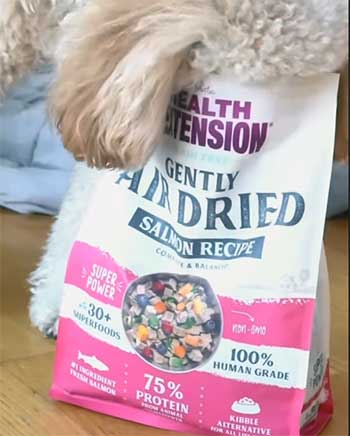
I have a rescue mix named Barnaby who is, to put it mildly, a digestive nightmare.
For the first two years of his life, we cycled through what felt like every “premium” brand on the market.
The grain-free stuff made him lethargic; the vet-prescribed science diets gave him dry, flaky skin; and the raw food diet was simply unsustainable for my budget and freezer space.
I was at my wit’s end, cleaning up loose stools and watching him grudgingly eat only when he was starving.
I stumbled upon Health Extension (specifically the Original Chicken & Brown Rice recipe) after a fellow dog owner at the park mentioned it was the only thing her fussy Yorkie would eat.
She mentioned it was family-owned and had never had a recall, which immediately piqued my interest. I ordered a small bag, fully expecting another rejection.
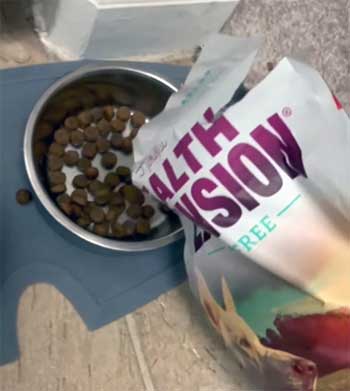
When the bag arrived, the first thing I noticed was the smell. It didn’t have that greasy, industrial scent that most kibble has. It smelled savory, almost like actual roasted chicken. I poured a small amount into Barnaby’s bowl, mixing it with his old food to be safe. To my shock, he didn’t just pick around it; he actively dug out the Health Extension pieces and left the old kibble behind. That was the first victory.
Over the next month, the physical changes were even more impressive than his appetite. The constant scratching that used to keep us up at night stopped completely. His coat, which had always been coarse and dull, started to develop a genuine shine. I realized later this was likely due to the coconut oil and apple cider vinegar in the formula—ingredients I had never seen in standard dog food before.
The transition wasn’t entirely seamless; because the food is nutrient-dense, I actually overfed him at first, leading to a bit of weight gain. I had to learn that a little goes a long way with this brand. But seeing Barnaby excited for mealtime, dancing around his bowl for the first time in years, was worth every penny. It felt less like I was feeding him “dog feed” and more like I was nourishing him.
Read more: My Thoughts On Heart to Tail Dog Food
Pros Of Health Extension Dog Food
- Pristine Safety Record: In an industry plagued by constant recalls and contamination scares, Health Extension stands out as a unicorn. Since its founding, the company boasts that it has never had a recall on its dry food products. This is a massive reassurance for pet parents who live in fear of the next headline about dangerous toxins in kibble. This safety record suggests rigorous quality control and a manufacturing process that prioritizes safety over speed, giving you peace of mind that you aren’t gambling with your dog’s health at every meal.
- Holistic “Superfood” Ingredients: Unlike standard brands that rely solely on synthetic vitamin packs to meet nutritional minimums, Health Extension incorporates whole-food ingredients that you might find in a health food store. Their formulas include organic apple cider vinegar, ginger, turmeric, and coconut oil. These aren’t just marketing buzzwords; turmeric is a powerful anti-inflammatory for joints, ginger aids digestion, and apple cider vinegar helps balance stomach pH. This “food as medicine” approach offers systemic benefits that go beyond just filling your dog’s stomach.
- Digestibility for Sensitive Stomachs: A major selling point is the inclusion of prebiotics and probiotics (like Lactobacillus acidophilus) directly in the formula. Many dogs suffer from “leaky gut” or general dysbiosis caused by poor-quality fillers in other foods. Health Extension pairs these probiotics with highly digestible grains like brown rice and oatmeal, rather than cheap fillers like corn or soy. This combination creates a gentle diet that is often tolerated by dogs who typically vomit or have loose stools on other “premium” commercial brands.
- Palatability for Picky Eaters: One of the most common praises for this brand is that even the most stubborn dogs love the taste. This is likely due to the use of real, deboned chicken (or other proteins) as the first ingredient and the inclusion of chicken fat, which is highly satisfying for canines. They also offer a “Little Bites” version which is incredibly popular for toy breeds. The tiny kibble size allows small dogs to chew comfortably, releasing more flavor and preventing the “gulping” that often happens when small dogs try to eat standard-sized kibble.
- No “Mystery Meats” or By-Products: You will not find vague terms like “meat meal” or “poultry fat” on the ingredient label. Health Extension is transparent about their sourcing, using named protein sources like “Chicken Meal” or “Lamb.” While some people avoid “meal,” named meat meals are actually a concentrated source of protein that removes the water weight, providing more nutrition per cup than fresh meat alone. Crucially, they avoid by-product meals (beaks, feet, and feathers), ensuring your dog is getting muscle meat and quality tissue.
- Family-Owned Integrity: The company is family-owned and operated, which often translates to a different set of priorities compared to massive conglomerates owned by investment firms. They market themselves as “Vets Choice,” and their smaller scale allows them to maintain relationships with trusted suppliers. This independence means they are less likely to cut corners on ingredients to squeeze out an extra cent of profit for shareholders, maintaining the “original formula” integrity that many corporate buyouts often destroy.
Cons Of Health Extension Dog Food

- Premium Price Tag: Quality ingredients like organic chicken and turmeric come at a cost. Health Extension is significantly more expensive than grocery store brands like Purina Dog Chow or Pedigree. If you have a large breed dog—a Great Dane or a German Shepherd—you will go through bags quickly, and the monthly cost can become a burden. While it is cheaper than raw or fresh-frozen diets, it sits at a price point that might be prohibitive for families on a strict budget.
- Availability Can Be Spotty: You generally cannot find this brand in big-box stores like Walmart or Target. It is typically sold in specialty pet boutiques or online via Chewy and Amazon. This means you have to be organized. If you run out of food on a Sunday night, you can’t just run to the local 24-hour store to pick up a bag. You are reliant on shipping times or the operating hours of niche pet stores, which can be stressful if a delivery gets delayed.
- Grain-Inclusive Isn’t for Everyone: While the “grain-free” trend is controversial (due to DCM concerns), some dogs genuinely have allergies to grains like rice or oatmeal. Health Extension’s most popular lines are grain-inclusive. While they do offer grain-free options, their core identity is built around wholesome grains. If your dog has a confirmed allergy to rice or oats, you will have to be very careful to select their specific grain-free recipes, which are often harder to find and more expensive.
- Use of Chicken Fat: Even in non-chicken recipes (like Lamb or Salmon), you will often find “Chicken Fat” listed as a preservative or flavor enhancer. While chicken fat is highly nutritious and usually doesn’t trigger allergies in dogs allergic to chicken protein, it can be a risk for dogs with extreme sensitivities. If you are trying to conduct a strict elimination diet to rule out poultry entirely, the ubiquitous presence of chicken fat in their product line can make this brand unsuitable for your specific medical needs.
- Calorie Density Risks: Because this food is nutrient-dense and high in fat (to ensure palatability and coat health), it is very easy to overfeed. Owners transitioning from a filler-heavy food like Kibbles ‘n Bits are used to filling the bowl to the brim. If you do that with Health Extension, your dog will gain weight rapidly. It requires a strict adherence to measuring cups, which can be a nuisance for owners who prefer to “free feed” or eyeball their dog’s dinner.
- Garlic in Ingredients: Some of their formulas list a trace amount of garlic. While the company states this is for immune support and is in safe, non-toxic quantities, garlic is technically toxic to dogs in large amounts. This can be a red flag for ultra-cautious pet owners who prefer to avoid any “gray area” ingredients entirely. Although there are no reports of toxicity from the food, seeing it on the label can be a source of anxiety for some.
Also read: My Thoughts On Go! Solutions Dog Food
Maintenance Tips For Health Extension Dog Food
- Transition Slowly: Even though Health Extension is gentle, you should never switch dog foods cold turkey. The probiotics and rich ingredients can shock a system used to lower-quality food. Follow a “7-Day Switch” rule: Mix 25% new food with 75% old food for two days, then 50/50 for two days, then 75% new for two days, before going 100% Health Extension. This gradual introduction gives the gut microbiome time to adjust to the new nutrient profile and prevents the dreaded “transition diarrhea.”
- Store in an Air-Tight Container: Because Health Extension uses natural preservatives (like mixed tocopherols/Vitamin E) rather than strong artificial chemicals, the food has a shorter shelf life once opened. It is sensitive to oxidation. Do not just leave the bag rolled up with a clip. Pour the kibble into a high-quality, air-tight plastic or stainless steel container and keep it in a cool, dark place. This preserves the potency of the vitamins and prevents the fats from turning rancid, which can make your dog sick.
- Hydrate the Kibble: To maximize the benefits of the holistic ingredients, consider adding a splash of warm water or bone broth to the kibble before serving. This releases the aroma of the savory fats, making it even more appealing, but more importantly, it helps with hydration. The freeze-dried or dry components (like the probiotics) can activate better in a moist environment, and it aids digestion, especially for dogs who tend to gulp their food without chewing.
- Rotate Proteins (If Possible): If your dog does not have severe allergies, try to rotate between Health Extension’s different recipes (e.g., Chicken one month, Lamb the next). This “rotational feeding” helps prevent your dog from developing allergies to a specific protein source due to overexposure. It also keeps mealtime exciting. Health Extension formulates their line to make this switching relatively easy, but always do a mini-transition (2-3 days) when swapping flavors just to be safe.
- Monitor Weight Closely: As mentioned, this food is calorie-dense. Do not trust the feeding guidelines on the back of the bag blindly; they are often generalized estimates. Start with the lower end of the recommended amount for your dog’s weight. Check your dog’s ribs weekly; you should be able to feel them but not see them. If your dog starts looking a bit “sausage-like,” reduce the portion by 10% immediately. It is much easier to prevent obesity than to reverse it.
- Check the Expiration Date: Since this is a more natural product with fewer preservatives, you need to be vigilant about “Best By” dates. When buying online (especially from third-party sellers on Amazon), always check the date as soon as the bag arrives. If it is within two months of expiring, send it back. You want the freshest batch possible to ensure the probiotics are still active and effective.
Comparison with Other Brands
- Blue Buffalo:
- Marketing vs. Reality: The “LifeSource Bits” Difference: Blue Buffalo is famous for its “LifeSource Bits”—those dark, cold-formed kibble pieces containing vitamins. While innovative, many dogs actually spit these out because they taste bitter. Health Extension incorporates their holistic ingredients directly into the kibble or uses a more uniform approach, which often results in less waste and “bowl picking.”
- Recall History: Safety First: Blue Buffalo has had several high-profile recalls over the years and has been involved in lawsuits regarding ingredient labeling (specifically regarding poultry by-products). Health Extension boasts a clean record with no recalls, making it the superior choice for owners who prioritize trust and safety history over brand recognition.
- Availability: Convenience: Blue Buffalo wins on convenience; you can buy it at almost any grocery store. Health Extension requires planning as it is mostly found in specialty stores or online.
- Wellness Core:
- Protein Content: High Protein vs. Balanced: Wellness Core is a high-protein, grain-free line that is excellent for active dogs. However, for a standard house dog, the protein levels can sometimes be too high, leading to loose stools or weight gain. Health Extension offers a more moderate protein level (usually around 24-27%) that is often better suited for the average family pet with moderate activity levels.
- Ingredients: Superfoods: Both brands love “superfoods,” but Health Extension’s specific use of apple cider vinegar and coconut oil distinguishes it. Wellness focuses more on glucosamine and chondroitin for joints. If your dog has skin issues, Health Extension’s ingredient profile (coconut oil) might be slightly better; if they have joint issues, Wellness might have the edge.
- Palatability: The Taste Test: Anecdotally, Health Extension “Little Bites” are frequently cited as being more palatable to picky small breeds than Wellness Small Breed formulas, which some dogs find bland.
- Royal Canin:
- Philosophy: Science vs. Holistic: Royal Canin is built on “science,” often using corn, wheat gluten, and by-product meals to create precise nutrient profiles. Health Extension is “holistic,” avoiding these fillers in favor of whole foods. If you prefer a “clean label” where you recognize every ingredient, Health Extension is the clear winner.
- Specificity: Breed vs. Size: Royal Canin offers food for specific breeds (e.g., “Yorkie Food,” “Bulldog Food”). Health Extension focuses on size (e.g., “Little Bites,” “Large Breed”). While Royal Canin’s kibble shapes are scientifically designed for specific jaws, many owners find the ingredient quality of Health Extension superior, preferring to feed whole chicken over corn gluten meal regardless of the kibble shape.
Frequently Asked Questions (FAQ)
Yes, Health Extension is widely considered a high-quality, premium dog food. It receives high ratings (typically 4.5 to 5 stars) from independent review sites like Dog Food Advisor. Its reputation is built on its “Vets Choice” roots, the use of whole food ingredients like organic chicken and brown rice, and the exclusion of cheap fillers like corn, wheat, and soy. The inclusion of probiotics and holistic additives like apple cider vinegar adds value beyond standard nutrition.
No. As of the time of this writing, Health Extension takes great pride in stating that they have never had a recall on their dry food products in their company’s history. This is a significant achievement in the pet food industry and is a primary reason many pet owners switch to this brand from larger competitors who have faced contamination issues.
Health Extension is a family-owned and operated company. It was originally founded as “Vets Choice” and has been run by the same family for three generations. The food is manufactured in the United States, and the company emphasizes that they source their ingredients from trusted suppliers to maintain their strict quality control standards.
Health Extension offers both grain-inclusive and grain-free options. Their classic and most popular line (Original) is grain-inclusive, using high-quality grains like brown rice and oatmeal. However, they do have a specific “Grain Free” line (e.g., Buffalo & Whitefish recipe) for dogs with diagnosed grain allergies. This variety allows owners to choose the philosophy that best fits their dog’s needs.
Conclusion
Health Extension Dog Food offers a compelling middle ground between ultra-expensive raw diets and questionable mass-market kibble. It provides a holistic, safe, and highly palatable option for pet owners who want to see real ingredients in their dog’s bowl. While the price and availability may require some adjustment to your routine, the peace of mind that comes from their spotless safety record is invaluable. You should buy this product at the official Health Extension website or Chewy to ensure you are giving your dog the best chance at a healthy, vibrant life.