
If you want the quick verdict: Yes, Goodlands is a solid choice for pet owners who value transparency and digestive health, but it isn’t a perfect “top-tier” protein bomb. It sits comfortably in the “premium mid-range” category—better than grocery store junk, but not quite as protein-dense as the ultra-expensive boutique brands. If you are paranoid about sourcing (and frankly, we all should be), their traceability feature is a massive selling point that justifies the price.
My Experience With Goodlands Cat Food
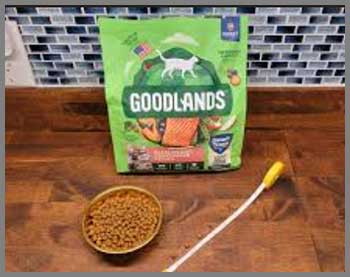
I live with a Tabby named Barnaby who is, to put it mildly, a nutritional nightmare.
He has a stomach that rebels against everything and a palate that changes with the wind.
For years, I cycled through the big-name “natural” brands.
Some gave him dry skin; others he simply refused to touch after three days.
I was frustrated, standing in the pet aisle, reading labels that listed “meat by-product” and wondering what on earth that actually meant.
I stumbled upon Goodlands while looking for something that specifically mentioned probiotics on the front of the bag, not just in the fine print. The packaging caught my eye immediately—not because of a cute cat photo, but because of a QR code that promised I could trace the ingredients. It felt like a challenge. “Prove it,” I thought.
I bought the Chicken & Vegetables recipe. When I got home, I actually scanned the code. It was surprisingly cool to see exactly where the chicken and even the vitamins came from. It gave me a sense of control I didn’t realize I was missing. But the real test was the bowl.
The kibble pieces are small and circular, which I appreciate because Barnaby has a tendency to inhale his food without chewing. The smell was earthy—more like dried meat and grains than the greasy, fast-food scent of cheaper kibbles. I mixed it with his old food, bracing for the inevitable protest.
To my shock, he picked out the Goodlands pieces and left the old stuff behind.
We are now four months in, and the changes are subtle but significant. The “litter box clear-out” smell that used to haunt my laundry room has decreased dramatically, which I credit to the probiotics (Bacillus coagulans) in the formula. His coat, usually prone to dandruff in the winter, is sleek and shiny. The only hiccup was finding it in stock consistently at my local store, forcing me to set up an online subscription to ensure we didn’t run out. It’s not a miracle cure, but for a cat with a sensitive tummy and a suspicious owner, it has been a reliable, honest staple in our pantry.
Read more: My Thoughts On Catit SmartSift Automatic Sifting Cat Litter Box
Pros Of Goodlands Cat Food
- Unmatched Ingredient Transparency: In an industry famous for vague labeling, Goodlands plays an open hand. Their “Smart Trace™” technology is not just a gimmick; it is a functional tool. You can scan the bag and see the origin of the ingredients for that specific batch. If you are worried about sourcing safety—especially after the various pet food recalls of the last decade—this feature offers peace of mind that very few other brands provide. You know if the vitamins came from Europe or if the chicken is from the USA.
- Animal Protein is Always First: Whether you choose the Chicken or Salmon formula, fresh meat is the number one ingredient. This is the baseline requirement for any decent cat food, but Goodlands sticks to it rigidly. They use cage-free chicken and sustainably sourced salmon. While they do use meals (concentrated protein) further down the list, starting with the real thing ensures your cat is getting high-quality amino acids right off the bat, rather than a corn-based substitute.
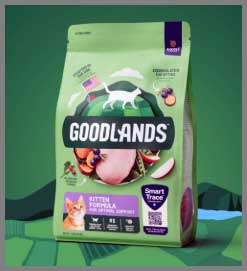
- Built-In Digestive Support: Gut health is trendy for humans, but it is critical for cats. Goodlands includes Bacillus coagulans, a hardy probiotic strain that survives the manufacturing process better than many others. This helps regulate digestion and can improve stool quality. If your cat suffers from occasional soft stool or gas, having a daily dose of probiotics built into their meal is much easier and cheaper than buying separate supplement powders to sprinkle on top.
- No Artificial “Nasties”: You won’t find Red 40, Yellow 5, or artificial preservatives like BHA/BHT in these bags. The kibble is brown because that is the color of cooked meat and grains. They rely on natural preservatives like mixed tocopherols (Vitamin E). For cats with allergies or sensitivities to chemical additives, this “clean label” approach prevents common skin reactions and hot spots.
- Superfood Inclusions: Beyond just meat and vitamins, the formula includes a blend of superfoods like kale, blueberries, spinach, and cranberries. While cats are obligate carnivores, these additions provide natural sources of antioxidants and phytonutrients that support immune health and urinary tract function (especially the cranberries) without relying solely on synthetic vitamin packs.
Cons Of Goodlands Cat Food
- Heavy Reliance on Plant Proteins: While fresh meat is the first ingredient, you have to look at the next few lines. The formula often includes soybean meal and corn gluten meal. These are plant-based protein boosters. While they boost the “Crude Protein” percentage on the label, cats do not absorb plant protein as efficiently as animal protein. For a premium-marketed brand, using corn and soy is a cost-cutting measure that might turn off strict “ancestral diet” advocates who want zero grains or fillers.
- Inconsistent Availability: This is not a brand you can find at every gas station or grocery store. It has spotty distribution compared to giants like Purina or Meow Mix. There are times when it might be out of stock at major retailers, leaving you scrambling. If you are not good at planning ahead and ordering online, you might find yourself standing in a store aisle at 9 PM realizing they don’t carry the only food your cat eats.
- The “Natural” Taste Barrier: Because Goodlands doesn’t use heavy artificial flavor enhancers or animal digest sprays that cheaper brands use to addict cats, some felines might not recognize it as “food” immediately. If your cat is used to the “McDonald’s” equivalent of cat food (high salt, high fat, strong artificial smell), they might turn their nose up at this healthier, milder option initially. It requires patience during the transition.
- Price Per Pound Variance: Depending on where you buy it, the price can fluctuate weirdly. The small bags often have a high markup, making it feel expensive. You really have to commit to the larger bags to get a good economic value. For a single-cat household living in a small apartment, storing a large bulk bag to get a decent price isn’t always feasible.
- Carbohydrate Content: Despite the “Goodlands” farm-fresh imagery, this is still a dry kibble that requires starch to bind it together. Ingredients like whole ground corn and brown rice push the carbohydrate content higher than what you would find in a wet food diet or a high-end grain-free kibble. If you have a diabetic cat or an overweight cat that needs a strictly low-carb diet, this might not be the ideal choice without strict portion control.
Maintenance Tips For Goodlands Cat Food
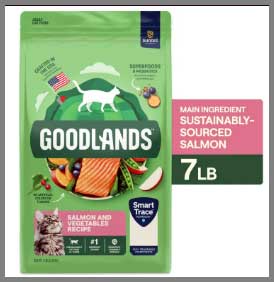
- Use the Resealable Strip Properly: The probiotics in Goodlands are living organisms (dormant, but alive). Moisture and air are their enemies. The bags usually come with a press-to-close seal. Do not just roll the top of the bag down and clip it with a clothespin. You need to squeeze the air out and press that seal tight every single time. If the seal breaks (which happens), transfer the food to an airtight container immediately to preserve the potency of the nutrients and keep the fats from going rancid.
- Hydration is Non-Negotiable: Because this is a dry kibble with corn and rice, it is dehydrating. Cats have a low thirst drive. You cannot rely on them to drink enough water from a bowl to compensate for a dry diet. I strongly recommend pairing this food with a wet topper or adding warm water to the kibble (making a “gravy”) to ensure your cat’s kidneys stay flushed. This is especially important if you are using the dry food as their sole source of calories.
- Rotate Proteins if Possible: Goodlands offers both Chicken and Salmon recipes. If your cat isn’t sensitive, try to alternate between the bags every few months. This prevents your cat from developing an intolerance to a single protein source and keeps them interested in their meals. Just remember to do a “mini-transition” over 2-3 days when switching flavors to avoid upsetting their stomach.
- Scan the Code Periodically: Don’t just scan it once for novelty. Check it every few bags. Supply chains change. A crop failure in one region might mean they source ingredients from a different location next month. Being an active, informed consumer is the whole point of buying this brand. If you see a sourcing change that you aren’t comfortable with, you will know immediately rather than guessing.
- Clean the Bowl Daily: This sounds obvious, but the probiotics and natural fats in the food can leave a biofilm on the bowl faster than highly processed foods. If you leave the bowl unwashed for days, that residue can harbor bacteria that causes chin acne (feline acne). Wash the bowl with hot, soapy water after every meal to keep your cat’s skin clear and the food tasting fresh.
Comparison with Other Brands
- Goodlands vs. Blue Buffalo: This is the most natural comparison. Both brands market themselves on “real meat first” and “antioxidant protection” (Blue has LifeSource Bits; Goodlands has Superfoods). The difference is in the fillers: Blue Buffalo often uses peas and potatoes in their grain-free lines, which have had some controversy regarding heart health (DCM). Goodlands often sticks to traditional grains like corn and brown rice. If you prefer grains over legumes, Goodlands is the safer pick. If you want variety and specific prescriptions, Blue Buffalo has a much wider product range.
- Goodlands vs. Purina ONE: Purina ONE is the “grocery store premium” king. It is cheaper and available everywhere. The trade-off is ingredients: Purina ONE almost always uses “Chicken By-Product Meal” and potentially artificial colors depending on the SKU. Goodlands is a significant step up in ingredient quality (No by-products, better traceability). If your budget allows the extra few dollars per month, Goodlands offers cleaner nutrition. If convenience and budget are paramount, Purina ONE is a passable alternative, but you lose the traceability.
- Goodlands vs. Orijen/Acana: Orijen is the “gold standard” of kibble—high protein, almost no fillers, very expensive. The reality check: Goodlands is not in the same league as Orijen. Orijen is 85-90% animal ingredients; Goodlands relies heavily on soy and corn to bulk up the protein. However, Goodlands is half the price. If you want the absolute best, buy Orijen. If you want a “better than average” food that doesn’t cost $100 a bag, Goodlands is the sensible middle ground.
- Goodlands vs. Friskies/Meow Mix: There is no contest here. Friskies and Meow Mix are essentially corn-flavored candy for cats. Their first ingredients are usually Ground Yellow Corn. Goodlands starts with Real Chicken.
- The health impact: Feeding Goodlands over Friskies will likely result in less shedding, smaller stools, and better energy levels. The price jump is steep, but you will save money on vet bills for obesity and diabetes down the road by avoiding the sugar-loaded cheap brands.
Also read: My Thoughts On Natural Balance Cat Food
Frequently Asked Questions (FAQ)
Yes, it is considered a solid, mid-tier premium brand. It stands out for its safety and transparency. While it does use some plant-based fillers like corn and soy, the use of real meat as the first ingredient and the inclusion of probiotics make it nutritionally superior to standard grocery store brands.
Goodlands is a private label brand that emphasizes its “Smart Trace” technology. The packaging typically states it is “Crafted in the USA” with ingredients sourced globally (and traceable). While the specific parent manufacturing plant isn’t always advertised on the front, the brand is often associated with pet specialty retailers like Pet Valu or Pet Supermarket as an exclusive house brand.
As of my current research, there are no widely reported public recalls specifically for the Goodlands brand. Their heavy emphasis on traceability and quality control is designed to prevent exactly this. However, recall status can change overnight, so it is always wise to check the FDA website or the manufacturer’s site regularly.
Goodlands generally produces an “Adult” formula (Chicken or Salmon) that is suitable for indoor cats. They rely on the fiber from superfoods and probiotics to manage weight and hairballs rather than having ten different specific sub-formulas. The calorie count is moderate, making it appropriate for indoor cats if portioned correctly.
Conclusion
Goodlands cat food is a refreshing option for the skeptical pet parent. It strips away the mystery of what you are feeding your animal. While it may rely a bit too heavily on plant proteins to be considered a “top-tier” ancestral diet, the combination of traceability, probiotics, and affordability makes it a fantastic upgrade for anyone currently feeding their cat supermarket kibble. If you want to verify exactly what goes into Barnaby’s bowl, I recommend trying the Chicken & Vegetable Recipe—just keep your phone handy to scan that code.