
Choosing between original Gatorade and Gatorade Zero is less about which drink is “better” in a vacuum and more about defining your mission. I have consumed gallons of both over the years—relying on the sugary original to power through grueling three-hour football practices in the heat, and switching to the Zero version during office days where I just wanted flavor without the caloric penalty.
If you are an endurance athlete needing rapid fuel to prevent bonking, the original Thirst Quencher is still the king. However, if you are managing your weight or doing light exercise, Gatorade Zero offers the electrolytes you need without the sugar crash.1
A Brief Comparison Table
| Feature | Gatorade (Thirst Quencher) | Gatorade Zero |
| Primary Ingredient | Water, Sugar, Dextrose | Water, Citric Acid, Sweeteners |
| Calories (20oz bottle) | ~140 calories | 0-10 calories |
| Carbohydrates | ~36g (Sugar) | <1g |
| Sweetener | Sugar / Dextrose | Sucralose & Acesulfame Potassium |
| Electrolytes | Sodium (270mg), Potassium (75mg) | Sodium (270mg), Potassium (75mg) |
| Best Use Case | High-intensity endurance sports | Low-carb diets, light exercise |
| Mouthfeel | Syrupy, thicker | Watery, lighter |
| Glycemic Impact | High (Spikes blood sugar) | Negligible |
| Fuel Source | Fast-acting carbs | None (Hydration only) |
| Price Point | Standard | Standard (often identical) |
My Experience With Gatorade (Original)
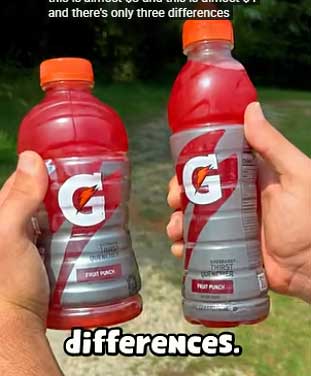
There is a specific nostalgia attached to the original Gatorade Thirst Quencher.
I vividly remember the first time I really needed it.
I was mile 15 into a long-distance cycle, my legs were feeling like lead, and water just wasn’t cutting it.
I stopped at a gas station and grabbed a Lemon-Lime.
The first sip was electric. Because of the high sugar content, you can almost feel it hitting your bloodstream immediately.
It doesn’t just hydrate you; it wakes you up.
The texture is distinct—it is slightly thicker than water, almost syrupy, which coats your mouth and signals to your brain that fuel is incoming.
However, using it outside of that high-performance window has always been a mistake for me. Drinking a full-sugar Fruit Punch while sitting at my desk resulted in a jittery sugar high followed by a sluggish crash an hour later. It is a tool, not a casual beverage. The flavor is bold, aggressive, and incredibly sweet. If you are sweating buckets, that sweetness is palatable. If you are sedentary, it feels like drinking liquid candy. It is the heavy artillery of hydration: necessary for the battlefield, but overkill for a walk in the park.
Pros Of Gatorade (Original)
- Rapid Glycogen Replenishment: The primary advantage of original Gatorade is its carbohydrate content. When you exercise intensely for more than 60 minutes, your body depletes its glycogen stores (sugar stored in muscles). The sugar and dextrose in Gatorade are simple carbohydrates that digest instantly, shooting glucose into your bloodstream to refuel your muscles mid-activity. Water cannot do this; Zero cannot do this. If you are running a marathon or playing a full 90-minute soccer match, this “sugar spike” is actually a performance-enhancing feature, not a bug.
- Proven Electrolyte Ratios: Gatorade has spent decades refining its formula to match the average sweat loss of an athlete. It provides a significant hit of sodium (salt) and potassium.2 Sodium is critical because it triggers the thirst mechanism (making you drink more) and helps your body hold onto fluid rather than just peeing it out immediately. The original formula balances this salty delivery with enough sugar to help the intestine absorb fluid faster than water alone. This “active transport” mechanism is why it hydrates faster than plain water in dire situations.
- Palatability Encourages Drinking: Let’s be honest: water can get boring. When you are exhausted, the drive to drink decreases. The flavor profile of original Gatorade is scientifically engineered to be “chuggable.” The sweetness and tartness mask the taste of the salt, encouraging athletes to consume more fluid than they would if they were just drinking tap water. In high-heat scenarios where dehydration is a safety risk, the fact that it tastes good ensures you actually drink enough volume to stay safe.
- Immediate Energy Boost: Beyond hydration, the caloric density provides a tangible energy boost. If you are feeling “bonkish” (the feeling of hitting the wall), the 30+ grams of sugar acts as immediate rocket fuel for your brain and body. It clears the mental fog that comes with exhaustion. For laborers working in the sun or athletes in the fourth quarter, those calories are essential units of energy that translate directly into work output.
Cons Of Gatorade (Original)
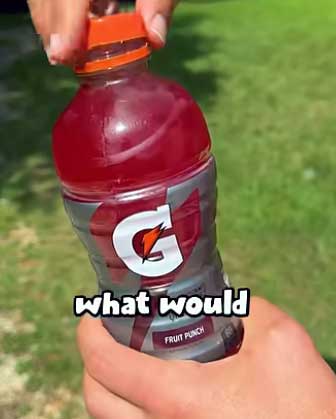
- Massive Sugar Load: The biggest downside is obvious: sugar. A standard 20oz bottle contains roughly 34-36 grams of added sugar.3 That is nearly the daily recommended limit for an adult in a single drink. If you are not burning those calories off immediately through intense exercise, your body stores them as fat. Regular consumption by sedentary people is a direct contributor to weight gain, insulin resistance, and Type 2 diabetes.4 It turns a “sports drink” into little more than flat soda from a nutritional standpoint if you aren’t moving.
- Dental Erosion Risk: Gatorade is highly acidic (citric acid) combined with high sugar.5 This is a nightmare for tooth enamel. The acid softens the enamel, and the sugar feeds bacteria that cause cavities. I have heard dentists refer to “Gatorade mouth” in athletes who sip on it constantly. Swishing this sugary, acidic liquid around your mouth for hours during a game can do significant damage to your teeth over time, arguably more than quickly drinking a soda would.
- The “Sugar Crash” Effect: While the energy spike is great during a game, the aftermath can be unpleasant. Once the insulin spike handles the massive influx of sugar, your blood sugar levels can plummet, leading to lethargy, hunger, and irritability. If you drink this with lunch, you might find yourself falling asleep at your desk by 2:00 PM. It creates a roller-coaster of energy levels that is disruptive to a normal workday.
- Artificial Dyes: The original line is famous for its neon colors—Cool Blue, Fruit Punch Red, Lemon-Lime Green. These are achieved through artificial food dyes like Red 40, Blue 1, and Yellow 5. While FDA approved, many health-conscious consumers and parents try to avoid these synthetic additives due to concerns about sensitivities or behavioral links in children.6 It is definitely not a “natural” product.
Read more: My Thoughts on Kuii Coconut Milk Drink
Maintenance Tips For Gatorade (Original)
- Storage and Shelf Life: Gatorade is shelf-stable, meaning you can store unopened bottles in a pantry for months (check the expiration date). However, heat degrades the plastic bottle and the flavor compounds over time. Do not leave cases of Gatorade in a hot car trunk or a garage that gets above 90°F for weeks. The heat can cause the plastic to leach trace chemicals into the drink and make the flavor taste “off” or plasticky. Store it in a cool, dark place like a basement or a kitchen cabinet.
- Refrigeration After Opening: Once you crack the seal, the clock starts ticking. Because it is full of sugar, bacteria love Gatorade. You must refrigerate it after opening. If you leave an open bottle of original Gatorade in a gym bag or a hot car for more than 24 hours, do not drink it. It can ferment or grow mold remarkably fast due to the carbohydrate food source. Treat it like juice, not water.
- Dilution for Moderate Activity: If you find the flavor too strong or want to cut the sugar but still want the specific taste of the original, a great “maintenance” tip for your body is to dilute it. I often mix it 50/50 with water. This gives you a lighter flavor and half the sugar while still providing some electrolytes. This is often the preferred method for youth sports, where a full bottle might be too much sugar for a 10-year-old.
- Protecting Your Teeth: To “maintain” your dental health while using this product, try to drink it through a straw if possible, which bypasses the teeth. More importantly, do not brush your teeth immediately after drinking it. The acid softens your enamel, so brushing right away can scrub the enamel off. Instead, rinse your mouth with plain water to neutralize the acid, wait 30 minutes, and then brush.
My Experience With Gatorade Zero
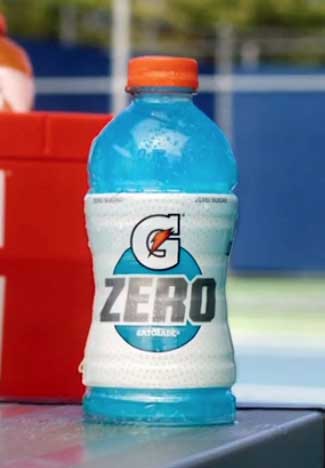
I jumped on the Gatorade Zero bandwagon when I started a low-carb diet.
I missed the ritual of having a “reward” drink after a workout but couldn’t afford the 36 grams of sugar in the original.
The first sip was… different. It lacks the “heavy” mouthfeel of the original.
It tastes thinner, more like flavored water than a syrup-based drink.
You can definitely taste the artificial sweetener (sucralose), which has that distinct lingering sweetness that sits on the back of the tongue.
However, after a week, I adjusted. The best part about Zero is the lack of guilt.
I could drink a 28oz bottle after a light 30-minute jog and not feel like I had just negated my entire workout by drinking back the calories. It hydrates well—I felt the same relief from thirst—but without the sticky, sugary coating in my mouth. It felt cleaner. I also noticed I didn’t get the afternoon sleepy spell that the original gave me. It became my go-to for yard work, hiking, and desk hydration when I was just sick of plain water.
Pros Of Gatorade Zero
- Calorie and Sugar-Free Hydration: The undisputed champion feature of Gatorade Zero is the nutrition label: 0 grams of sugar and effectively 0 calories.7 For the 99% of us who are not professional athletes burning 4,000 calories a day, this is the superior choice. It allows you to replenish electrolytes lost through sweat without adding to your daily caloric load.8 If you are trying to lose weight but struggle with hydration, this is a tool that keeps you drinking without sabotaging your diet.
- Diabetic and Keto Friendly: Because it uses artificial sweeteners (Sucralose and Acesulfame Potassium) instead of dextrose/sugar, it has a negligible impact on blood glucose and insulin levels.9 This makes it safe for diabetics who need to manage their blood sugar but still want a sports drink. It is also completely Keto-compliant. You can stay in ketosis while drinking it, which is a massive benefit for low-carb dieters dealing with “keto flu” (electrolyte imbalance).
- Same Electrolyte Content as Original: Gatorade didn’t water down the salts; they just removed the sugar. You get the same 270mg of sodium and 75mg of potassium per serving as the original Thirst Quencher. This means for pure hydration purposes (replacing fluid and salt), it is functionally identical to the original. You are getting the salt you need to prevent cramping without the sugar you don’t need.
- Lighter Consistency: Many people find the original Gatorade too thick or syrupy, especially when they are hot and gasping for air. Gatorade Zero has a viscosity much closer to water. It goes down easier and feels more refreshing to some palates because it doesn’t leave that sticky residue in the throat. It feels “colder” and crisper, which can be very appealing in the middle of a hot summer day.
Cons Of Gatorade Zero
- Artificial Sweetener Controversy: Gatorade Zero relies on Sucralose and Acesulfame Potassium.10 While deemed safe by major food safety agencies, these ingredients are controversial. Some people experience digestive bloating or headaches from them. There is also ongoing debate about whether artificial sweeteners can negatively impact the gut microbiome or trick the brain into craving more sweets later. If you are a “clean eating” purist who avoids chemicals, the ingredient list on Zero is a major turn-off.11
- No Energy Fuel: This is the flip side of the “Pros.” If you are actually running a marathon, Gatorade Zero is useless for energy.12 It provides salt, but it provides no fuel. Your muscles need glucose to keep firing after 90 minutes. If you drink only Zero during an endurance event, you will likely “bonk” or hit the wall because you aren’t replacing the glycogen you are burning. It is a hydration tool, not a fuel tool.
- Flavor Can Be Polarizing: The taste of artificial sweeteners is distinct. To some, it tastes metallic or chemically. It doesn’t have the rounded, full-bodied sweetness of real sugar. Certain flavors translate better than others (Glacier Cherry is generally liked, while Orange Zero can taste a bit like vitamin water). If you are sensitive to the aftertaste of diet sodas, you will likely dislike the flavor profile of Gatorade Zero.
- Hunger Signaling: Interestingly, some research suggests that consuming sweet-tasting drinks with zero calories can confuse the body’s hunger signaling mechanisms. Your brain tastes “sweet” and expects calories; when they don’t arrive, it might trigger hunger pangs, leading you to snack more later. While it saves liquid calories, it might inadvertently cause you to eat more solid food if you aren’t careful.
Maintenance Tips For Gatorade Zero
- Shake Before Drinking: Because Gatorade Zero uses different stabilizers and lacks the heavy sugar syrup to suspend everything, sometimes the electrolytes or flavor agents can settle slightly, or the consistency can feel uneven. I always give the bottle a quick shake before opening. This ensures the flavor is consistent from the first sip to the last.
- Serve Ice Cold: Artificial sweeteners tend to have a more prominent chemical aftertaste at room temperature. To “maintain” the best drinking experience, Gatorade Zero should be served as cold as possible. The cold temperature masks the sucralose aftertaste and makes the drink feel much crisper. If you have to drink it warm, be prepared for a much stronger artificial flavor profile.
- Mixing with Supplements: Since Gatorade Zero is essentially salty water with flavor, it makes an excellent base for other supplements. I often mix creatine or collagen powder into a bottle of Gatorade Zero. The strong flavor masks the taste of the powders better than plain water does. It’s a great “maintenance” hack for your supplement routine, knocking out hydration and vitamins in one go.
- Storage Warnings: Like the original, store it in a cool place. However, be aware that artificial sweeteners can break down over very long periods of time or in extreme heat, potentially altering the taste more than sugar would. If you find an old bottle of Zero in the back of the pantry that is past its “Best By” date, the sweetness might have faded significantly, leaving you with just salty, colored water.
Read more: My Thoughts on Nugenix GH Boost
Comparison with other brands
- Gatorade Zero vs. Powerade Zero: These are the direct rivals. Powerade Zero usually includes Vitamins B3, B6, and B12, which Gatorade Zero lacks. However, many users (including myself) find that Gatorade Zero has a slightly punchier, more recognizable flavor profile. Powerade Zero tastes a bit more watered down. Gatorade Zero matches the sodium levels of the original Gatorade, whereas Powerade has a slightly different electrolyte blend. If you want the vitamins, go Powerade; if you want the classic sports drink taste, go Gatorade Zero.
- Gatorade Original vs. BodyArmor: BodyArmor positions itself as the “natural” alternative. It uses coconut water for potassium and real sugar (cane sugar) rather than dextrose/corn syrup blends. BodyArmor is much thicker and higher in potassium but lower in sodium than Gatorade. For intense sweating, Gatorade’s higher sodium is actually better for retention. However, BodyArmor has no artificial dyes. If you want natural ingredients, BodyArmor wins; if you want pure athletic rehydration performance, Gatorade’s formula is more scientifically proven for sweat replacement.
- Gatorade Zero vs. Water: Water is the gold standard. For any activity under 60 minutes, water is all you need. It has no chemicals, no cost, and no side effects. Gatorade Zero is only “better” than water if you need the electrolytes (you are sweating heavily) or if you simply cannot get yourself to drink enough plain water. The flavor of Zero is a compliance tool to help you hydrate, but physiologically, water is superior for daily living.
- Gatorade vs. Pedialyte: Pedialyte is the medical grade option. It has significantly more sodium and less sugar than original Gatorade. It is designed for illness (diarrhea/vomiting) rather than sports. However, many athletes use it for recovery. Pedialyte tastes much saltier and thicker. Gatorade is formulated to taste good while running; Pedialyte is formulated to save you from dehydration at all costs. For a hangover or severe dehydration, choose Pedialyte. For a soccer game, choose Gatorade.
Frequently Asked Questions (FAQ)
“Healthy” is relative. Compared to sugary sodas or original Gatorade (for a sedentary person), Gatorade Zero is healthier because it prevents excess sugar intake.13 However, compared to water or herbal tea, it is less healthy due to the inclusion of artificial sweeteners (Sucralose), preservatives, and artificial dyes.14 It is a “harm reduction” choice, not a health food.
Technically, yes, for “gut rest” or autophagy fasting, because the artificial sweeteners can trigger an insulin response in some people. However, for weight loss fasting (Intermittent Fasting), it is generally considered acceptable (“dirty fasting”) because it has zero calories and will not stop fat burning.
For a healthy person, no. However, if you have Chronic Kidney Disease (CKD), you must be careful. Both Gatorade and Gatorade Zero contain significant amounts of sodium and potassium, which damaged kidneys struggle to filter.15 The artificial additives in Zero also add a filtration load. Consult a doctor if you have kidney issues before drinking electrolyte beverages.
In terms of fluid retention, they are nearly identical because they share the same electrolyte profile. However, during extreme endurance exercise, Original Gatorade hydrates better because the sugar helps speed up the absorption of fluids in the small intestine. For normal hydration (office, gym), they are equal.
Conclusion
In conclusion, if you are a serious athlete, a marathon runner, or someone working outdoors in the sweltering heat for hours, the Original Gatorade Thirst Quencher is still the best tool for the job. Your body needs that sugar for fuel, and the quick-absorbing carbs will keep you performing at your peak when water alone would fail you.
However, for the vast majority of us—gym-goers, office workers, and parents running errands—Gatorade Zero is the smarter choice. It gives you the delicious flavor and the necessary electrolytes to combat dehydration without the 34 grams of sugar that leads to crashes and weight gain.16 It allows you to enjoy the drink without the guilt. Assess your activity level: if you are burning fuel, buy the fuel (Original). If you are just thirsty, buy the hydration (Zero).