
I’ve been practicing yoga for over a decade now, trying out countless mats along the way. When it comes to choosing between Gaiam and Manduka, I wanted to figure out which one truly stands out for different needs. In this article, I share my honest take on both brands, breaking down their key features, strengths, weaknesses, and how they stack up against each other. My goal is to help you decide which mat fits your practice best, whether you’re just starting or have years on the mat.
A Brief Comparison Table
| Feature | Gaiam | Manduka |
| Price Range | Affordable, often $20–$80 | Premium, typically $100–$140 |
| Thickness Options | 3mm to 6mm, with thicker cushioned models | 6mm PRO standard, thinner PROlite available |
| Material | Mostly PVC, some eco-friendly options like cork | Closed-cell PVC (PRO), natural rubber options |
| Grip (Dry) | Good on textured surfaces | Excellent, performance grip texture |
| Grip (Sweaty) | Varies, some models slip when wet | Superior, stays grippy even in hot/sweaty sessions |
| Durability | Decent for casual use, may wear faster | Exceptional, lifetime-like with proper care |
| Weight/Portability | Lightweight, easy to carry | Heavier, less ideal for frequent travel |
| Cushioning | Plush in thicker models, joint-friendly | Balanced cushion, supportive without sinking |
| Best For | Beginners, budget buyers, home casual practice | Serious practitioners, hot yoga, long-term investment |
| Odor Upon Arrival | Often noticeable “new mat” smell | Minimal to none |
| Warranty | Limited, varies by model | Lifetime guarantee on many models |
My Experience With Gaiam
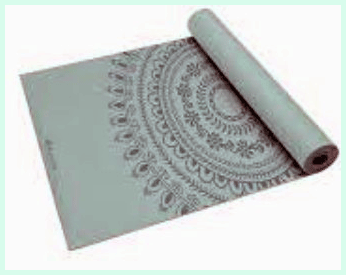
I started with a Gaiam mat years ago when budget was tight.
The colorful design motivated me to roll it out daily. Cushion felt great for restorative sessions, but during flows, my hands slid after a few sun salutations.
The smell faded eventually, but it took patience. Portability was a plus—I tossed it in my bag easily for studio classes.
Over time, edges curled slightly, and grip wore in spots. It served me well as a starter, teaching what I needed in a mat.
Pros Of Gaiam
- Affordability makes it accessible : Gaiam mats come at a fraction of the cost of premium brands, so you can experiment without worrying about wasting money if your practice changes.
- Variety of designs and colors : They offer fun patterns, prints, and reversible options that add personality to your practice space and make the mat feel less utilitarian.
- Lightweight and portable : Most models roll up easily and weigh little, which suits people who carry their mat to classes or travel occasionally.
- Extra cushion in thicker versions : The 6mm Essentials Thick model provides solid joint support, especially helpful if you have sensitive knees or prefer more padding during floor poses.
- Beginner-friendly grip on dry surfaces : The textured top layer holds well when your hands and feet are dry, giving new yogis confidence in basic poses.
- Eco-conscious options available : Some lines use cork or other sustainable materials, appealing to those who want to reduce environmental impact without high cost.
- Reversible feature in many models : You get two sides to use, extending the mat’s life and offering slight variations in texture or pattern.
- Wide availability : You find Gaiam mats in big retailers, online easily, and often on sale, making replacement straightforward.
- Good for gentle practices : If your sessions focus on restorative yoga or light stretching, the cushion and softness feel comforting.
- Quick to unroll and store : They don’t fight back when rolling or unrolling, and they store flat without much curling.
Also read: Comparison of Byredo And Diptyque
Cons Of Gaiam
- Grip weakens with sweat : Many models slip during hot or sweaty flows, forcing adjustments mid-pose and breaking focus.
- Shorter length in some options : Certain mats measure under standard 68-72 inches, which feels cramped for taller people in full stretches.
- Initial chemical odor lingers : New mats often have a strong plastic smell that takes days or weeks to fade, even with airing out.
- Durability issues over time : The surface can pill, peel, or develop indents after consistent use, especially in high-wear areas like hands and feet.
- Less stable on slick floors : Without enough weight, the mat shifts during dynamic movements, requiring constant readjustment.
- Thinner models lack support : 3-4mm versions feel too minimal for joint-heavy practices, leading to discomfort in knees or hips.
- Color fading or staining : Printed designs wear down or absorb dirt/oil marks that prove hard to clean fully.
- Not ideal for intense hot yoga : Moisture buildup reduces traction significantly, making poses like warrior sequences risky.
- Limited lifetime performance : Compared to pricier brands, they don’t hold up for years of daily practice without noticeable degradation.
- Occasional quality inconsistencies : Some users report uneven thickness or bubbles in the material right out of the package.
Maintenance Tips For Gaiam
- Wipe down after every use : Use a damp cloth with mild soap to remove sweat and dirt before it sets in and affects grip.
- Air dry completely : Hang or lay flat in a well-ventilated area to prevent mold or mildew from trapped moisture.
- Avoid direct sunlight : Prolonged exposure fades colors and weakens the material over time.
- Spot clean stains promptly : Use a yoga mat cleaner spray or vinegar-water mix for tough spots, then rinse lightly.
- Roll loosely for storage : Tight rolls create creases; store unrolled if possible or roll loosely to maintain shape.
- Use a mat towel for sweaty sessions : This absorbs moisture and protects the surface from oils and buildup.
- Rotate usage sides : If reversible, switch sides to even out wear and extend overall life.
- Vacuum occasionally : Remove dust and pet hair that embeds in texture.
- Avoid machine washing : Harsh agitation damages the PVC layer and adhesive.
- Inspect regularly : Check for tears or peeling and address early to prevent worsening.
My Experience With Manduka
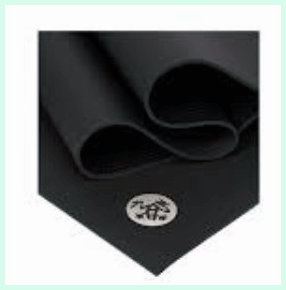
Switching to a Manduka PRO changed everything. The weight kept it planted, no slipping on hardwood. Grip held through sweaty hot yoga without a towel. No initial odor, which I loved. Cushion balanced support and ground feel perfectly. After years of near-daily use, it looks almost new with simple wiping. The investment paid off in reliability and focus during practice. For serious commitment, it feels unmatched.
Pros Of Manduka
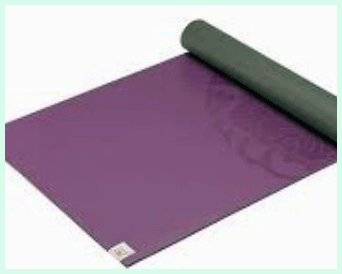
- Unmatched durability stands the test of time : The closed-cell construction resists tearing, pilling, or breaking down even after years of near-daily sessions—many users report their PRO lasting a decade or more with minimal wear.
- Superior grip in dry and sweaty conditions : The textured surface provides reliable traction that holds strong during flows; sweat actually improves stickiness rather than causing slips, making it ideal for hot yoga or intense practices.
- Balanced cushion without excessive sink : At 6mm thick (standard PRO), it offers joint protection for knees and hips while keeping you grounded and stable—no floating feeling that thicker mats sometimes create.
- Excellent stability on various floors : The dense, heavy build prevents shifting during dynamic movements like jumps or handstands, giving confidence in warrior sequences or inversions.
- Minimal initial odor : Unlike many PVC mats, Manduka arrives with little to no chemical smell, so you can unroll and practice right away without airing it out for days.
- Lifetime guarantee on key models : The brand backs their PRO line with a strong warranty, covering manufacturing defects and reinforcing the “buy once” philosophy.
- Closed-cell surface resists bacteria and moisture absorption : Sweat and oils stay on top instead of soaking in, which makes hygiene easier and reduces odor buildup over time.
- Wide width for comfort : At around 26 inches, it gives extra space for arm variations or wider stances without feeling cramped.
- Eco-conscious manufacturing in some lines : Options like eKO use natural rubber, appealing to those prioritizing sustainability alongside performance.
- Consistent performance across temperatures : Grip remains reliable in heated studios or cooler home spaces—no dramatic changes in feel.
Read more: Comparison of Redken All Soft And Pureology Hydrate
Cons Of Manduka
- Higher upfront cost : Prices often range from $100–$140 for the PRO, which feels steep compared to budget options and may deter casual or beginner users.
- Heavy and less portable : The dense 6mm build weighs around 7–8 pounds, making it cumbersome to carry long distances, bike to class, or pack for travel.
- Not the softest cushion : While supportive, some find it firmer than plush 6mm alternatives, potentially less forgiving for very sensitive joints during prolonged floor work.
- Break-in period for maximum grip : Fresh out of the box, the surface can feel slightly slick until natural body oils build up over a few uses.
- Limited color and design variety : Options lean toward solid, understated tones rather than bold patterns, which may feel plain if you prefer visual flair.
- Requires occasional deep cleaning : Sweat pools on the closed-cell top, so regular wiping prevents residue buildup that could affect texture over years.
- Not ideal for super hot or extremely sweaty practices without a towel : In very humid conditions, a thin layer of moisture can form, though grip usually recovers quickly.
- Thinner models sacrifice some joint padding : The PROlite (thinner version) trades cushion for portability, which may not suit everyone needing more support.
- Availability can vary : Popular colors or sizes sometimes sell out, requiring waits or hunting across retailers.
- Heavier rolling resistance : It doesn’t roll up as effortlessly as lightweight mats, and edges can curl slightly if stored rolled tightly for long periods.
Maintenance Tips For Manduka
- Wipe after every session : Use a damp cloth or Manduka’s mat wash spray with mild soap to remove sweat and oils before they dry and dull the grip.
- Air dry flat or hanging : Always let it dry completely in a ventilated spot to avoid trapped moisture leading to odors or mildew.
- Avoid machine washing the PRO : Official guidance warns against washers, as agitation can damage the closed-cell structure—stick to hand cleaning for longevity.
- Use a dedicated cleaner solution : Mix water with a few drops of dish soap or purchase a yoga-specific spray; harsh chemicals strip the surface texture.
- Spot treat stubborn marks : For dirt or scuffs, gently scrub with a soft brush and rinse lightly—never soak the entire mat.
- Store unrolled when possible : If space allows, lay it flat to prevent creases; otherwise, roll loosely with the top side out.
- Rotate ends periodically : Flip the mat end-to-end occasionally to even out wear from consistent hand/foot placement.
- Vacuum lightly for dust : Use a brush attachment to remove hair, lint, or small debris that collects in the texture.
- Break in gently : Practice a few sessions without heavy sweat to let the surface adapt before intense use.
- Inspect for wear yearly : Check edges and high-use zones; address minor issues early to extend life under the warranty.
Comparison With Other Brands
JadeYoga offers superior natural grip : Their rubber mats stick even better in wet conditions than most Gaiam or Manduka options.
Lululemon provides premium cushion : Thicker and softer feel appeals to those wanting more padding than standard Manduka.
Hugger Mugger focuses on alignment : Extra-long designs suit taller users better than many Gaiam models.
Manduka excels in longevity : Outlasts Gaiam significantly for daily heavy use.
Budget brands like Amazon Basics mimic Gaiam : Similar price and features but often lower quality control.
Cork options from Corkspace beat PVC grip : Eco-friendly and grippy when wet, unlike standard Gaiam PVC.
Liforme adds visual alignment cues : Printed guides help beginners more than plain Gaiam surfaces.
PRANA uses sustainable materials : Better environmental profile than basic Gaiam lines.
Manduka’s closed-cell design resists bacteria : Easier to maintain hygiene than porous Gaiam mats.
Higher-end like Liforme or Manduka justify cost : With warranties and performance that budget options lack.
Frequently Asked Questions (FAQ)
They offer decent quality for the price, especially for beginners or casual use, but they may not hold up as well under heavy, frequent practice.
It depends on your needs—Manduka often ranks highest for durability and grip, while others like Jade or Lululemon excel in specific areas.
Manduka edges out for longevity and consistent grip, but Lululemon provides more cushion and a luxurious feel.
High-quality materials, rigorous construction, lifetime durability, and strong brand reputation drive the cost, making it a long-term investment.
Conclusion: For Both Products
I have weighed both options through real practice sessions, and here’s what stands out to me. If you want an affordable entry point with style and basic comfort, go with Gaiam—it serves beginners and casual yogis perfectly without breaking the bank. But if you commit to yoga long-term and value unbreakable grip plus lasting performance, Manduka proves worth every penny. You get what you pay for in durability and reliability. Choose based on your current practice intensity and budget—you won’t regret investing thoughtfully in your mat. What matters most is finding the one that keeps you coming back to the mat consistently.