
Hearing loss is a silent thief. It starts slowly—missing a punchline here, asking a waitress to repeat the specials there—until you realize you are gradually withdrawing from the conversations that used to bring you joy. If you have started researching solutions, you have likely suffered “sticker shock” from the prices at your local audiologist. This is where brands like Flaygo come in, flooding social media feeds with promises of crystal-clear hearing for a fraction of the cost of traditional devices. But is a hearing aid that costs less than a grocery run actually safe and effective, or is it just a glorified amplifier that will end up in your junk drawer?
In this comprehensive review, I am going to walk you through everything you need to know about Flaygo Hearing Aids, specifically their popular rechargeable in-canal models. I will strip away the marketing jargon to analyze the sound quality, comfort, and real-world usability. We will look at whether these budget-friendly devices can genuinely help you reconnect with your loved ones or if you are better off saving for a premium pair. By the end of this guide, you will have the clarity you need to make the right choice for your ears and your wallet.
My Experience With Flaygo Hearing Aids
I decided to test the Flaygo hearing aids (specifically the Pro Rechargeable model) after watching my father struggle with his expensive prescription aids. He was constantly losing the tiny batteries, and eventually, one of the devices went through the washing machine. We needed a backup pair that wouldn’t break the bank but would still allow him to watch the evening news without shaking the walls of the house. The Flaygo ads popped up at the right time, promising “smart noise reduction” and an “invisible” fit, so I ordered a pair to see if they could live up to the hype.

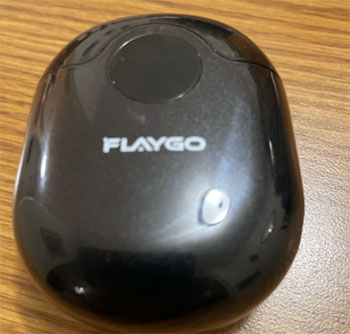
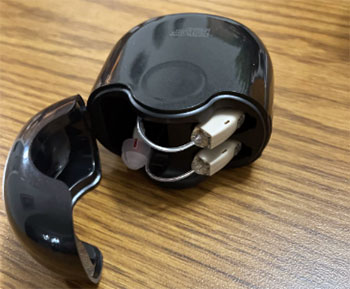
The unboxing experience was surprisingly decent for the price. The packaging didn’t feel cheap; it included a sleek, pebble-shaped charging case that reminded me of modern wireless earbuds.
The LED display on the case showing the battery percentage was a fantastic touch—no more guessing if the devices were actually charging.
However, my first hurdle came with the ear domes.
The device comes with a variety of silicone tips, and finding the right seal is absolutely critical.
When I first put them in my father’s ears with the pre-installed medium tips, the feedback squeal was piercing. It took about twenty minutes of trial and error with different sizes to get a seal that stopped the whistling.
Once we got them fitted, the immediate reaction was mixed. My father noted that the volume was definitely there—he could hear the refrigerator humming from the other room. That is the double-edged sword of these devices. While they amplified speech effectively, they also amplified everything else. The “smart noise reduction” Flaygo claims to have isn’t quite on the same level as a $4,000 pair of Phonaks. In a quiet living room, they worked wonders for conversation. He could hear me talking from the kitchen without me raising my voice. But when we went to a busy diner, the clatter of silverware and background chatter became overwhelming for him, and he had to turn the volume down, which defeated the purpose.
The “one-button” control scheme was a blessing and a curse. It was simple enough for him to understand—press to change volume, long press to change modes—but the buttons are tiny. If you have arthritis or shaky hands, manipulating these small in-ear devices can be frustrating. We also found that the “auto-on” feature, which turns the aids on when you pull them out of the case, was reliable, but you have to be quick to get them in your ear to avoid that initial feedback screech.
After a month of use, I would describe Flaygo as a “situational” hearing aid. It wasn’t refined enough to be his primary daily driver for complex environments, but as a dedicated “TV watching” pair or for quiet one-on-one visits, it was excellent value. It solved the battery anxiety issue completely, as the charging case held a charge for days. If you approach Flaygo as a high-quality amplifier rather than a medical-grade computer for your ears, you will likely be satisfied. If you expect it to filter out wind noise while you are on a golf course, you might be disappointed.
Read More: My Thoughts On Horizon Ix Hearing Aid
Pros Of Flaygo Hearing Aids
When you strip away the aggressive marketing, Flaygo actually offers significant value for a specific type of user. It is not trying to be a medical miracle; it is trying to be an accessible tool. Here are the specific advantages that make this product worth considering.
- Exceptional Price-to-Performance Ratio: The most obvious advantage is the cost. Traditional hearing aids can run upwards of $3,000 to $6,000 a pair, which is simply out of reach for many seniors on a fixed income. Flaygo provides a functional hearing solution for a few hundred dollars, sometimes even less during sales. While the sound processing isn’t as sophisticated as the premium brands, the raw amplification is comparable. For someone with mild to moderate hearing loss who just needs a “boost” to get through the day, the Return on Investment here is massive. You are getting about 80% of the functionality of a basic prescription aid for about 5% of the price.
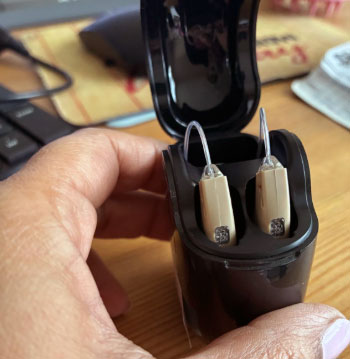
- User-Friendly Rechargeability: Dealing with Size 10 or Size 312 zinc-air batteries is a nightmare, especially for seniors with reduced dexterity or vision. Flaygo’s magnetic charging case solves this pain point entirely. You simply drop the aids into the slots at night, and they snap into place magnetically. The visual battery indicator on the case (often a digital percentage readout) removes the anxiety of your hearing aid dying in the middle of a conversation. This feature alone makes it a superior option to many older, battery-operated prescription models still in circulation. It mimics the user experience of Apple AirPods, which feels modern and convenient.
- Discreet In-The-Canal (ITC) Design: Vanity is a real barrier to hearing aid adoption; nobody wants to look “old” with a bulky beige banana behind their ear. Flaygo devices are designed to sit almost entirely inside the ear canal. From a side profile or even head-on, they are virtually invisible unless someone is staring directly into your ear. This discretion can provide a massive confidence boost, encouraging users to wear them more often. Unlike Behind-The-Ear (BTE) models, they also don’t interfere with wearing glasses or oxygen masks, which is a significant practical benefit for many elderly users.
- No Prescription or Audiologist Required: The barrier to entry for traditional hearing aids is high: you need an exam, a prescription, and multiple fitting appointments. Flaygo operates in the OTC (Over-The-Counter) space, meaning you can order them online and have them at your doorstep in two days. This democratization of hearing health is crucial for people living in rural areas or those who cannot drive to a clinic. It puts the control back in your hands, allowing you to test a solution without navigating the complex medical insurance system. If they don’t work, you simply return them, avoiding the long, drawn-out medical process.
Cons Of Flaygo Hearing Aids
To give you an honest recommendation, we have to look at the limitations. These are budget devices, and corners have been cut to reach that price point. Here are the potential deal-breakers you need to be aware of.
- Amplification of Background Noise: The biggest technical limitation of Flaygo devices is their lack of advanced sound processing algorithms. Premium hearing aids separate speech from noise, boosting the voice while suppressing the air conditioner or traffic hum. Flaygo tends to use “linear amplification,” which means it makes everything louder equally. In a crowded restaurant or a car, this can result in a “wall of sound” effect that is overwhelming and makes it harder, not easier, to understand speech. While they claim to have noise reduction chips, in practice, they struggle to distinguish between a human voice and a clattering dish.
- Feedback and Whistling Issues: High-pitched squealing, known as feedback, is a common complaint with these devices. This happens when amplified sound leaks out of the ear canal and gets picked up by the microphone again. Because Flaygo aids rely on generic silicone domes rather than custom-molded earpieces, getting a perfect airtight seal is difficult. If you smile, chew, or turn your head, the seal might break, causing a loud whistle that can be embarrassing in public. Managing this requires constant adjustment and experimenting with different dome sizes, which can be tedious for a new user.
- One-Size-Fits-All Ergonomics: Human ear canals are as unique as fingerprints, but Flaygo devices are mass-produced in a single shape. While they are small, the hard plastic shell might not fit comfortably in every ear. Users with very small or narrow ear canals often report that the device feels like a plug, causing pressure or soreness after a few hours of wear. Unlike custom aids that disappear into the ear, a poor fit with a Flaygo can make your ear feel “stuffed,” leading to the occlusion effect where your own voice sounds hollow and boomy inside your head.
- Lack of Professional Tuning and Support: When you buy a prescription aid, you are paying for the audiologist’s expertise to fine-tune the frequencies to your specific hearing loss curve. Flaygo offers preset volume levels and modes, but they cannot be customized to your specific audiogram. If you have high-frequency hearing loss (common in aging) but normal low-frequency hearing, Flaygo might over-amplify the low bass sounds, making things sound muddy. You are essentially guessing which setting works best, and there is no professional on the other end to adjust the software if you are struggling.
Comparison with Other Brands
The market for OTC hearing aids is exploding, and Flaygo is not the only player. It is vital to see how it compares to the competition to ensure you are getting the best value. Here is how Flaygo stacks up against three other popular options.
- Audien Atom Pro: Audien is perhaps the most direct competitor to Flaygo, targeting the exact same budget-conscious demographic. The Atom Pro is also a rechargeable, in-the-canal device with a portable charging case. Comparison: Audien generally has a slightly smaller form factor than the standard Flaygo models, making it better for smaller ears. However, Flaygo often includes a volume control button directly on the device, whereas some Audien models require you to use a tiny screwdriver to adjust volume, which is a massive inconvenience. In terms of sound quality, they are nearly identical, likely using similar generic chips. If dexterity is an issue, Flaygo’s push-button volume control makes it the superior choice over Audien’s manual adjustment screw.
- Eargo 7: Eargo represents the premium end of the OTC market, often costing 10x what Flaygo costs. They use a unique “fishing fly” petal design that suspends the device in the ear rather than plugging it. Comparison: Comparing Flaygo to Eargo is like comparing a Toyota to a Ferrari. Eargo is virtually invisible and offers legitimate, high-end sound processing that rivals prescription aids. Flaygo is a basic amplifier in comparison. However, if you lose a Flaygo, you are out $100; if you lose an Eargo, you are out $2,500. Flaygo is the better choice for a “starter” aid or a backup, while Eargo is a serious investment for active professionals who need the absolute best discreet hearing without a prescription.
- Nano Hearing Aids: Nano is another aggressive advertiser in the online space, offering BTE and ITE models. They position themselves as a middle ground between cheap amplifiers and medical devices. Comparison: Nano devices often come with more robust customer support and a longer track record than Flaygo. Nano’s models often feature a slightly more advanced app or Bluetooth integration (on higher-end models) which Flaygo lacks. However, Nano has faced controversy regarding their marketing claims and return policies in the past. Flaygo tends to be more transparent about being a simple, affordable device. If you want Bluetooth streaming for phone calls, you might look at Nano or Jabra, as standard Flaygo models do not support audio streaming from your phone.
Maintenance Tips For Flaygo Hearing Aids
Because Flaygo hearing aids are a budget product, they are not built with the same industrial durability as a $4,000 pair of Phonaks. This means your maintenance routine is the single biggest factor in how long they will last. Here are the essential steps to keep them working correctly.
- Aggressive Wax Management: Earwax is the kryptonite of in-the-ear hearing aids. Because the speaker sits deep in your canal, wax can easily clog the tiny mesh guard, muffling the sound instantly. You must inspect the wax guard every single time you take the aids out. Use the small brush provided in the kit to sweep debris away from the opening, always holding the device facing down so the wax falls out, not in. If the sound suddenly dies, 90% of the time it is a clogged wax guard, not a dead battery. Change the silicone domes regularly, as wax can build up inside the rubber tip where the brush cannot reach.
- Protecting the Charging Contacts: The most common point of failure for rechargeable aids is the charging connection. Over time, oils from your skin and dust can coat the gold contact points on the hearing aid and the pins inside the case. If you notice the aids aren’t charging or the LED light isn’t turning on, use a dry cotton swab or a soft cloth to polish the contacts. Do not use water or alcohol, as this can damage the internal electronics. Make sure the aids are completely dry before you drop them into the case; putting a sweaty hearing aid into a charger is a recipe for corrosion.
- Moisture Control is Critical: Flaygo aids are not waterproof, and they are barely water-resistant. You must remove them before showering, swimming, or washing your face. If you live in a humid climate or sweat heavily, consider investing in a small hearing aid dehumidifier or a drying jar with desiccant beads. Place the aids (not the charging case) in the drying jar overnight once a week to pull out any internal moisture that might have accumulated. Moisture is the silent killer of electronic circuits, causing static and eventual failure.
- Handling the Volume Button with Care: The single button on the Flaygo device is a mechanical component that can wear out if abused. When adjusting volume, use the pad of your finger, not your fingernail. Pressing too hard with a sharp fingernail can puncture the rubber seal around the button or jam the mechanism. Since this one button controls power, volume, and modes, if it breaks, the device is useless. Be gentle and deliberate with your presses; you should feel a tactile click without needing to use excessive force.
Also Read: Comparison Of Jabra Enhance Pro 20 And ReSound NEXIA
Frequently Asked Questions (FAQ)
Whistling, or feedback, occurs when the hearing aid doesn’t have a tight seal in your ear canal. To stop it, you should try switching to a larger silicone ear dome that fills your ear canal more completely. Also, ensure you are inserting the device firmly; if it is loose, sound will leak out and cause that screeching noise. Turning the volume down slightly can also eliminate feedback in many cases.
Technically, Flaygo falls into the category of OTC (Over-The-Counter) hearing aids, which are regulated differently than prescription devices. While they do use digital chips to process sound, they function more like sophisticated amplifiers because they boost all frequencies rather than targeting specific hearing loss gaps. They are “real” in that they help you hear, but they lack the medical-grade customization of prescription aids.
Most Flaygo rechargeable models, such as the GM-953, offer between 15 to 20 hours of continuous use on a full charge. The portable charging case can typically recharge the aids 3 to 4 times before the case itself needs to be plugged in. This means you can generally go about 3 to 5 days without needing to find a wall outlet, making them excellent for travel.
No, Flaygo devices are designed for mild to moderate hearing loss. If you have severe or profound hearing loss (e.g., you cannot hear a shout or a lawnmower running nearby), these devices will not provide enough gain (volume) to help you. For severe hearing loss, you absolutely need to see an audiologist for a high-power, custom-molded prescription device.
Conclusion
Flaygo Hearing Aids occupy a vital niche in the hearing health market. They are not a replacement for high-end audiology care, nor do they claim to be. They are a practical, “good enough” solution for people who need a little help with the TV volume or dinner table conversation but aren’t ready to spend thousands of dollars. The rechargeable design, combined with the invisible fit, offers a level of convenience that was previously impossible at this price point.
If you are looking for an affordable entry point into the world of hearing aids, or if you need a reliable backup pair for travel, Flaygo is a worthy contender. Just manage your expectations regarding background noise and be prepared to fiddle with the fit. For the price of a nice dinner out, you might just find that you can finally hear the punchline again—and that is an investment worth making.