
If you have spent any time scrolling through social media looking for healthy recipes or grocery shopping hacks, you have likely run into Bobby Parrish. The face behind FlavCity is known for aggressively reading ingredient labels and calling out “natural flavors” and seed oils. So, when he launched his own line of protein powders—FlavCity Protein Smoothie—the health community took notice.
It promises to be the cleanest, most nutrient-dense protein shake on the market, combining grass-fed whey with collagen, real fruit, and zero “junk.” But with a price tag that makes even premium competitors look cheap, you have to ask yourself: is it actually worth the hype and the high cost? You are probably tired of protein powders that taste like chalk or leave you bloated, and you want to know if this “clean” alternative is the solution you have been waiting for.
In this comprehensive review, I am going to break down every aspect of the FlavCity Protein Smoothie. We will analyze the ingredient list to see if it lives up to the “Bobby Approved” standard, test the taste and texture, and compare it head-to-head with other top-tier brands. My goal is to help you cut through the marketing noise and decide if this investment in your nutrition is the right move for your health goals.
My Experience With FlavCity Protein Smoothie
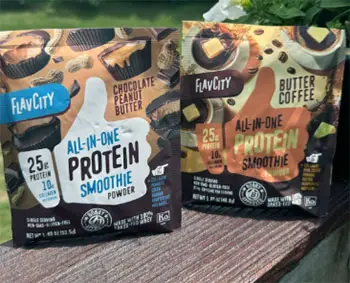
I was initially skeptical about trying FlavCity Protein Smoothie. I have been drinking protein shakes for over a decade, and I usually stick to the basics: a simple whey isolate or a trusted plant-based blend. However, the relentless marketing about “zero natural flavors” and “undernatured whey” finally got to me. I decided to purchase the Chocolate Peanut Butter and the Butter Coffee flavors to see if they could replace my morning breakfast routine.
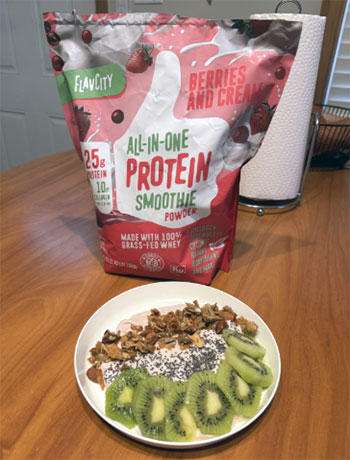
The packaging is distinct—a heavy-duty bag that feels premium, although I immediately noticed the zipper can be a bit finicky (more on that later).
When I opened the Chocolate Peanut Butter bag, the smell was the first thing that hit me.
It didn’t smell like that artificial, chemical-laden chocolate you get from generic gym store brands.
It smelled like actual cocoa and roasted peanuts.
It was a rich, earthy scent that felt like food, not a supplement.
For my first taste test, I mixed one scoop with 10 ounces of unsweetened almond milk in a shaker bottle.
The directions say you can use water, but I always find water makes protein taste thin.
The mixability was surprisingly good. I expected it to be clumpy because it contains real fruit powders and cocoa, but it dissolved fairly well with a vigorous shake. There were a few small specs left, but nothing gritty.
The texture was where I noticed the biggest difference. It is thick. Because it has added ingredients like coconut milk powder and konjac root (in some blends), it thickens up more than a standard whey protein. It felt more like a “smoothie” than a watery drink, which I actually appreciated because it made me feel fuller.
The taste was complex. The Chocolate Peanut Butter was rich and not overly sweet. You could definitely taste the monk fruit and stevia, which has a distinct lingering sweetness that some people dislike. Personally, I didn’t mind it, but it is noticeable if you are sensitive to non-nutritive sweeteners. The Butter Coffee flavor was a game-changer for my mornings. It actually tastes like a creamy latte. I started blending it with ice and a frozen banana, and it genuinely felt like I was drinking a $8 coffee shop frappe, but with 25 grams of protein and collagen.
However, after about two weeks of daily use, I did notice something interesting. While my digestion was generally fine—no bloating, likely due to the lack of gums and cheap fillers—I found myself rationing the powder because of the cost. I stopped using “heaping” scoops and started leveling them off perfectly to make the bag last. It became a “treat” protein rather than a “slam it after every workout” protein.
I also appreciated the mental aspect of it. Knowing I was consuming 100% grass-fed whey and bovine collagen in one go made me feel efficient. I didn’t have to scoop separate collagen powder into my coffee anymore. The convenience of having those two supplements combined is a subtle but significant benefit that justified the price for me during busy weeks.
Overall, my experience was largely positive, centered around the superior flavor profile and the feeling of consuming “real food.” It didn’t give me the jittery energy of a pre-workout or the heavy stomach of a mass gainer. It just felt like clean fuel. But the experience is definitely colored by the awareness of how much each sip costs.
Read More: My Thoughts On Power Life Protein
Pros Of FlavCity Protein Powder
When you strip away the social media hype and look strictly at the product, FlavCity Protein Smoothie offers several undeniable advantages that set it apart from 90% of the supplements on the shelf. Here are the specific benefits I found during my analysis.
- Exceptional Ingredient Transparency and Quality: The most significant pro of this product is the “clean label” philosophy. Most protein powders hide behind proprietary blends or vague terms like “natural flavors,” which can legally contain dozens of synthetic chemicals. FlavCity lists every single ingredient clearly: 100% grass-fed whey protein concentrate, collagen peptides, real fruit powders, and organic cocoa. You know exactly what you are putting into your body. For health-conscious individuals who are trying to eliminate ultra-processed foods from their diet, this transparency is invaluable. You aren’t just buying protein; you are buying peace of mind that you aren’t consuming hidden inflammatory agents.
- Dual-Source Protein for Comprehensive Support: Unlike standard whey powders that only support muscle synthesis, this formula includes bovine collagen peptides. Each serving typically delivers around 25 grams of protein, with a portion of that coming from collagen. This means you are supporting your hair, skin, nails, and joints simultaneously with your muscle recovery. For people over 30, collagen production naturally slows down, so having it built into your daily shake removes the need to buy and store a separate collagen supplement. It streamlines your supplement routine and ensures you aren’t forgetting that crucial joint support.
- Undenatured Whey for Better Absorption: The whey used in FlavCity is not just grass-fed; it is “undenatured.” This means it is processed at lower temperatures to preserve the delicate protein structures and immunoglobulins naturally found in milk. Many cheaper brands use high-heat acid processing that destroys these beneficial compounds, leaving you with a “dead” protein. Undenatured whey is believed to support the immune system better and is often easier for the body to digest and utilize. This focus on the quality of the protein, not just the quantity, is a major selling point for bio-hackers and nutrition nerds.
- No “Natural Flavors” or Gums: This is the brand’s main crusade, and they stick to it. Instead of using “natural vanilla flavor” derived from lab processes, they use actual vanilla bean powder. Instead of using xanthan gum or guar gum to thicken the shake (which can cause bloating and gas in sensitive people), they use ingredients like coconut milk powder or natural fruit fibers. This makes the product much friendlier for people with sensitive stomachs or IBS who often react poorly to thickening agents. The flavor comes from real food ingredients, which gives it a more authentic, less chemical taste profile.
Cons Of FlavCity Protein Powder
No product is perfect, and for all its high-quality ingredients, FlavCity Protein Smoothie has some distinct drawbacks that might be dealbreakers for certain users. It is important to weigh these carefully against the benefits.
- Extremely High Price Point: The elephant in the room is the cost. FlavCity is one of the most expensive protein powders on the mass market, often costing upwards of $60 for a bag that only contains 20 servings. This breaks down to roughly $3.00 per shake, which is significantly higher than the industry standard of $1.00 to $1.50. For a daily user, this adds up to over $90 a month just for protein powder. While the ingredients are premium, the cost barrier makes it inaccessible for many people, or relegates it to an “occasional treat” rather than a daily staple. You are definitely paying a “branding tax” along with the ingredient cost.
- Polarizing Sweetness from Stevia and Monk Fruit: Taste is subjective, but the sweetness level here is a common point of contention. Because the brand refuses to use sugar or artificial sweeteners like sucralose, they rely heavily on a blend of Stevia leaf extract and Monk Fruit. For some palates, Stevia has a distinct, metallic, or bitter aftertaste that can be overpowering. If you are sensitive to that “cooling” sensation that sometimes comes with these sweeteners, you might find the shake difficult to finish. It doesn’t have the neutral sweetness of cane sugar, and for those expecting a milkshake-like experience without the sugar alternative taste, it can be jarring.
- Packaging Quality Control Issues: Surprisingly for a premium product, the physical bag itself is a frequent source of complaints. The zipper closure on the bags is notorious for detaching from the packaging or failing to seal properly after a few uses. This is incredibly frustrating because exposure to air can make the powder clump or spoil faster. Many users, including myself, have had to transfer the expensive powder into a separate Tupperware container or use a chip clip to keep it closed. When you pay top dollar for a product, you expect the packaging to function perfectly, and this oversight feels like a lack of attention to detail.
- High Saturated Fat in Some Flavors: Because the formula often uses coconut milk powder for creaminess and texture, the saturated fat content can be higher than a standard whey isolate. Some flavors contain 3 to 5 grams of saturated fat per serving. While these are generally considered healthy fats (MCTs) from coconut, people who are strictly monitoring their saturated fat intake for cardiovascular reasons might find this problematic. It is not a lean, pure protein isolate; it is a “smoothie” blend, which means it comes with extra macros that you need to account for in your daily diet plan.
Tips To Get The Best Experience From FlavCity Protein
Since this is a unique product with a specific formulation, using it correctly can make the difference between a gritty drink and a delicious meal. Here are some tips to ensure you get your money’s worth.
- Use a Blender for Optimal Texture: While the powder mixes okay in a shaker bottle, it truly shines when blended. Because it contains real fruit pieces, cocoa powder, and coconut milk powder, a high-speed blender ensures everything is fully emulsified. Blending it creates a frothy, creamy texture that mimics a milkshake much better than shaking by hand. If you only have a shaker bottle, try to use a metal spring ball and shake it for at least 45 to 60 seconds. The extra effort breaks down the coconut milk fats and ensures you don’t get dry pockets of powder.
- Mix with Non-Dairy Milk, Not Water: To complement the creamy profile of the coconut milk powder, use almond milk, oat milk, or cashew milk as your liquid base. Water tends to dilute the natural flavors and can make the stevia aftertaste more improved. Using an unsweetened vanilla almond milk enhances the vanilla bean notes in the powder and adds a richness that water simply cannot provide. The fats in the nut milk also help with the absorption of the fat-soluble vitamins found in the ingredients. It transforms the drink from a supplement into a satisfying snack.
- Store in an Airtight Container Immediately: Given the known issues with the zipper packaging, do not rely on the bag it comes in. As soon as you receive your order, pour the powder into a glass jar or a high-quality plastic container with a rubber seal. This protects the powder from moisture and humidity, which can cause the natural fruit powders to become sticky and clump together. It also makes scooping much easier and cleaner than digging your hand into a deep, narrow bag. Preserving the freshness is key when the product costs this much per serving.
- Experiment with Baking and Oatmeal: This protein powder is heat-stable and works wonderfully as a food ingredient. Try stirring half a scoop into your morning oatmeal after it has finished cooking (to preserve the raw nutrients). You can also use it to make protein pancakes or waffles. Because it already contains fats (coconut milk) and flavors (vanilla/cocoa), it acts as a complete flavoring agent for your batter. This is a great way to consume the protein if you get tired of drinking liquid shakes every day, and it helps you feel like you are getting more versatility out of the expensive bag.
Comparison with Other Brands
To understand if FlavCity is the right choice, we need to compare it to its closest market rivals. Here is how it stacks up against Truvani, Orgain, and Levels.
- Truvani Plant-Based Protein: Truvani is perhaps the closest competitor in terms of the “clean label” philosophy. Like FlavCity, Truvani uses very few ingredients (often just 5-7) and avoids all gums and natural flavors. Comparison: Truvani is strictly plant-based (pea protein), while FlavCity’s flagship product is whey (though they have a plant version). Truvani has a simpler, smoother texture for a plant protein but lacks the collagen benefits that FlavCity offers. If you are vegan, Truvani is the superior choice for simplicity. However, if you can tolerate dairy, FlavCity offers a more complete amino acid profile and the added joint support of collagen, justifying its slightly higher complexity. Both are expensive, but FlavCity gives you “more” ingredients for the money.
- Orgain Organic Protein: Orgain is the mass-market giant found in every Costco and grocery store. It is significantly cheaper and offers decent organic certification. Comparison: Orgain uses “Natural Flavors,” erythritol (sugar alcohol), and gums (guar/xanthan) to achieve its taste and texture. FlavCity avoids all of these. Orgain is much sweeter and has a more “candy-like” taste due to the erythritol, which some people prefer, but it can cause digestive upset. FlavCity is a cleaner product nutritionally. If you are on a strict budget, Orgain is a fine option, but if you are trying to eliminate processed additives and sugar alcohols from your diet, FlavCity is the clear upgrade. You are essentially paying the extra money for what FlavCity leaves out.
- Levels Grass-Fed Whey: Levels is a brand that focuses purely on the quality of the whey, similar to FlavCity. They use grass-fed whey and sweeten with monk fruit. Comparison: Levels is much more minimalist. It does not contain the added collagen, fruit powders, or coconut milk that FlavCity does. It is a pure protein powder, not a “smoothie” blend. This makes Levels significantly higher in protein percentage per scoop (less filler/fat) and lower in price per serving. If you just want pure protein for muscle building and don’t care about the collagen or “superfood” additions, Levels is a more efficient and economical choice. Choose FlavCity if you want a meal replacement vibe; choose Levels if you just want post-workout protein.
Also Read: My Thoughts On Ora Protein Powder
Frequently Asked Questions (FAQ)
Yes, generally speaking, FlavCity protein powders are considered safe for children because they are made from whole food ingredients without artificial stimulants or chemicals. Many parents use them to add nutrition to their picky eaters’ diets. However, you should always consult your pediatrician before introducing supplements, and perhaps start with a half-serving size for younger children to see how they digest the dairy and fiber.
The brand claims to adhere to strict safety standards and tests for heavy metals, which is a common concern with protein powders (especially plant-based ones). They emphasize their “clean” sourcing to minimize these risks. However, unlike some brands that publish their Certificate of Analysis (COA) for every batch publicly on their website, you may have to dig or contact customer service to see specific reports, which is a point of critique for some transparency advocates.
Absolutely, and the Butter Coffee flavor is specifically designed for this. However, to prevent the whey protein from “curdling” or cooking in the heat, you should not dump the powder directly into boiling hot coffee. Mix the powder with a little bit of warm water or milk first to create a paste (tempering it), and then stir that into your coffee. Alternatively, using a frother or blender will ensure it emulsifies perfectly into a creamy latte.
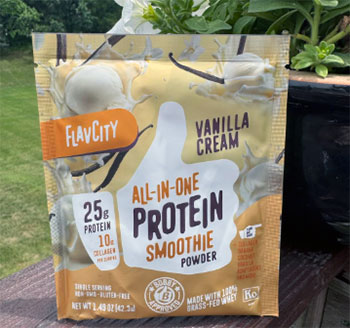
The Whey version uses 100% grass-fed dairy and includes bovine collagen peptides, making it a hybrid protein/collagen supplement. The Plant-Based version uses pea protein and does not contain collagen (since collagen is animal-derived), but it mimics the creamy texture using similar plant fats. If you want the joint and skin benefits of collagen, you must choose the Whey version; the Plant-Based version is strictly for vegans or those with dairy allergies.
Conclusion
FlavCity Protein Smoothie occupies a unique niche in the crowded supplement world. It is not just a protein shake; it is a statement against the ultra-processed food industry. By stripping away natural flavors, gums, and cheap fillers, it offers one of the cleanest, most “food-like” protein experiences you can buy. The addition of collagen and undenatured whey makes it a powerhouse for overall wellness, not just muscle growth.
However, that quality comes at a steep price—both literally and figuratively. The high cost per serving and the distinct stevia taste mean it isn’t for everyone. If you have the budget and prioritize clean ingredients above all else, it is arguably the best option on the market. But if you are just looking for a simple, affordable way to hit your macros, there are cheaper alternatives that get the job done. Ultimately, buying FlavCity is a vote for ingredient transparency, and for many, that peace of mind is worth every penny.