
If you’re torn between two of Fitbit’s most popular smartwatches and want to know which one actually delivers better daily value for health tracking, stress monitoring, sleep insights, and overall wearability without wasting money, you should read this head-to-head comparison right now. I’ve worn both the Fitbit Sense 2 and Fitbit Versa 4 as my primary watch for months, tracking workouts, sleep, stress, and everyday life in real conditions. This article breaks down my honest experience, key differences, pros/cons, and which one I’d tell you to buy in 2026.
A Brief Comparison Table Fitbit Sense 2 Vs Fitbit Versa 4
| Feature | Fitbit Sense 2 | Fitbit Versa 4 |
|---|---|---|
| Display | 1.58″ AMOLED, always-on | 1.58″ AMOLED, always-on |
| ECG / AFib Detection | Yes | No |
| EDA Stress Readings | Yes (cEDA sensor) | No |
| Skin Temperature Sensor | Yes | No |
| Built-in GPS | Yes | Yes |
| Heart Rate Zones & VO2 Max | Yes | Yes |
| Daily Readiness Score | Yes | No |
| Battery Life (real-world) | 5–6 days with always-on | 6–7 days with always-on |
| Speaker & Mic | Yes (calls, voice assistant) | Yes (calls, voice assistant) |
| Google Maps & Wallet | Yes | Yes |
| Price (2026 avg street) | Usually $50–80 higher | Generally lower |
| Best For | Advanced health insights, stress, heart health | Everyday fitness tracking, longer battery |
My Experience With Fitbit Sense 2 Vs Fitbit Versa 4
I bought the Fitbit Versa 4 first because I wanted a lighter, more comfortable daily smartwatch after my old Charge 5 band started feeling bulky during sleep. The Versa 4 felt instantly right on my wrist—slim profile, bright AMOLED screen, and the soft silicone band was easy to wear 24/7. Setup took five minutes: pair with phone, update firmware, customize watch faces. The always-on display looked sharp in sunlight, and built-in GPS tracked outdoor runs and walks accurately without needing my phone.
Daily fitness tracking was solid. Heart-rate zones during HIIT and runs matched my chest strap closely enough for real use. Sleep stages (light, deep, REM) felt believable, and the sleep score helped me adjust bedtime habits. I loved the quick-reply texts from the watch and Google Wallet for coffee runs. Battery lasted 6–7 days with always-on display and moderate use—impressive for an AMOLED watch.
But I missed deeper health insights. No ECG, no stress readings via cEDA, no skin temperature trends, no Daily Readiness Score. After intense workouts or poor sleep, I had no idea whether I should push harder or rest. Stress notifications were basic (just heart-rate spikes), not the guided breathing sessions or real EDA data I wanted.
So I added the Sense 2. The design is almost identical to Versa 4—same size, same bright screen, same comfortable band options—but the extra sensors made a difference immediately. The cEDA sensor gave actual electrodermal activity readings during the day, and the guided stress-management sessions (breathing + mindfulness) helped me catch high-stress moments at work. ECG worked flawlessly for spot checks—took 30 seconds, gave clear results I could share with my doctor. Skin temperature trends showed when I was fighting off a cold before I felt sick.
Battery life was slightly shorter (5–6 days) due to the extra sensors, but still excellent. Daily Readiness Score became my favorite feature—it combines sleep, HRV, activity, and recovery to tell me “go hard” or “take it easy.” On days it said “low readiness,” I skipped heavy lifting and felt better for it. GPS was just as accurate as Versa 4, speaker/mic quality identical for calls, and Google Maps/Wallet worked the same.
Side-by-side, the Sense 2 feels like the more mature, health-focused watch. Versa 4 is lighter on features but lighter on the wrist and wallet—perfect if you want solid fitness tracking without paying for sensors you won’t use. I now wear the Sense 2 daily and keep the Versa 4 as a backup/gym watch. Both are great; the choice comes down to whether you value advanced health metrics or prefer saving money and battery.
Read More: Comparison Of Amazfit Balance Vs. Active 2
Pros Of Fitbit Sense 2
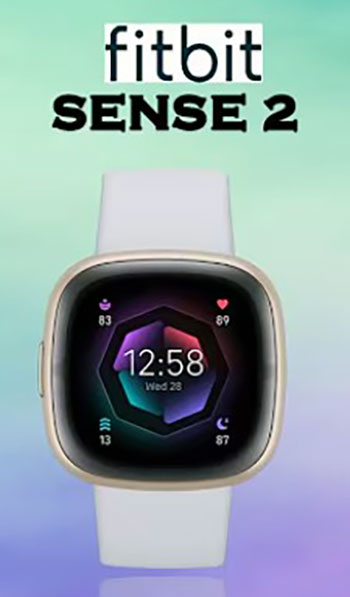
- Advanced Health Sensors You Actually Use Daily: The cEDA sensor tracks electrodermal activity for real stress insights, skin temperature shows early illness signs, and ECG lets you check for AFib on demand. These aren’t gimmicks—Daily Readiness Score uses them to guide whether you should train hard or recover, making workouts smarter and preventing burnout.
- Excellent Sleep And Recovery Tracking: Sleep stages, SpO2, HRV, and skin temperature combine into one of the best consumer sleep scores available. The Sense 2 wakes me up gently during light sleep phases and shows how alcohol, late meals, or stress affect recovery—data I trust more than most competitors.
- Bright, Crisp AMOLED Display With Always-On: The 1.58″ screen is sharp, colorful, and readable in direct sunlight. Always-on mode shows time, steps, and heart rate without waking the watch—battery impact is minimal compared to older Fitbits.
- Built-in GPS Works Flawlessly: Tracks outdoor runs, walks, and cycles accurately without carrying my phone. Maps show pace, elevation, and route—GPS lock is fast even in urban areas with tall buildings.
- Google Ecosystem Integration: Google Wallet, Google Maps turn-by-turn, YouTube Music controls, and quick replies from the watch make it feel like a true smartwatch, not just a fitness tracker.
- Solid Battery Life For A Feature-Rich Watch: 5–6 days with always-on display, GPS use, and stress/SpO2 tracking is impressive. Charges to 80% in about an hour—easy to top up during a shower.
- Comfortable 24/7 Wear: Lightweight aluminum case, soft silicone bands, and no sharp edges mean I forget I’m wearing it during sleep and long days.
Cons Of Fitbit Sense 2
- Higher Price Than Versa 4 For Similar Design: You pay extra for sensors most people won’t use daily (ECG, cEDA, skin temp). If you don’t care about advanced health metrics, the Versa 4 gives 85% of the experience for less money.
- Battery Life Slightly Shorter Than Versa 4: The extra sensors draw more power—expect 5–6 days vs Versa 4’s 6–7 days with always-on. Not a deal-breaker, but noticeable if you hate charging.
- Daily Readiness Score Sometimes Feels Conservative: It errs on the side of caution—after a late night or hard workout, it often says “low readiness” even when I feel fine. Helpful for avoiding overtraining, but can frustrate people who want to push through.
- No Third-Party Music Storage (YouTube Music Only): You can control music but not store offline Spotify or Apple Music—limits options compared to some competitors.
- App Still Has Occasional Sync Delays: The Fitbit app is good but sometimes lags when syncing overnight sleep or workout data—usually fixes itself within minutes, but annoying when you want instant feedback.
Pros Of Fitbit Versa 4
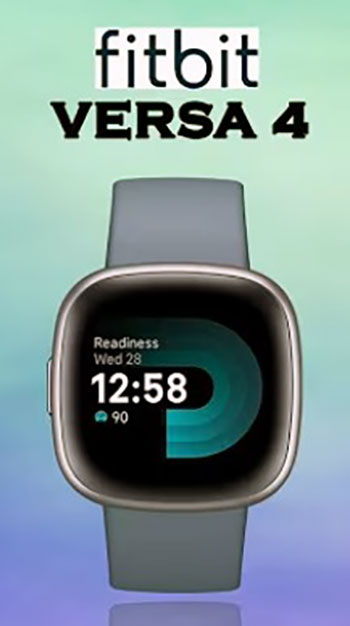
- Best Battery Life In The Price Range: 6–7 days with always-on display, GPS, and moderate use is outstanding for an AMOLED smartwatch. I often go a full week without charging—perfect for travel or forgetting the charger.
- Lightweight And Comfortable All-Day Wear: Slimmer profile and lighter weight than Sense 2 make it disappear on the wrist. Great for sleep tracking and 24/7 comfort without feeling bulky.
- Excellent Value For Everyday Fitness Tracking: Built-in GPS, 40+ exercise modes, heart-rate zones, Active Zone Minutes, and sleep stages give you everything most people need without paying for sensors you won’t use.
- Bright AMOLED Display With Always-On: Same crisp, colorful 1.58″ screen as Sense 2—readable outdoors, customizable faces, and glanceable stats without waking the watch.
- Full Google Ecosystem Features: Google Wallet, Google Maps navigation, YouTube Music controls, quick replies, and voice assistant work just as smoothly as Sense 2.
- Simple, Clean Interface: Fewer bells and whistles mean the watch face and menus feel less cluttered—easier for people who want straightforward fitness tracking.
- Lower Price Point: Usually $50–80 cheaper than Sense 2—great if you want premium Fitbit features without paying for ECG or stress sensors.
Cons Of Fitbit Versa 4
- No Advanced Health Sensors: Missing ECG/AFib detection, cEDA stress readings, skin temperature tracking, and Daily Readiness Score. If you care about heart health, stress management, or recovery insights, you’ll feel limited.
- Basic Stress Tracking Only: Relies on heart-rate variability spikes—no dedicated EDA sensor or guided breathing sessions like Sense 2. Stress notifications feel generic.
- No Skin Temperature Trends: Can’t track fever onset or cycle-related changes—useful feature Sense 2 owners get for early illness detection.
- Slightly Less Accurate Sleep Insights: Sleep stages and SpO2 are good, but without skin temp or advanced HRV, the overall sleep score and recovery guidance aren’t as deep as Sense 2.
- Feels Like A Downgrade If You Upgrade From Sense: If you move from Sense 2 to Versa 4, you lose meaningful health features—better as a first Fitbit than a sidegrade.
Maintenance Tips For Fitbit Sense 2 And Versa 4
- Charge To 100% Every 5–7 Days: Plug in overnight when battery hits 20–30%—keeps the battery healthy and avoids deep discharge cycles that shorten lifespan.
- Clean The Sensors Weekly: Wipe the heart-rate sensor, SpO2, and cEDA (Sense 2) areas with a soft, slightly damp cloth—no alcohol or harsh cleaners. Sweat and lotion buildup can cause inaccurate readings.
- Swap Bands Regularly: Rotate between silicone bands every few weeks—prevents skin irritation from trapped sweat and keeps the watch fresh. Wash bands with mild soap and air dry.
- Update Firmware Promptly: When the Fitbit app notifies you of an update, install it—new versions fix bugs, improve accuracy (HR, GPS, sleep), and add features like better stress algorithms.
- Restart The Watch Monthly: Hold the left button for 10–15 seconds to restart—clears minor glitches, improves sync speed, and refreshes performance.
- Keep The Charger Port Clean: Gently remove lint or dust from the charging pins with a dry toothbrush—dirty contacts cause slow or failed charging.
- Avoid Extreme Temperatures: Don’t leave the watch in a hot car or freezing conditions for long—heat damages the battery, cold temporarily affects sensor accuracy.
- Use A Screen Protector If Worried: The Gorilla Glass is durable, but a thin protector prevents scratches from keys or gym equipment—especially useful for the always-on display.
- Turn Off Always-On When Battery Is Low: If you’re traveling and need max battery, disable always-on in settings—adds 1–2 days of life.
Comparison With Other Brands
Versus Apple Watch Series 9 / SE: Apple Watch offers deeper iPhone integration, faster performance, and more third-party apps. Fitbit Sense 2 and Versa 4 win on battery life (5–7 days vs 18–36 hours), lower price, and better native sleep/stress tracking—ideal if you don’t need cellular or advanced app ecosystem.
Versus Garmin Venu 3 / Vivoactive 5: Garmin excels in advanced fitness metrics (training load, recovery time, VO2 max accuracy). Sense 2 edges out on stress/ECG and battery; Versa 4 is cheaper. Garmin is better for serious athletes; Fitbit suits casual health tracking.
Versus Samsung Galaxy Watch 6 / 7: Samsung has faster processor, more apps, and better Wear OS experience. Fitbit offers longer battery life, simpler interface, and stronger native sleep/stress insights—better if you want set-it-and-forget-it health monitoring.
Versus Google Pixel Watch 2: Pixel Watch has beautiful design and tight Google integration. Fitbit Sense 2/4 last much longer on battery and are cheaper—Pixel wins for looks and Wear OS polish, Fitbit for practical daily tracking.
Versus Amazfit GTR / GTS Series: Amazfit is cheaper with long battery and basic tracking. Fitbit Sense 2/4 provide more accurate HR, sleep, and stress data plus better app ecosystem—worth the extra cost for reliable health insights.
Also Read: My thoughts on Garmin Fenix 8 Vs. Apple Watch Ultra 2
Frequently Asked Questions (FAQ)
Yes—if you want ECG, cEDA stress readings, skin temperature, and Daily Readiness Score. Versa 4 is better if you want longer battery and lower price and don’t need those sensors.
No—the Versa 4 does not have ECG or AFib detection. Only the Sense 2 and higher models (Sense lineup) include ECG hardware and app support.
Yes—for most people. It offers excellent battery life, built-in GPS, solid sleep/fitness tracking, and full Google features at a lower price than Sense 2. Great daily smartwatch if you don’t need advanced health sensors.
Yes—both use the same 40 mm quick-release bands. Any Versa 3/4/Sense/Sense 2 band fits both models interchangeably.
Conclusion
If you want deeper health insights—ECG, stress tracking, skin temperature, and Daily Readiness Score—to guide your workouts and recovery, go for the Fitbit Sense 2—it’s become my everyday watch for good reason. But if you just want reliable fitness tracking, long battery life, and a lower price without missing out on core smart features, the Fitbit Versa 4 is more than enough. Either way, you’re getting a dependable, comfortable smartwatch that actually helps you live healthier—you’ll wonder why you waited so long to upgrade.