
You have seen it a thousand times—that iconic green tin with the golden label sitting on the shelf of every grandmother’s pantry and every major supermarket aisle. Filippo Berio Olive Oil is arguably one of the most recognizable brands in the world, often serving as the “default” olive oil for millions of home cooks. But in an era where we are becoming increasingly obsessed with food quality, single-origin sourcing, and harvest dates, you might be wondering if this heritage brand is actually any good. Is it real Extra Virgin Olive Oil, or is it just a mass-produced blend hiding behind a fancy Italian name?
In this comprehensive review, I am going to strip away the nostalgia and take a hard look at what is actually inside that tin. We will analyze the flavor profile, the cooking performance, and the transparency of its sourcing to see if it deserves a spot in your kitchen. Whether you are looking for a workhorse oil for your nightly sauté or a budget-friendly option for marinades, this guide will help you decide if Filippo Berio is a kitchen staple or a pass.
For those ready to stock up on this pantry essential, you can easily find Filippo Berio Olive Oil at major retailers like Amazon, Walmart, or your local grocery store, often at a very competitive price point.
My Experience With Filippo Berio Olive Oil
I grew up in a house where olive oil didn’t come in sleek, dark glass bottles with harvest dates handwritten on the label; it came in a big, dented green tin of Filippo Berio. It was the oil we used for everything—from greasing the pasta water to roasting potatoes and even baking cakes. So, coming back to it as an adult with a more “refined” palate was a bit of a nostalgia trip, but I was determined to judge it objectively.
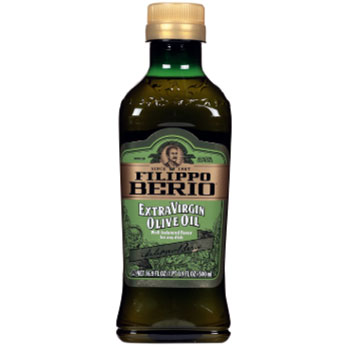
I picked up a fresh 1-liter tin of the Extra Virgin variety to put it through its paces in my modern kitchen.
The first thing that struck me was the packaging.
In a world of plastic bottles, there is something satisfyingly old-school about the metal tin.
However, the plastic spout that pulls out from the top is still as finicky as I remembered.
It requires a specific “yank” to extend, and if you aren’t careful, it can glug out aggressively, leaving a ring of oil on the top of the tin that inevitably runs down the side.
Pouring it into a tasting glass, the color was a standard golden-yellow, lacking that vibrant, radioactive green hue you often see in ultra-fresh, early-harvest oils. The aroma was… polite. It didn’t punch me in the face with smells of fresh-cut grass or tomato vine like a high-end California oil does. Instead, it smelled faintly of ripe olives and perhaps a touch of hay. It wasn’t offensive, but it wasn’t exciting either.
I decided to test it in three scenarios: a raw vinaigrette, a low-heat sauté, and a high-heat roast. For the vinaigrette, the oil provided a solid fatty base but didn’t add much flavor complexity. It was mild enough that it didn’t overpower the balsamic vinegar, but it also didn’t elevate the salad. It just did its job.
Where it really shined, however, was in the cooking. I used it to sauté garlic and onions for a marinara sauce, and it performed beautifully. Because the flavor isn’t aggressively peppery or bitter, it blends seamlessly into cooked dishes without fighting the other ingredients. It has a smoke point that held up well for standard pan-frying; I didn’t experience any smoking or burning when searing chicken breast at medium-high heat.
One thing I noticed after using it exclusively for a month is the “heaviness” of the oil. It feels a bit thicker and more viscous on the tongue compared to lighter, more premium oils. This isn’t necessarily bad—it makes for a great coating on roasted vegetables—but it can feel a bit greasy if you use too much.
Ultimately, my experience with Filippo Berio was one of reliability. It didn’t blow my mind with flavor notes of artichoke and green apple, but it also didn’t ruin a single meal. It is the Toyota Camry of olive oils: it might not be sexy, and it might not be the fastest, but it starts every time and gets you where you need to go without complaint. For a daily driver in the kitchen, that consistency is worth a lot.
Read More: My Thoughts On Carapelli Olive Oil
Pros Of Filippo Berio Olive Oil
When evaluating a mass-market giant like Filippo Berio, you have to judge it against its peers, not against small-batch artisanal oils costing four times as much. Within its category, it offers several distinct advantages that keep it on shelves worldwide.
- Exceptional Availability and Affordability: The most significant pro is simply how accessible it is. You do not need to go to a specialty Italian market or wait for an online shipment to get it. It is available in virtually every supermarket, drugstore, and corner bodega in the country. This ubiquity means you never have to worry about running out mid-recipe; a replacement is always just a quick drive away. Furthermore, the price point is incredibly competitive, often costing significantly less per ounce than even the mid-tier brands. For families who cook constantly and go through a liter of oil a week, this affordability makes it a sustainable choice for the household budget.
- Mild, Non-Intrusive Flavor Profile: While food snobs might call it “bland,” for the average home cook, its mildness is a massive feature. Many high-end olive oils are intensely bitter, peppery, or pungent (which indicates high polyphenol content), but this can be off-putting to children or those with sensitive palates. Filippo Berio has a very neutral, smooth flavor that sits in the background. It adds the necessary fat and mouthfeel to a dish without hijacking the flavor profile. This makes it an excellent “gateway” olive oil for people transitioning away from vegetable or canola oil who aren’t ready for the intense grassy kick of a Robusto oil.
- Superior Packaging for Preservation: The signature tin isn’t just for aesthetics; it is actually one of the best ways to store olive oil. Light is the enemy of olive oil, causing it to oxidize and go rancid quickly. Glass bottles, even dark green ones, let in some light, and clear plastic bottles are the worst offenders. The Filippo Berio tin provides a 100% light-blocking barrier, ensuring the oil inside stays fresher for longer while sitting on a supermarket shelf or your kitchen counter. It is also durable; you can drop the tin without shattering it, which is a nice safety bonus for clumsy cooks.
- High Smoke Point for an EVOO: Many people are afraid to cook with Extra Virgin Olive Oil because they think it will smoke and turn toxic at low temperatures. However, because Filippo Berio is filtered and likely a blend of more mature olives, it tends to have a fairly stable smoke point (around 375°F – 400°F). This makes it perfectly safe for roasting vegetables, baking focaccia, or sautéing meat. I found it handled 400°F oven temperatures for roasted potatoes without developing that acrid, burnt taste that unfiltered, sediment-heavy oils can develop. It allows you to use one oil for both salads and cooking, simplifying your pantry.
Cons Of Filippo Berio Olive Oil
Despite its popularity, there are valid reasons why serious foodies and health enthusiasts often steer clear of this brand. The compromises made to achieve its low price point and massive scale are evident if you know where to look.
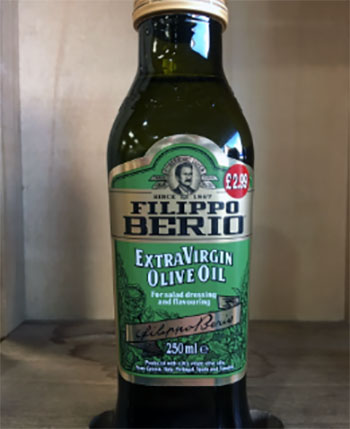
- Lack of Origin Transparency: The biggest criticism of Filippo Berio is the “Imported from Italy” label, which can be misleading. If you look closely at the fine print on the back, you will usually see a code indicating the olives are sourced from a mix of countries like Spain, Greece, Tunisia, and Italy. While blending oils isn’t inherently bad, it means you aren’t getting a product with “terroir” or a specific regional character. You are getting a global commodity blend designed to taste the same year after year, regardless of the harvest quality. For consumers who care about carbon footprint or supporting specific agricultural regions, this murky sourcing is a major downside.
- Lower Polyphenol Content: The mild taste that many love is actually a sign of lower antioxidant levels. Polyphenols are the compounds that give high-quality olive oil its bitterness and throat-burning “kick,” and they are responsible for many of the heart-health benefits. Because Filippo Berio uses a blend of oils that may be harvested later in the season (when olives are riper and yield more oil but fewer nutrients), the polyphenol count is likely lower than premium brands. You are still getting healthy monounsaturated fats, but you might be missing out on the potent medicinal properties found in more intense, early-harvest oils.
- Inconsistent Freshness due to Scale: Because the supply chain is so massive, bottles can sit in warehouses or on cargo ships for months before they reach your store. Unlike small producers who press and ship immediately, mass-market oils have a longer lead time. I have encountered tins that tasted slightly “fusty” or stale even though they were within their expiration date. Since there is rarely a “Harvest Date” printed on the tin (only a “Best By” date), you have no way of knowing if the oil inside is six months old or two years old. Buying it is always a bit of a gamble regarding freshness.
- Functional Issues with the Tin Design: While the tin protects the oil, the pouring mechanism is notoriously messy. The plastic spout often dribbles after you stop pouring, leading to a pool of oil collecting in the recessed top of the can. This attracts dust and gets sticky over time, requiring you to constantly wipe down the tin. Additionally, once you dent the metal tin (which happens easily), it can look beat-up on your counter. Some users also report that the plastic cap hinge can snap off if you open it too aggressively, leaving you with no way to seal the container properly.
Maintenance Tips For Filippo Berio Olive Oil
Olive oil is a perishable food product, essentially a fresh fruit juice. Treating it like a pantry staple that lasts forever is the quickest way to ruin your meal. Here is how to keep your Filippo Berio tasting fresh to the last drop.
- Store Away from Heat Sources: The most common mistake people make is keeping their olive oil right next to the stove for easy access. The heat from your oven and burners will accelerate the oxidation process, turning the oil rancid within weeks. You should store your Filippo Berio tin in a cool, dark cupboard or pantry, ideally between 55°F and 60°F. If you have a large 3-liter tin, consider decanting a smaller amount into a ceramic cruet for daily use and keeping the big tin in the coolest part of your house (like a basement pantry) to preserve the bulk of the oil.
- Hygiene of the Spout: As mentioned, the tin’s spout can be messy. You must make a habit of wiping the plastic lip with a clean paper towel after every use. If oil is left to sit on the rim, it will oxidize and turn into a sticky, rancid glue. When you pour fresh oil over this rancid residue, you are introducing those off-flavors into your food. Keeping the cap clean ensures that the only flavor entering your pan is the fresh oil from inside the tin. Also, ensure the cap clicks shut fully; even a small gap allows oxygen to enter and degrade the oil.
- Respect the “Best By” Date: Do not treat the expiration date as a suggestion. Once you open the tin, the clock starts ticking much faster than the date on the bottom implies. Aim to use up the entire tin within 30 to 60 days of opening. If you find an old tin in the back of your cupboard that has been open for six months, do not eat it. Smell it first; if it smells like crayons, old putty, or stale nuts, it has gone rancid. Pouring rancid oil into a dish introduces free radicals to your body, counteracting the health benefits you are trying to get.
- Avoid “Pre-Mixing” Dressings: Because this is a filtered oil, it is stable, but once you mix it with anything acidic (like lemon juice or vinegar) or fresh aromatics (like garlic), it must be refrigerated. Do not mix a bottle of Filippo Berio with herbs and leave it on the counter for a week to “infuse.” The water content in the garlic or herbs can create an environment for botulism bacteria to grow because the oil creates an anaerobic seal. Only mix what you are going to use immediately, or store infused oils strictly in the refrigerator for no more than a few days.
Comparison with Other Brands
The grocery store aisle is a battlefield of brands. To understand if Filippo Berio is the right choice for you, we need to compare it to its biggest rivals.
- Bertolli Extra Virgin Olive Oil: This is the most direct competitor, often sitting right next to Filippo Berio on the shelf. Comparison: Bertolli and Filippo Berio are incredibly similar in terms of price and “global blend” sourcing. However, Bertolli is almost exclusively sold in clear or green plastic bottles, whereas Filippo Berio offers the tin. The plastic bottle of Bertolli allows more light in, potentially degrading the oil faster than the Berio tin. Flavor-wise, many blind taste tests find Bertolli to be slightly more neutral, almost tasteless, while Filippo Berio retains a tiny bit more olive fruitiness. If you are clumsy, the plastic Bertolli bottle is safer; if you care about oil quality preservation, the Filippo Berio tin is superior.
- California Olive Ranch (Everyday Series): This is the step-up brand for people who want higher quality but still shop at the supermarket. Comparison: California Olive Ranch is significantly more transparent. They list the harvest date on every bottle, which Filippo Berio does not. Their flavor is much fresher, grassier, and more vibrant because the supply chain is shorter (often grown in USA/California). However, it is typically 30-40% more expensive than Filippo Berio. If you want an oil for dipping bread or finishing a salad where you taste the oil, California Olive Ranch is the clear winner. If you just need an oil for sautéing onions where the flavor is hidden, Filippo Berio saves you money.
- Pompeian Extra Virgin Olive Oil: Pompeian is the budget king, often finding itself as the cheapest option on the shelf. Comparison: Pompeian is aggressive with their pricing and often uses plastic bottles that feel a bit flimsy. Their oil is often a blend from many countries as well, but they have recently started participating in USDA quality monitoring programs, which adds a layer of trust. Flavor-wise, Pompeian can be a bit more inconsistent; some batches are decent, while others taste very flat. Filippo Berio feels like a slightly more “premium” heritage product compared to Pompeian’s value-first branding. If every penny counts, Pompeian wins; if you want a tin that looks nice on the counter and tastes slightly more consistent, go with Berio.
Also Read: My Thoughts On Terra Delyssa Olive Oil
Frequently Asked Questions (FAQ)
Yes, it meets the legal chemical standards for Extra Virgin Olive Oil (acidity below 0.8%). However, it is a mass-market commercial blend, meaning it is often a mix of oils from Spain, Greece, Tunisia, and Italy. While it is “real” in the legal sense, it may lack the sensory complexity and high freshness markers of single-estate artisanal oils.
Absolutely. The smoke point of Filippo Berio EVOO is generally around 375°F to 400°F. This is high enough for most home cooking methods, including sautéing, roasting, and shallow frying. You should only avoid it for very high-heat searing or deep frying, where a refined “Pure” or “Extra Light” olive oil would be better suited.
If your oil smells like crayons, old walnuts, or putty, it has gone rancid. This happens when the oil is exposed to heat, light, or air for too long. Check the “Best By” date, but also consider how it was stored; even a new bottle can go bad if it was stored in a hot warehouse. Do not eat rancid oil; discard it immediately.
While the brand is Italian and the headquarters are in Lucca, Italy, the oil itself is rarely 100% Italian. The back label usually specifies the origin, which is typically a blend of oils from countries around the Mediterranean (Italy, Spain, Greece, Tunisia). They do sell a specific “100% Italian” variety, but it is labeled distinctly and costs more than the standard green tin.
Conclusion
Filippo Berio Olive Oil is the ultimate reliable pantry staple. It doesn’t pretend to be a small-batch, hand-pressed artisan elixir; it is a working-class hero for the everyday kitchen. While it lacks the flavor complexity and sourcing transparency of premium brands, it makes up for it with unbeatable availability, consistent performance, and superior packaging that protects the product better than its plastic-bottled peers.
If you are looking for an affordable, mild oil to cook your family dinners with, Filippo Berio is a safe and solid choice that has stood the test of time for a reason. It gets the job done without breaking the bank. However, if you are looking for that magical, peppery drizzle to finish a caprese salad, you might want to spend a few extra dollars on a harvest-dated bottle. For everything else, the green tin is just fine.