
Exploring the hidden psychology behind gambling behavior
The Allure of Chance
Gambling captivates individuals by appealing to the thrill of uncertainty. The unpredictable nature of games creates an adrenaline rush that can be irresistible. This thrill can often mask underlying psychological motivations such as escapism or the desire for excitement. Many gamblers are drawn to the idea that they could easily change their financial situations with a single bet, creating a potent mix of hope and anticipation. For those exploring alternative options, non gamstop casinos can provide unique experiences with fewer restrictions.

Furthermore, this allure is not merely about money. It encompasses social interactions and the allure of community found in casinos or online platforms. The atmosphere of a casino, filled with excitement and noise, adds to the addictive quality of gambling, making it a compelling experience beyond financial gain.
Psychological Triggers in Gambling
The psychology behind gambling is rich with cognitive biases and emotional triggers that influence behavior. One significant factor is the illusion of control, where individuals believe they can influence outcomes in games of chance. This misconception can lead to repeated gambling, as players feel empowered despite the randomness inherent in games.
Additionally, the use of near-misses—where a player almost wins—can reinforce gambling behavior. These experiences create a false sense of hope and encourage players to keep betting, convinced that they are close to winning. This dynamic can trap individuals in a cycle of persistent gambling, despite negative consequences.
The Role of Reward Systems
The brain’s reward system plays a vital role in reinforcing gambling behavior. Winning triggers the release of dopamine, a neurotransmitter associated with pleasure and reward. This chemical response can create a strong association between gambling and feelings of happiness, encouraging individuals to gamble more frequently in pursuit of that high.
Moreover, this reward system can be manipulated through various game designs and promotional strategies. Casinos and game developers often employ techniques that enhance the sense of reward, whether through visual effects, sound cues, or bonuses. These tactics not only keep players engaged but also create a feedback loop that reinforces the gambling habit.
The Impact of Environment and Social Influences
The environment where gambling occurs significantly influences behavior. Factors such as peer pressure, societal norms, and the ambiance of casinos can shape an individual’s gambling experience. People may feel more inclined to gamble when surrounded by others who engage in similar activities, fostering a sense of belonging and acceptance.
In addition, the normalization of gambling in popular culture and media can have a profound impact on perceptions and behaviors. Movies, television, and advertising often glamorize gambling, presenting it as a fun and glamorous activity. This portrayal can lead individuals to underestimate the risks associated with gambling, further perpetuating the cycle of behavior.
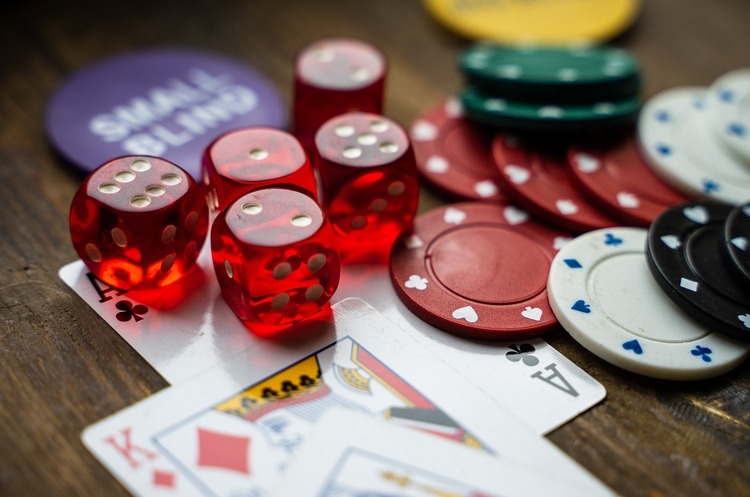
Understanding the Psychology of Gambling
Understanding the psychology behind gambling behavior is crucial for developing effective strategies for prevention and treatment. By exploring the underlying motivations and cognitive biases, individuals can gain insight into their habits and make informed decisions. Programs focused on education and awareness can help mitigate the negative impacts of gambling.
Platforms like TechCityUK.com can play a vital role by providing resources and information on this topic, promoting healthy discussions around gambling behavior. Engaging with expert insights can empower individuals to understand their relationship with gambling and encourage responsible practices. Through a comprehensive approach, it is possible to address the complexities of gambling psychology effectively.