
If you’re building a home gym on a budget and want reliable bumper plates that let you drop the bar without wrecking your floor or barbell, Everyday Essentials bumper plates are a solid choice worth buying. I’ve used them for over a year now, and for the price—often around $1 per pound or less—they deliver real value for beginners or anyone not chasing competition-level gear.
My Experience With Everyday Essentials Bumper Plates
When I first decided to set up a garage gym, I needed plates that could handle drops during deadlifts and occasional Olympic lifts without costing a fortune. I picked up a set of Everyday Essentials color-coded Olympic bumper plates from Amazon, starting with pairs of 10s, 25s, and 45s to pair with my barbell.
Right out of the box, I noticed the strong rubber smell that many budget plates have—it’s from the recycled rubber material, and it hit me hard at first. I left them outside in the sun for a few days, and it faded a lot, though a faint scent lingered for weeks. You get used to it, and it beats paying triple for odor-free virgin rubber plates.
Loading them onto the bar felt straightforward. The steel hubs fit snugly on my 2-inch Olympic barbell, with no excessive wobble. The color coding—IWF standard, with red for 45s, blue for 25s, and so on—made it easy to grab the right weights quickly, especially when supersetting or tired mid-workout.
I started using them for deadlifts, dropping from hip height, and they absorbed the impact well. The bounce is moderate—not dead quiet like premium plates, but controlled enough that the bar doesn’t rocket away. For cleans and snatches, the 10-pounders held up better than I expected; I avoided dropping them alone, as thinner budget 10s can taco if abused.
Over months of consistent use—three to four sessions a week, mixing powerlifting and some CrossFit-style metcons—the plates showed impressive durability for the cost. No cracks or crumbling, even after hundreds of drops on my rubber mats. The raised lettering stayed intact, and the colors didn’t fade much.
One thing I appreciated was how forgiving they are on my concrete floor (with mats underneath). Iron plates would have chipped the floor by now, but these rubber ones protect everything. I added more weights over time, building up to heavier loads, and they allowed me to progress without fear of noise complaints from neighbors.
That said, they’re not perfect. The weight tolerance isn’t as tight as higher-end brands—my 45s varied by a pound or two when I checked on a scale—but for general training, it doesn’t matter. The higher bounce compared to virgin rubber means I stay mindful during overhead drops.
Overall, these plates transformed my workouts. I feel more confident pushing limits, knowing I can bail safely if needed. If you’re like me—enthusiastic but budget-conscious—they make lifting at home accessible and fun. They’ve held up through sweat, chalk, and occasional outdoor sessions, proving that you don’t always need to spend big to get functional gear.
Read More: My Thought on Dali Oberon 3
Pros Of Everyday Essentials Bumper Plates
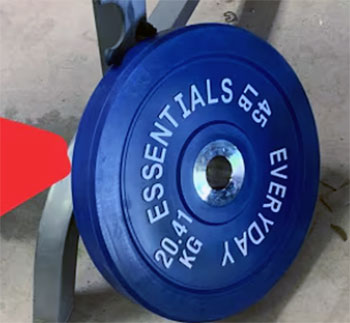
- Affordable Pricing: You often find them at or below $1 per pound, which makes building a full set of bumpers possible without draining your savings. For beginners or anyone setting up a home gym, this price point opens the door to safe dropping that more expensive plates lock behind higher costs. I loaded up on 260 pounds for less than what one pair of premium 45s would cost elsewhere.
- Decent Drop Absorption: The high-density recycled rubber soaks up impacts from hip-height deadlifts and power cleans really well, sparing your barbell sleeves and floor from damage. Even after countless drops on my horse stall mats, the plates stay intact and quiet enough for garage use. You get that satisfying thud without the crashing clang of iron plates.
- Color-Coded Design: They follow standard IWF colors, so red 45s, blue 25s, yellow 15s, and green 10s let you spot weights instantly across the room. This speeds up plate changes during circuits or when you’re exhausted and don’t want to squint at numbers. It feels professional and keeps your workouts flowing smoothly.
- Solid Steel Hubs: The stainless steel inserts grip the bar tightly with almost no slop, giving you confidence during heavy squats or dynamic lifts. They haven’t loosened or rusted on me despite sweaty sessions and occasional outdoor use. You avoid that annoying rattle cheaper hubs sometimes develop over time.
- Low Initial Bounce Issues: The rebound is moderate and predictable on proper flooring, so the bar stays close rather than bouncing wildly away. This makes them safer and more practical for home use than high-bounce alternatives. I rarely chase the bar after drops, which keeps sessions efficient.
- Good Weight Variety: Common denominations from 10 to 55 pounds in pairs let you fine-tune loads for progressive overload. You can hit exact numbers for programs without awkward workarounds. I built up to heavy triples comfortably thanks to the standard increments.
- Floor-Friendly: Full rubber coverage drastically cuts noise compared to cast iron, perfect for apartments or garages near living spaces. They protect concrete, wood, or tile floors from cracks and dents over years of use. My setup stays neighbor-friendly even during late-night sessions.
- Surprising Longevity: For the price, they’ve lasted over a year of regular abuse with zero cracks or separation. Many users report multi-year durability with moderate care. You get way more lifespan than you’d expect from budget recycled rubber.
- Easy Availability: Sold on major sites with frequent sales and Prime shipping, so replacing or adding plates is hassle-free. You avoid long wait times common with boutique brands. I expanded my set twice without any stock issues.
Cons Of Everyday Essentials Bumper Plates
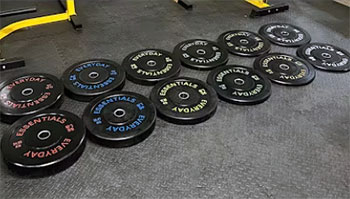
- Strong Initial Odor: That recycled rubber smell hits hard out of the box and can fill a room for weeks if stored indoors. Airing them outside helps, but the tire-like scent lingers longer than virgin rubber plates. You might need to ventilate your gym space initially.
- Higher Bounce Than Premium: Drops create more rebound than competition-grade virgin rubber or urethane, requiring extra caution on overhead movements. The bar can travel a bit farther than with dead-bounce plates. You adjust your technique to control it, but it’s noticeable.
- Potential Weight Inaccuracy: Tolerances can be off by a couple pounds per plate, which adds up on heavy loads if you’re precise about programming. Most home lifters won’t care, but serious trackers might recalibrate. I checked mine on a scale and found minor variances.
- Thinner Plates More Vulnerable: The 10- and 15-pounders are slim and can bend or taco if dropped alone repeatedly from overhead. You learn to pair them with heavier plates or avoid solo drops. They’re fine for most uses but limit aggressive Oly training.
- Build Quality Variability: Some batches arrive with oily residue, minor edge imperfections, or slight color mismatches. It’s cosmetic and doesn’t affect function, but premium brands feel more polished. You accept small flaws for the huge savings.
- Less Durable Long-Term: Under daily commercial-level pounding, they wear faster with possible rubber crumbling after years. Home use is fine, but heavy gym owners often upgrade sooner. You get what you pay for in extreme conditions.
- No Premium Features: No hooked inserts, calibrated accuracy, or lifetime warranties like higher-tier options offer. You miss those refinements that justify double or triple the price. They’re basic but reliable for most needs.
Maintenance Tips For Everyday Essentials Bumper Plates
- Regular Cleaning Routine: Wipe plates with mild soap and warm water after chalky or sweaty workouts to prevent buildup that degrades rubber over time. This keeps the surface grippy and stops sweat from eating into the material. A quick five-minute clean once a week makes a big difference in longevity.
- Air Out the Odor: Leave plates outside in direct sunlight for several days when new, and occasionally afterward, to naturally dissipate rubber smell. UV and fresh air break down volatile compounds faster than anything else. You’ll notice the scent fading dramatically within a week.
- Avoid Harsh Chemicals: Never use bleach, acetone, or strong degreasers, as they crack and dry out recycled rubber prematurely. Stick to gentle dish soap or dedicated gym equipment cleaners. Protecting the rubber compound ensures years of flexible performance.
- Store Properly: Keep plates on a vertical rack or tree in a climate-controlled space, off concrete floors that hold moisture. Avoid leaning them against walls long-term to prevent warping. Good storage prevents unnecessary stress and extends usable life.
- Inspect Hubs Regularly: Check steel inserts monthly for rust spots or loosening, especially in humid garages. Wipe dry after use and apply a light oil coating if needed. Catching issues early stops bigger problems down the road.
- Use on Proper Surfaces: Always drop on thick rubber mats, platforms, or plywood to distribute impact and reduce stress on plates. Bare concrete or thin mats transfer too much shock. Proper flooring is the single biggest factor in bumper plate durability.
- Prevent Blooming: When a white powdery film appears on the surface, wash immediately with soap and dry thoroughly—it’s harmless mineral migration. Regular cleaning prevents heavy buildup that looks messy. Keeps your plates looking fresh longer.
- Rotate Usage: Alternate which pair of each weight you use most to distribute wear evenly across your set. This prevents one pair from taking all the drops and bending first. Simple habit that maximizes the whole collection’s lifespan.
- Avoid Extreme Temperatures: Don’t store in freezing cold or scorching hot environments, as rubber becomes brittle or overly soft. Ideal range is 50-80°F year-round. Temperature swings are the fastest way to degrade budget rubber compounds.
These simple habits have kept my set looking and performing great, maximizing their value.
Comparison With Other Brands
How Everyday Essentials Stack Up Against Rogue
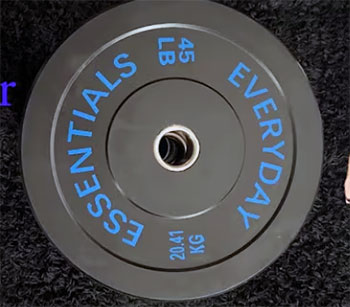
Rogue plates, like their Echo or Hi-Temp lines, use higher-quality virgin or crumb rubber for less smell and tighter tolerances. You pay two to three times more, but get thinner profiles that allow heavier loads on the bar and a dead bounce I envy during cleans. My Everyday Essentials bounce more and smell stronger initially, but for casual lifting, the performance gap doesn’t justify Rogue’s premium unless you’re competing.
Everyday Essentials Versus Rep Fitness
Rep’s black or color bumpers offer better weight accuracy and durability, with stainless inserts that resist rust longer. They’re mid-tier priced, bouncing less and lasting through heavier abuse. I find Everyday Essentials sufficient for my needs, but if I trained daily with high volume, I’d upgrade to Rep for the refined feel and longer warranty coverage.
Everyday Essentials Compared To Fringe Sport
Fringe Sport savages or contrasts stand out with layered rubber for optimal bounce control and lifetime warranties on some models. They’re durable beasts with hooked hubs preventing insert failures. Everyday Essentials feel basic next to them—more bounce, potential odor—but at half the cost, they suit budget builds where Fringe shines for serious enthusiasts wanting pro-level reliability.
Read More: My Thought on Tactic Front Bumper
Frequently Asked Questions (FAQ)
Fringe Sport and REP Fitness top many lists for their balance of quality, durability, and value, using virgin rubber and precise construction. Rogue excels in premium options, but for most users, Fringe offers the best overall performance without excessive cost.
Yes, if you drop weights during Olympic lifts, deadlifts, or CrossFit—they protect floors, barbells, and reduce noise far better than iron. For strict powerlifting without drops, iron might suffice cheaper, but bumpers add versatility and safety to any setup.
Urethane ranks highest for durability, low odor, and minimal bounce, followed by virgin rubber for good performance at lower cost. Recycled crumb rubber, like in many budget plates, works well affordably but often smells more and bounces higher.
Conclusion
After a year with Everyday Essentials bumper plates, I can say they’re absolutely worth adding to your gym if budget matters most. They deliver reliable drops, solid basics, and real progress without breaking the bank—grab a set and start lifting confidently today.