
If you have ever stared jealously at the golden, crackling loaves in a bakery window and wondered why your homemade bread looks like a dense, pale brick, you are not alone. We all want that perfect “ear” and the satisfying crunch that sings when you slice into it. You might have heard that the secret lies in steam, and that is exactly where the Emile Henry Bread Baker claims to change the game.
In this review, I am going to walk you through everything you need to know about this French-made ceramic beauty. I will break down how it handles high-hydration doughs, whether it truly mimics a professional steam oven, and if it is durable enough to justify the price tag. Whether you are a sourdough beginner or a seasoned baker looking to upgrade from a standard Dutch oven, this guide will help you decide if this specialized tool belongs in your kitchen.
My Experience With The Emile Henry Bread Baker
I have been baking bread for years, mostly relying on a heavy cast-iron Dutch oven. It worked well enough, but I was always annoyed by the struggle of lowering a jiggly ball of dough into a screaming hot, high-walled pot without burning my knuckles. When I saw the Emile Henry Bread Baker, with its shallow base and domed lid, I was immediately intrigued by the ergonomic design. It promised the same steam-trapping benefits as cast iron but in a lighter, more user-friendly package.
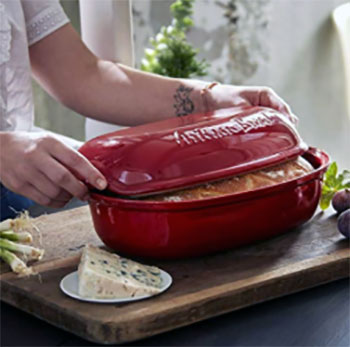
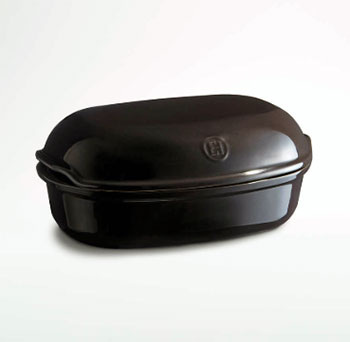
When I unboxed the baker (I got the charcoal color), the first thing that struck me was how light it felt compared to my enameled cast iron.
It is made of Burgundy clay, which is robust but significantly easier to lift with one hand.
The finish was flawless, smooth, and honestly beautiful enough to leave out on the counter.
For my first bake, I decided to test it with a standard 75% hydration sourdough recipe—sticky, messy, and prone to spreading if not contained properly.
I followed the instructions and preheated the baker in the oven at 500°F. This is where the design really shined.
Instead of dropping the dough into a deep pit, I simply slid my parchment-lined dough onto the shallow bottom platter. It was effortless. No burnt wrists, no awkward maneuvering. I slashed the dough, placed the domed lid on top, and slid it back into the oven.
The smell of baking bread filled the kitchen, but the real test came 20 minutes later when I removed the lid. The oven spring was incredible. The dough had risen beautifully, constrained just enough by the dome to keep a nice shape but with plenty of room to expand. The crust was already forming a lovely pale gold. I let it finish uncovered for another 15 minutes to darken.
The result? One of the best loaves I have ever made. The crust was shatteringly crisp, and the crumb was open and airy. The ceramic material seemed to radiate heat more gently than cast iron, resulting in a bottom crust that was perfectly browned but not burnt—a common issue I had with my Dutch oven. Cleanup was a breeze, too. The glazed surface wiped clean with just warm soapy water; nothing stuck to it, even where the dough had touched the rim.
However, it wasn’t all perfect. I did notice that the handles on the lid are a bit small, especially when you are wearing bulky oven mitts. You have to be very deliberate when lifting that hot lid off. Also, because it is ceramic, I found myself being much more careful with it than my cast iron, terrified I might chip it against the oven rack. But overall, the ease of loading the dough and the superior crust quality made me a convert. It felt less like a piece of cookware and more like a precision instrument designed specifically for bread.
Read More: My Thoughts on Challenger Bread Pan
Pros Of Emile Henry Bread Baker
When you are investing in a dedicated piece of bakeware, you want to know exactly what advantages it offers over what you already own. After extensive testing, here are the standout benefits that make this baker a top contender.
- Superior Steam Retention for Professional Crusts: The magic of this baker lies in its unglazed interior lid and tight seal. Commercial bakery ovens inject steam to keep the crust soft during the initial rise, allowing the bread to expand fully before the crust hardens. The Emile Henry baker mimics this environment perfectly by trapping the moisture evaporating from your dough inside the dome. This creates a mini steam chamber that results in that glossy, crackling crust and maximum oven spring that is hard to achieve with open baking. You do not need to mess around with ice cubes or spray bottles; the design does all the work for you.
- Ergonomic Shallow Base Design: Unlike a traditional Dutch oven where you have to drop your dough into a deep, hot pot, this baker features a low-profile platter. This design choice is a massive safety and convenience upgrade. You can gently place your scored dough onto the base without fear of burning your arms on the high sides of a preheated pot. It also makes scoring your bread significantly easier because you have full access to the loaf from all angles before the lid goes on. For anyone who has ever deflated a loaf by dropping it too hard into a pot, this feature alone is worth the price.
- Lightweight Burgundy Clay Construction: If you have ever struggled to lift a heavy 7-quart cast-iron pot in and out of the oven, you will appreciate the weight difference here. The proprietary high-fired clay is about 30% lighter than cast iron of the same size. This makes it much easier to maneuver, especially when it is preheated to 500°F. Despite being lighter, the clay has excellent thermal properties, distributing heat evenly and gently. This ensures your bread bakes consistently without the hot spots that can sometimes occur with thinner metal pans or even some cast iron.
- Versatility Beyond Just Bread: While it is named a “Bread Baker,” the ceramic material makes it an excellent roasting tool for other foods. Because the glaze is non-porous and non-reactive, you can use the base to roast vegetables, bake fish, or even make a small gratin. The lid helps to keep moisture in for succulent roasts before you remove it for browning. It is also microwave and dishwasher safe, adding a layer of convenience that seasoned cast iron simply cannot match. You can easily clean it up after a sticky cinnamon roll bake without worrying about ruining a seasoning layer.
Cons Of Emile Henry Bread Baker
No product is perfect, and while I love the results, there are some limitations and potential annoyances you should be aware of before buying.
- Fragility Compared to Cast Iron: The most significant downside is the material itself. While Emile Henry claims their ceramic is highly resistant to thermal shock and mechanical impact, it is still pottery at the end of the day. If you drop the lid on a tile floor or bang it hard against your granite countertop, it will crack or shatter. Cast iron might chip your floor, but the pot will survive; this baker will not. This requires a level of mindfulness and care during handling and storage that might be stressful for clumsy bakers or busy kitchens.
- Small Handles Can Be Tricky: The integrated handles on both the base and the lid are sleek and aesthetically pleasing, but they are functionally a bit small. When the baker is 450°F or 500°F, you need to use thick, protective oven mitts. These bulky mitts can make it difficult to get a secure grip on the shallow handles, especially when removing the lid mid-bake. A slip here could be disastrous for both the baker and your foot. You have to be very intentional and careful every time you interact with it while it is hot.
- Size Limitations for Batard Lovers: The standard “Bread Baker” (the oval one) and the round “Bread Cloche” have specific shapes that dictate what kind of loaf you can bake. If you buy the round cloche, you are committed to round boules. If you buy the oval baker, you can do batards, but they cannot be too long or they will touch the sides. Unlike a large baking stone where you can shape your bread however you want (baguette, huge miche, ciabatta), you are limited by the physical dimensions of the dome. If you consistently bake massive 1kg+ loaves, you might find the interior volume a bit tight.
- Storage Space Requirements: This is not a small item, and unlike a Dutch oven, you cannot stack other heavy pots inside it or on top of it without risking damage. The domed lid means it takes up a significant amount of vertical height in your cupboard. You can flip the lid upside down to nest it in the base, which helps, but it is still a bulky footprint. If you have a small kitchen with limited cabinet space, finding a safe home for this baker where it won’t get banged around can be a challenge.
Maintenance Tips For Emile Henry Bread Baker
To keep your baker looking beautiful and performing well for years, you need to treat the ceramic with the right care. Here are the best practices for maintenance.
- Avoid Extreme Thermal Shock: Although Emile Henry ceramic is famous for its resistance to temperature changes, you should still practice caution. Do not take the baker directly from a hot oven and place it on a cold marble counter or a wet surface. This sudden temperature difference can cause tension in the clay and lead to cracking over time. Always place the hot baker on a wooden board, a cork trivet, or a cooling rack. Similarly, do not pour cold water into the hot base to soak it immediately after baking; let it cool down to room temperature first.
- Proper Cleaning Techniques: One of the joys of this baker is that it is dishwasher safe, but hand washing is often safer to prevent chipping from clanking against other dishes. If you have burnt-on flour or dough, soak the base in warm soapy water for 20 minutes before scrubbing. You can use a nylon scrubber or a sponge, but avoid harsh metal scouring pads that might scratch the glaze over time. For stubborn stains on the unglazed foot of the base, a paste of baking soda and water works wonders. Ensure it is completely dry before stacking the lid on top for storage to prevent any musty odors.
- Seasoning Is Not Required But Helpful: Unlike cast iron, you do not need to season the glazed ceramic. However, for the first few uses, it helps to grease the bottom platter lightly with oil or butter, or use parchment paper. Over time, the ceramic will develop a natural non-stick patina, especially if you bake higher fat breads. If you are baking lean sourdough, sticking is rarely an issue if you use enough rice flour on the bottom. Using parchment paper is the foolproof method to ensure your loaf never sticks and makes transfer easier.
- Safe Storage Practices: Because the material is brittle, how you store it matters immensely. If you nest the lid upside down in the base, place a paper towel or a felt protector between the lid and the base. This prevents the unglazed rim of the lid from grinding against the glazed interior of the base, which can cause scratches or chipping. Store it in a low cabinet where you don’t have to reach high overhead to get it, minimizing the risk of dropping it. Treat it like your nice dinnerware, not your indestructible camping gear.
Comparison with Other Brands
The Emile Henry Bread Baker sits in a unique spot in the market. It is not quite a Dutch oven, and it is not just a baking stone. Here is how it compares to the competition.
- Le Creuset Bread Oven: This is the most direct competitor, also featuring a shallow base and domed lid, but made of enameled cast iron. Comparison: The Le Creuset is significantly heavier and more durable; you can drop it without fear of it shattering. However, the Le Creuset is often nearly double the price of the Emile Henry. The cast iron radiates heat more aggressively, which can sometimes lead to a thicker, harder bottom crust, whereas the Emile Henry ceramic produces a gentler, more even heat. Emile Henry is lighter and easier to handle, but Le Creuset will last forever even with abuse. If durability is your #1 concern, go Le Creuset; if you want a lighter tool and a better price, go Emile Henry.
- Standard Lodge Combo Cooker: This is the budget-friendly favorite of sourdough bakers—a cast iron skillet with a deep pot that doubles as a lid. Comparison: The Lodge Combo Cooker is incredibly cheap (often under $50) and virtually indestructible. However, it is raw cast iron, meaning it requires maintenance (seasoning), can rust if left wet, and is very heavy. The Emile Henry is maintenance-free (no seasoning), dishwasher safe, and aesthetically miles ahead. You can serve bread at the table in the Emile Henry; the Lodge looks like camping gear. The Lodge works perfectly for results, but the Emile Henry offers a refined, user-friendly experience for a premium price.
- Challenger Bread Pan: This is a heavy-duty cast iron pan designed specifically for batards by bakers, for bakers. Comparison: The Challenger is a beast—huge, heavy, and expensive, designed to fit two baguettes or large loaves. It has superior handles compared to the Emile Henry, designed specifically for oven mitts. However, the Challenger is raw cast iron and prone to rust if not cared for meticulously. The Emile Henry is far more casual and home-kitchen friendly. The Challenger is for the obsession-level hobbyist who wants commercial results and size; the Emile Henry is for the home baker who wants great bread without the industrial maintenance.
Also Read: My Thoughts On Emile Henry Bread Box
Frequently Asked Questions (FAQ)
Yes, for the best results with artisan-style sourdough or yeast breads, you should preheat the baker (both base and lid) in the oven for at least 30 to 45 minutes. This ensures that when the dough hits the hot ceramic, it immediately begins to spring and the moisture is trapped instantly. However, for sandwich loaves or cold-start recipes, you can place the dough in a cold baker, though you won’t get the same explosive crust.
Absolutely, it is practically designed for it. The steam retention capabilities of the domed lid make it ideal for the long fermentation and high heat requirements of sourdough. It replicates the environment of a professional steam-injected deck oven, which is crucial for getting that signature sourdough crust and crumb.
Yes, the entire unit is dishwasher safe. The high-fired glaze is resistant to scratching and fading. However, many bakers prefer to hand wash it simply because it is bulky and takes up a lot of space in the dishwasher rack.
The main difference is the shape. The “Bread Cloche” is typically round with a bell-shaped lid, perfect for round boules. The “Artisan Bread Baker” or “Loaf Baker” is usually oval or rectangular, designed for batards or sandwich-style loaves. Choose the shape that matches the type of banneton (proofing basket) you prefer to use.
Conclusion
The Emile Henry Bread Baker is more than just a pretty vessel; it is a serious tool that solves the most common problems home bakers face: steam generation and dough handling. By combining a shallow base with a steam-trapping dome, it removes the intimidation factor of using a deep Dutch oven while delivering results that rival your local bakery. The lightweight ceramic is a joy to use, provided you treat it with the care it deserves.
If you are passionate about sourdough or artisan bread and want to elevate your crust game without wrestling with heavy cast iron, this baker is a fantastic investment. It brings a touch of French elegance to the rustic process of bread making. While it requires a bit of caution to avoid breakage, the reward—a perfectly golden, singing loaf on your counter—is absolutely worth it.