
If you have spent any time browsing for affordable skincare on Amazon or Walmart, you have likely stumbled upon Elbbub Vitamin C Serum. It checks all the boxes: a massive 20% concentration, a price tag that is often less than a latte, and thousands of five-star ratings. It seems like the ultimate budget hack for glowing skin. However, before you add three bottles to your cart, you need to understand exactly what you are buying.
I believe you should buy this product if you are a skincare beginner on a strict budget who wants a gentle, stable introduction to Vitamin C. But if you are looking for the potent, rapid results of a high-end L-Ascorbic Acid serum, or if you care deeply about brand transparency, this product will likely leave you disappointed.
My Experience With Elbbub Vitamin C Serum
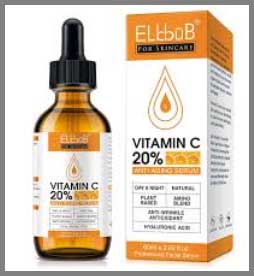
I admit, I was skeptical. The name “Elbbub” (which is just “Bubble” spelled backward) struck me as a classic sign of a “white label” brand—a generic formula bought in bulk and slapped with a new sticker.
But the price was undeniable, so I ordered a bottle to see if it could compete with my usual forty-dollar serum.
The bottle arrived in a simple box, and to my relief, it was amber glass, which is crucial for protecting Vitamin C from light degradation.
The dropper felt a bit flimsy, but functional. The first surprise was the scent.
If you have used high-end serums like Skinceuticals, you expect that “hot dog water” smell. This didn’t have that. It had a faint, almost herbal, citrusy scent—likely from the witch hazel and botanical extracts. It was pleasant, but it immediately told me this wasn’t pure L-Ascorbic Acid (more on that later).
I applied a few drops to my clean, dry face. The texture is slightly thicker than water, bordering on gel-like. It spread easily but left a definite “tacky” feeling as it dried down. It wasn’t greasy, but my skin felt sticky to the touch for about ten minutes until I applied moisturizer over it.
For the first two weeks, I used it every morning. The most notable thing was what didn’t happen: I experienced zero stinging or irritation. Usually, 20% Vitamin C makes my sensitive cheeks flush, but this was incredibly gentle. By the end of the month, my skin did look slightly more hydrated and “fresh,” likely due to the Hyaluronic Acid in the mix.
However, regarding the heavy lifting—fading my stubborn sun spots—the results were mild. It didn’t deliver the rapid brightening punch I get from more expensive, unstable formulas. It felt more like a nice hydrating serum with a side of antioxidants rather than a powerful treatment. It’s a slow burn. If you are patient, it’s a decent daily defender, but don’t expect it to erase years of sun damage overnight.
Pros Of Elbbub Vitamin C Serum
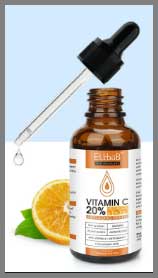
- Gentle and Stable Formulation: The specific type of Vitamin C used here is Sodium Ascorbyl Phosphate (SAP). Unlike the “gold standard” L-Ascorbic Acid, which is highly unstable and acidic, SAP is stable at a neutral pH. This means it is far less likely to oxidize (turn brown and useless) in the bottle, and it won’t sting or burn upon application. It is an excellent choice for teenagers or those with rosacea who usually can’t tolerate Vitamin C.
- Acne-Fighting Capabilities: An often-overlooked benefit of Sodium Ascorbyl Phosphate is its antimicrobial properties. Studies have shown that SAP can be effective in reducing acne-causing bacteria. Many users, myself included, notice fewer small breakouts while using this serum, making it a fantastic dual-purpose product for oily or acne-prone skin types.
- Incredible Value for Money: There is no getting around the price. You are often getting a 30ml (or sometimes 60ml) bottle for under ten dollars. This allows you to be generous with your application. You can use it on your neck, chest, and even the backs of your hands—areas we often neglect because we don’t want to “waste” expensive product—without feeling guilty.
- Hydrating Ingredients: The formula is not just Vitamin C; it is packed with Hyaluronic Acid, Aloe Vera, and Jojoba Oil. This creates a “cushion” of moisture that plumps fine lines immediately upon application. For people with dry skin, this serum acts almost like a light moisturizer, allowing you to skip a step if you are in a rush during humid summer months.
- Widely Accessible: You don’t need to visit a dermatologist or sign up for a subscription. It is available on major marketplaces with fast shipping. If you run out, it is easy to replace, and the low price point makes it a low-risk “add-on” item to try.
Read More: My Thoughts On Vichy Vitamin C Serum
Cons Of Elbbub Vitamin C Serum
- Questionable Potency: While the label screams “20% Vitamin C,” the use of Sodium Ascorbyl Phosphate means it is less potent than 20% pure L-Ascorbic Acid. The skin has to convert SAP into the active form, and the conversion rate isn’t 100%. You are trading potency for stability. If you have deep hyperpigmentation or melasma, this formula might be too weak to make a significant visible difference.
- “White Label” Quality Control: Elbbub appears to be a drop-shipping or white-label brand rather than a skincare house with its own R&D lab. This often means batch inconsistency. One bottle might be clear and perfect, while the next might arrive slightly yellow or with a different viscosity. You are not paying for rigorous, pharmaceutical-grade quality assurance.
- Sticky Texture: The base of the serum uses a lot of humectants and potentially Aloe, which leaves a noticeable sticky residue. If you apply foundation immediately after, it can cause “pilling” (where the product rolls off in little balls). You have to wait a good 5-10 minutes for it to fully absorb, which is annoying on a busy morning.
- Lack of Sourcing Transparency: Unlike brands like The Ordinary or Paula’s Choice, Elbbub does not provide deep insight into where their ingredients are sourced or the pH level of the final product. You are trusting a generic manufacturer. For purists who want to know the exact molecular weight of their Hyaluronic Acid or the source of their Vitamin E, this lack of info is a red flag.
- Confusing Ingredient List: Some listings online mix up the ingredients, sometimes mentioning “Retinol” in the title or description when it’s supposed to be a Vitamin C serum. This “keyword stuffing” is common with generic brands but makes it hard to know exactly what active ingredients you are putting on your face unless you read the box in your hand.
Maintenance Tips For Elbbub Vitamin C Serum
- Store in a Cool, Dark Place: Even though SAP is stable, heat and light are the enemies of all antioxidants. Do not leave the bottle on your bathroom windowsill where the sun hits it. A medicine cabinet or a drawer is best. If your house gets very hot in the summer, keeping it in the fridge can offer a refreshing cooling effect and slightly extend the shelf life.
- Wait Before Moisturizing: To combat the stickiness and ensure absorption, apply the serum to slightly damp skin and then wait. Give it at least 60 seconds to sink in before slapping on your moisturizer. This reduces the “tacky” feeling and prevents pilling under makeup.
- Check the Color Monthly: When you first open the bottle, the serum should be clear or a very pale cloudy white. If it starts turning dark yellow, orange, or brown, it has oxidized. While SAP is stable, the other botanical ingredients can go off. If it looks like tea, toss it—it won’t hurt you, but it won’t help you either.
- Patch Test First: Since this formula contains botanical extracts like Witch Hazel and “herbal infusion,” there is a risk of allergic reaction for some people. Apply a drop behind your ear or on your inner arm 24 hours before putting it on your face to ensure you don’t react to the plant extracts.
- Pair with Sunscreen: Vitamin C boosts the effectiveness of your sunscreen, but it does not replace it. Since you are using this to brighten skin, you must protect that progress with SPF 30+ every single day. Using this serum without sunscreen is like brushing your teeth while eating Oreos—counterproductive.
Comparison with Other Brands
Comparison with The Ordinary
The Ordinary is the direct competitor for budget skincare.
- Vitamin C Suspension 23%: This product from The Ordinary uses pure L-Ascorbic Acid. It is far more potent and effective for brightening than Elbbub. However, it is gritty, stings like crazy, and is unpleasant to use.
- Ascorbyl Glucoside Solution 12%: This is The Ordinary’s stable derivative serum, similar to Elbbub. The Ordinary’s version is texturally more elegant (less sticky) and comes from a brand with high transparency.
- Verdict: If you can handle the grit and want results, buy The Ordinary Suspension. If you want a gentle serum, Elbbub is cheaper per ounce, but The Ordinary is more trustworthy regarding formulation.
Comparison with TruSkin Vitamin C
TruSkin is another Amazon giant.
- Formulation: TruSkin also uses Sodium Ascorbyl Phosphate. The ingredients are remarkably similar to Elbbub.
- Price: TruSkin is usually double the price of Elbbub ($20 vs $10).
- Verdict: Honestly, you are paying for the brand recognition with TruSkin. Elbbub is likely a very similar “white label” formula for half the price. If you like TruSkin but hate the price, Elbbub is a near-identical dupe.
Comparison with Skinceuticals C E Ferulic
Skinceuticals is the gold standard, costing $180+.
- Efficacy: There is no comparison. Skinceuticals uses patented L-Ascorbic Acid at a specific pH that penetrates the skin deeply. It works significantly better and faster.
- Value: You could buy a lifetime supply of Elbbub for the price of one Skinceuticals bottle.
- Verdict: Elbbub is a Toyota Corolla; Skinceuticals is a Ferrari. Both get you to the grocery store (basic antioxidant protection), but the Ferrari gets you there much faster and in more style (rapid anti-aging results).
Also Read: My Thoughts On O Geti Vitamin C Serum
Frequently Asked Questions (FAQ)
Elbbub appears to be a budget-focused, possibly “white label” brand primarily sold through third-party marketplaces. It does not have the same heritage or R&D presence as major drugstore brands like CeraVe or Neutrogena. “Elbbub” is “Bubble” spelled backward, which suggests a quick-to-market branding strategy.
The label states 20%, but it is important to note this is likely 20% of the solution or complex containing the Vitamin C derivative (Sodium Ascorbyl Phosphate), not 20% pure L-Ascorbic Acid. While technically accurate on the label, the biological activity is lower than a 20% pure acid serum.
Sodium Ascorbyl Phosphate is generally considered safe for use during pregnancy, unlike high-dose Retinols. However, because this brand sometimes “stuffs” keywords like “Retinol” into their product titles or descriptions, you must double-check the specific bottle you receive. If the ingredient list on your box includes Retinol (Vitamin A), avoid it during pregnancy.
Unlike pure chemical serums, Elbbub includes “botanical hyaluronic acid” and extracts like Witch Hazel, Aloe, and sometimes Dandelion or Geranium. This gives it a distinct earthy or floral scent, which is normal and does not mean the product has gone bad.
Conclusion
Elbbub Vitamin C Serum is the fast food of skincare: cheap, accessible, and satisfying enough if you aren’t expecting a gourmet experience. It offers a solid, safe entry point into the world of antioxidants without the irritation or price tag of luxury brands. While it lacks the high-octane potency of pure L-Ascorbic Acid, its stable nature makes it a reliable daily workhorse for maintenance and mild brightening. If you have $10 and want to feel like you have a “routine,” buy it. If you have serious pigmentation issues to solve, save your money for a more clinically proven formula.