
If you scroll through wellness Instagram or listen to biohacking podcasts, you have almost certainly seen someone holding a device that looks like a futuristic glow-stick filled with water. Hydrogen water—water infused with extra molecular hydrogen gas—is currently having a massive moment.
The Echo Go+ is arguably the most recognizable bottle in this space, promised to be the key to better focus, reduced inflammation, and faster workout recovery. But with a price tag that could buy you a year’s supply of fancy mineral water, you have to ask: is it actually doing anything, or are you just drinking expensive bubbles?
Buy this product if: You are a dedicated biohacker or athlete looking for a portable, high-concentration hydrogen generator backed by a reputable warranty and verified testing, and you prioritize “on-the-go” convenience.
Pass on this product if: You are on a tight budget, you are expecting a magical overnight cure for chronic illness, or you drink large volumes of water and will get frustrated by the small 10-ounce capacity that requires constant refilling.
My Experience With Echo Go+ Hydrogen Water Bottle
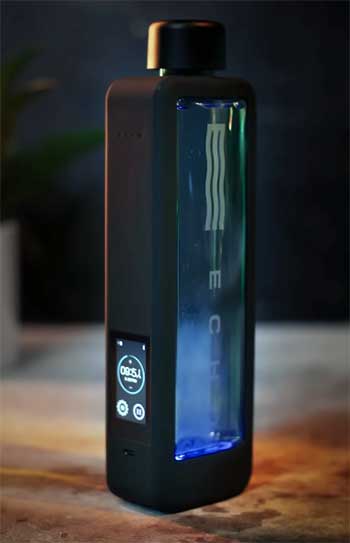
I’ll admit, I felt a little ridiculous the first time I used the Echo Go+.
I sat at my desk, filled the small cylinder with filtered water, and pressed the button.
The blue light turned on, and a stream of tiny bubbles started rising from the base like a science experiment.
It was mesmerizing to watch, but I was still skeptical.
I’m used to water just being… water.
The bottle itself feels solid. It’s made of a heavy-duty plastic (polycarbonate) rather than glass, which I actually prefer because I’m clumsy and drop things constantly at the gym.
It’s surprisingly small—much smaller than my usual Nalgene. It only holds about 10 ounces (roughly 300ml), which means I found myself refilling it constantly.
The taste was the first thing I checked. Honestly? It tastes like water. Maybe slightly “smoother” or lighter, but that could purely be placebo. However, the experience of drinking it was where things got interesting. About 20 minutes after finishing my first “10-minute cycle” bottle, I felt a subtle clarity.
It wasn’t a caffeine jitter or a sugar rush; it was just a lack of brain fog. I hit my afternoon slump usually around 2 PM, but that day, I powered through until 5 PM without needing my second coffee.
I took it to the gym for a week to test the recovery claims. I usually get sore quads after leg day. While the Echo water didn’t magically erase the pain, I did notice I felt less “heavy” the next morning. Was it the hydrogen? Or was it just that I was paying so much attention to my hydration that I was drinking more water than usual? It’s hard to say definitively.
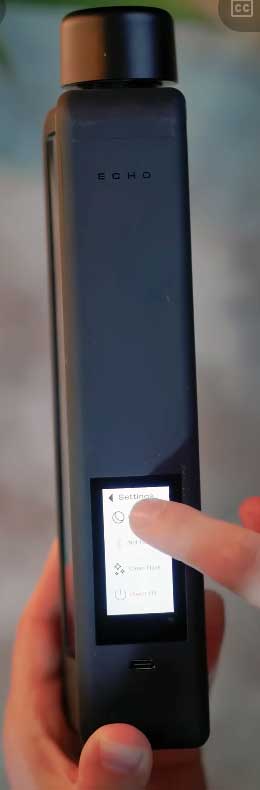
One annoyance I didn’t expect was the “burp.” When you open the lid after a cycle, there is a loud pop of pressurized gas releasing. It made people turn heads in the quiet library where I was working. Also, you have to be diligent about keeping the internal membrane wet. You can’t just throw it in a drawer for a month and expect it to work; it requires a bit of babysitting.
Overall, it became a fun ritual. It felt like I was doing something proactive for my health, and the device itself is a cool conversation starter. It hasn’t turned me into Superman, but it has definitely made me more conscious of my hydration and energy levels.
Also read: My Thoughts on Evolv Hydrogen Water Bottle
Pros Of Echo Hydrogen Water Bottle
- Verified Hydrogen Concentration: The biggest problem in the hydrogen water market is fraud. Many cheap bottles on Amazon claim high numbers but barely produce a fizz. The Echo Go+ uses advanced Proton Exchange Membrane (PEM) and Solid Polymer Electrolysis (SPE) technology. This allows it to produce therapeutic levels of hydrogen—up to 2.5 ppm in a 5-minute cycle and upwards of 4.5 ppm in a 10-minute cycle. These are some of the highest numbers tested for a portable device. Unlike cheap ionizers that change the pH of your water (making it alkaline), this technology adds hydrogen without altering the pH, so you aren’t messing with your stomach acid.
- Portability and Durability: Most high-end hydrogen machines are countertop units that cost thousands of dollars and stay in your kitchen. The Echo Go+ is designed to live in your gym bag. The use of BPA-free, food-grade polycarbonate instead of glass is a smart move for a “lifestyle” product. It is shatter-resistant and lightweight. The USB-C charging port means you can charge it with the same cable you use for your laptop or phone, making it incredibly travel-friendly for flights or road trips.
- Five-Year Warranty: This is a massive differentiator. Electronic water bottles are prone to failure because water and electronics generally don’t mix well. Most competitors offer a 1-year warranty at best. Echo offers a 5-year warranty on defects. This suggests a level of confidence in their build quality that justifies the higher price point. If the generator stops bubbling in year three, you aren’t out $250.
- Self-Cleaning Function: Bacteria love moist environments, and reusable bottles can get gross quickly. The Echo Go+ has a self-cleaning mode (often activated by holding the button or a specific button combination) that reverses the polarity of the electrodes. This helps prevent calcium scale buildup on the plates, which is the number one reason these bottles stop working over time. It doesn’t replace washing the bottle, but it keeps the technical components functioning smoother for longer.
Cons Of Echo Hydrogen Water Bottle
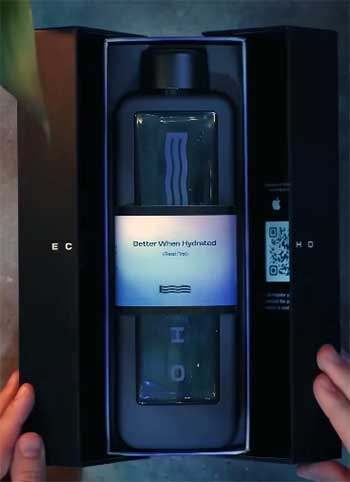
- Extremely Small Capacity (10 oz): This is the most common complaint from users. The bottle is tiny. It holds roughly 10 ounces of water. If you are an adult trying to drink a gallon of water a day, you would need to run a cycle and drink from this bottle over 12 times a day. It is not a “water bottle” in the traditional sense; it is a “dosing device.” You cannot use it to carry water on a long hike. You have to carry a separate large water bottle and keep pouring water into the Echo to treat it, which can be tedious.
- High Upfront Cost: At around $250 (depending on sales), this is an expensive piece of plastic. You are paying for the generator technology at the bottom, not the bottle itself. For many people, spending that much on a water bottle is hard to justify, especially when the science on hydrogen water, while promising, is still considered “emerging” rather than “definitive” by the medical community. You are paying an “early adopter” tax.
- Strict Maintenance Requirements: You cannot treat this like a Yeti or a HydroFlask. You cannot put it in the dishwasher. You cannot use hot water. You cannot use sparkling water or juice (it will ruin the membrane). You have to keep the generator wet at all times, even when not in use, or the membrane can dry out and crack. If you leave it in your car on a hot day or a freezing night, you could destroy the battery or the plates. It requires a level of care and attention that a normal water bottle does not.
- Charging Frequency: While portable, the battery life isn’t infinite. If you are using the 10-minute high-concentration cycle frequently (which you should, to get the benefits), you will get about 10-15 cycles per charge. This means if you are a heavy user, you will be charging it every day or every other day. If you forget to charge it, you are just carrying around a very small, very expensive regular water bottle.
Also read: My Thoughts on seirus xtreme all weather gloves
Maintenance Tips For Echo Hydrogen Water Bottle
- The “Never Dry” Rule: The most critical rule for owning an Echo bottle is to keep the generator moist. The Proton Exchange Membrane needs water to function. When you receive the bottle, there is usually a small amount of moisture in the cap or base—this is intentional. If you are going on vacation or not using the bottle for a week, leave a small amount of distilled water in the bottom to keep the membrane hydrated. If it dries out completely, it may struggle to produce hydrogen or stop working entirely.
- Vinegar Descaling Ritual: Over time, minerals from your water (calcium, lime) will build up on the delicate metal plates in the base. You might not see it, but you will notice the bubbles getting smaller or fewer. Once a month, perform a deep clean. Mix 1 part white vinegar with 3 parts water and pour it into the bottle. Let it soak for 60 to 90 minutes. Do not turn the bottle on while soaking. Pour it out, rinse thoroughly with warm water, and then run a regular cycle with plain water (dump that one out) before drinking again. This dissolves the mineral scale and restores performance.
- Hand Wash Only (Carefully): Never, ever put the base (the part with the button and USB port) in the dishwasher. The heat and water pressure will fry the electronics instantly. To clean the bottle part, unscrew the top plastic section if possible, or just use a soft bottle brush with mild dish soap and warm water inside. Be very careful not to scrub the bottom grid (the generator) with a rough brush, as you can scratch the coating on the electrodes. Wipe the outside of the base with a damp cloth, avoiding the charging port.
- Water Selection Matters: While the Echo can technically handle tap water, chlorine is the enemy of the PEM membrane. Chlorine can degrade the platinum coating over time. It is highly recommended to use filtered water, Reverse Osmosis (RO) water, or distilled water. If you must use tap water, try to use a filter pitcher first to remove the chlorine. This will significantly extend the lifespan of your device and ensure you aren’t inhaling/drinking chlorine gas byproducts.
- Vent the Pressure: When the hydrogen generation cycle runs, it is creating gas in a sealed container. Pressure builds up. Do not run the cycle multiple times back-to-back without opening the lid in between. If you run it 3 or 4 times to try and get “super water,” the pressure can actually damage the seals or cause the bottle to leak (or spray water on you when you finally open it). Run one cycle, drink, and repeat.
Comparison with Other Brands
- Echo Go+ vs. Piurify Hydrogen Generator:Piurify is a major competitor often popping up on social media. The main difference is the design and claimed functionality. Piurify often includes a “nasal cannula” attachment, allowing you to breathe the hydrogen gas directly, which Echo does not typically market with their bottle. However, Echo generally has a better reputation for durability. Piurify bottles are often glass, which feels premium but breaks easily. Echo’s polycarbonate is drop-proof. Echo also tends to test higher in independent third-party tests for actual hydrogen concentration (ppm) compared to Piurify’s claims, which some users find inconsistent.
- Echo Go+ vs. Generic Amazon Brands (under $100):If you search “hydrogen water bottle” on Amazon, you will see dozens of options for $40-$80. Do not buy these. Most cheap bottles use old electrolysis technology (no membrane) that puts the metal plates directly in contact with the water. This can leach heavy metals (nickel, chromium) into your water and produce chlorine gas and ozone along with the hydrogen. They effectively make “dirty” water. Echo uses PEM/SPE technology which separates the gases, ensuring you only get pure hydrogen. The price difference is effectively the difference between a medical device and a dangerous toy.
- Echo Go+ vs. Ion Bottlz:Ion Bottlz is another reputable brand using similar PEM technology. The performance is very comparable. The main difference often comes down to the warranty and form factor. Echo offers a 5-year warranty, while Ion Bottlz typically offers 1 year (unless they have updated recently). Echo’s customer support is US-based (Utah), which can be easier to deal with for returns than some competitors that drop-ship from overseas. However, some users find the design of the Ion Bottlz slightly more aesthetic / sleek compared to the utilitarian look of the Echo.
Frequently Asked Questions (FAQ)
Wait, I think you mean Echo Water bottles! (Correcting for context): Are Echo Hydrogen Bottles good?
Yes, in the world of hydrogen water, Echo is considered a “gold standard” brand. They use safe, medical-grade technology that prevents the creation of harmful byproducts like ozone or chlorine gas, which is a common issue with cheaper imitation bottles.
Context Correction: Is hydrogen water worth it?
If you have the budget, yes. While the science is still evolving, many users report significant benefits regarding energy, recovery, and reduced inflammation. It is a safe wellness intervention with no negative side effects. However, if $250 is a financial strain, you are better off focusing on sleep and diet first.
The Echo Go+ is widely considered the best portable option due to its high ppm output and warranty. For home use, the Echo H2 Server (under sink) is superior but much more expensive. Ion Bottlz and H2 Life are also reputable alternatives if you want to compare features.
Conclusion
The Echo Go+ is a serious tool for serious health enthusiasts. It solves the problem of how to get high-quality hydrogen water while traveling or at the gym. While the small capacity is annoying and the price is steep, the build quality and the safety of the technology make it a much smarter buy than the cheap knock-offs flooding the market. If you are ready to experiment with hydrogen for your energy and recovery, this is the safest and most reliable way to do it.