
If you’re tired of bloating, irregular digestion, or just want better gut health without gimmicks, Dr. Formulated Probiotics deserves a serious look. I’ve used it daily for over six months, and I’m convinced it’s one of the few probiotic formulas that actually delivers noticeable results for most people. Stick around for my real experience, pros, cons, and whether it’s worth your money.
My Experience With Dr. Formulated Probiotics

I started taking Dr. Formulated Probiotics (the Once Daily Women’s version) back in early 2025 because my digestion had been a mess for years. Stress, travel, and way too much coffee had turned my stomach into a war zone.
I’d tried cheaper store brands before, but they either did nothing or left me gassy and uncomfortable.
The first thing that struck me was how easy it is to take—no refrigeration needed, just one capsule a day with or without food.
That alone made me actually stick with it, unlike the refrigerated ones that always end up forgotten in the back of the fridge.
Week one felt uneventful, but by week three I noticed my morning bathroom routine became way more predictable. No more guessing whether today would be a good day or a “stay near the bathroom” day.
My bloating after meals also dropped significantly. I used to look four months pregnant after a bowl of pasta—seriously. Now it’s rare.
Around month two I realized something else: my energy levels were steadier. I’m not saying I turned into a morning person, but the mid-afternoon crash I used to get almost every day became much milder.
I later learned that better gut health can improve nutrient absorption and even affect serotonin production, so that made sense.
Sleep improved too. I used to wake up at 3 a.m. with stomach gurgling. That almost completely stopped after about ten weeks. I also had fewer sugar cravings, which was a pleasant surprise.
The only downside early on was mild gas for the first 10–14 days. It wasn’t terrible, but it was noticeable. After that adjustment period, it vanished completely.
At the six-month mark, I can honestly say my gut feels more balanced than it has in years. I still get occasional issues when I travel or eat junk food for a few days, but overall the difference is night and day.
I’ve even convinced my husband to start taking the men’s version, and he’s reporting similar improvements.
Would I buy it again? Yes, without hesitation. Is it perfect? No. But for me, it’s been worth every penny.
Also read: My Thoughts on Vega Sport Protein Powder
Pros Of Dr. Formulated Probiotics

- No refrigeration required: You can keep the bottle on your nightstand or in your travel bag without worrying about spoilage. This convenience alone makes it easier to stay consistent.
- High CFU count with diverse strains: Most formulas I’ve tried have 10–20 billion CFUs and only 3–5 strains. Dr. Formulated packs 50 billion CFUs and 16 strains, including key players like Lactobacillus acidophilus and Bifidobacterium lactis.
- Doctor-formulated credibility: Created by Dr. David Perlmutter, a well-known neurologist and gut-health author. Whether you agree with all his views or not, the formulation feels more science-backed than many influencer-driven brands.
- Targeted versions available: Separate formulas for women, men, kids, mood, prostate, and even prenatal. I appreciate that they’re not just selling one generic product to everyone.
- Includes prebiotics: The addition of organic acacia fiber acts as food for the good bacteria, helping them colonize better. Many cheaper probiotics skip this step.
- Delayed-release capsules: The capsules are designed to survive stomach acid and release in the intestines where they’re needed most.
- Third-party tested: Every batch is tested for purity and potency by independent labs, which gives me peace of mind.
- Noticeable digestive improvements: For me, regularity improved within three weeks and bloating decreased significantly. Many users report the same.
- No major allergens: Free of dairy, soy, gluten, and GMOs, making it suitable for a wide range of dietary needs.
- 30-day money-back guarantee: If you don’t feel a difference, you can return it. I never needed to, but it’s nice to know the option exists.
Cons Of Dr. Formulated Probiotics
- Higher price point: At roughly $35–45 for a 30-day supply, it’s more expensive than basic drugstore brands that cost $10–15. You definitely pay for the quality and research.
- Initial adjustment period: For the first 1–2 weeks, some people (myself included) experience mild gas or bloating as the gut microbiome adjusts. It’s temporary, but it can be uncomfortable.
- Large capsule size: The capsules are bigger than average. If you have trouble swallowing pills, you might need to open them and mix with water or food (though that’s not ideal).
- Not the cheapest option: If you’re on a tight budget, there are less expensive alternatives that still provide some benefit, though usually with fewer strains and lower CFU counts.
- Results vary by individual: While most people notice improvements, a small percentage report no change. Gut health is highly personal, so your mileage may vary.
- No subscription discount on some platforms: Unlike competitors, Garden of Life (the parent company) doesn’t always offer big subscription savings on Amazon or their site.
- Some strains are still being researched: While the formula is solid, not every single strain has mountains of clinical evidence behind it. That’s true for almost all probiotics, though.
Maintenance Tips For Dr. Formulated Probiotics
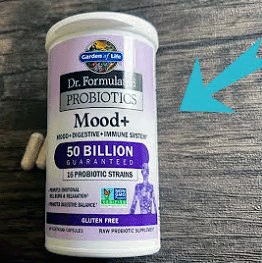
- Take it consistently every day: The biggest mistake I see people make is skipping days. Pick a time (I do breakfast) and make it a habit. Consistency is everything with probiotics.
- Store in a cool, dry place: Even though it doesn’t need refrigeration, keep it away from direct sunlight and heat. I keep mine in a kitchen cabinet, not the bathroom where humidity can build up.
- Pair it with prebiotic-rich foods: Eat bananas, onions, garlic, asparagus, and oats regularly. These feed the good bacteria and help the probiotic strains thrive.
- Avoid taking it with hot drinks: The heat can kill some of the live bacteria. I wait 30 minutes after my morning coffee before taking the capsule.
- Don’t stop cold turkey if you want to pause: If you’re going to take a break, taper down to every other day for a week first. Abruptly stopping can sometimes cause minor digestive shifts.
- Combine with a fiber-rich diet: Low-fiber diets make probiotics less effective. Aim for 25–30 grams of fiber daily to keep things moving.
- Stay hydrated: Probiotics work better when you’re well hydrated. I noticed better results when I upped my water intake to 8–10 glasses a day.
- Be patient—give it at least 4 weeks: Don’t judge too early. Most of the real changes happened for me between weeks 3 and 8.
- Check expiration date: Live cultures lose potency over time. I always buy bottles with at least 12 months left before expiration.
Comparison With Other Brands
Dr. Formulated Probiotics vs. Culturelle
Culturelle is everywhere and costs less—usually $20–25 for a month’s supply. It contains only one main strain (Lactobacillus rhamnosus GG) with 10 billion CFUs. It’s great if you have antibiotic-associated diarrhea, but it doesn’t offer the broad-spectrum approach Dr. Formulated does. I found Culturelle helpful during travel, but it didn’t improve my overall regularity or bloating the way Dr. Formulated did.
Dr. Formulated Probiotics vs. Align
Align is the #1 gastroenterologist-recommended brand and focuses heavily on Bifidobacterium 35624. It’s excellent for IBS symptoms, but it’s also pricier (around $40–50) and has only one strain. Dr. Formulated gives you 16 strains at a similar price point, so I personally prefer the wider coverage.
Dr. Formulated Probiotics vs. Seed DS-01
Seed is trendy and very science-forward, with 24 strains and a unique delivery system. It costs almost double what Dr. Formulated does ($50+ per month) and requires refrigeration. For me, the extra cost and hassle weren’t worth it when Dr. Formulated gave similar or better results.
Dr. Formulated Probiotics vs. Garden of Life Raw Probiotics
Garden of Life’s Raw line has even more strains (32+) and 100 billion CFUs, but it requires refrigeration and costs more. I tried both and found the Dr. Formulated Once Daily version easier to stick with long-term.
Dr. Formulated Probiotics vs. Renew Life Ultimate Flora
Renew Life offers high-potency options (50–200 billion CFUs), but their capsules are huge and many versions need refrigeration. Dr. Formulated strikes a better balance for daily convenience.
Read more: My Thoughts on Magic Chef Microwave Oven
Frequently Asked Questions (FAQ)
Yes, for most people it does. I noticed better regularity, less bloating, and steadier energy after about a month. Clinical studies on multi-strain probiotics support improvements in digestion, immunity, and even mood. Results vary, but the majority of users report positive changes within 4–8 weeks.
Most people experience none. The most common temporary side effect is mild gas or bloating during the first 1–2 weeks while your gut adjusts. Rarely, some report loose stools or mild stomach discomfort. These usually resolve quickly. If you have a compromised immune system, consult your doctor first.
Align (Bifidobacterium 35624) is currently the #1 gastroenterologist-recommended probiotic in the U.S. However, Dr. Formulated is widely recommended by functional medicine doctors and nutritionists who prefer multi-strain formulas.
Conclusion
After six months of daily use, I can confidently say Dr. Formulated Probiotics is worth the investment if you want real, noticeable improvements in gut health. It’s not the cheapest option, but the quality, convenience, and results make it stand out. If you’re serious about fixing your digestion, this is one of the best choices you can make. Give it a try—you might be surprised at how much better you can feel.