
When you have healthy feet, you barely think about your shoes. You grab whatever looks good on the shelf, slide them on, and go about your day. But the moment you start dealing with plantar fasciitis, diabetes, or even just the aches and pains of aging, footwear changes from a fashion statement into a medical necessity. You have probably seen Dr. Comfort shoes displayed in podiatry clinics or listed in medical supply catalogs, promising relief for swollen, sensitive feet. But with a price tag that often exceeds standard sneakers and a reputation tied heavily to diabetic care, you might be wondering if they are actually stylish or comfortable enough for everyday life.
In this comprehensive review, I am going to break down everything you need to know about Dr. Comfort shoes, from their specialized depth to their real-world durability. I will analyze the construction quality, the effectiveness of their gel inserts, and how they stack up against other orthopedic giants like Orthofeet and SAS. Whether you are navigating a new diabetes diagnosis or just tired of squeezing your toes into narrow boots, this guide will help you decide if Dr. Comfort is the prescription your feet actually need.
My Experience With Dr. Comfort Shoes
I came to the Dr. Comfort brand not by choice, but out of necessity. After a minor foot injury exacerbated by years of wearing flat, unsupportive loafers, my podiatrist gently suggested that it was time to “grow up” and buy shoes that actually respected my anatomy. I was hesitant. My mental image of orthopedic shoes involved clunky, beige blocks that looked like they belonged in a nursing home. However, the constant throb in my heel convinced me to give the Dr. Comfort Performance Athletic Shoe a try.
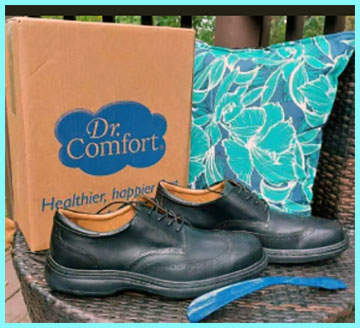
The first thing that struck me upon opening the box was the weight—or rather, the lack of it.
Despite looking substantial, the shoes felt incredibly light in my hands.
I opted for the “Performance” model because it looked the most like a normal sneaker, and I wasn’t quite ready to commit to the full orthopedic aesthetic.
Slipping them on was a revelation. The extra depth in the shoe is immediately noticeable. Unlike standard Nikes or Adidas that hug your foot tightly, these felt cavernous in the toe box.
My toes could wiggle freely, and there was zero pressure on the sides of my feet.
The break-in period was practically non-existent. Usually, I expect a blister or two on the heel with new shoes, especially stiff leather ones, but the padded collar and seamless lining lived up to the hype. I walked about two miles on the first day, and for the first time in months, I didn’t immediately reach for an ice pack when I got home. The included gel inserts are a major step up from the flimsy foam insoles you get in regular shoes; they actually have some bounce and arch contouring.
However, the experience wasn’t entirely perfect. While they are marketed as “stylish,” they are still noticeably wider and bulkier than a fashion sneaker. Looking down, my feet looked bigger than usual. I also found that the laces were incredibly long, requiring a double knot to keep them from dragging, which is a minor annoyance but worth noting.
Over the next three months, I wore them almost daily. They became my go-to “walking the dog” and “grocery run” shoes. The relief in my arches was sustained, and the swelling I typically get in the afternoons seemed managed by the roomy fit. But around the four-month mark, I started noticing some wear on the inner lining of the heel—a common friction point. It wasn’t falling apart, but it showed age faster than I expected for a shoe at this price point.
Ultimately, my time with Dr. Comfort taught me that function truly does beat form when you are in pain. They aren’t the shoes I wear to a dinner date, but they are the shoes that allow me to walk comfortably enough to even think about going on a date. If you can get past the “medical” vibe, the comfort level is genuinely hard to beat.
Read More: My Thoughts On Breeze Urban Shoes
Pros Of Dr. Comfort Shoes
When evaluating Dr. Comfort against standard retail footwear, the differences in engineering are stark. These are built with pathology in mind, not just aesthetics. Here are the specific benefits that make them a standout choice for anyone with foot health concerns.
- Exceptional Depth and Volume: The defining feature of this brand is the “extra depth” construction. Most commercial shoes taper at the toe and sit low on the instep, which causes friction for anyone with hammertoes, bunions, or high arches. Dr. Comfort shoes are built deeper, providing roughly a quarter-inch or more of extra space inside the shoe. This allows you to insert substantial custom orthotics without pushing your foot out of the shoe. If you have swollen feet (edema), this extra volume is the difference between being able to wear shoes and being stuck in slippers.
- Medicare-Approved Quality (A5500 Code): Many of their models are certified as diabetic footwear under Medicare Part B (code A5500). This certification isn’t just a billing code; it means the shoe meets strict standards for quality, protection, and fitting. The interior is designed to be seamless to prevent any rubbing that could cause ulcers in diabetic patients. For you, this means you are buying a product that has been vetted by medical standards, ensuring a level of safety and skin protection that fashion brands simply do not care about.
- Premium Gel Inserts Included: You don’t just get the shoes; you typically get a pair of their high-quality Dr. Comfort gel inserts in the box. In most other brands, the “stock” insole is a throwaway piece of thin foam that you are expected to replace immediately. These inserts provide legitimate shock absorption and arch support right out of the gate. They feature a deep heel cup that helps stabilize the foot and align the ankle, reducing the strain on your knees and hips during walking.
- Wide Range of Widths: Finding a shoe that fits is a nightmare if you have wide feet, but Dr. Comfort specializes in this. They don’t just stop at “Wide”; many styles are available in Extra Wide (2E) and even Extra-Extra Wide (4E). This is crucial because squeezing a wide foot into a medium shoe cuts off circulation and creates pressure points. Having access to these specialized widths allows you to get a near-custom fit without the price tag of a bespoke shoemaker.
Cons Of Dr. Comfort Shoes
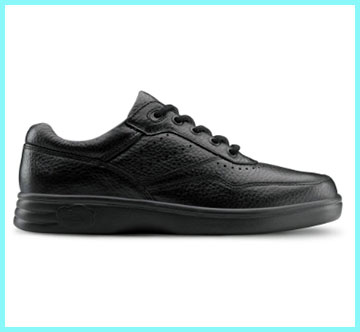
While they excel in medical function, they are not immune to criticism. There are real-world drawbacks regarding durability and style that potential buyers need to weigh before investing.
- Durability Concerns with Heavy Use: Despite the high price, a recurring complaint from users—and something I noticed—is that the soles and linings can wear down faster than expected. The materials are chosen for softness and comfort (to protect the skin), but soft materials often lack the rugged abrasion resistance of hard rubber or stiff leather. If you are walking ten miles a day on concrete, you might find the tread smoothing out or the heel lining fraying within six months. They are designed more for “protective walking” rather than rugged hiking or high-impact sports.
- Bulky and Dated Aesthetic: The company has made efforts to modernize their designs, but they still scream “orthopedic.” The wider toe box and thicker sole give the shoe a distinctively chunky silhouette that can be hard to pair with jeans or business casual attire. Even the “dress” shoes tend to look a bit boxy compared to a sleek Oxford or loafer. If you are self-conscious about your footwear looking “medicinal,” you might struggle to find a style in their catalog that truly excites you.
- Sizing Inconsistencies: While they offer many widths, getting the sizing right without a professional fitting can be tricky. Some users report that the heel area can be too wide even in the correct length, leading to slippage. Others find that the tongue of the shoe isn’t wide enough to fully cover a high instep, leaving gaps where the socks show through. Because these are often sold online or through catalogs, the “trial and error” process of finding your exact size can be frustrating and involve multiple returns.
- High Out-of-Pocket Cost: If you do not have a prescription or Medicare coverage, these shoes are an expensive investment. You are paying for the medical engineering, but $140 to $170 for a pair of sneakers is a steep ask for many budgets. Unlike fashion brands that go on sale frequently, Dr. Comfort prices tend to remain fairly stable and high. You have to view them as a medical device rather than just apparel to justify the cost, which can be a hard pill to swallow if you are on a fixed income.
Maintenance Tips For Dr. Comfort Shoes
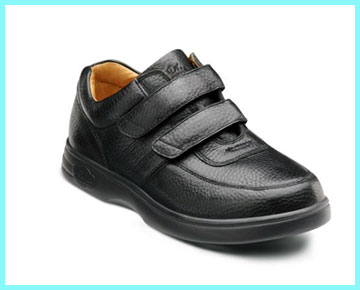
Because these shoes are often worn by people with sensitive feet, keeping them clean and structurally sound is about health, not just looks. A dirty or worn-out shoe can lead to infections or loss of support.
- Inspect the Interior Daily: If you have diabetes or neuropathy, you must check the inside of your shoes every single time you take them off or put them on. Run your hand inside to feel for any pebbles, torn lining, or rough seams that could damage your skin. Because neuropathy dulls sensation, you might not feel a small stone cutting your foot until it is too late. Keeping the interior pristine is the most important maintenance step you can take to prevent injury.
- Clean Leather Gently and Regularly: For the leather models, avoid soaking them in water, which can stiffen the material and create friction points. Use a damp cloth with mild soap to wipe down the exterior, then follow up with a leather conditioner to keep the upper soft and pliable. Hard, cracked leather is the enemy of comfort; you want the shoe to move with your foot, not fight against it. Polish them occasionally if they are dress shoes, but ensure the polish doesn’t build up in the creases.
- Wash Inserts with Care: The gel inserts can absorb sweat and bacteria over time, leading to odor. Hand wash the inserts in warm water with a mild detergent and let them air dry completely. Never put the inserts or the shoes in a dryer or near a radiator; heat can warp the gel and shrink the specialized foams, ruining the custom fit. If the inserts start to smell permanently or lose their bounce, replace them immediately rather than trying to salvage them.
- Rotate Your Shoes: To extend the life of the soft cushioning, try not to wear the same pair two days in a row. Giving the foam and gel 24 hours to “rebound” and dry out ensures that the support system lasts longer. Moisture from sweat breaks down shoe materials faster than you think; letting them dry out fully between wears preserves the structural integrity of the heel counter and the sole.
Comparison with Other Brands
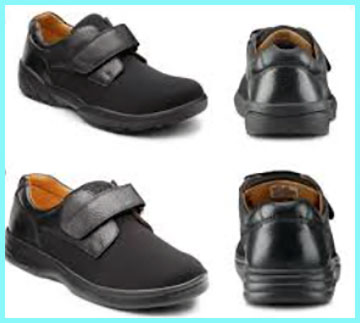
Dr. Comfort is a giant in the industry, but it is not the only option. Understanding how it differs from its main rivals will help you choose the right tool for your specific foot issues.
- Orthofeet: This brand is arguably the biggest direct competitor in the online orthopedic space. Comparison: Orthofeet focuses heavily on their “Orthou-Cushion” system and easy-entry features like the “Hands-Free” heel. Orthofeet shoes generally have a softer, more cushioned interior right out of the box compared to the slightly firmer feel of Dr. Comfort. Dr. Comfort often wins on pure depth and width options for severe edema, but Orthofeet wins on convenience and modern “sneaker” styling. If you have trouble bending down to tie shoes, Orthofeet’s hands-free technology is superior. If you need maximum volume for a custom brace (AFO), Dr. Comfort’s double-depth models are often the better mechanical fit.
- Propet: Propet is known for being the value-king of wide footwear. Comparison: Propet shoes are significantly cheaper than Dr. Comfort, often available for under $80. They offer massive width options (up to 5E in some styles), which rivals Dr. Comfort. However, the build quality of Propet is noticeably lower; they feel flimsier and offer less torsional stability. Dr. Comfort shoes feel more like a medical device with rigid support, while Propet feels like a soft, wide slipper. If budget is your primary concern and you just need room, Propet is fine. If you need serious arch support and stability to prevent falls or protect a diabetic foot, Dr. Comfort is worth the extra money.
- SAS (San Antonio Shoemakers): SAS is a legendary American brand known for handcrafted leather comfort shoes. Comparison: SAS shoes are built like tanks and often last for years, far outliving a typical pair of Dr. Comforts. They are made in the USA (mostly) and have a loyal following among the elderly for their supreme comfort. However, SAS is even more expensive, often pushing $200+, and their styles are extremely traditional (some might say “old-fashioned”). Dr. Comfort offers better integration for medical inserts and diabetic-specific protection (seamless interiors) at a slightly lower price point. If durability is your number one priority and you don’t use custom orthotics, SAS is the winner. If you need a certified diabetic shoe with specific depth for inserts, Dr. Comfort is the specialized choice.
Also Read: My Thoughts On Barefoot Vitality Shoes
Frequently Asked Questions (FAQ)
Yes, many Dr. Comfort styles are Medicare-approved under the Therapeutic Shoe Bill (code A5500) for patients with diabetes. If you have a comprehensive care plan for diabetes, Medicare may cover one pair of extra-depth shoes and three pairs of inserts per calendar year. You must obtain a prescription from your doctor and purchase them through a qualified supplier to get reimbursement; buying them directly off Amazon usually does not qualify.
For leather styles, wipe them down with a damp cloth and mild soap, then apply a leather conditioner to keep them soft. For the athletic mesh styles, you can hand wash them with warm water and a soft brush. Never put them in the washing machine or dryer, as the heat and agitation can destroy the structure of the heel counter and warp the protective inserts. Always let them air dry naturally away from direct sunlight.
Generally, yes, but because they are designed with extra volume, they can feel “looser” than standard shoes. Most podiatrists recommend ordering your true length, but paying close attention to the width. If you are between sizes, it is usually safer to go up a half size to ensure your toes have ample room, as a shoe that is too short can cause dangerous pressure points for diabetics.
Absolutely. While they are engineered for diabetic feet, the features—extra depth, wide toe box, and arch support—are excellent for anyone with plantar fasciitis, bunions, arthritis, or general foot fatigue. Many people work in them (like nurses or chefs) simply because they provide all-day comfort and room for swelling, regardless of their medical status.
Conclusion
Dr. Comfort shoes occupy a vital niche in the footwear world. They aren’t trying to be the coolest kicks on the block; they are trying to be the safest. For anyone suffering from diabetes, severe neuropathy, or simply feet that refuse to fit into standard molds, these shoes offer a level of relief and protection that is hard to find elsewhere. The combination of medical-grade construction, extra depth, and quality inserts makes them a powerful tool for maintaining mobility.
However, you have to accept them for what they are: medical equipment you wear on your feet. They are pricey, slightly bulky, and require care to last. If you can make peace with the aesthetic and the cost, the payoff is walking without pain—a luxury that, once lost, you will pay anything to regain. If your feet have been screaming at you in your current shoes, Dr. Comfort might just be the quiet relief they have been waiting for.