
Becoming a parent often feels like enrolling in a crash course on logistics. Suddenly, a quick trip to the grocery store requires the tactical planning of a military operation. You have the diaper bag, the baby, the car seat, and the stroller frame that takes up your entire trunk. It is exhausted just thinking about it. This is why the Doona Car Seat Stroller has become a viral sensation. It promises to solve the “luggage” problem by being the world’s first infant car seat with integrated wheels that flip down in seconds.
In this review, I am going to dismantle the hype and give you a brutally honest look at whether this hybrid gear is a lifesaver or just a heavy novelty. We will explore how it actually handles on city streets, if it is worth the high price tag for such a short usage window, and how it compares to the newer competitors trying to steal its crown. If you are a city dweller, a frequent flyer, or someone who simply hates carrying heavy buckets, this guide will help you decide if the Doona is the right co-pilot for your parenting journey.
My Experience With Doona Car Seat Stroller
I decided to pull the trigger on the Doona after a particularly disastrous trip to the airport with my first child. trying to juggle a traditional car seat, a separate stroller frame, and two suitcases while navigating security was a nightmare I never wanted to repeat. When my second baby arrived, I knew I needed a more streamlined solution. I picked up the Doona in “Nitro Black” because I wanted something sleek that wouldn’t show stains easily.
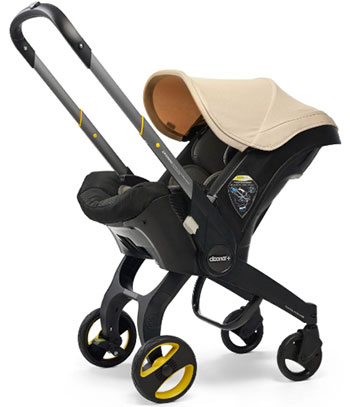
The first time I used it was a revelation.
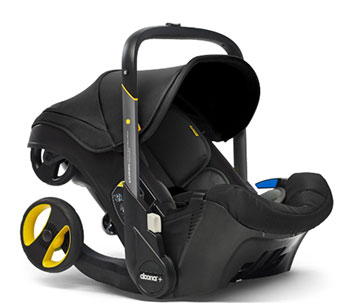
I strapped the baby in while we were still inside the house, rolled him out the door, and clicked the car seat directly into the LATCH base in my car.
No folding a stroller frame. No lifting a heavy carrier while trying to balance on one foot.
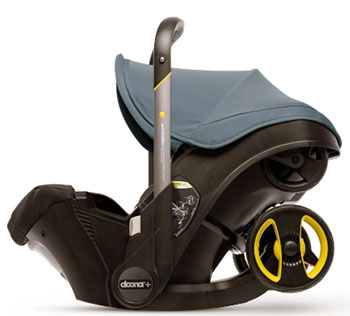
I just retracted the wheels, and click, we were ready to go. It felt like I had unlocked a cheat code for leaving the house.
Taking it out in the real world, specifically on a trip to New York City, is where it truly shined.
Jumping in and out of Ubers was effortless.
I didn’t have to awkwardly ask the driver to pop the trunk for a stroller frame; I just collapsed the wheels (which takes about two seconds once you get the muscle memory down) and buckled the seat in using the taxi’s seatbelt. The European belt path makes baseless installation incredibly secure and fast. The anxiety of holding up traffic while fiddling with gear completely vanished.
However, it wasn’t all smooth sailing. The first thing you notice is the weight. At 16.5 pounds without the baby, this thing is a tank compared to a standard 8-pound infant carrier. Lifting it out of a low sedan or a high SUV requires some real bicep strength. There were days when my back definitely felt the strain of hoisting a 20-pound baby inside a 16-pound seat. It is manageable for short bursts, but you won’t want to carry this up three flights of stairs.
The suspension is virtually non-existent. On the smooth floors of Target or the airport terminal, it glides like butter. But on the cracked sidewalks of my neighborhood or a cobblestone path, the baby felt every bump. The wheels are small and hard, designed for compactness rather than terrain. I also found the lack of storage frustrating. I am used to tossing my purse and a shopping bag under the stroller, but with the Doona, you have zero cargo space unless you buy the snap-on bag (which you have to remove before folding, defeating the purpose of speed).
Despite the heaviness and the lack of a basket, the freedom it gave me was undeniable. Being able to go from “stroller mode” to “car seat mode” without waking a sleeping infant is worth its weight in gold. I could run into a coffee shop, grab a latte, and be back in the car without the baby even stirring. It is a specialized tool, not a do-it-all stroller, but for the specific job of quick trips and travel, it performed better than anything else I have used.
Read More: My Thoughts On Graco Outpace LX Stroller
Pros Of Doona Car Seat Stroller
When you look past the price tag, the Doona offers a set of unique advantages that no traditional travel system can match. It effectively eliminates the friction of transitioning between driving and walking. Here are the specific benefits that make it a top contender for modern parents.
- Unmatched Travel Convenience: The primary selling point is the seamless transition from car to street. You do not need to wake your sleeping baby to move them from a car seat to a bassinet or stroller. By simply squeezing a lever on the back of the seat, the wheels deploy instantly. This is a game-changer for frequent flyers, as the Doona is FAA approved for air travel. You can roll it right down the airplane aisle (it is narrow enough to fit), collapse it onto the seat, and strap it in. There is no need to gate-check a stroller and risk it getting damaged or lost. For families who take road trips or use rideshare services like Uber and Lyft, the ability to install it without a base using just a seatbelt means you are never stranded without a safe car seat.
- Significant Space Saving: For those living in apartments or driving smaller vehicles, space is a luxury. Traditional travel systems require you to sacrifice almost your entire trunk to a bulky stroller frame. The Doona completely eliminates the need for a separate frame. This frees up your trunk for groceries, luggage, or other baby gear. It also reduces the clutter in your hallway or garage. If you live in a walk-up apartment or have a narrow entryway, not having to find space for a folded stroller is a massive relief. It embraces a minimalist philosophy where one piece of gear does the job of two.
- High Safety Standards and Engineering: Despite its folding mechanism, safety has not been compromised. The Doona is the only product to pass both car seat and stroller safety tests simultaneously. The handle itself acts as an anti-rebound bar when it is rotated against the back of the vehicle seat, providing extra stability in the event of a collision. The double-wall structure of the shell offers superior side-impact protection compared to many budget car seats. Knowing that the mechanism is failsafe—meaning the wheels cannot accidentally collapse while you are strolling, nor can they deploy while strapped in the car—gives parents peace of mind.
- Exceptional Resale Value: Baby gear is notoriously a bad investment, but the Doona holds its value incredibly well. Because it is a high-demand item with a unique function, used models often sell for 60-70% of their retail price on marketplaces like Facebook Marketplace or Mercari. If you keep it clean and accident-free, the “cost of ownership” over a year is actually quite low. You can essentially “rent” it for the year you need it and recoup a large portion of your money when you are done. This makes the initial sticker shock much easier to swallow for budget-conscious families who plan ahead.
Cons Of Doona Car Seat Stroller
While the innovation is impressive, the Doona is not a perfect product. It makes sacrifices in ergonomics and utility to achieve its hybrid design. You need to be aware of these limitations to ensure it fits your lifestyle.
- Heavy and Bulky to Carry: The engineering required to hide wheels inside a car seat adds significant weight. At 16.5 pounds empty, it is roughly double the weight of a lightweight infant carrier like the Nuna Pipa (which is around 8 pounds). When you add a 15-pound baby, you are lifting over 30 pounds every time you put it in the car. This can be a major issue for mothers recovering from a C-section or anyone with back problems. You really only want to lift it to put it into the car; carrying it up stairs or across a parking lot is exhausting. If you live in a walk-up apartment without an elevator, this weight might be a dealbreaker.
- Zero Built-In Storage: One of the biggest shocks for new owners is the complete lack of a storage basket. Traditional strollers have a space underneath for your diaper bag, groceries, or blankets. The Doona has nothing because the space underneath is occupied by the folded wheels. You have to carry your diaper bag on your shoulder, which adds to the physical strain. While you can buy a clip-on bag for the handle, you must remove it every single time you fold the stroller to put it in the car. This adds an extra step to the process and can be annoying if you are in a rush or it is raining.
- Limited Usage Lifespan: Unlike convertible car seats that can last for years, the Doona is an infant-only seat. It is rated up to 35 pounds and 32 inches, but in reality, most babies outgrow it by height much sooner, often around 12 to 15 months. Once your baby’s head is within an inch of the top of the seat, you have to stop using it. This means you are spending $550+ for a product you might only use for a year. You will eventually have to buy a convertible car seat and a toddler stroller anyway. It is a short-term solution for the “infant stage,” not a long-term investment.
- Poor Performance on Rough Terrain: The wheels on the Doona are small, hard plastic, similar to rollerblade wheels. They lack the air-filled tires or suspension systems found on jogging strollers or premium travel systems. If you try to push it over gravel, grass, or uneven cobblestones, the ride will be bumpy and the handle will vibrate in your hands. It is strictly designed for paved surfaces like airports, malls, and sidewalks. If you live in a rural area with dirt driveways or want to take your baby to the park, you will struggle to push it. It is an urban tool, not an all-terrain vehicle.
Maintenance Tips For Doona Car Seat Stroller
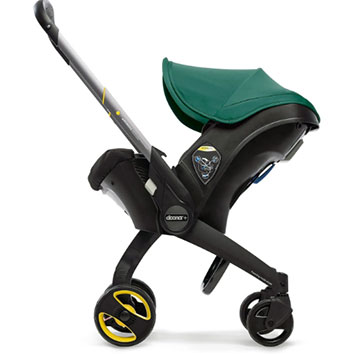
Because the Doona functions as both a stroller and a car seat, it gets twice the abuse. The wheels drag through dirt and then get folded up next to your car’s upholstery. Here is how to keep it clean and functioning safely.
- Regular Wheel Cleaning is Crucial: Since the wheels retract into the seat body, dragging mud, sand, or snow into your car or house is a real risk. You should wipe down the wheels with a damp cloth or a baby wipe before folding the seat up if you have been walking on dirty ground. Periodically, you need to remove the wheels (if your model allows) or use a compressed air can to blow out hair and debris from the axles. Hair wrapped around the axles can cause the wheels to seize or not deploy smoothly. Keeping the mechanism free of grit ensures the “pop-out” action remains snappy and reliable.
- Washing the Fabric Seat Cover: Babies are messy, and blowouts or spit-ups are inevitable. The Doona seat cover is removable, but it is not dryer safe. You must hand wash it or machine wash it on a cold, gentle cycle with mild detergent. Crucially, you must reattach the cover while it is still slightly damp or let it air dry completely in the shade. Putting it in the dryer can shrink the fabric or warp the plastic clips, making it impossible to put back on the frame. Plan your washing for a day when you don’t need to leave the house, as the drying process can take 24 hours.
- Lubricating the Moving Parts: The handle mechanism and the wheel release latch are mechanical parts that can get stiff over time. If you notice the handle is hard to rotate or the wheels are sticking, apply a small amount of silicone-based lubricant spray. Do not use oil-based lubricants like WD-40, as they attract dust and dirt which will turn into a grinding paste. Spray the silicone into the joints, work the handle back and forth, and wipe away any excess. This simple maintenance every few months keeps the transformation smooth and effortless.
- Protecting Your Car Interior: Because the dirty wheels tuck up against the back of the seat, they can rub against your actual vehicle seat back. It is highly recommended to use the included Vehicle Seat Protector (or buy a generic one) to place under the Doona base. This prevents the plastic wheels from scuffing your leather seats or grinding dirt into your fabric upholstery. Additionally, invest in the wheel covers if you are extremely particular about cleanliness; these are little caps you snap over the wheels before loading it into the car, ensuring no dirt touches your vehicle.
Comparison with Other Brands
The Doona used to be the only option in this category, but now it faces stiff competition. Here is how it stacks up against the Evenflo Shyft DualRide and traditional premium systems.
- Evenflo Shyft DualRide: This is the most direct competitor to the Doona, released recently to challenge its dominance. Comparison: The Evenflo allows you to detach the carrier from the wheels, meaning you can leave the muddy wheels in the car base or outside the door. This solves the “heavy lifting” problem because you can carry just the 8-pound seat if you want to. Evenflo also includes a detachable storage basket, addressing the Doona’s storage complaint. However, the Evenflo system is physically larger and feels a bit “clunkier” in its mechanism compared to the Doona’s smooth, single-motion fold. The Doona feels more premium in build quality, but the Evenflo offers more versatility and hygiene features (removable wheels). If weight is your primary concern, Evenflo wins; if seamless simplicity is your goal, Doona wins.
- Uppababy Mesa + Cruz V2: This is a traditional travel system (separate car seat and stroller) that is popular in the same price bracket. Comparison: The Uppababy setup offers a far superior strolling experience with large rubber wheels, massive suspension, and a giant storage basket. Your baby can stay in the stroller seat until they are a toddler (50lbs+), giving it much more longevity. However, you cannot take it in an Uber without bringing the separate frame, and it is a hassle to travel with on planes. The Doona is strictly for convenience; the Uppababy is for comfort and long walks. If you walk 5 miles a day for exercise, get the Uppababy. If you drive everywhere and just need to get from the parking lot to the store, get the Doona.
- Bugaboo Turtle Air + Butterfly: A high-end ultra-lightweight car seat paired with a travel stroller. Comparison: The Bugaboo Turtle Air is incredibly light (around 7 lbs), making it a breeze to carry. The Butterfly stroller folds small enough to fit in an overhead bin. While this combo is lightweight and travel-friendly, it still consists of two separate pieces. You still have to unfold the stroller and click the seat in. The Doona is still faster for quick transitions. However, the Bugaboo stroller can be used for an older child, whereas the Doona becomes useless once the baby hits 32 inches. The Bugaboo combo is a better long-term investment for frequent travelers who want gear that lasts past the first birthday.
Also Read: My Thoughts On Zoe Double Stroller
Frequently Asked Questions (FAQ)
Yes, the Doona is designed to be safe for newborns as small as 4 lbs. It comes with a specific infant insert that provides near-flat ergonomic positioning, which is crucial for a newborn’s developing spine and airway. However, like all car seats, it is not recommended to leave an infant in a semi-upright position for more than 2 hours at a time to prevent oxygen desaturation.
Absolutely, and this is one of its best features. The Doona has a European belt path routing system that allows you to install it securely using just a vehicle’s lap and shoulder belt. This makes it perfect for taxis, rental cars, or grandparents’ cars where you don’t want to lug the heavy plastic base.
The technical limits are 35 lbs or 32 inches in height. However, realistically, most babies outgrow it by height around 12 to 15 months old. Once the top of the baby’s head is 1 inch below the top of the seat shell, they have outgrown it regardless of their weight. Don’t expect to use this into the toddler years.
Yes, the Doona is narrow enough to roll down most standard single-aisle aircraft. It is FAA approved for use on board, so if you buy a seat for your baby, you can strap the Doona into the airplane seat. If you don’t buy a seat, you can gate check it in a travel bag, but having it on the plane is safer and more convenient.
Conclusion
The Doona Car Seat Stroller is a polarizing product: it is heavy, expensive, and has a short lifespan, yet for a specific type of parent, it is absolutely priceless. If you are an urban parent who relies on rideshares, or a family that plans to fly frequently in your baby’s first year, the Doona is the single best piece of gear you can buy. It turns the most stressful parts of travel—getting in and out of vehicles—into a non-event.
However, if you live in the suburbs, have a large trunk, and mostly go for long walks on neighborhood trails, a traditional travel system will serve you better and save you money. The Doona is a specialist tool for convenience, not a generalist tool for comfort. If you value speed and efficiency above all else, the investment will pay off in saved time and sanity every single day.