
If you have ever gone down the rabbit hole of researching bookshelf speakers, you know the struggle is real. You want something compact enough to fit in your living room without dominating the space, but you also want sound that doesn’t feel “small.”
Usually, you have to pick one: clarity or bass. But then you hear about the Dali Oberon 3. Hailing from Denmark, these speakers promise to break that compromise by stuffing a massive 7-inch woofer into a cabinet that can still technically sit on a stand. It sounds like the perfect middle ground, but does the performance actually match the specs?
In this review, I am going to walk you through exactly what it is like to live with these Danish powerhouses. From the unboxing experience to the way they handle everything from jazz to electronic bass, we will see if they are worth the investment.
If you decide to pull the trigger, I strongly advise buying from authorized retailers like Crutchfield or a dedicated local Hi-Fi shop. Avoiding gray-market sellers ensures you get a valid warranty and a pair that hasn’t been knocked around in a shipping container.
My Experience With Dali Oberon 3
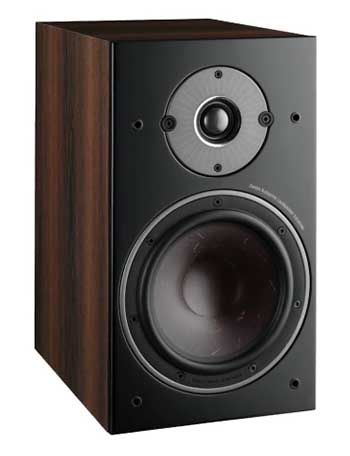
When I first pulled the Dali Oberon 3s out of the box, the first thing that struck me was the build quality.
I opted for the Light Oak finish with the “Mountain Grey” grilles, and honestly, they look more like a piece of modern Scandinavian furniture than a piece of tech.
The textured vinyl finish is convincing enough to pass for real wood from a distance, and the rough-woven fabric on the grilles adds a texture that feels premium.
However, the size did catch me off guard. These are “bookshelf” speakers in name only; they are significantly deeper and taller than your average entry-level speaker, so make sure you measure your stands before you buy.
Setting them up was an exercise in unlearning everything I knew about audio.
Usually, you spend hours inching your speakers around, toeing them in just right to hit that “sweet spot” on your couch. But Dali explicitly tells you not to toe them in. They are designed to fire straight ahead. Skeptical, I placed them about 30 centimeters from the wall, facing straight out, and queued up some tracks. The first track I played was Limit to Your Love by James Blake, purely to test that 7-inch woofer.
The result was startling. The bass wasn’t just audible; it was physical. Most bookshelf speakers choke on that track, producing a “chuffing” sound from the port, but the Oberon 3s handled it with a composure that I usually associate with floor-standers. The soundstage was massive. Because they aren’t toed-in, the music didn’t feel like it was coming from two distinct boxes; it just filled the room. I could walk into the kitchen or sit in the corner chair, and the sound remained surprisingly consistent.
Over the last few months, they have become my daily drivers. What I appreciate most is how “polite” they are—and I mean that in the best way possible. I can listen to them for four or five hours straight while working without getting that ringing fatigue in my ears that brighter speakers often cause.
They smooth over the harsh edges of poorly recorded tracks, making even my old, scratchy garage rock records sound enjoyable. They might not be the most analytical speakers—I’m not hearing the guitarist’s chair squeak in the background—but for pure musical enjoyment, they are incredibly fun to live with.
Also read: My Thoughts On Manta Sound Sleep Mask
Pros Of Dali Oberon 3
- SMC Technology Reduces Distortion:One of the main selling points Dali pushes is their Soft Magnetic Compound (SMC) technology in the woofer magnet system. Without getting too bogged down in the physics, standard iron magnets can introduce distortion as the voice coil moves back and forth. Dali’s SMC material minimizes this magnetic resistance. In practice, this means the midrange remains crystal clear even when you are pushing the volume. Vocals sound natural and unforced, and you don’t get that “muddy” congestion that plagues cheaper speakers when the music gets complex.
- Massive 7-Inch Woofer For Deep Bass:Most bookshelf speakers in this price range stick to a 5.25-inch or maybe a 6.5-inch driver. The Oberon 3 squeezes in a 7-inch wood fiber cone. That extra surface area moves more air, which translates to a deeper, punchier bass response. For many small-to-medium rooms, this negates the immediate need for a subwoofer. You get a full-bodied sound that provides a satisfying “thump” with drums and bass guitars, making them excellent for genres like rock, hip-hop, and electronica.

- Wide Dispersion Characteristics:As I mentioned in my experience, the wide dispersion pattern is a game-changer for social listening. Because you don’t have to sit in a rigid “sweet spot” to hear good sound, these are perfect for living rooms where you might have guests scattered around. The high frequencies are integrated in a way that fills the room evenly. You can be washing dishes in the adjacent open-plan kitchen and still get a clear, coherent sound, rather than a muffled mess.
- Forgiving And Non-Fatiguing Sound:The soft dome tweeter Dali uses is larger than average (29mm) and extremely lightweight. This allows it to handle highs with great agility but without the harsh “bite” of metal dome tweeters found in brands like Klipsch or Bowers & Wilkins. If you are sensitive to sibilance (that sharp “sss” sound in vocals) or find high frequencies painful after an hour, the Oberon 3 is the antidote. They are warm, smooth, and incredibly easy to listen to for long sessions.
- Scandinavian Aesthetics:In a world of boring black boxes, the Oberon 3 stands out. The color options—Black Ash, White, Dark Walnut, and Light Oak—are tasteful and modern. The grilles are a highlight, using a heathered fabric that looks like high-end upholstery. If your significant other is hesitant about having “ugly speakers” in the living room, the Oberon 3 is an easier sell. They look like a deliberate design choice rather than tech clutter.
Cons Of Dali Oberon 3
- Cabinet Depth And Size:While they are sold as bookshelf speakers, putting them on an actual bookshelf is a recipe for disaster. They are nearly 12.5 inches deep, and that is before you account for the speaker cables sticking out the back. They dominate a standard console table. Because they are rear-ported, you cannot shove them against a wall (or the back of a bookshelf) without the bass becoming boomy and overwhelming. You really need dedicated speaker stands to get the most out of them, which adds to the footprint and cost.
- Vinyl Wrap Finish:At this price point, you are not getting real wood veneer. The “wood” is a vinyl wrap. While it is a high-quality wrap that looks great from a meter away, up close you can tell it is synthetic. Some competitors in similar price brackets are starting to offer better finishes or gloss options that feel a bit more luxurious to the touch. If you are a stickler for authentic materials, the vinyl might feel like a slight corner cut, even if it is done well.
- ** relaxed Treble May Lack “Sparkle”:**The smooth, non-fatiguing sound is a double-edged sword. If you are an “audiophile” who loves to hear every micro-detail—like the breath of a singer or the shimmer of a cymbal decay—you might find the Oberon 3 a little too safe. They roll off the highs slightly to achieve that warmth. Listeners coming from brighter speakers might initially feel like the sound is “veiled” or lacking air. They prioritize musicality over clinical analysis.
- Bass Can Be Boomy In Small Rooms:That big 7-inch woofer moves a lot of air, and if your room is small or untreated, it can excite room modes easily. If you place them too close to corners, the bass can lose its definition and become a singular, droning hum. Unlike front-ported speakers, these require you to be very mindful of rear clearance. In a tiny bedroom or office, they might simply be “too much speaker” for the space.
- Single Wire Terminals Only:This is a minor gripe for most, but audio enthusiasts who like to bi-wire or bi-amp their speakers will be disappointed. The Oberon 3 only has a single pair of binding posts on the back. While bi-wiring is often debated as having negligible benefits, the lack of option removes a level of tweakability that some hobbyists enjoy.
Maintenance Tips For Dali Oberon 3
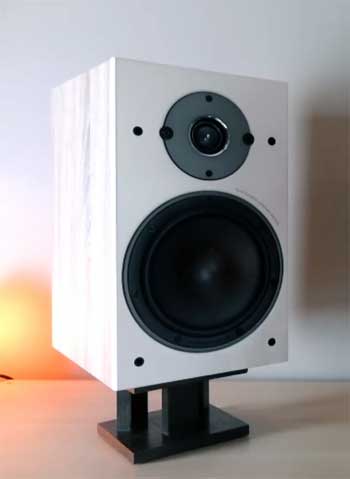
- Respect The Break-In Period:Out of the box, the suspension on that big woofer is stiff. Dali recommends a break-in period of up to 100 hours. During this time, the bass might feel a little tight and the midrange slightly constrained. Don’t judge them critically in the first week. Just play music at a moderate volume during the day while you are at work. You will notice the sound “opening up” and becoming more fluid as the mechanical parts loosen and settle.
- Careful With The Wood Fiber Cones:If you take the grilles off (which many do for better sound), be extremely careful with the reddish-brown woofers. They are made of a wood fiber mix and are sensitive to moisture and physical pressure. Do not try to clean them with a wet cloth. If they get dusty, use a very soft, dry makeup brush or a specific camera lens blower to gently remove particles. Touching them with oily fingers can leave permanent marks or damage the material.
- Positioning Is Critical:Even though they have wide dispersion, their proximity to the wall dictates their bass performance. Start with them at least 20 centimeters (8 inches) away from the wall. If the bass sounds thin, inch them closer. If it sounds muddy, pull them out. Do not toe them in. Keep them parallel to the rear wall. This setup ensures you get the intended soundstage width and keeps the phase response correct, as per Dali’s design philosophy.
- Use Blu-Tack Or Isolation Pads:If you are placing these on a stand or a media console, do not just sit them directly on the hard surface. The vibration from the cabinet will transfer to the furniture, causing rattling and muddying the sound. Use the little rubber bumpers provided in the box, or better yet, get some Blu-Tack or dedicated isolation pads. This decouples the speaker from the surface, tightening up the bass and improving clarity.
- Check The Terminal tightness:Over time, the vibration from the music can actually loosen the binding posts on the back of the speaker. Every six months or so, just give the terminals a gentle check to make sure your speaker wire is still clamped down tightly. A loose connection can lead to crackling sounds or signal dropouts, which can be terrifying if you think you blew a driver, but is often just a loose screw.
Also read: My Thoughts On MalloMe Sleeping Bag
Comparison With Other Brands
- Dali Oberon 3 vs. KEF Q350:The KEF Q350 is the most direct competitor. The main difference is the driver technology. KEF uses a Uni-Q driver where the tweeter is inside the woofer. This creates a “point source” that offers incredible imaging and focus; you can pinpoint exactly where the singer is standing. However, KEFs are more directional. The Dali Oberon 3 offers a much wider, room-filling sound. If you sit in one chair to listen, get the KEF. If you move around the room, the Dali is superior. The Dali also has a warmer, punchier bass, whereas the KEF is more neutral and dry.
- Dali Oberon 3 vs. Bowers & Wilkins 606 S3:B&W speakers are known for their “excitement.” They have a forward, energetic treble that highlights detail and attacks the listener. If you love hearing the texture of strings and high-hats, the B&W 606 is thrilling. However, that excitement can turn into fatigue over long sessions. The Dali Oberon 3 is the polar opposite; it is smooth, laid-back, and forgiving. The B&W demands high-quality recordings; the Dali makes even poor recordings sound decent. Choose B&W for critical listening, and Dali for relaxed enjoyment.
- Dali Oberon 3 vs. ELAC Debut Reference (DBR62):The ELAC is the darling of the objective audiophile community because it measures very flat and neutral. It adds almost no “flavor” to the sound. For mixing or critical analysis, the ELAC is technically “better.” However, some find it a bit boring or clinical. The Dali Oberon 3 colors the sound slightly—it adds a bit of warmth to the mid-bass and sweetens the highs. It is designed to be “fun” rather than strictly “accurate.” The Dali also feels like a more premium product in terms of aesthetics compared to the utilitarian ELAC.
- Dali Oberon 3 vs. Monitor Audio Bronze 100:Like the Dali, the Monitor Audio Bronze 100 features a larger-than-average woofer (8 inches vs. Dali’s 7 inches). Both are bass monsters. The Monitor Audio tends to have a slightly more V-shaped sound profile, meaning boosted bass and boosted treble, which can sound very impressive in a showroom. The Dali has a richer, more prominent midrange. If you listen to a lot of electronic music, the Monitor Audio’s slam might win you over, but for vocals and acoustic instruments, the Dali’s natural midrange tone usually has the edge.
Frequently Asked Questions (FAQ)
For most music listening in small to medium-sized rooms, the answer is no. The 7-inch woofer provides substantial bass extension, reaching down to 47Hz. This covers the kick drums and bass lines in most rock, jazz, and pop tracks. However, if you are using them for home theater or listen to heavy electronic sub-bass genres in a large open-plan living room, you might still want a subwoofer to catch those ultra-low frequencies below 40Hz.
The Oberon 3 has a sensitivity of 87dB and a nominal impedance of 6 ohms. They are relatively easy to drive but shine with decent current. You don’t need a monster amp, but a very cheap, low-power amp might sound thin. A solid integrated amplifier with 40 to 80 watts per channel is the sweet spot. Brands like Marantz, NAD, and Cambridge Audio pair beautifully with Dali, as their slightly warmer or neutral profiles complement the speakers well.
No, you should not. Dali designs their speakers with a wide dispersion pattern and specifically engineers the crossover for the speakers to be placed parallel to the rear wall, firing straight ahead. Toeing them in towards the listening position can actually increase high-frequency energy too much and ruin the intended soundstage balance. Trust the manual on this one—straight ahead is best.
Yes, they make excellent front left and right channels for a home theater system. Their wide dispersion helps create a seamless soundstage with the center channel, and their dynamic capability means they can handle explosions and action sequences well. Because they are efficient, your AV receiver won’t struggle to drive them to cinema volumes.
Conclusion
The Dali Oberon 3 sits in a unique sweet spot in the audio market. They offer the footprint of a stand-mount speaker but the soul and scale of a small floor-stander. They prioritize enjoyment over analysis, making them a fantastic choice for music lovers who want to rediscover their record collection without analyzing every flaw in the recording. While they demand a bit of space to breathe, their warm, room-filling sound and stunning Danish design make them a standout value.
If you are ready to upgrade your listening experience, I highly recommend checking out the current pricing at Crutchfield or your nearest authorized Hi-Fi dealer. Set them up straight, give them a few weeks to break in, and enjoy the music.