
If you cook even three times a week, stop wasting money on cheap supermarket oils that turn rancid fast and taste flat. Colavita has been my kitchen workhorse for the last 18 months, and I’m telling you straight – once you switch, you’ll cringe remembering the old stuff. Grab a bottle (or the 3-liter tin if you’re serious) and taste the difference tomorrow. You deserve this upgrade.
My Experience With Colavita Olive Oil
Let me paint the picture for you. Two years ago I was that person squeezing the plastic bottle of “extra virgin” from the big-box store, wondering why my salads tasted like nothing and my sautéed garlic always ended up slightly bitter. I thought all olive oil was basically the same – until I popped open my first dark green bottle of Colavita Extra Virgin.
The smell hit me first. You know that fresh-cut grass, green tomato, artichoke aroma that people romanticize? Yeah, Colavita actually has it. I unscrewed the cap, poured a little in a spoon, and it had this lively peppery kick at the back of my throat – the sign of real polyphenols that cheap oils simply don’t have. I felt like I’d been duped my whole adult life.
I started small. Drizzled it raw over burrata with sea salt. Made vinaigrette with just Colavita, lemon juice, and a pinch of Dijon. Friends literally stopped mid-conversation and asked what I’d done differently. Then I got brave and used it for everything – roasting vegetables at 425 °F, shallow-frying eggs, even baking olive oil cake. Nothing smoked, nothing tasted heavy or greasy.
Over the months I went through the 750 ml bottle, then the 1-liter, and finally graduated to the 3-liter tin because I was tired of running out. My mom started stealing splashes when she visited.
My partner, who claimed he “couldn’t taste the difference” in anything, now gets annoyed when we’re low. That’s when I knew this wasn’t just hype – this oil changed how we eat every single day.
I’ve finished probably twelve bottles in eighteen months. I keep one on the counter for daily use and the big tin in the pantry. The flavor has stayed consistent from bottle to bottle, which is huge when you’re spending more than eight dollars a liter.
Honestly, switching to Colavita is the single easiest upgrade I’ve ever made in my cooking, and I’m a little evangelical about it now. You’ll see why once you try it yourself.
Pros Of Colavita Olive Oil
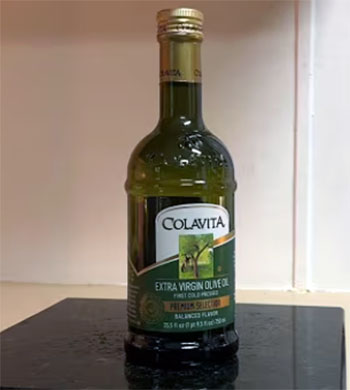
- Flavor That Actually Tastes Alive: You get that gorgeous grassy, peppery, slightly bitter profile that screams fresh-pressed olives – every single time I open a new bottle.
- Reliable High Smoke Point: I routinely cook at 400-450 °F (roasting broccoli, potatoes, chicken thighs) and have never once had bitter or burnt flavors.
- Beautiful Dark Glass or Metal Tin Packaging: The 750 ml comes in UV-protective dark green glass; the big tins block light completely – this alone keeps the oil fresher way longer than clear plastic bottles.
- Consistent Quality Bottle After Bottle: Twelve bottles later, I’ve never had a rancid or off one, which I can’t say for many “premium” brands I’ve tried.
- Perfect Viscosity for Finishing: It’s not too thin (like some California oils) and not thick or greasy – drapes beautifully over mozzarella, soups, grilled bread, you name it.
- Trusted Family Company Since 1938: Colavita is still run by the family in Molise, Italy – they’re obsessive about quality and it shows.
- Multiple Certifications You Can Verify: USDA Organic options, Non-GMO Project Verified, and they list harvest and press dates on many bottles now.
- Versatile for Raw and Cooking: I use the same bottle for salad dressings and for searing steak – no need to keep two oils.
- That Peppery Kick Means Real Polyphenols: You feel the tingle in your throat – science says that’s the anti-inflammatory compounds still intact.
- Great Value in Larger Sizes: The 3-liter tin brings the price per ounce down dramatically if you cook a lot like I do.
Cons Of Colavita Olive Oil
- Higher Price Than Supermarket Brands: You’ll pay roughly 50-100 % more than the house brand – I feel it at checkout, no denying that.
- Not Always the Absolute Cheapest “Premium” Option: Sometimes Costco’s Kirkland Toscano or California Olive Ranch is on sale for less per ounce.
- The Pour Spout Can Be Messy at First: The metal pourer is great once you learn the tilt angle, but I’ve had a few drips down the bottle until I got the hang of it.
- Limited Flavor Varieties: It’s classic Italian – if you want super mild or buttery, you might need a different region.
- Availability Can Vary: My local grocery sometimes runs out of the 3-liter tin and I panic a little.
- Dark Glass Bottles Are Heavier: Carrying four bottles home from the store is a mini workout compared to plastic.
- No Single-Estate or DOP Bragging Rights: It’s a blend from different Italian regions – some snobs turn their nose up, but I honestly prefer the consistency.
Read More: My Thought on Oreganol P73 Vs Oregano Oil
Maintenance Tips For Colavita Olive Oil
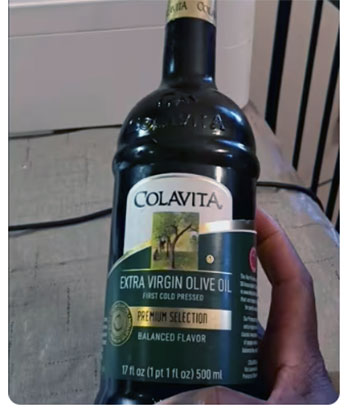
- Store Away From Heat and Light Immediately: As soon as you bring it home, move it to a cool cupboard far from the stove – light and heat are the biggest enemies.
- Buy the Size You’ll Use in 2-3 Months Max: Once opened, oxygen starts the countdown – I finish the 750 ml in 6-8 weeks and the 3-liter tin in about 10-12 weeks.
- Transfer to Smaller Bottle for Daily Use: I keep 200-300 ml in a small dark bottle on the counter and refill from the tin – minimizes air exposure in the big container.
- Write the Opening Date on the Tin: Sharpie right on top – if it’s been open longer than three months, I use it only for cooking, not finishing.
- Never Refrigerate Unless You Want Cloudy Oil: It solidifies and looks weird (totally safe, but annoying) – room temp is perfect.
- Smell It Every Couple Weeks: Your nose knows – if the fresh peppery aroma is gone and it smells like crayons or old nuts, it’s time to replace.
- Use Clean Utensils Only: Never double-dip a spoon that touched garlic or salad back into the bottle – introduces bacteria and speeds rancidity.
- Keep the Pourer Clean: Wipe the spout after each use – old oil residue attracts dust and oxidizes.
- Buy Harvest-Dated Bottles When Possible: Look for “harvest 2024” or “pressed 2025” – the younger, the better.
- Freeze in Ice Cube Trays for Long-Term: If you somehow have extra, freeze portions – I’ve done this with the last cup of a tin and it revives perfectly.
Comparison With Other Brands
Colavita vs California Olive Ranch
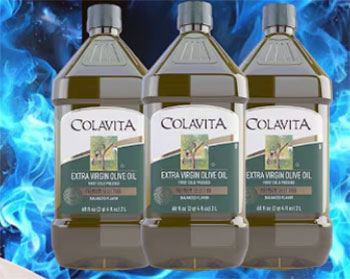
I love California Olive Ranch for everyday cooking when I’m watching pennies, but side-by-side the difference is night and day.
COR is milder, almost buttery, with less pepper – great if you want neutral. Colavita hits with that bold Italian personality that makes simple dishes sing.
I also find COR goes flat faster once opened; Colavita keeps its punch longer.
Colavita vs Pompeian
Pompeian was my old go-to. It’s cheaper, easier to find, and perfectly fine for cooking. But taste them blind and Pompeian feels watered down and sometimes slightly stale even when new. Colavita wins every time on freshness and depth. If your budget is tight, Pompeian isn’t bad – but you’ll notice what you’ve been missing.
Colavita vs Filippo Berio
These two are the most direct competitors. Filippo Berio is usually a couple bucks cheaper and more widely available. To my palate, Filippo is grassier but can swing bitter in a bad way some harvests. Colavita strikes the balance I like best – peppery without being aggressive. I also trust Colavita’s packaging more; Filippo’s green plastic lets in light.
Colavita vs Kirkland Signature Organic
Costco’s Kirkland is shockingly good for the price and often beats Colavita on cost per ounce. It’s robust and peppery too. The catch? Inconsistent harvest dates and the giant plastic bottle degrades quality faster. I buy Kirkland when money’s tight, but I cook happier with Colavita.
Read More: My Thought on Terra Delyssa Olive Oil Review
Frequently Asked Questions (FAQ)
Yes, third-party tested and consistently passes extra-virgin standards in lab tests I’ve seen over the years.
Actually the opposite – because it starts with higher polyphenols and better packaging, it stays fresh longer when stored properly.
For me, 100 %. The flavor upgrade in everyday meals is ridiculous. If you only cook once a month, maybe not.
Start with the 750 ml Extra Virgin in the dark green glass bottle. Taste it raw on bread with salt – you’ll be hooked.
Conclusion
After cooking with Colavita every single day for over a year, I can’t imagine going back. Yes, it costs more than the generic stuff, but the flavor, the consistency, and the way it makes simple food taste restaurant-level is worth every penny to me. Do yourself a favor – pick up a bottle this week. Your taste buds will thank you, and you’ll wonder why you waited so long.