
We live in a world where we sit too much, stand too long, or push our bodies to the limit in the gym, only to come home with heavy, throbbing legs that feel like they belong to someone twice our age. You might have seen the ads for the Cincom Leg Massager popping up on your social media feeds—bulky-looking sleeves that promise to squeeze away the pain, boost circulation, and mimic the hands of a professional masseuse. It is an enticing promise: a spa-quality recovery session right from your couch while you watch Netflix. But with so many generic compression boots flooding Amazon and Walmart, you are right to pause. You want to know if this specific brand is a legitimate recovery tool or just another noisy, inflatable gimmick.
In this comprehensive review, I am going to walk you through everything you need to know about Cincom Leg Massagers (specifically their popular air compression models like the CM-078A and CM-080A). I will break down the real-world performance, from the intensity of the squeeze to the effectiveness of the heat function. We will look at how it compares to the big names like Renpho and Fit King, and whether the “hospital-grade” claims actually hold up. My goal is to help you decide if this is the relief your tired legs have been begging for, or if you should keep walking.
My Experience With Cincom Leg Massager
I decided to try the Cincom Air Compression Leg Massager after a month of particularly grueling training sessions that left my calves feeling like knots of tight wire. I had used high-end compression boots in physical therapy before, the kind that cost upwards of $1,000, so I admit I was skeptical that a sub-$100 device could offer anything close to that relief. The package arrived in a surprisingly compact box. Inside were the two leg wraps, a handheld controller, a power adapter, and a mesh carrying bag.
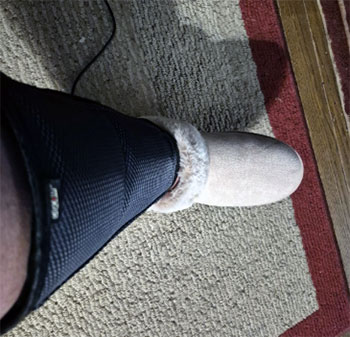
Setup was a bit of a wrestle the first time.
The device consists of two separate sleeves for your calves and feet (and thighs, depending on the model) that connect via rubber hoses to a central remote.
Figuring out which hose went where took a minute, but the color-coding helped.
Once I strapped them on—using the Velcro to get a snug but not suffocating fit—I sat back and hit the power button.
I started on “Sequence” mode at the lowest intensity.
The sensation was immediate and surprisingly strong. Unlike a vibrating massager that just shakes your skin, this uses air pockets to physically squeeze your muscles. It felt like a blood pressure cuff inflating rhythmically, starting at my feet and working its way up to my calves. It wasn’t a gentle “fluffing” sensation; it was a firm, deliberate compression that genuinely felt like it was moving fluid out of my lower limbs.
After five minutes, I bumped it up to “Max” intensity. This is where I found the limit—it was tight. Almost too tight for my comfort zone, which was actually a positive sign. It meant the motor had enough power to actually do some work. I turned on the heat function, which took about three minutes to become noticeable. It wasn’t a burning heat, but a subtle, pervasive warmth that helped relax the tension in my shins.
The cycle lasted 20 minutes before the auto-shutoff kicked in, which is a standard safety feature. When I peeled the Velcro off, my legs felt lighter. The throbbing “heaviness” I usually feel after a run was significantly reduced. However, the experience wasn’t flawless. The thigh wraps on the model I bought tended to slide down if I wasn’t lying perfectly flat, and the mess of wires made me feel a bit like I was tethered to the wall—I couldn’t just get up and grab a glass of water without a major de-robing operation.
Overall, it didn’t perfectly mimic the $1,000 professional boots—the pressure transition wasn’t quite as seamless—but for the price, it was shockingly effective. It provided about 80% of the benefit for 10% of the cost, which, in my book, makes it a serious contender for home recovery.
Read More: My Thoughts On Nooro Leg Massager
Pros Of Cincom Leg Massager
When you strip away the marketing fluff, the Cincom Leg Massager offers several tangible benefits that make it a standout choice for specific users, particularly those with circulation issues or fatigue.
- Powerful Air Compression Technology: The defining feature of this device is its motor strength. Unlike cheap massagers that merely vibrate, Cincom uses a 2+2 airbag system (in standard models) that inflates and deflates to simulate muscle pumping. This “milking” action is effective for pushing venous blood back toward the heart, which is exactly what swollen, edematous legs need. Users with varicose veins or Restless Leg Syndrome (RLS) often find this specific type of deep compression brings relief that surface-level massage cannot. You can actually feel the pulse of the air moving up your leg, providing a sense of active recovery.
- Highly Adjustable Fit via Velcro: One of the biggest advantages is the open-wrap design. Because the sleeves are secured with large Velcro panels rather than a fixed zipper boot, they accommodate a massive range of leg sizes. Whether you have slender runner’s calves or muscular, thick calves up to 21 inches (and even larger with the included extensions), you can customize the tightness. This makes it an excellent “family” device that can be shared between a petite spouse and a larger partner without needing two different sizes. You control the baseline pressure simply by how tight you strap it on before even turning it on.
- Integrated Heating Function: Heat is a natural muscle relaxant, and Cincom integrates this directly into the knee and shin areas. The warmth helps dilate blood vessels, which works synergistically with the compression to improve circulation faster than compression alone. For users dealing with “cold feet” or poor circulation in winter, this feature is a game-changer. It turns the device from a medical tool into a comforting relaxation device. There are typically two heat levels, allowing you to choose between a gentle warm-up or a toastier therapy session.
- Cost-Effective Recovery Tool: Compared to market leaders like Normatec or Therabody, which can cost hundreds of dollars, Cincom sits in a very accessible price bracket (usually under $100). It lowers the barrier to entry for compression therapy significantly. You are getting the core mechanism—pneumatic compression—without paying for Bluetooth apps, fancy LCD screens, or brand licensing fees. For the average person who just wants relief after a shift at the hospital or a long flight, the value proposition is incredibly high.
Cons Of Cincom Leg Massager
Despite the value, there are design limitations and annoyances that you should be aware of. It is not a perfect device, and for some, these “cons” might be dealbreakers.
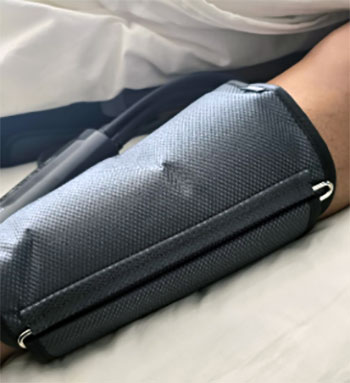
- ** cumbersome Setup and Wires:** You cannot simply slip these on like a pair of socks. You have to wrap each section (foot, calf, thigh) individually and secure the Velcro, which can be difficult for elderly users or those with back pain who struggle to bend over. Furthermore, you are tethered by air hoses that connect to a handheld remote, which then connects to a power outlet. The “spaghetti junction” of wires can be annoying to manage, and you are physically stuck in one spot for the duration of the massage. If the doorbell rings, you are in trouble.
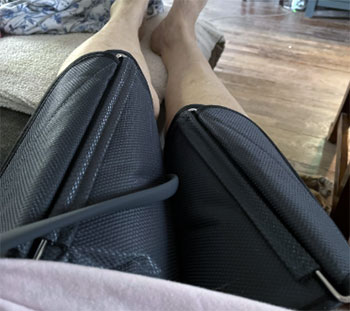
- Thigh Wraps Can Be Underwhelming: On the 3-in-1 models that include thigh massage, many users report that the thigh section is the weakest link. Because thighs are conical and larger, the wraps often struggle to stay in place and can slide down during the deflation cycle. Additionally, the compression on the thighs often feels weaker than on the calves simply because there is more soft tissue to compress. If your primary pain is in your quads or hamstrings, you might find the pressure insufficient compared to the intense squeeze on the calves.
- Noise Level of the Pump: While not deafening, the device is not silent. The air pump has to work hard to inflate the bags, resulting in a rhythmic mechanical hum or “purring” sound that happens every few seconds. If you are trying to watch a quiet movie or sleep while using it, the noise might be distracting. It sounds similar to a blood pressure cuff inflating repeatedly. It is not loud enough to wake the neighbors, but it is definitely audible in a quiet room.
- Not a “Kneading” Massage: It is crucial to manage expectations regarding the type of massage. There are no rollers, balls, or nodes inside these sleeves. If you are looking for a Shiatsu-style massage that digs into your knots and trigger points, this is not it. This is strictly compression therapy—squeezing and releasing. Some users buy it expecting a deep tissue rubdown and are disappointed to find it feels more like a medical blood pressure sleeve than a human hand.
Maintenance Tips For Cincom Leg Massager
Since this device involves fabric, electronics, and air pressure, proper care is essential to keep it squeezing strong for years.
- Protect the Air Hoses: The rubber hoses that connect the sleeves to the remote are the lifeline of the device. Never kink, fold, or pinch these hoses when storing the unit. If a hose develops a crack or a leak, the device loses all pressure and becomes useless. When putting it away, loop the hoses loosely rather than wrapping them tight. Be careful not to roll your office chair over the hoses or let pets chew on them, as they are soft and vulnerable to puncture.
- Clean with Care (Do Not Submerge): The sleeves contain electrical heating elements and air bladders, so they can never be washed in a machine or submerged in water. To clean them, use a damp cloth with a mild antimicrobial soap to wipe down the inner fabric. Since your feet and legs can sweat inside the non-breathable material, it is wise to wipe them down after every few uses to prevent odors. Allow them to air dry completely before folding them up to prevent mold or mildew growth inside the storage bag.
- Velcro Maintenance: The Velcro is the only thing keeping the pressure on your legs. Over time, lint, hair, and carpet fuzz can get stuck in the hook-and-loop fasteners, weakening the grip. Regularly inspect the Velcro tabs and pick out any debris with a fine-tooth comb or a toothpick. When storing the sleeves, attach the Velcro to itself so it doesn’t snag on the mesh bag or the air hoses, which could fray the fabric.
- Respect the Duty Cycle: The motor is powerful but small, and it can overheat if run continuously for hours. The device has a 20-minute auto-shutoff for a reason. It is recommended to let the device cool down for 10 to 15 minutes between sessions. Running it back-to-back-to-back can stress the pump and shorten the lifespan of the electronics. Treat it like a home appliance, not a commercial-grade machine meant for 24/7 operation.
Comparison with Other Brands

The market is crowded, and knowing how Cincom stacks up against the competition can save you from buyer’s remorse. Here is how it compares to three major rivals.
- Renpho Leg Massager: This is the most direct competitor to Cincom, often sold at a similar price point. Comparison: Renpho typically offers a slightly different remote design that some find more intuitive. Renpho’s thigh wraps are often criticized for the same slippage issues as Cincom, but Renpho sometimes separates the thigh and calf sections more distinctly, allowing for greater flexibility. In terms of heat, users often report that Renpho runs slightly hotter than Cincom. However, Cincom’s Velcro extensions are often more generous, making Cincom the better choice for users with significantly larger calves who need that extra room. If you have wide calves, go Cincom; if you want a slightly more compact controller, look at Renpho.
- Fit King Air Compression Boots: Fit King positions itself as a slightly more “athletic” recovery brand compared to the general wellness vibe of Cincom. Comparison: Fit King often boasts a higher maximum pressure (mmHg) than Cincom, making it a favorite among runners and cyclists who want a crushing squeeze. Fit King models sometimes include simpler, more rugged construction that feels less “plasticky” than Cincom. However, Cincom often beats Fit King on price and the comfort of the inner fabric lining. Fit King is the “gym rat” version; Cincom is the “relax at home” version. If you need deep athletic recovery, Fit King might edge out Cincom; for general relaxation and edema, Cincom is sufficient.
- Normatec (Hyperice): This is the gold standard, professional-grade option. Comparison: Comparing Cincom to Normatec is like comparing a Toyota Camry to a Ferrari. Normatec uses a patented “pulse” technology that creates a seamless, wavelike compression that moves fluid much more efficiently than Cincom’s simple squeeze. Normatec boots zip up (no Velcro hassle), cover the entire leg without gaps, and are often wireless or have superior battery units. However, Normatec costs 5x to 10x more than Cincom. Cincom provides a “poor man’s Normatec” experience. You get the basic compression benefit, but you lose the premium fit, the advanced app control, and the seamless pressure wave. If you are a pro athlete, buy Normatec. For everyone else, Cincom is the value winner.
Also Read: My thoughts On Shiatsu Neck And Back Massager
Frequently Asked Questions (FAQ)
To use the device, place your feet into the foot sections and wrap the calf (and thigh) sleeves around your legs, securing them with the Velcro. Ensure there is room to slide two fingers under the wrap so it isn’t too tight before inflation. Connect the hoses to the controller, plug in the power adapter, and press the power button. Select your desired mode (Sequence, Circulation, or Whole) and intensity level using the remote.
Yes, the device is specifically designed to aid circulation. By applying sequential pressure from the feet upward to the thighs, it mimics the action of muscle pumps, helping to move stagnant blood and lymph fluid back toward the heart. This is particularly helpful for reducing swelling (edema) in the ankles and feet after prolonged standing or sitting.
Generally, air compression is beneficial for varicose veins as it assists venous return. However, you should always consult your doctor before using any compression device if you have a history of blood clots (DVT), severe vascular disease, or acute inflammation. Using low pressure is typically recommended for those with sensitive veins.
The device emits a low hum and a rhythmic “puffing” sound as the airbags inflate and deflate. It is not silent, but most users do not find it loud enough to disrupt conversation or TV watching. The noise is comparable to a small aquarium pump or a blood pressure cuff machine.
Conclusion
The Cincom Leg Massager is a prime example of “affordable luxury.” It takes a therapy that used to be exclusive to physical therapy clinics—pneumatic compression—and puts it in your living room for the price of a nice dinner. While it lacks the sleek, zipper-boot convenience of high-end brands like Normatec, its powerful motor, effective heating element, and customizable Velcro fit make it a functional powerhouse for the average user.
If you are tired of rubbing your own feet or suffering through the night with restless, aching legs, this device is absolutely worth the investment. It won’t replace a human masseuse for knot-busting, but for daily maintenance, swelling reduction, and sheer relaxation, it is a tool you will likely find yourself using every single evening. Just be prepared to wrestle with a few wires—a small price to pay for legs that feel ten years younger.