
We have all been there. The alarm goes off at an ungodly hour, and you are faced with the classic morning dilemma. Do you prioritize the caffeine hit to wake your brain up, or do you prioritize the protein intake to fuel your muscles and keep you full? Usually, this results in a chaotic juggling act—chugging a hot coffee while trying to shake up a clumpy protein shake, or worse, skipping one entirely. You have probably seen Chike Coffee Protein popping up on your social media feed, promising to be the holy grail that solves this problem by combining two shots of espresso with 20 grams of whey protein. It sounds like the ultimate efficiency hack, but in a market flooded with gritty supplements and overhyped “health” drinks, you are right to be skeptical.
In this comprehensive review, I am going to walk you through everything you need to know about Chike High Protein Iced Coffee. I will break down the taste, the texture, the actual energy boost, and whether it can genuinely replace your morning Starbucks run. We will look past the pretty packaging to analyze the ingredients, the cost-per-serving, and how it holds up against the competition. Whether you are a busy parent, a gym-goer, or just someone tired of paying $7 for a latte, this guide is designed to help you decide if Chike is the upgrade your morning routine needs.
My Experience With Chike Coffee Protein
I stumbled upon Chike during a phase where my morning routine was falling apart. I was hitting the gym early, rushing home to shower, and then sprinting to work. By 10:00 AM, I was either crashing from a sugar-laden coffee shop drink or starving because I had skipped breakfast. I needed something that could kill two birds with one stone. I ordered the “Original” flavor and the “Mocha” flavor to give it a fair shot, skeptical that a powder could actually taste like real coffee.
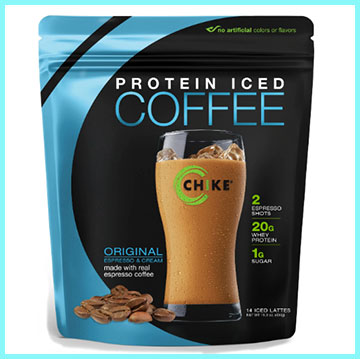
When the package arrived, the first thing I noticed was the smell. As soon as I tore open the bag, I was hit with a genuine, robust coffee aroma.
It didn’t smell like that weird, artificial “coffee-flavored” candy scent that many supplements have.
It smelled like actual espresso grounds mixed with a hint of sweet cream. That was a good start.
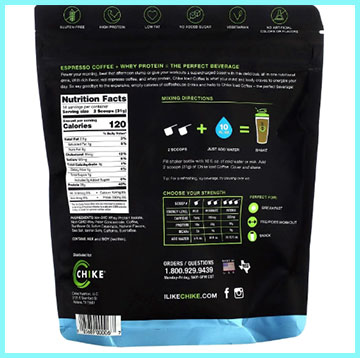
I decided to test it strictly according to the directions first: two scoops mixed with 10 ounces of cold water and ice.
I used a shaker bottle, bracing myself for the dreaded “protein clumps.”
To my surprise, the powder dissolved remarkably well. A few vigorous shakes and it created a nice, frothy foam on top, similar to what you get on a shaken espresso at a cafe.
The first sip was the real test. I braced for that metallic, whey protein aftertaste, but it never came. The “Original” flavor was surprisingly smooth. It tasted like a sweetened iced coffee with a splash of heavy cream. It wasn’t overly thick or sludge-like; the consistency was light enough to drink quickly but heavy enough to feel satisfying. The sweetness was definitely there—it uses sucralose—so if you prefer pitch-black bitter coffee, this might be too sweet for you. But for me, someone who usually adds a pump of vanilla syrup to my cold brew, it was perfect.
About 20 minutes after drinking it, I felt the kick. It wasn’t the jittery, heart-racing panic I get from pre-workout supplements. It was a clean, sustained alertness. The combination of the 150mg of caffeine (roughly two shots of espresso) and the protein seemed to level out the energy release. I didn’t get the sudden crash an hour later that I usually get from sugary lattes. I felt full, focused, and ready to tackle my emails.
I also experimented with the “Mocha” flavor later in the week. This one felt more like a dessert. It had a rich cocoa profile that masked the whey flavor even more than the original. I found that blending it with unsweetened almond milk and a handful of ice in a blender turned it into a legitimate frappe rival. It was thick, creamy, and indulgent, yet I knew I was getting 20 grams of protein instead of 60 grams of sugar.
Over the last month, this has become a non-negotiable part of my morning. I have noticed that I am snacking less before lunch because the protein keeps me satiated. Is it a replacement for a hot, artisanal pour-over on a Sunday morning? No. But for a Tuesday rush where function meets flavor, it is hands down one of the best lifestyle switches I have made. It streamlined my morning chaos into a single, shaker-bottle ritual that I actually look forward to.
Read More: My Thoughts On Shroomology Mushroom Coffee
Pros Of Chike Coffee Protein
When you analyze Chike against the vast landscape of protein supplements and coffee products, several distinct advantages stand out. It is not just about convenience; it is about the quality of the execution. Here are the specific benefits that make this product a strong contender for your pantry.
- Authentic Coffee Flavor Profile: The most significant “pro” is that Chike actually tastes like coffee. Many competitors use “coffee flavoring” which results in a chemical, synthetic taste that reminds you of a cheap car air freshener. Chike uses real espresso coffee as a primary ingredient. This means you get the depth, the slight acidity, and the roast notes that coffee lovers crave. It manages to balance the earthy bitterness of the espresso with the creaminess of the whey protein isolate effectively. For anyone who has choked down a “coffee” protein shake that tasted like dirt and chemicals, this is a revelation. It allows you to enjoy your protein supplement as a treat rather than a chore.
- High-Quality Protein Source: Not all protein is created equal, and Chike uses Whey Protein Isolate and Concentrate. Whey Isolate is one of the purest forms of protein available, meaning it has been filtered to remove most of the lactose, fats, and carbs. This results in a cleaner digestion process for many people who might feel bloated after drinking cheaper protein concentrates. With 20 grams of protein per serving, it hits the “sweet spot” for muscle recovery and satiety. This amount is comparable to a standard scoop of protein powder or three eggs, making it a legitimate meal replacement for breakfast or a substantial post-workout recovery drink. You are not just getting caffeine; you are getting functional nutrition that supports muscle repair and metabolism.
- Dual-Action Energy and Satiety: The combination of caffeine and protein creates a synergistic effect that is superior to consuming either alone. Caffeine acts as an appetite suppressant and a stimulant, while protein triggers satiety hormones and slows down digestion. When you drink Chike, the protein helps buffer the absorption of the caffeine, often leading to a smoother energy curve without the “jitters.” Conversely, the caffeine helps combat the “food coma” lethargy that can sometimes come after a heavy meal. This makes it an incredibly effective tool for weight management or busy workdays where you need to stay sharp and full until lunch. You avoid the sugar crash of a donut and the hunger pangs of just a black coffee.
- Cost-Effective Compared to Coffee Shops: While the upfront cost of a bag might seem high, the cost-per-serving offers significant savings. If you break down the price, a serving of Chike usually comes out to under $2.00. Compare that to a protein box and an iced latte at a coffee chain, which can easily run you $10 to $12. By swapping your daily drive-thru habit for this, you could theoretically save hundreds of dollars a month. You are essentially buying your coffee and your breakfast in one package for less than the price of a small drip coffee at most cafes. For budget-conscious consumers looking to hit their macros, this value proposition is hard to beat.
Cons Of Chike Coffee Protein
Despite the glowing taste reviews, Chike is not a perfect product for everyone. There are specific limitations and formulation choices that might turn off certain demographics or cause issues depending on your sensitivity.
- High Caffeine Content Can Be Limiting: Each serving contains 150mg of caffeine, which is equivalent to two shots of espresso. While this is a “pro” for morning users, it creates a hard limit on when you can consume the product. If you want a protein shake after an evening workout, you cannot use this unless you want to be staring at the ceiling until 3 AM. It also limits how many servings you can have in a day. If you are someone who likes to drink protein shakes multiple times a day to hit high macro goals, you can’t rely solely on Chike without risking caffeine overdose or anxiety. It forces you to buy a separate, non-caffeinated protein powder for later in the day.
- Use of Artificial Sweeteners: To keep the sugar content low (usually 1g) while maintaining a sweet, frappuccino-like taste, Chike uses Sucralose. Sucralose is a controversial ingredient for some health enthusiasts. While generally considered safe, some people find that artificial sweeteners leave a lingering, sickly-sweet aftertaste that coats the mouth. Others report digestive issues or bloating when consuming sucralose regularly. If you are strictly “clean label” and avoid all synthetic sweeteners, this product will not align with your dietary philosophy. The sweetness level is also fixed; unlike adding your own sugar to coffee, you cannot “unsweeten” the powder if you find it too cloying.
- Texture Sensitivity to Mixing Method: While it mixes better than many, it is still a whey protein powder at its core. If you try to stir it with just a spoon in a glass of water, you will likely end up with dry bubbles of powder exploding in your mouth. It requires a shaker bottle with a whisk ball or a blender to get that truly smooth consistency. Furthermore, if you let it sit for too long after mixing, the coffee and protein can sometimes separate slightly, requiring a quick re-shake. It doesn’t have the perfectly dissolved, thin consistency of a bottled ready-to-drink coffee; there is always a slight “mouthfeel” of texture that reminds you it is a supplement.
- Temperature Limitations: This is a big one that catches new users off guard. You cannot mix whey protein powder directly into boiling hot water. The high heat “denatures” or cooks the protein instantly, causing it to curdle into gross, rubbery chunks. This means Chike is primarily an iced coffee product. If you want it hot, you have to mix it cold first and then gently warm it up without letting it boil, which is a hassle. For people who refuse to drink cold coffee in the winter, this product becomes much less convenient and harder to prepare correctly.
Maintenance Tips For Chike Coffee Protein
Getting the perfect cup of Chike isn’t just about dumping powder in water. There is a bit of an art to handling the product to ensure longevity and the best drinking experience. Here are some tips to keep your Chike routine running smoothly.
- The “Liquid First” Rule: When preparing your drink, always pour your liquid (water, milk, or almond milk) into the shaker bottle before adding the powder. If you put the powder in first, it tends to get stuck in the corners of the bottle at the bottom, creating a sludge that the shaker ball can’t reach. By adding liquid first, you create a buffer that allows the powder to float and mix evenly when you start shaking. This simple change prevents those annoying dry clumps from sticking to the bottom of your cup. It also makes cleaning the bottle significantly easier afterwards.
- Proper Storage to Prevent Clumping: Coffee protein powder is highly hygroscopic, meaning it loves to absorb moisture from the air. If you leave the bag unzipped or the tub lid loose, the humidity in your kitchen will turn your powder into a solid brick. Always press the air out of the bag before sealing the zipper. Store the container in a cool, dry pantry away from the stove or dishwasher steam. Do not leave the scoop buried inside the powder if your hands were wet when you touched it; moisture transfer from your hands can ruin the whole batch. If you live in a very humid climate, consider keeping the bag inside a secondary airtight container.
- Cleaning Your Shaker Bottle Immediately: Whey protein has a nasty habit of smelling like death if left to sit. If you finish your Chike and leave the empty bottle in your hot car or on your desk for the day, the residue will begin to ferment and create a smell that is almost impossible to wash out. Rinse your shaker bottle immediately after finishing the drink. If you can’t wash it with soap right away, at least rinse it with water to remove the milk and protein residue. Once that “rotten milk” smell sets into the plastic of a shaker cup, you often have to throw the cup away.
- Managing the Caffeine Intake: Since you are likely drinking this for the protein as much as the energy, be mindful of your other caffeine sources. If you take a pre-workout, drink soda, or have a separate morning coffee, adding Chike can push you over the daily recommended caffeine limit (400mg). Treat a serving of Chike exactly like a double-shot latte. If you wouldn’t drink a double latte at 4 PM, don’t drink Chike at 4 PM. To avoid tolerance buildup, consider cycling off the product on weekends or alternating with a non-caffeinated protein to keep your sensitivity to the energy boost fresh.
Comparison with Other Brands
The market for caffeinated protein is growing, and Chike has some stiff competition. To truly judge its value, we need to look at how it stacks up against other popular options on the shelf.
- Herbalife High Protein Iced Coffee: This is one of the most visible competitors due to its massive distributor network. Comparison: Herbalife typically uses a different protein blend, often relying more on calcium caseinate or pea protein blends depending on the region, whereas Chike sticks to Whey Isolate/Concentrate. Chike is generally more transparent about its ingredients and can be bought directly without going through a distributor. In taste tests, Chike is frequently rated as having a more authentic “coffee” flavor, while Herbalife can lean towards a more artificial, sweetener-forward taste. Chike also usually offers a better price-per-serving when purchased in bulk bags compared to the premium pricing structure of MLM products. If you want a straightforward purchase with high-quality whey, Chike is the better path.
- Click Coffee Protein: This is the direct rival often found on the same shelf. Comparison: The biggest difference is often in the protein count and serving size. Chike offers 20 grams of protein per serving, while Click typically offers around 15-16 grams per serving. Those extra 4-5 grams in Chike can make a difference in satiety and hitting post-workout goals. Click is often slightly cheaper, reflecting the lower protein content. Flavor-wise, Click is known for being a bit sweeter and more “milky,” while Chike has a stronger espresso punch. If you are strictly budget-focused, Click is a decent alternative, but if you want maximum protein density, Chike wins.
- Premier Protein (Ready-to-Drink Shakes): The convenient bottle option found in every gas station. Comparison: Premier Protein offers 30 grams of protein, which is significantly higher than Chike’s 20 grams. However, Premier Protein is a pre-mixed liquid, meaning you are paying for the water weight and shipping of heavy bottles. Chike allows you to control the consistency and the liquid base (milk vs water). Premier Protein’s “Cafe Latte” flavor contains caffeine (about 100mg), which is less than Chike’s 150mg. If you need absolute convenience (grab and open) and maximum protein, Premier is great. But if you want the ritual of making a coffee drink and a stronger caffeine kick, Chike offers a better “morning coffee” experience.
Also Read: My Thoughts On Chock Full o’Nuts Coffee
Frequently Asked Questions (FAQ)
Technically, yes, but you have to be very careful. You cannot add the powder to boiling water or the protein will curdle. The best method is to mix the powder with warm (not hot) liquid, or mix it cold and then heat it gently in the microwave in short bursts, stirring frequently. Do not let it reach a boil.
Each serving (2 scoops) of Chike High Protein Iced Coffee contains 150mg of caffeine. This is roughly equivalent to two shots of espresso or a strong 10-12oz cup of standard coffee. It is a substantial amount, so be mindful if you are sensitive to stimulants.
Yes, Chike High Protein Iced Coffee is certified gluten-free. This makes it a safe option for individuals with Celiac disease or gluten intolerance who need a safe protein source. Always check the specific flavor packaging to be sure, but the standard line is gluten-free.
Chike is very low in sugar, typically containing only 1 gram of sugar per serving. It achieves its sweet taste primarily through the use of Sucralose (an artificial sweetener). This makes it suitable for low-sugar diets, but it is not technically “unsweetened.”
Conclusion
Chike Coffee Protein occupies a unique and valuable spot in the wellness market. It isn’t just a protein shake trying to be coffee, nor is it a coffee trying to be health food—it is a genuinely successful hybrid of both. For the busy professional, the tired parent, or the fitness enthusiast who hates mornings, it offers a streamlined solution that doesn’t force you to compromise on taste or nutrition.
While the price point and artificial sweeteners might be a hurdle for some, the sheer convenience and effectiveness of the product make it a worthwhile investment for most. It delivers on its promise of energy and satiety without the crash. If you are looking to reclaim your morning and actually enjoy your breakfast, Chike is absolutely worth a spot in your daily rotation.