
Getting toddlers to eat their vegetables is a universal struggle that can turn the dinner table into a battlefield. You have probably tried hiding peas in mashed potatoes or blending spinach into smoothies until they turn a suspicious shade of swamp green. So, when you see a box of Cheerios Veggie Blends on the shelf, claiming to pack real fruit and vegetable puree into those familiar little O’s, it feels like a lifeline. You want to believe that this could be the guilt-free breakfast solution that finally bridges the gap between nutrition and convenience.
In this review, I am going to give you a complete breakdown of Cheerios Veggie Blends, analyzing the taste, ingredients, and nutritional reality behind the marketing. I will explore whether the “veggie” claim holds up or if it is just a sugary cereal in disguise. By the end, you will know exactly if this box deserves a spot in your pantry or if you should stick to the produce aisle. If you are a parent looking for a low-stress way to introduce more variety into your child’s diet, this product is definitely worth a try.
My Experience With Cheerios Veggie Blends
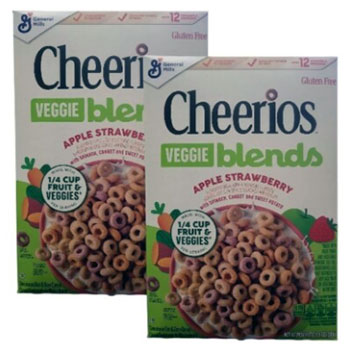
I decided to pick up a box of the Apple Strawberry Cheerios Veggie Blends after noticing my own breakfast routine had become stale and arguably too sugary. As an adult who still appreciates a good bowl of cereal but is increasingly conscious of ingredient lists, the idea of getting a quarter cup of fruit and vegetables in a serving sounded appealing. The packaging is bright and emphasizes the “real fruit and veg” aspect, which immediately grabs your attention if you are trying to make slightly better choices without sacrificing flavor.
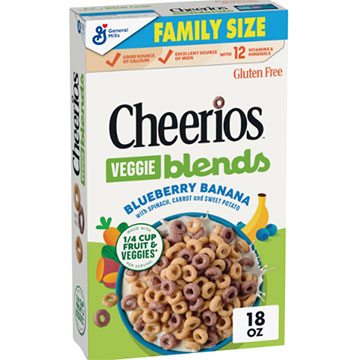
I opened the box and was greeted by a sweet, fruity aroma that was surprisingly potent.
It didn’t smell like vegetables at all; it smelled like a mix of dried strawberries and apple juice.
This was a relief because, truthfully, nobody wants their morning cereal to smell like boiled carrots.
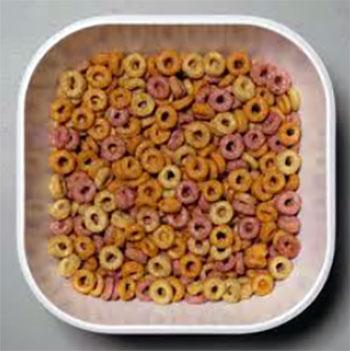
I poured a bowl and noticed the color was a reddish-pink hue, clearly derived from the natural fruit and vegetable juices rather than artificial Red 40, which I appreciated.
The first bite was interesting.
The texture is slightly different from the classic yellow-box Cheerios. Because these are made with a blend of oats and corn to accommodate the veggie powders, they have a slightly lighter, crispier crunch, reminiscent of Kix cereal. They hold up well in milk, staying crunchy for a decent amount of time before eventually getting soggy. The flavor profile is predominantly sweet and fruity. You can taste the apple and strawberry clearly, but the spinach, carrot, and sweet potato are completely masked. If you gave this to a child (or a skeptical adult) without showing them the box, they would never guess there were greens inside.
However, after a few days of eating them for breakfast, I started checking the nutrition label more closely. While I loved the taste, I realized that the sugar content is noticeably higher than standard Cheerios to cover up the earthy vegetable notes. I found myself treating it more like a “treat” cereal or a dry snack for trail mix rather than a daily health food staple. It didn’t leave me feeling as full as a bowl of oatmeal would, likely due to the lower fiber content compared to the original version.
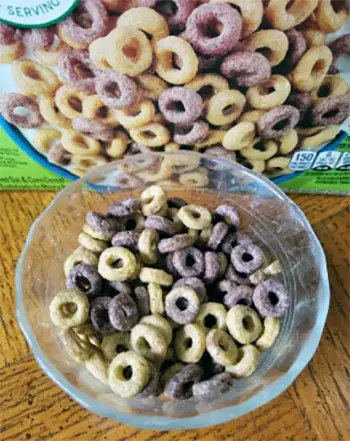
One unexpected benefit was using them as a dry snack during work. They aren’t sticky, and they satisfy that craving for something crunchy and sweet without the guilt of eating a candy bar. I also tried the Blueberry Banana flavor later, and found it to be equally tasty, though the banana flavor was a bit more artificial-tasting to my palate than the apple strawberry blend.
Overall, my experience was positive in terms of taste and convenience. It effectively solves the problem of “how do I eat veggies without tasting them,” but it does so by leaning heavily on fruit sugars. It is a fantastic bridge product for picky eaters, but I wouldn’t rely on it as a primary source of vitamins. It works best as a supplement to a balanced diet rather than a replacement for actual broccoli or spinach.
Read More: Comparison Of Three Wishes Cereal And Magic Spoon Cereal
Pros Of Cheerios Veggie Blends
When you look past the marketing and really evaluate what this cereal offers, there are several distinct advantages that make it a strong contender in the cereal aisle. Here are the specific benefits that make this product worth buying.
- Cleverly Disguised Vegetable Content: The most significant selling point is undoubtedly the inclusion of spinach, carrot, and sweet potato powder in a format that is completely palatable. For parents of “beige diet” toddlers who refuse anything green, this is a massive victory. The vegetable powders are integrated into the dough before baking, meaning there are no weird chunks or grassy aftertastes. You get the trace minerals and some of the nutritional profile of these vegetables without the battle of forcing a child to eat a side of cooked carrots. It provides peace of mind that even if your child eats nothing but cereal that day, they still got a tiny boost of veggie goodness.
- Gluten-Free Certification: Like many Cheerios products, the Veggie Blends line is certified gluten-free, which is a huge deal for families managing celiac disease or gluten sensitivity. Finding a flavored, kid-friendly cereal that doesn’t cost $8 a box and is safe for gluten-free diets can be challenging. General Mills has a rigorous testing process to ensure their oats are free from wheat cross-contamination. This makes it an inclusive option for school snacks or shared households where dietary restrictions need to be managed without buying separate specialized foods. You don’t have to sacrifice flavor or texture to get a safe, gluten-free breakfast.
- No Artificial Flavors or Colors: In an era where many colorful kids’ cereals are laden with Red 40, Blue 1, and high fructose corn syrup, Cheerios Veggie Blends takes a cleaner approach. The colors come strictly from fruit and vegetable juices, giving them a natural, slightly muted hue rather than a neon glow. The flavors are derived from natural purees like apple, strawberry, and blueberry concentrate. This “clean label” approach appeals to health-conscious consumers who want to avoid synthetic additives that have been linked to hyperactivity or allergies in some children. You feel better knowing the ingredients list is recognizable.
- High Iron and Calcium Content: Beyond the veggies, this cereal is fortified to support growing bodies, making it a nutrient-dense option for breakfast. A single serving provides a significant portion of the daily recommended value for iron, which is a critical nutrient often lacking in toddler diets. It is also a good source of calcium, which is essential for bone development. When paired with milk, it becomes a substantial delivery system for these key minerals. For parents worried about nutritional gaps, this fortification acts as a safety net, ensuring kids get their essential vitamins even if they are picky eaters.
Cons Of Cheerios Veggie Blends
Despite the clever marketing and tasty profile, there are some nutritional and practical downsides that you need to be aware of. It is not a perfect health food, and understanding these limitations is key to using it correctly.
- Higher Sugar Content Than Expected: To mask the taste of spinach and carrots, there is a fair amount of added sugar in this cereal compared to the original Cheerios. While original Cheerios has only 1 gram of sugar per serving, Veggie Blends contains around 7 to 8 grams of added sugar. This brings it closer to the sugar profile of Honey Nut Cheerios or even some “sugary” kids’ cereals. If you are strictly monitoring sugar intake for yourself or your child, this might be a dealbreaker. You are essentially trading the lack of vegetable taste for a higher glycemic impact, which can lead to energy crashes later in the morning.
- Lower Fiber Content Than Original: One of the main reasons people choose oat-based cereals is for the fiber, but Veggie Blends falls short here. Because the formula includes corn meal and corn starch to achieve the right texture and flavor balance, the fiber content drops to about 2 grams per serving. Original Cheerios typically has 4 grams of fiber, which is much better for digestion and satiety. This means you might feel hungry sooner after eating a bowl of Veggie Blends compared to a bowl of the classic variety. It is less effective at keeping you full, making it more of a light snack than a hearty meal.
- Misleading “Vegetable Serving” Perception: There is a risk that consumers will view this product as a full replacement for whole vegetables, which it absolutely is not. The marketing claims “1/4 cup of fruit and veggies per serving,” but this is based on the volume of puree and powder before drying. Nutritionally, eating powdered spinach is not the same as eating fresh, fiber-rich spinach leaves. You lose the water content, some heat-sensitive vitamins, and the bulk that aids digestion. If parents rely on this cereal as the only source of veggies for their kids, nutritional deficiencies could still occur over time.
- Texture Differences Can Be Divisive: If you are expecting the exact same texture as regular Cheerios, you might be disappointed. The addition of corn meal gives it a lighter, crispier, and slightly more airy texture, similar to a puff. Some die-hard Cheerios fans find this texture less satisfying or “cheaper” feeling in the mouth. It tends to get soggy slightly faster in milk because the corn structure absorbs liquid more aggressively than pure oats. For toddlers, this might actually be a pro (easier to chew), but for adults seeking a substantial crunch, it can be a letdown.
Maintenance Tips For Cheerios Veggie Blends
Since this is a food product, “maintenance” refers to how you store, serve, and utilize the cereal to ensure it stays fresh and delicious. Improper storage can lead to stale, unappetizing food very quickly.
- Air-Tight Storage is Critical: The corn and oat blend in Cheerios Veggie Blends is highly hygroscopic, meaning it absorbs moisture from the air very easily. If you leave the bag open or merely folded over inside the box, the cereal will turn stale and chewy within a few days, especially in humid climates. You should transfer the contents to a dedicated airtight plastic or glass cereal container immediately after opening. If you must keep it in the original box, use a strong bag clip to seal the inner liner completely shut. Keeping the crunch is essential for the eating experience, as stale “veggie” cereal has a very unappealing texture.
- Creative Serving Suggestions: Don’t limit yourself to just a bowl with milk; this cereal is versatile enough to be used in various recipes. You can use it as a base for a “toddler trail mix” by combining it with freeze-dried fruit, a few chocolate chips, and pretzels. It works exceptionally well as a crunchy topping for yogurt or apple sauce, adding texture to soft foods. Some parents even crush it up and use it as a breading for French toast sticks or sweet chicken tenders for a unique twist. Rotating how you serve it keeps the novelty alive for children so they don’t get bored of the same breakfast every day.
- Monitoring Expiration Dates: Because this product contains natural fruit purees and vegetable powders, it may have a slightly different shelf-life stability than purely grain-based cereals. Over time, the natural fruit oils can oxidize, leading to a rancid smell or a “cardboard” taste. You should always check the “Best By” date on the top of the box before purchasing. Try to consume the box within a month of opening to ensure you are tasting the fruit flavors at their peak. If the cereal smells waxy or like old crayons, it is time to toss it, as the natural oils have gone bad.
- Portion Control Awareness: Since this cereal is sweeter than the original, it is easy to overeat it, especially if snacking straight from the box. You should measure out servings using a cup rather than pouring blindly into a large bowl. This is especially important for toddlers, as the sugar can add up quickly if they are grazing on it all day. Use a small snack cup with a lid for travel to prevent crushing, as the puffs are slightly more fragile than denser cereals. Being mindful of portions ensures it remains a healthy part of the diet rather than a sugar bomb.
Comparison with Other Brands
To understand where Cheerios Veggie Blends fits in the breakfast aisle, we need to compare it to its direct competitors. Here is how it stacks up against other popular choices.
- Original Cheerios (Yellow Box): This is the gold standard for healthy, low-sugar cereal. Comparison: Original Cheerios is significantly healthier, containing only 1 gram of sugar and higher fiber (4g) compared to Veggie Blends’ 7-8g sugar and 2g fiber. Original Cheerios has a more neutral, oat-forward taste that is savory-adjacent, whereas Veggie Blends is distinctly sweet and fruity. If your primary goal is heart health and low sugar, Original Cheerios is the superior choice. However, if you need to hide flavor to get a child to eat, Veggie Blends wins on palatability. Original Cheerios lacks the vitamin A and C boost that comes from the added fruit/veg powders in the Blends.
- Kix Cereal: Kix is a classic “kid-tested, mother-approved” corn-based cereal. Comparison: Kix has a very similar texture to Veggie Blends because it is also primarily corn-based, offering that light, airy crunch. Kix is generally lower in sugar (about 3-4g) than Veggie Blends but lacks the added vegetable powders. Flavor-wise, Kix is very mild and sweet-corn focused, while Veggie Blends offers specific fruit profiles like Blueberry or Strawberry. If you want a simple, lower-sugar corn cereal, Kix is better. If you are specifically looking for the “hidden veggie” value proposition, Cheerios Veggie Blends is the unique option here.
- MadeGood Granola Minis: MadeGood is a brand entirely dedicated to hiding vegetables in snacks. Comparison: MadeGood products are organic and also free from the top 8 allergens, making them even safer for school lunches than Cheerios (which are just gluten-free). MadeGood explicitly lists the vegetable extracts (spinach, broccoli, carrots, tomatoes, beets) and is generally considered a “cleaner” premium brand. However, MadeGood is significantly more expensive per ounce than Cheerios Veggie Blends. MadeGood is granola-based, meaning it is harder and chewier, whereas Cheerios is a dissolvable puff suitable for younger toddlers. Cheerios is more accessible at standard grocery stores, while MadeGood often requires a trip to the health food aisle.
Also Read: My Thoughts On Olly Prenatal Vitamins
Frequently Asked Questions (FAQ)
They are a “better-for-you” option compared to sugary cereals like Froot Loops, but they are not a health superfood. While they do contain real vegetable powders and vitamins, they also have a moderate amount of added sugar (around 8g). They are best viewed as a bridge food—healthier than a cookie, but less healthy than plain oatmeal or raw veggies.
No, they do not taste like vegetables at all. The flavor profile is entirely dominated by the fruit purees and natural flavors, tasting like sweet strawberry apple or blueberry banana. The spinach, carrot, and sweet potato are undetectable to the palate, which is the entire point of the product design.
Yes, generally, once a baby is ready for finger foods and can handle textures (usually around 9+ months), they can eat these. However, due to the added sugar content, many pediatricians recommend sticking to Original Cheerios or plain puffs for babies under age 1 or 2. Always supervise young children while eating to prevent choking, although the Os dissolve relatively easily.
Yes, just like the rest of the Cheerios line, Veggie Blends are gluten-free. General Mills uses a mechanical separation process to ensure the oats are free from wheat, barley, and rye. This makes them safe for people with celiac disease or gluten intolerance.
Conclusion
Cheerios Veggie Blends is a smart, strategic product for parents navigating the tricky waters of childhood nutrition. It successfully masks the benefits of spinach and carrots behind the kid-friendly flavors of apple and blueberry, providing a stress-free way to sneak in some extra nutrients. While it is higher in sugar and lower in fiber than the classic yellow box, it serves as an excellent middle ground between “boring” healthy food and sugary junk food.
If you are looking for a breakfast option that your kids will actually ask for, and that gives you a little bit of reassurance that they aren’t eating empty calories, this is a solid buy. It is convenient, tasty, and widely available. Just remember to treat it as part of a balanced diet rather than a complete vegetable replacement, and you will likely be very happy with the results.